2026 Top PE Masterbatch for Chemical Barrel Blow Molding?

Time:2026-11-05 Author:Oliver
0%

Chemical barrel blow molding places unusual demands on polyethylene compounds. The barrel must resist impact, carry its contents safely, and maintain shape during storage and handling. Color matters, too. A uniform blue or natural finish helps identify products and spot surface defects under factory lighting. Chemical Barrel Blow Molding PE Masterbatch can influence these outcomes through pigment dispersion, carrier compatibility, and its effect on processing stability.

The right choice depends on the resin grade, barrel design, wall thickness, and molding conditions. A concentrate that disperses poorly may leave streaks or specks across a large surface. Inconsistent dosing can create shade variation between production runs. Even a promising sample deserves testing on the actual line. Check melt flow, color consistency, impact performance, and finished-part appearance—not just the supplier’s specification sheet. Small trials reveal important details.

A verified industry quotation would strengthen this discussion, but no source or expert interview was provided. Rather than invent an attribution, use this clearly marked draft for expert review: “[Verified expert name], [role or organization], says, ‘A masterbatch should be judged in the finished barrel, not only by its color chip.’” Confirm the person’s credentials and approval before publication. That step may feel slow. It protects trust. The following outline examines selection criteria, processing checks, and supplier questions for 2026, while recognizing that no single formulation suits every barrel, resin, or production line.
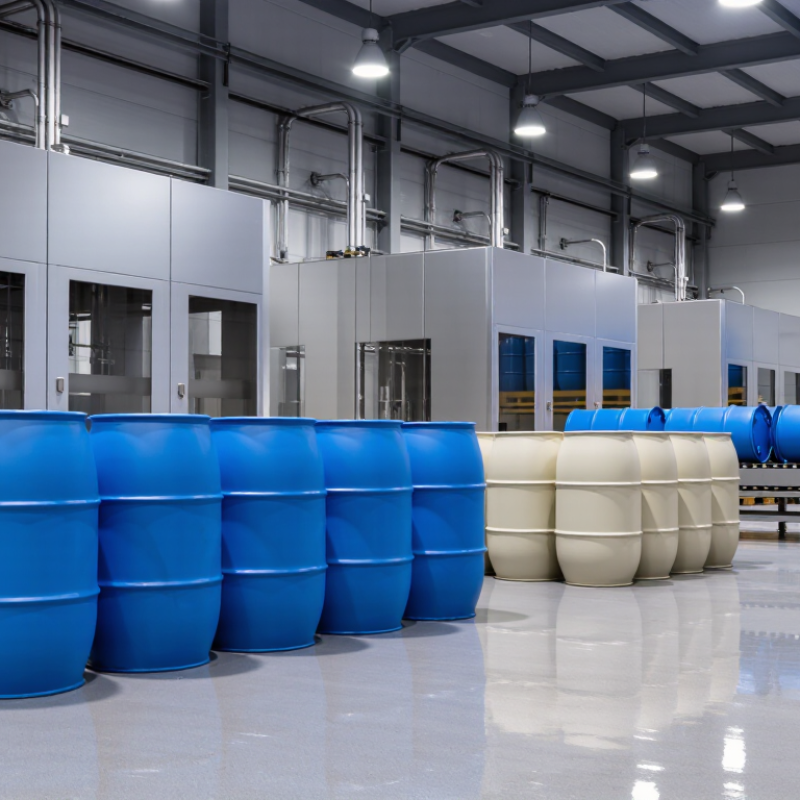
2026 Top PE Masterbatch for Chemical Barrel Blow Molding?

What PE Masterbatch Does in Chemical Barrel Blow Molding

In chemical barrel blow molding, PE masterbatch is more than color. It delivers concentrated pigments or functional additives into the polyethylene melt, helping each barrel achieve a consistent shade and selected processing or performance properties. The carrier resin should be compatible with the barrel resin; poor dispersion can leave streaks, specks, or weak-looking spots on the molded wall. Small defects matter.

A barrel’s chemical resistance mainly comes from resin selection, wall design, and manufacturing quality—not color masterbatch alone. Additives may support UV stability or processing, but they cannot compensate for an unsuitable resin or uneven wall thickness. PlasticsEurope reported 400.3 million tonnes of global plastics production in 2022 in Plastics—The Fast Facts 2023, underscoring the scale of the material choices manufacturers make. That figure is broad market context, not a measure of barrel demand.

In production, operators typically check melt behavior, color uniformity, and the finished barrel’s appearance. A trial run can reveal issues that a color sample cannot. One practical caution: more additive is not automatically better. Excessive or poorly matched concentrate may affect flow, cooling, or surface quality. Masterbatch selection should be validated in the actual resin and molding process, with the intended contents and service conditions clearly defined.

How to Choose a PE Masterbatch for Barrel Production

2026 Top PE Masterbatch for Chemical Barrel Blow Molding?

How to Choose a PE Masterbatch for Barrel Production

Choose a masterbatch by matching it to the barrel’s exact polyethylene grade and process. Don’t assume every PE carrier will disperse equally in high-density polyethylene. Compare melt flow under the same test conditions; ISO 1133-1 provides a standard method for measuring melt mass-flow rate. Check pigment loading, let-down ratio, and dispersion in a trial molding run. Small specks can become visible on a large barrel.

Define the barrel’s real service conditions: contents, storage temperature, sunlight exposure, and handling. A masterbatch cannot guarantee chemical resistance; the base resin, wall thickness, and molded part design matter too. PlasticsEurope’s Plastics—The Fast Facts 2024 reports 413.8 million tonnes of plastics produced worldwide in 2023. That broad figure shows the scale of material variation, not a barrel-performance benchmark. Test molded samples for color consistency, impact performance, and environmental stress-crack resistance before approving production. Results may surprise you.

Tips: Keep the trial simple. Record the resin grade, masterbatch percentage, processing temperatures, and cycle time. Inspect the barrel’s corners and pinch-off area, where uneven color or weak spots can be easier to miss. If a change improves appearance but reduces impact strength, reconsider the formulation.

Key Performance Factors in Chemical Barrel Applications

Chemical barrel performance starts with the resin, not the color chart. PlasticsEurope’s Plastics—The Fast Facts 2024 reports global plastics production of 413.8 million tonnes in 2023, underscoring the scale of material use. For blow-molded polyethylene barrels, masterbatch should disperse evenly without disrupting melt flow or weakening the barrel wall. Check melt mass-flow rate against the base resin, and inspect molded sections for streaks, specks, and thin spots.

Chemical exposure makes stress-crack resistance critical. ASTM D1693 provides a test method for environmental stress cracking in ethylene plastics, but lab results alone cannot predict every service condition. Validate samples with the intended resin, molding settings, and suitable chemical-exposure procedures. Also assess impact retention, pigment heat stability, and color consistency after processing. A color match can still mislead.

In production, uneven dispersion may show up as color bands near corners or around the handle. Excessive loading can affect flow, while poor carrier compatibility can create defects. Record barrel weight, wall-thickness variation, and appearance across repeated runs. That trade-off deserves another trial. Compare results at the proposed let-down ratio, then review performance after conditioning; one successful molding run is useful, but not conclusive.

Comparing PE Masterbatch Types and Their Uses

PE masterbatch selection for chemical barrel blow molding starts with the carrier resin. A high-density polyethylene (HDPE) carrier often suits HDPE barrel compounds, while a mismatched carrier can affect dispersion or processing. Confirm compatibility with the actual base resin and molding conditions. Color masterbatch provides shade and opacity; black concentrates may also support light protection when formulated with suitable additives. Neither color nor masterbatch alone guarantees chemical resistance. The barrel’s resin, wall thickness, design, and contents all matter.

Additive masterbatches serve different purposes. UV-stabilizing grades can help limit weathering during outdoor storage, while antistatic grades may reduce surface charge where needed. Processing aids can support melt flow, but they are not automatically beneficial in every formulation. Small details matter. Compare recommended dosage, pigment dispersion, melt temperature, and screw or die conditions. Then test molded samples for color consistency, impact performance, and dimensional stability. A neat-looking sample is not enough.

Tips: Ask for a technical data sheet and a trial quantity. Keep the base resin and let-down ratio consistent during trials. Record barrel weight, surface appearance, and any changes in molding behavior. One limitation is easy to overlook: results from a small trial may not match full production exactly. Recheck settings at scale.

Testing and Quality Checks for Blow-Molded Barrels

Testing and Quality Checks for Blow-Molded Barrels

A reliable quality check starts with the resin blend, not the finished barrel. PE masterbatch should disperse evenly, without visible specks, streaks, or color variation. During trial production, record melt conditions and inspect several barrels from different points in the run. One sample is not enough. Check wall thickness at the base, sidewall, shoulder, and handle area; thin spots can hide beneath a smooth surface. I have seen appearance pass while measurements raised concerns.

Finished barrels need practical performance checks. Inspect the neck, closure fit, seams, and base for cracks, flash, or distortion. Fill samples with water and check for leakage after standing and gentle handling. Drop testing can reveal weak corners or brittle areas, but results depend on fill level, temperature, and impact surface. Chemical compatibility needs separate evaluation using the intended contents, contact time, and storage conditions. A short test cannot predict every use case. Keep sample IDs and results together, and repeat checks after process adjustments. It is tempting to test only the best-looking barrel; that habit can miss ordinary variation.

FAQS

What does PE masterbatch do in chemical barrel blow molding?

It adds concentrated pigments or functional additives to the polyethylene melt. This helps produce an even shade and selected processing properties. Small defects matter.

Does masterbatch provide chemical resistance?

Not by itself. Chemical resistance depends mainly on the base resin, wall thickness, barrel design, and manufacturing quality. Match these to the intended contents.

How can I choose a suitable PE masterbatch?

Match its carrier resin to the barrel’s polyethylene grade and molding process. Check pigment loading, recommended dosage, and dispersion. A small trial can reveal problems.

What should a production trial check?

Observe melt behavior, color consistency, and surface quality. Test molded samples for impact performance and dimensional stability. Appearance alone can fool you.

Which areas of a molded barrel need close inspection?

Check the corners and pinch-off area carefully. Uneven color or weak spots may be easier to miss there. Look closely.

What is the difference between color and additive masterbatch?

Color grades provide shade and opacity. Additive grades may support UV stability, reduce surface charge, or aid processing. Their effects depend on formulation and use.

Can adding more masterbatch improve performance?

Not necessarily. Excessive or poorly matched concentrate may affect flow, cooling, or surface quality. More is not always better.

What information should I record during trials?

Note the resin grade, masterbatch percentage, processing temperatures, and cycle time. Also record barrel weight and appearance. Recheck settings at full production scale.

Conclusion

This article explains how Chemical Barrel Blow Molding Pe Masterbatch contributes to the color, consistency, and performance of polyethylene barrels. It outlines how to select a suitable formulation based on the base resin, processing conditions, desired appearance, and intended barrel requirements. Key considerations include pigment dispersion, melt compatibility, impact resistance, weatherability, and maintaining consistent wall quality during blow molding.

The article also compares common PE masterbatch types and their practical uses, helping manufacturers match a formulation to production needs without compromising process stability. It concludes with essential testing and quality checks, such as inspecting color uniformity, barrel dimensions, surface finish, and resistance to impact and handling. These considerations provide a practical framework for evaluating masterbatch choices and producing dependable chemical barrels.


Oliver

Oliver

Oliver is a seasoned marketing professional with a wealth of expertise in driving brand awareness and engagement. With a deep understanding of our company's product offerings, he consistently delivers high-quality content that enriches our professional blog. His insights not only shed light on......