10 Best Hollow Blow Molding PE Masterbatch Suppliers

Time:2026-10-26 Author:Aria
0%

Choosing a reliable Hollow Blow Molding Pe Masterbatch supplier requires more than comparing color cards or price lists. The right supplier must understand resin behavior, pigment dispersion, extrusion stability, and container performance. These factors influence wall thickness, surface appearance, drop resistance, and production waste.

Dr. John Beaumont, a respected plastics-processing author and consultant, has emphasized, “Successful molding depends on the interaction of material, process, and tooling.” This principle remains highly relevant when evaluating Hollow Blow Molding Pe Masterbatch suppliers. A masterbatch may appear consistent in a small sample, yet behave differently during continuous extrusion. Melt temperature, screw design, dosing accuracy, and cooling conditions can change the final result.

This guide examines ten suppliers through practical criteria. These include polyethylene carrier compatibility, color strength, dispersion quality, odor control, technical support, and batch-to-batch consistency. It also considers whether suppliers provide test data, processing recommendations, and samples for real production trials.

Small details matter. A blue bottle may show streaks near the handle. A black container may lose gloss after repeated processing. These problems can increase rejects and complicate quality inspections.

No supplier is perfect. Some companies offer strong technical service but limited customization. Others provide attractive pricing but less transparent documentation. That weakness deserves attention, not polite assumptions. Buyers should test each Hollow Blow Molding Pe Masterbatch under actual machine conditions before making a long-term decision. The ranking that follows is therefore practical, evidence-based, and open to revision as technologies and supplier performance change.
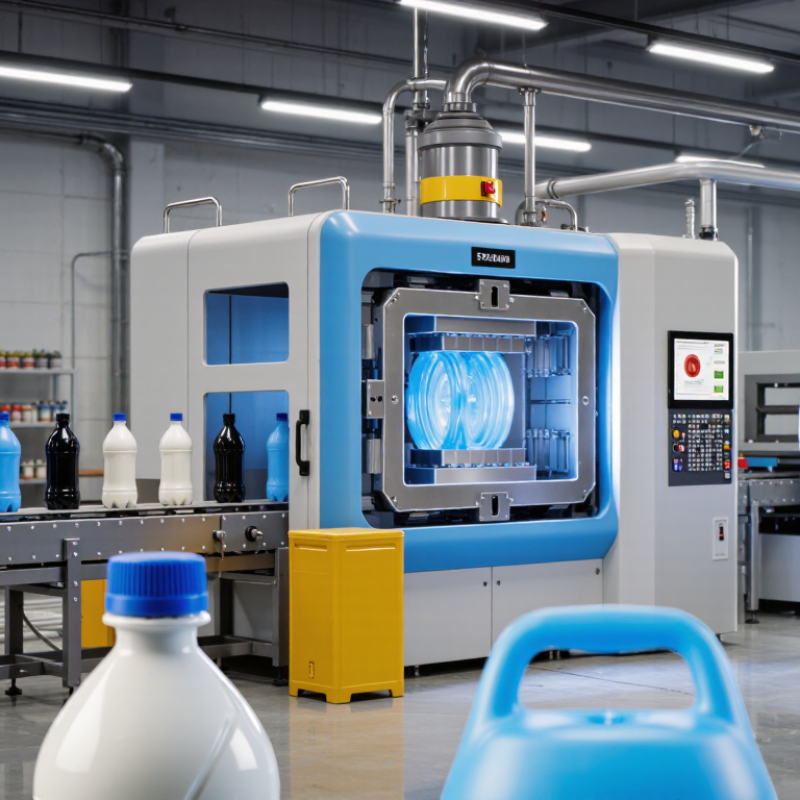
10 Best Hollow Blow Molding PE Masterbatch Suppliers

Understanding Hollow Blow Molding PE Masterbatch and Its Applications

Hollow blow molding PE masterbatch is a concentrated blend of pigments, additives, and polyethylene carrier resin. It is designed for bottles, jerry cans, drums, and other hollow products. During extrusion blow molding, the masterbatch disperses through molten PE and creates consistent color or performance. Common functions include UV protection, antistatic control, slip, opacity, and improved processing stability.

Demand remains substantial. PlasticsEurope’s Plastics – the Fast Facts 2024 reports global plastics production of 413.8 million tonnes in 2023. Packaging remains a major conversion sector, increasing pressure for lightweight and recyclable PE containers. A suitable masterbatch can reduce dosing errors, surface streaks, and uneven wall appearance. However, results depend on resin grade, melt temperature, screw design, and cooling conditions. A perfect formulation is unlikely.

Tips: Request technical data, migration information, and batch consistency records from each supplier. Test the concentrate at production speed, not only in a laboratory. Check color difference, output stability, odor, and container drop performance. Ask whether the carrier matches your PE resin. A low-cost masterbatch may require higher dosage, creating hidden expenses. I have seen attractive samples fail after temperature changes, so production trials deserve more weight than brochures.

Report references: PlasticsEurope, Plastics – the Fast Facts 2024; ISO 1133 for melt flow testing; ASTM D2244 for color measurement.

Key Performance Requirements for Hollow Blow Molding Masterbatch

Hollow blow molding PE masterbatch must disperse quickly and evenly through a thick, moving melt. Poor dispersion can create streaks, weak corners, or visible color spots. A compatible polyethylene carrier is essential. It should match the resin’s melt behavior and support stable parison formation. Color strength matters, but excessive pigment loading may increase pressure and reduce impact performance. Small changes can become expensive.

Moisture control is another key requirement. Wet additives may cause bubbles, surface marks, or unstable extrusion. Reliable suppliers should provide consistent pellets, clear technical data, batch traceability, and practical processing guidance. Testing should include dispersion, heat stability, odor, migration behavior, and impact retention after molding. Samples should run on the actual machine, not only in a laboratory. Real equipment reveals problems faster.

Processing windows also deserve attention. A masterbatch that performs well at one melt temperature may degrade at another. Black specks, die buildup, and uneven wall thickness can appear after several production hours. This is often overlooked. Recycled PE can make results less predictable because its melt flow and contamination levels vary. There is no universal formulation. Engineers may need to adjust let-down ratios, screw speed, and cooling time. A good supplier accepts this uncertainty and helps document each trial, including failed settings and corrective actions.

10 Best Hollow Blow Molding PE Masterbatch Suppliers - Key Performance Requirements for Hollow Blow Molding Masterbatch

No. Supplier Evaluation Dimension Recommended Performance Requirement Typical Verification Method Why It Matters in Hollow Blow Molding Assessment Priority
1 Polymer Compatibility Designed for the selected polyethylene resin grade, including HDPE, LDPE, LLDPE, or recycled PE where applicable. Technical data sheet review, trial extrusion, and molded-part inspection. Poor compatibility can cause gels, weak weld lines, surface defects, and unstable melt flow. Critical
2 Color Dispersion Uniform color distribution without streaks, specks, pigment agglomerates, or visible shade variation. Melt dilution trial, visual comparison, and color measurement using CIE L*a*b* values. Hollow containers have large visible surfaces where dispersion defects are easy to detect. Critical
3 Melt Flow Behavior Masterbatch should maintain stable extrusion behavior and remain suitable for the host resin’s processing window. Melt flow rate testing under the applicable polyethylene test condition and production trial. Unexpected rheology changes can affect parison stability, wall thickness, and cycle consistency. Critical
4 Pigment Loading and Let-Down Ratio Clearly documented recommended dosage, pigment concentration, and shade-development guidance. Laboratory dilution series and confirmation on the intended machine. Accurate dosing supports consistent color while controlling material cost and part weight. High
5 Thermal Stability Stable performance at the processor’s documented barrel, die, and residence-time conditions. Controlled heat-aging or repeated-pass extrusion evaluation. Insufficient thermal stability may lead to discoloration, odor, degradation, or black specks. Critical
6 Parison Stability Minimal sag, drawdown variation, and melt fracture during continuous extrusion. Machine trial at target output, die temperature, and parison programming settings. Stable parison formation is essential for uniform wall thickness and reliable mold capture. Critical
7 Moisture and Volatile Control Low and controlled moisture or volatile content, with sealed packaging and storage guidance. Moisture analysis, packaging inspection, and extrusion observation. Excess moisture or volatiles can contribute to bubbles, voids, surface marks, and odor. High
8 Mechanical Property Retention No unacceptable reduction in impact strength, tensile performance, stiffness, or environmental stress-crack resistance. Comparison of molded samples with and without masterbatch under the applicable product tests. Containers must withstand filling, transport, stacking, squeezing, and end-use handling. Critical
9 Regulatory and Application Documentation Current SDS, technical data sheet, composition or regulatory statement, and application-specific compliance documents where required. Document review against the destination market and intended application. Documentation supports legal, safety, packaging, food-contact, and customer-audit requirements. High
10 Quality Consistency and Technical Support Lot-to-lot consistency, retained samples, traceability, defined change-control procedures, and process troubleshooting support. Certificate-of-analysis review, sample approval, audit, and repeat production trial. Reliable supply and technical response reduce color drift, downtime, scrap, and qualification risk. High

Note: Acceptance limits should be finalized according to the polyethylene grade, masterbatch dosage, container design, processing equipment, and end-use regulatory requirements.

How to Assess Hollow Blow Molding PE Masterbatch Suppliers

Assessing hollow blow molding PE masterbatch suppliers requires more than comparing price lists. I examine melt flow index, carrier resin compatibility, pigment dispersion, and thermal stability. These factors affect parison strength, wall thickness, and surface appearance. Ask for a current certificate of analysis for every production lot. A reliable supplier should explain test methods, not merely provide attractive numbers.

Request samples in the same carrier grade used for your containers. Run them through your actual extruder, mold, and cooling cycle. Watch for specks, die buildup, color streaks, and unstable output. Check whether the masterbatch disperses at the proposed let-down ratio. A small trial matters. One supplier’s “standard black” may perform poorly in thin handles or large tanks. Review packaging details too, including sealed liners, batch codes, storage guidance, and moisture protection.

Supplier experience becomes clearer during technical discussions. Can the team recommend loading changes when resin density or recycled content varies? Can it investigate a failed batch with retained samples and production records? I also look for consistent lead times, transparent change notifications, and practical support after delivery. A polished brochure is not proof. I have learned that even good suppliers can overlook mold-specific issues, especially during scale-up. Ask difficult questions, record trial results, and compare performance over several lots.

Profiles of 10 Leading Hollow Blow Molding PE Masterbatch Suppliers

Profiles of 10 leading hollow blow molding PE masterbatch suppliers reveal clear differences in technical depth.

Supplier One specializes in high-concentration white grades for detergent bottles. Supplier Two focuses on black concentrates with strong UV resistance. Supplier Three offers food-contact documentation and migration testing. Supplier Four develops slip and antiblock grades for thin-wall containers. Supplier Five supports recycled polyethylene processing. Its dispersion data needs careful checking.

Supplier Six supplies color concentrates matched by spectrophotometer, not visual samples alone. Supplier Seven provides calcium carbonate-filled grades for cost-sensitive packaging. Supplier Eight designs processing aids for faster extrusion blow molding cycles. Supplier Nine serves agricultural containers requiring outdoor durability. Supplier Ten combines custom formulation, pilot trials, and batch traceability.

Small differences matter. Moisture control matters too.

PlasticsEurope reported global plastics production of about 414 million tonnes in 2023, showing the scale of material demand. Smithers’ industry analysis also identifies lightweighting and recycled-content adoption as major packaging trends.

These pressures make melt flow, pigment dispersion, odor, and recyclability practical supplier-selection criteria. A reliable supplier should provide technical data sheets, safety documentation, lot records, and application samples.

Independent testing remains wise. Reported carbon-black loading may not predict final UV performance in every resin. Mold design, parison programming, cooling, and regrind quality can change the result.

The best profile is therefore not the most impressive one, but the one supported by repeatable trials and transparent evidence.

Testing, Selection, and Purchasing Considerations for Manufacturers

10 Best Hollow Blow Molding PE Masterbatch Suppliers

Choosing among the 10 best hollow blow molding PE masterbatch suppliers requires more than comparing color charts. Test each sample in your actual polyethylene grade, mold, and extrusion settings. A masterbatch that disperses well in film may streak inside a detergent bottle. Check let-down accuracy, melt flow behavior, pigment dispersion, moisture, odor, and surface finish. Keep barrel temperature and screw speed consistent during trials. Record results.

Inspect molded bottles for weak corners, uneven walls, pinholes, warpage, and color variation between the first and last pieces. Measure impact strength, stiffness, top-load performance, and drop resistance after conditioning. A glossy sample can mislead. Small laboratory plaques do not always predict hollow-part performance. This is where supplier experience matters. Ask for technical data, batch traceability, safety documentation, and application references without relying on marketing claims.

Purchasing decisions should include minimum order quantities, lead times, packaging protection, storage life, and replacement procedures. Request samples from more than one production batch when consistency is critical. Confirm whether the supplier can support scale-up, formulation changes, and troubleshooting at your plant. Lower price may hide higher dosing or reject rates. That lesson is easy to overlook. A controlled plant trial, followed by a written acceptance standard, gives manufacturers a more reliable basis for long-term supply.

FAQS

What is hollow blow molding PE masterbatch?

It is a concentrated blend of pigments, additives, and polyethylene carrier resin. It supports color and performance.

Which hollow products commonly use PE masterbatch?

Common products include bottles, jerry cans, drums, and storage containers. The masterbatch disperses through molten polyethylene during extrusion blow molding.

What functions can this masterbatch provide?

It can improve UV protection, antistatic control, slip, opacity, and processing stability. The required function depends on the container and production conditions.

How should manufacturers test a masterbatch sample?

Test it in the actual resin, extruder, mold, and cooling cycle. Keep barrel temperature and screw speed consistent. Record streaks, specks, output stability, odor, and surface finish.

Why is carrier resin compatibility important?

A matching carrier can improve dispersion and reduce processing problems. An unsuitable carrier may cause streaks, unstable output, or uneven walls.

What molded-part defects should quality teams inspect?

Inspect weak corners, pinholes, warpage, uneven walls, and color variation. Also measure impact strength, stiffness, top-load performance, and drop resistance. Small plaques can mislead.

Which supplier documents and information should buyers request?

Request technical data, migration information, batch consistency records, and current analysis certificates. Also check batch codes, sealed packaging, storage guidance, and moisture protection.

Is the lowest-priced masterbatch always the most economical choice?

Not necessarily. A low-cost product may require higher dosing or create more rejects. Compare total cost, not only the purchase price. That lesson is easy to overlook.

How can manufacturers judge supplier reliability during scale-up?

Ask how the supplier handles resin changes, recycled content, failed batches, and production records. Review several production lots and confirm lead times. A polished brochure proves little.

Conclusion

This guide explores Hollow Blow Molding Pe Masterbatch, a concentrated additive system used to improve the color, appearance, processing efficiency, and performance of polyethylene products made through hollow blow molding. It explains how masterbatch supports applications such as containers, tanks, packaging, and other lightweight molded products, while focusing on important requirements including dispersion, color consistency, thermal stability, compatibility, moisture control, and reliable processing behavior.

The article also presents practical methods for assessing ten leading supplier types without relying solely on price or marketing claims. Manufacturers will learn how to compare technical support, production consistency, customization capabilities, quality documentation, delivery reliability, and compliance standards. In addition, it outlines essential testing and purchasing considerations, such as trial production, melt flow evaluation, color matching, mechanical performance, odor assessment, and long-term supply stability. These guidelines help buyers select a suitable Hollow Blow Molding Pe Masterbatch for efficient production and consistent finished-product quality.


Aria

Aria

Aria is a dedicated marketing professional with a deep passion for innovative strategies and a keen understanding of our company's product offerings. With a wealth of experience in the industry, Aria excels at crafting engaging content that highlights the unique features and benefits of our......