Why Choose Blown Film PE Masterbatch?

Time:2026-11-15 Author:Isabella
0%

Blown Film Pe Masterbatch can help manufacturers add color, improve selected film properties, or make production more consistent. Its value depends on the resin, formulation, and processing conditions—not just the label on the bag. A suitable concentrate should disperse well through the melt and fit the film’s intended use. A poor match may show up as streaks, uneven color, or unstable processing. Small details matter.

As a practical perspective, fictional composite process specialist Maya Chen puts it this way: “A masterbatch earns its place when it performs reliably on the line, not merely in a sample.” This is an illustrative quote, not a sourced statement from a real expert. In practice, buyers can review the carrier resin, recommended let-down ratio, and compatibility with their base polymer. Trial runs can reveal issues that a product sheet cannot. Check the finished film, too: appearance, handling, and any required performance targets should guide selection. Results vary.

This introduction explores why converters choose Blown Film Pe Masterbatch, what benefits they may expect, and which trade-offs deserve attention. The right grade can support efficient, repeatable production. But it is not a magic fix. Supplier data, controlled testing, and clear communication about the application provide a more dependable basis for choosing than broad claims alone. A little caution helps.
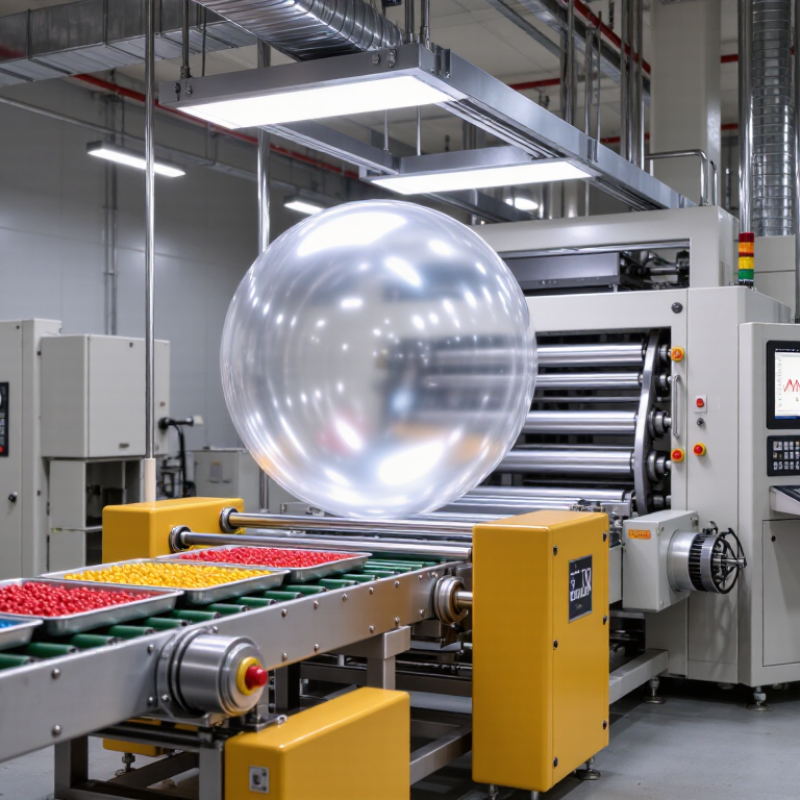
Why Choose Blown Film PE Masterbatch?

What Is Blown Film PE Masterbatch?

Blown film PE masterbatch is a concentrated blend of pigment or functional additives carried in polyethylene resin. It is supplied as pellets and metered into the film resin before extrusion. The blend melts, passes through a circular die, and forms an air-inflated tube that cools into film. Depending on its formulation, masterbatch can add color, slip, antiblock, antistatic properties, or UV protection. It is an ingredient, not the finished film. PlasticsEurope’s Plastics – the Fast Facts 2023 reports 400.3 million tonnes of plastics production worldwide in 2022, a reminder of the scale behind everyday film conversion.

MarketsandMarkets estimated the global masterbatch market at USD 11.5 billion in 2023 and projected USD 15.3 billion by 2028. These are market estimates, not evidence that every formulation performs equally well. For converters, carrier compatibility, dispersion, and let-down ratio matter. Poor dispersion may appear as streaks or specks; incorrect slip levels can affect winding and handling. Pellets can look alike. Their performance may not. Test the blend on the actual resin, line, and film thickness. Lab samples can mislead.

How Does PE Masterbatch Work in Blown Film Production?

Why Choose Blown Film PE Masterbatch?

How Does PE Masterbatch Work in Blown Film Production?

PE masterbatch is a concentrated blend of pigments or functional additives carried in polyethylene resin. During production, a measured dose is mixed with the base resin, such as LDPE or LLDPE. The extruder melts the pellets and disperses the concentrate through the melt. That melt exits an annular die, rises as a bubble, cools, and is flattened into film. Small additions matter.

PlasticsEurope’s Plastics—The Fast Facts 2023 reports global plastics production of 400.3 million tonnes in 2022. This broad figure shows the scale of plastics processing, but it does not measure blown film or masterbatch use specifically. In practice, reliable dosing and dispersion matter more than headline market size. Poor mixing can leave streaks, uneven color, or inconsistent additive performance across a roll.

The carrier resin should suit the film resin, while the additive package should match the job: UV protection for outdoor exposure, or slip and antiblock for easier winding. OECD’s Global Plastics Outlook (2022) reports that global plastics production reached 460 million tonnes in 2019, roughly double its 2000 level. Yet a formulation can look right on paper and still disappoint on the line. Check feeder accuracy, bubble stability, and film samples under real conditions; dosage and results vary with equipment and resin.

Which Film Properties Can PE Masterbatch Improve?

Blown-film PE masterbatch can adjust film properties when its additives suit the resin and process. Slip additives can lower surface friction, helping film unwind more smoothly. Antiblock additives reduce film-to-film adhesion, so stacked layers separate more easily. UV stabilizers can slow weathering during outdoor use. Pigments and mineral fillers change color, opacity, or stiffness. But higher filler levels may reduce clarity or impact strength. There is no universal “best” recipe.

Testing shows whether a change helps the actual film. ASTM D1894 measures friction, while ASTM D882 and D1709 measure tensile properties and dart impact resistance. ASTM D1003 covers haze. PlasticsEurope’s Plastics – the Fast Facts 2023 reports 400.3 million tonnes of global plastics production in 2022. That figure describes industry scale, not masterbatch performance; trial data remains essential. Record the formulation, let-down ratio, and processing conditions alongside each test result. Small changes in cooling or output can shift results.

Tips: Compare treated and untreated film from the same production run. Check sealing and optical quality too. A gain in stiffness may come with a trade-off. That part is easy to miss.

Why Choose Blown Film PE Masterbatch? - Which Film Properties Can PE Masterbatch Improve?

PE masterbatch can add functional ingredients or pigments to polyethylene film. The effects depend on the masterbatch formulation, let-down ratio, film structure, resin, and processing conditions; confirm performance with trials on the intended film.

Masterbatch function Film property affected Typical effect Key considerations
Slip
Typically based on migrating slip additives such as erucamide or oleamide
Surface friction and handling Can lower the film’s coefficient of friction, helping film layers slide more easily during converting and packaging. Slip additives need time to migrate to the surface. Excessive slip can affect printing, lamination, or sealing, so check friction and bonding after conditioning.
Antiblock
Often uses mineral particles such as silica or talc
Blocking and film separation Creates microscopic surface irregularities that can reduce film-to-film contact and make rolls or bags easier to open. The effect depends on particle type, size, and loading. Antiblock can increase haze or reduce clarity, especially in transparent films.
UV stabilizer
For applications exposed to sunlight or UV radiation
Weathering resistance and retention of mechanical properties Can slow UV-related degradation, helping the film retain properties such as tensile strength and elongation for longer under suitable exposure conditions. Protection depends on the stabilizer system, film thickness, exposure, and other ingredients. Validate with application-relevant weathering tests.
Antistatic
Uses antistatic additives selected for the application
Static charge and dust attraction Can reduce static charge buildup and help limit dust attraction during film handling. Performance may depend on humidity, surface migration, and storage time. Check compatibility with printing, sealing, and any required surface treatment.
Color or white pigment
For example, pigment dispersed in a PE carrier
Color, opacity, and light transmission Provides a more uniform color; suitable white pigment can increase opacity and reduce visible light transmission. Dispersion, pigment loading, and film thickness affect appearance. Check for changes to heat sealing, print appearance, or light-sensitive product protection.
Calcium carbonate filler
Used in selected film formulations
Stiffness, opacity, density, and material cost Can increase stiffness and opacity and may reduce the amount of virgin polymer used in a formulation. Higher filler content can affect toughness, elongation, tear behavior, sealing, and film density. Test the finished film against its performance requirements.

Selection tip: Define the target property first, then evaluate the film using relevant tests—for example, coefficient of friction, blocking, haze, tensile properties, seal performance, or weathering resistance. Follow the supplier’s recommended dosage and applicable food-contact or regulatory requirements.

What Factors Guide PE Masterbatch Selection?

Why Choose Blown Film PE Masterbatch?

What Factors Guide PE Masterbatch Selection?

Selecting PE masterbatch starts with the film’s job. A packaging film may need strong color, opacity, or a clean surface. Agricultural film may require reliable outdoor performance. Match the masterbatch carrier to the polyethylene resin to support compatibility and even dispersion. Poor dispersion can leave visible specks or uneven color across the roll.

Consider the processing conditions, too. Film thickness, screw design, melt temperature, and production speed can affect how additives disperse. Check the recommended addition rate and test it on the actual line; a rate that works in one setup may not suit another. The first trial may still reveal haze, weak seals, or inconsistent color. That is useful data, not a reason to guess. Define the key result before testing, such as color uniformity or seal strength.

Tips: Keep a small sample from each trial. Record the resin grade, dosage, and line settings. Change one variable at a time, where practical. Simple records help explain results later.

Where Is Blown Film PE Masterbatch Commonly Used?

Blown film PE masterbatch is widely used in packaging films, where color, opacity, slip, and anti-block properties can be adjusted during production. Typical examples include grocery bags, bread bags, courier mailers, and liners for bins or industrial containers. On a production line, a slip additive can help film unwind smoothly, while anti-block additives reduce sticking between layers. Small changes matter.

PlasticsEurope’s Plastics – the Fast Facts 2023 reports that packaging represented 39.5% of European plastics demand in 2022. This figure covers plastics broadly, not blown film alone, but it shows the scale of packaging applications. Blown PE films are also used in agriculture, including greenhouse covers and silage wrap, and in construction for protective sheeting. For outdoor films, UV-stabilizing masterbatch may help maintain performance under sunlight; the right choice depends on exposure, film thickness, and processing conditions.

The OECD’s Global Plastics Outlook (2022) reports that packaging accounted for 40% of plastic waste generated in 2019. That is a waste statistic, not a measure of masterbatch use, but it makes material efficiency and end-of-life design important considerations. A formulation that runs well on one line may not suit another. Testing is essential.

Why Choose Blown Film PE Masterbatch?

Common applications include bags, liners, stretch wrap and agricultural films. This chart shows indicative film-thickness ranges for these applications.

Thickness ranges are indicative; actual specifications vary with product design, resin grade and application requirements. Masterbatch selection depends on the required color, processing and film performance.

FAQS

Which film properties can PE masterbatch change?

It can adjust friction, blocking, weather resistance, color, opacity, or stiffness. Results depend on the resin and process. No recipe suits every film.

How can slip additives affect film handling?

They can lower surface friction, helping a roll unwind more smoothly. Check the finished film, not just the additive rate. The result may vary.

What does an antiblock additive do?

It reduces sticking between film layers. Stacked sheets may separate more easily, though the effect should be checked on the actual film.

How should I choose a masterbatch for a specific film?

Start with the film’s purpose. Packaging may need color or opacity, while outdoor film may need weather resistance. Match the carrier to the polyethylene resin.

Which production details can affect the result?

Film thickness, screw design, melt temperature, and line speed can influence dispersion. A dosage that works on one line may fail on another.

What problems might appear during a trial?

You may see specks, uneven color, haze, or weak seals. These signs are useful, but they can be easy to misread.

How can I compare treated and untreated film?

Use samples from the same production run. Check friction, strength, impact resistance, haze, sealing, and optical quality. Keep samples.

Can increasing filler improve stiffness without drawbacks?

It may increase stiffness, but clarity or impact strength can fall. That trade-off is easy to overlook. I would test before assuming the gain is worthwhile.

What information should I record for each trial?

Note the resin grade, dosage, formulation, and line settings. Change one variable at a time where practical. Small process shifts matter.

Conclusion

Blown Film PE Masterbatch is a concentrated blend of pigments or functional additives carried in a polyethylene resin, designed to be mixed into the base material during film production. As the blend is melted and formed into a thin bubble, the masterbatch disperses through the film, helping manufacturers add color or specific performance features while maintaining an efficient, consistent process.

Depending on its formulation, it can improve properties such as opacity, slip, anti-blocking, strength, or resistance to sunlight. Choosing the right option involves considering the film’s intended use, the base resin, processing conditions, desired appearance, and required performance. Blown Film PE Masterbatch is commonly used for packaging, agricultural films, shopping bags, liners, and other polyethylene products. Matching the formulation to the application can help achieve reliable film quality and avoid unnecessary additives or processing adjustments.


Isabella

Isabella

Isabella is a dedicated marketing professional with a sharp focus on driving brand growth and engagement through strategic content creation. With an extensive background in digital marketing, she combines her passion for storytelling with her keen understanding of industry trends to deliver......