Direct factory supply featuring optimized light stabilization (HALS), ultra-high dispersion, and 260°C thermal endurance for global plastic extruders and molders.
Unlocking economic efficiency without compromising polymer structural integrity under high terrestrial solar radiation environments.
Polyethylene (LDPE, LLDPE, HDPE) exposed to solar UV radiation (290nm–400nm) undergoes rapid photo-oxidative degradation. Photons break carbon-carbon bonds, generating free radicals via Norrish Type I & II reactions. This leads to chain scission, cross-linking, loss of tensile strength, surface chalking, and catastrophic structural failure in outdoor applications.
Sourcing "cheap" Anti-UV PE masterbatch requires balancing initial procurement costs against premature product breakdown liabilities. True procurement cost efficiency comes from additive synergistic optimization—maximizing pigment concentration and light stabilizer loading while reducing dosage rates from 5% down to 1.5%–2.5%.
In modern plastics manufacturing, "cheap" no longer means inferior raw materials. It signifies optimized supply chain vertical integration, energy-efficient twin-screw compounding technologies, and local raw material scaling at Changzhou Jiazhou's 6,000 m² state-of-the-art chemical manufacturing hub.
Standard color masterbatches often suffer from pigment-induced UV degradation; certain organic red and yellow pigments act as photo-sensitizers. Changzhou Jiazhou mitigates this by incorporating steric Hindered Amine Light Stabilizers (HALS) and nickel quenchers directly matched to pigment chemistry. This synergistic balance extends outdoor lifecycle by 300% to 500% compared to non-stabilized colorants.
Deep dive into additive formulation engineering: Combining high-purity inorganic/organic pigments with dual-action UV absorbers and radical traps.
Hindered Amine Light Stabilizers (e.g., HALS 770, HALS 944) do not absorb UV radiation; instead, they scavenge alkyl radical intermediates formed during photo-oxidation, regenerating themselves in a continuous catalytic cycle.
Benzotriazoles (UV-326) and Hydroxybenzophenones (UV-531) filter harmful ultraviolet wavelengths, converting absorbed photonic energy into harmless thermal vibration before radical initiation occurs.
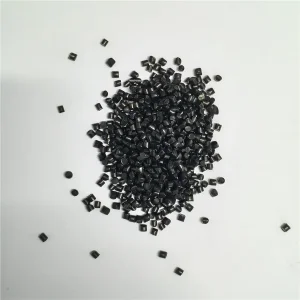
For black masterbatch applications, specialized high-surface-area P-type carbon black acts as a physical UV barrier, absorbing the full solar spectrum while neutralizing free radicals.
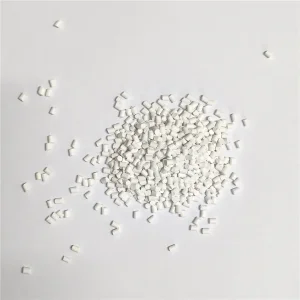
White PE masterbatches utilize rutile TiO₂ coated with alumina and silica to reflect UV photons, maximizing opacity while preventing photocatalytic degradation of the PE matrix.
| Masterbatch Grade | Pigment Loading (%) | UV Package Composition | MFI (190°C / 2.16kg) | Outdoor Lifespan Target | Primary Industrial Application |
|---|---|---|---|---|---|
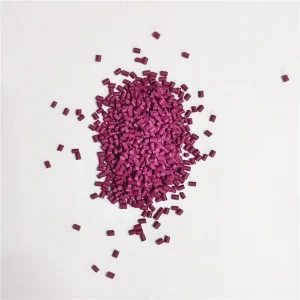
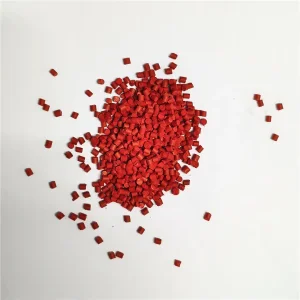
| PE Rose Red / Red | 40% - 50% High-Purity Organic | HALS 944 + UV-326 Synergistic Blend | 12 - 25 g/10min | 1,500 - 3,000 Hours QUV | Agronomic Film, Outdoor Containers |
| PE White Weather-Resistant | 60% - 70% Rutile TiO₂ | Inorganic Silica/Alumina Barrier | 8 - 20 g/10min | 3,000+ Hours QUV | Silo Bags, Irrigation Piping |
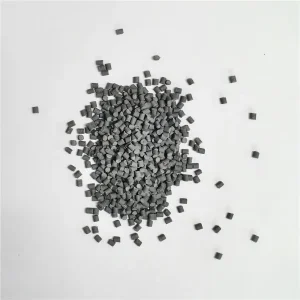
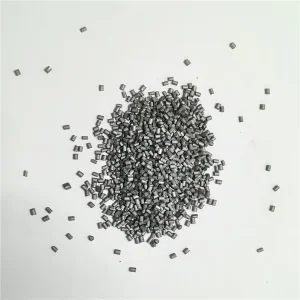
| PE Black Eco 260°C | 40% - 50% Premium Carbon Black | P-Type Carbon Black Particle Screening | 5 - 18 g/10min | 5,000+ Hours Accelerated UV | Geomembranes, Industrial Cable Sheathing |
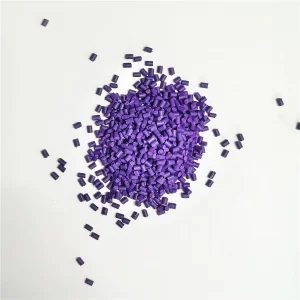
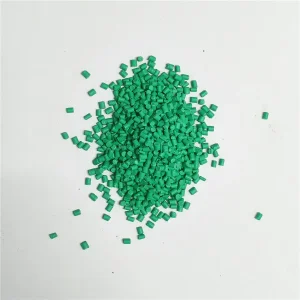
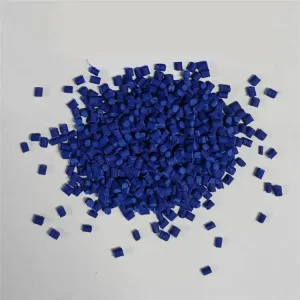
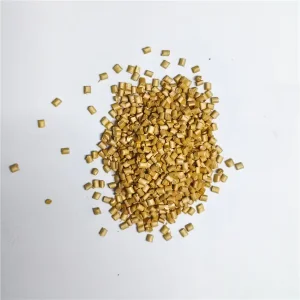
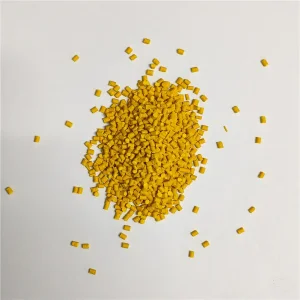
| PE Blue / Green / Yellow | 35% - 45% Organic Phthalo/Inorganic | High-Molecular Weight HALS 770 Blend | 10 - 30 g/10min | 2,000 - 4,000 Hours QUV | Extruded Nets, Stadium Seating |
How regional climate indexes drive procurement decisions for B2B plastic converter enterprises globally.
Agricultural films in high-kly radiation regions (Middle East, Southern Europe, North Africa) require severe pesticide-resistant HALS formulations. Agrochemicals containing sulfur and chlorine can deactivate basic light stabilizers; our custom Anti-UV masterbatches utilize NOR-HALS additives to prevent premature film degradation under heavy chemical spraying environments.
Flexible Intermediate Bulk Containers (FIBC) stored outdoors in ports and logistics yards endure stress cracking if UV stabilization fails. By introducing high-dispersion Anti-UV PE masterbatch into PP/PE tape extrusion lines, tensile strength retention remains above 80% after 2,000 hours of continuous sunshine.
HDPE lining membranes for water reservoirs, mining tailings, and landfills require minimum 20-year to 50-year outdoor performance guarantees. Our PE Black Masterbatch engineered with high-loading fine-particle carbon black guarantees optimal Thermal Oxidative Induction Time (OIT) exceeding ASTM D3895 standard requirements.
How Changzhou Jiazhou Plastic Products Co., Ltd. ensures zero agglomeration and batch-to-batch color stability.
Using an incompatible carrier resin results in melt fracture, fish eyes, and poor additive dispersion. Jiazhou selects virgin LLDPE/HDPE carrier resins with high Melt Flow Index (MFI) tailored to match the end-user's host resin (film grade vs injection grade).
Our 6,000 m² factory utilizes high L/D ratio twin-screw extruders equipped with specialized kneading blocks. This generates high shear rates that de-agglomerate pigment particles down to sub-micron scales, ensuring 100% homogenous light stabilizer dispersion.
Every production batch undergoes strict quality control. Spectrophotometers measure ΔE color tolerance (held strictly below ΔE 0.8), while accelerated QUV weatherometers test sample specimens under intense UV-A 340nm radiation to guarantee weatherability specs.
Navigating complex international environmental mandates while enhancing recycled plastic feedstocks.
All Anti-UV PE masterbatch formulations produced by Jiazhou are 100% heavy-metal-free, compliant with EU RoHS Directives (EU) 2015/863 and REACH SVHC candidate lists. Safe for consumer packaging, toys (EN 71-3 standard), and household products.
Recycled polyethylene resins lose intrinsic thermal and photo-stability during previous heat histories. Integrating Jiazhou Anti-UV Masterbatch during PCR compounding restores degraded mechanical properties, extending the operational life of recycled plastic products.
Send us your target Pantone reference, RAL code, or physical plastic sample. Our optical color-matching engineers formulate precise pigment-to-UV stabilizer recipes within 48 hours, supported by technical engineers available for trial extrusion runs.
Select from our comprehensive list of high-concentration color and filler masterbatches ready for export.
Clear, authoritative answers addressing engineering intent, let-down ratios, chemical compatibility, and order logistics.
Standard recommended dosage ranges between 1.5% and 4% depending on end-product wall thickness, geographic solar exposure (kly rating), and expected outdoor operational life. For thin agricultural blown films (20–50 microns), a 3% to 4% addition rate is recommended; for thick injection-molded crates or pipe fittings, 1.5% to 2.5% provides optimal UV protection and vibrant coloration.
Universal carriers (such as EVA or lower-grade SAN) can compromise mechanical properties, reduce impact strength, and cause haze or delamination in PE film extrusion. A dedicated PE carrier (LLDPE/HDPE) ensures 100% thermodynamic compatibility, smooth interfacial melting, zero migration, and uniform additive dispersion throughout the host polyethylene matrix.
Cost optimization is achieved through direct factory-direct bulk raw material procurement, fully automated twin-screw processing lines in our Changzhou plant, high pigment loading density (reducing carrier resin overhead), and optimized supply chain logistics. We pass these operational efficiency savings directly to industrial buyers.
Yes. Our specialized thermal-stable masterbatches (such as PE Black Eco 260°C and PE Red/Rose Red Series) utilize high-molecular-weight organic/inorganic pigments and non-volatile HALS stabilizers that maintain thermal integrity during high-temperature cast film extrusion or injection molding up to 260°C without gas breakdown or discoloration.
Our products are tested according to ISO 4892-3 (Accelerated Xenon Arc / QUV Exposure Testing) and ASTM G154 standards. Depending on the custom additive formulation, samples maintain over 80% tensile strength and a Delta E color variance below 2.0 after 1,500 to 5,000 continuous hours of exposure.
Standard basic HALS light stabilizers react with acidic sulfur and chlorine compounds used in greenhouse pesticides, deactivating the light stabilization system. Changzhou Jiazhou formulates agricultural masterbatches using specialized non-basic NOR-HALS additives that resist acid neutralization, maintaining UV protection even under intense chemical exposure.
Our typical manufacturing and shipment lead time is 15 business days from order confirmation. Standard MOQ starts at 1,000 kg (1 metric ton) for standard color formulations, and sample trial orders (25kg bags) are available upon request for lab testing and machine trial runs.
Optimize your plastic product durability, eliminate color migration issues, and lower masterbatch procurement costs with Changzhou Jiazhou Plastic Products Co., Ltd.