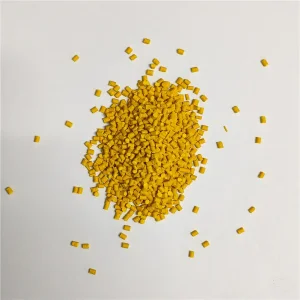
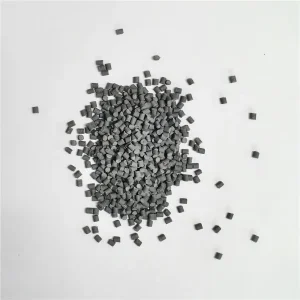
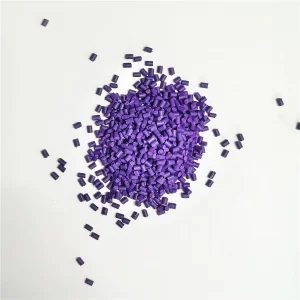
Explore our factory-direct, highly concentrated masterbatches optimized for blown film extrusion, injection molding, and intense environmental durability.
Modern protected agriculture relies heavily on polyethylene (PE) greenhouse films to regulate microclimates, optimize photosynthetically active radiation (PAR), and protect high-value crops from adverse weather. As agricultural technology advances globally, film extruders face a compounding challenge: maintaining thermal insulation and light diffusion while ensuring the plastic film survives prolonged exposure to high-intensity solar radiation, elevated ambient temperatures, and corrosive agrochemical sprays (sulfur and chlorine derivatives).
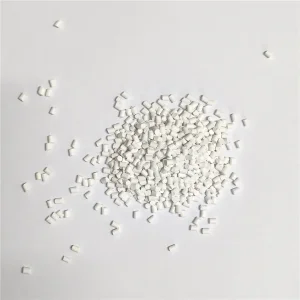
At the epicenter of this solution is the specialized Cheap Greenhouse Film Weather Resistant White Masterbatch. Manufactured via advanced continuous compounding technology, this specialized additive concentrates high-purity Rutile Titanium Dioxide (TiO₂) encapsulated within pristine Low-Density Polyethylene (LDPE) or Linear Low-Density Polyethylene (LLDPE) carriers, stabilized by synergistic Hindered Amine Light Stabilizer (HALS) packages.
Globally, the demand for high-durability white masterbatch in agricultural applications is surging across Latin America, the Mediterranean Basin, the Middle East, and Southeast Asia. Film extruders demand cost-effective masterbatch options that do not compromise melt strength, cause filter blinding during blown film processing, or suffer from premature yellowing and photo-oxidation. Sourcing directly from an established China factory provides international buyers with an optimal cost-to-performance ratio, leveraging scale efficiencies and chemical raw material supply integrations.
The structural performance of greenhouse film white masterbatch is governed by two fundamental factors: pigment quality and dispersion homogeneity. Substandard white masterbatches often utilize low-grade Anatase TiO₂ or un-passivated surface pigments that accelerate photocatalytic degradation of the host polyethylene polymer matrix under UV light.
In weather-resistant formulations, chloride-process Rutile TiO₂ is exclusively used. Rutile crystals exhibit a higher refractive index (2.73) compared to Anatase (2.55), delivering superior opacifying power and UV scattering capability. Furthermore, raw Rutile TiO₂ particles undergo multi-layer surface treatment featuring dense Silica (SiO₂) and Alumina (Al₂O₃) inorganic coatings, followed by organophilic surface modification. This dual coating passivates the active radical sites on the TiO₂ surface, preventing free-radical photo-oxidation when exposed to solar UV-A and UV-B radiation (290nm - 400nm).
| Parameter / Metric | Standard White Masterbatch | Weather Resistant Greenhouse Grade | Factory QC Standard (Jiazhou) |
|---|---|---|---|
| TiO₂ Crystal Structure | Anatase or Mixed Grade | Chloride Process Rutile 100% | Chloride Rutile (Passivated) |
| TiO₂ Concentration (%) | 30% - 50% | 60% - 70% | 60% / 70% (Customizable) |
| Surface Passivation | Minimal Alumina Coating | Dense Silica-Alumina + Organic | Dual Inorganic SiO₂/Al₂O₃ Coating |
| Melt Flow Index (MFI) | Uncontrolled (5 - 15 g/10min) | Matched to Matrix (2.0 - 8.0 g/10min) | Strict Batch-to-Batch Tolerance ±0.5 |
| Filter Pressure Value (FPV) | > 2.5 bar/g | < 0.8 bar/g | < 0.5 bar/g (Ultra-Fine Dispersion) |
| UV Stabilizer Synergy | None / Optional Additive | HALS 944 / 622 Integrated | Custom HALS + UV-Absorber Blends |
Achieving flawless pigment dispersion requires extreme shear control during compounding. Un-dispersed pigment agglomerates act as stress concentration points in micro-thin blown films (typically 40 to 200 microns thick), causing bubble instability, pinholes, low tear resistance, and film ruptures under wind pressure. Our production facility utilizes continuous co-rotating twin-screw extruders featuring length-to-diameter (L/D) ratios of 48:1 or 52:1, equipped with specialized kneading blocks and vacuum degassing ports. This process ensures complete pigment wetting, breaking down agglomerates to sub-micron particle sizes (< 0.5 µm), resulting in exceptional Filter Pressure Values (FPV < 0.5 bar/g).
Global B2B procurement managers often face a trade-off between price and chemical reliability. Sourcing white masterbatch from specialized Chinese manufacturers like Changzhou Jiazhou Plastic Products Co., Ltd. resolves this tension by leveraging structural industrial cluster advantages in Jiangsu Province.
Direct long-term supply agreements with tier-one chloride TiO₂ producers and polyolefin resin manufacturers ensure minimal raw material cost volatility and stable chemical purity across massive annual compounding volumes.
Equipped with gravimetric multi-component dosing systems, optical pellet sorters, and inline melt viscosity monitoring, our factory minimizes labor-intensive overhead while maintaining absolute color batch consistency.
Located near Shanghai and Ningbo deep-water ports, our production base enables streamlined containerized export shipping with accelerated 15-day production lead times for standard masterbatch specifications.
By combining scale economics with 16 years of polymer formulation expertise, Changzhou Jiazhou delivers Cheap Greenhouse Film Weather Resistant White Masterbatch solutions that yield a 20% to 35% overall procurement cost savings for overseas ag-film extruders compared to Western European alternatives, without forfeiting quality or weatherability benchmarks.
Greenhouse film specifications vary drastically across different geographical microclimates. Formulation customizability ensures that masterbatches withstand regional environmental stressors while controlling film thermicity and light diffusion.
Environmental Challenge: Extreme UV radiation (>180 kLy/year), ambient temperatures exceeding 45°C, and severe desert sand abrasion.
Masterbatch Formulation: 70% Rutile TiO₂ loaded with high molecular weight HALS 944 and nickel quencher additives to suppress photo-thermal oxidation and maintain mechanical film elongation over 36 months.
Environmental Challenge: Intensive agricultural spraying using elemental sulfur burners and organophosphate insecticides that acidic-deactivate standard HALS stabilizers.
Masterbatch Formulation: De-activated surface TiO₂ combined with NOR-HALS (amino-ether light stabilizers) that exhibit chemical resistance against sulfur/chlorine accumulation up to 3000 ppm.
Environmental Challenge: High day-to-night temperature fluctuations, intense UV-B exposure at high elevations, and extreme frost conditions.
Masterbatch Formulation: White-translucent light-diffusing formulation engineered to scatter direct sunlight (preventing crop scorch) while reflecting infrared (IR) radiation back into the greenhouse to preserve nocturnal heat.
When evaluating masterbatch suppliers for multi-year agricultural film contracts, procurement officers must conduct thorough technical audits. Relying solely on price per kilogram often leads to hidden costs caused by film degradation, line stoppages, and customer warranty claims.
The plastic additive industry is shifting toward multi-functional, eco-efficient formulations that integrate multiple performance traits into a single masterbatch pellet, reducing dosing complexity for plastic extruders.
Next-generation masterbatches combine high Rutile TiO₂ loading with Anti-Fog (AF), Anti-Drip (AD), and NIR-reflecting additives, eliminating the need for complex multi-feeder dosing setups during blown film production.
Driven by modern sustainability mandates, research is accelerating toward carrier polymers made from bio-based polyethylene or post-consumer recycled resins (PCR) without compromising tensile film strength.
Advanced nanometer surface engineering allows ultra-fine pigment particles to disperse evenly at high concentrations, maximizing opacity at lower film gauges and reducing overall plastic usage per acre.
A: Recommended let-down ratios typically range from 2% to 6% depending on film thickness (microns), desired opacity, and local UV radiation intensity. For standard 150-micron multi-season greenhouse film, a 4% addition rate of 60% Rutile TiO₂ white masterbatch provides an optimal balance of solar opacity and cost-efficiency.
A: Unpassivated TiO₂ can generate reactive oxygen species under sunlight, accelerating the breakdown of light stabilizers. However, our specialized weather-resistant white masterbatch uses passivated Rutile TiO₂ coated with dense silica-alumina. This design passivates photocatalytic activity, working synergistically with HALS to extend film outdoor lifespan up to 3-5 years.
A: Anatase TiO₂ possesses a lower refractive index and higher photo-activity under UV irradiation, causing rapid polymer degradation and yellowing outdoors. Chloride-process Rutile features a stable crystal structure, higher opacity, and weatherability under prolonged outdoor exposure.
A: Yes. In 3-layer or 5-layer co-extrusion blown film lines, weather-resistant white masterbatch is often concentrated in the outer layer (facing the sun) to reflect solar radiation and shield inner functional layers containing expensive anti-drip additives or thermal barriers.
A: Every batch undergoes computer-controlled spectrophotometry (ΔE < 0.5), melt flow indexing (MFI testing per ASTM D1238), ash content gravimetric testing, and Filter Pressure Value checks (FPV < 0.5 bar/g) before warehouse release.
A: Stored in unopened original moisture-proof bags under cool, dry conditions away from direct sunlight, the masterbatch maintains full processing characteristics for 12 to 24 months. Pre-drying (80°C for 2 hours) is recommended if stored in high-humidity environments.
Founded in 2010, Changzhou Jiazhou Plastic Products Co., Ltd. is a leading Chinese manufacturer specializing in high-concentration PE color masterbatch, black masterbatch, white masterbatch, and functional filler masterbatches. Operating out of a modern 6,000 square meter production center in Changzhou City, Jiangsu Province, our company combines decades of polymer engineering expertise with rigorous quality management.
Housing high-shear twin-screw compounding extruders, automated underwater pelletizing systems, and precision color-matching equipment, our facilities output over 30,000 metric tons of masterbatch annually. Our workforce of 50+ polymer specialists ensures fast turnarounds and consistent technical standards.
Serving B2B buyers across 100+ countries and regions, our masterbatch products meet global regulatory frameworks including ISO 9001, ISO 14001, RoHS, REACH, and non-toxic packaging guidelines. We provide tailored custom masterbatch development and color matching based on Pantone references.
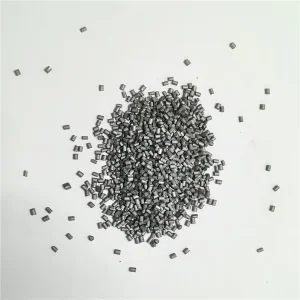
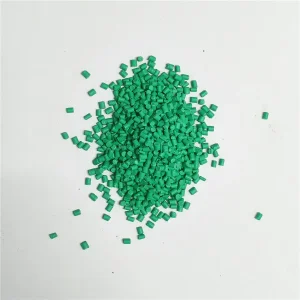
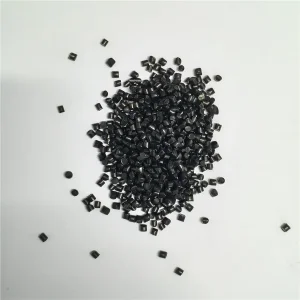
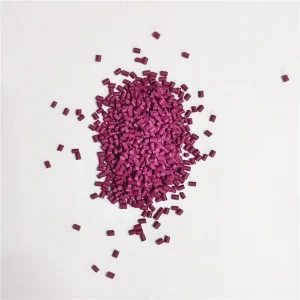
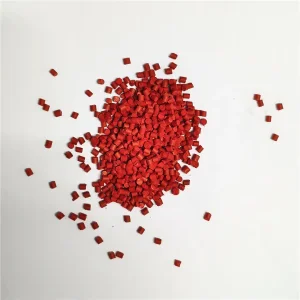
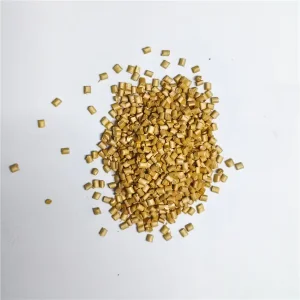
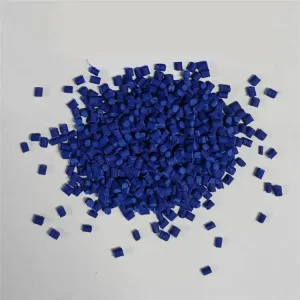
Select from our range of high-concentration color and functional masterbatches designed for agricultural film extrusion, pipe manufacturing, and injection molding.