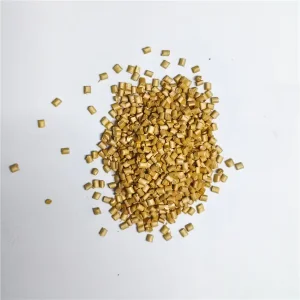
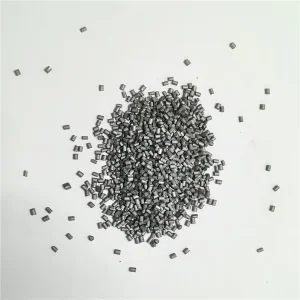
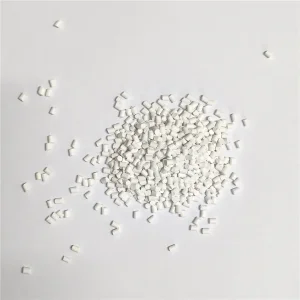
Engineered for ultra-low gloss, non-blooming matte surfaces, and vibrant color dispersion across blown films, sheets, and injection-molded components.
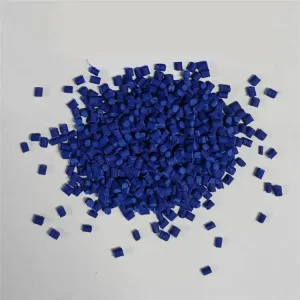
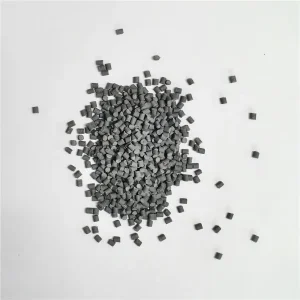
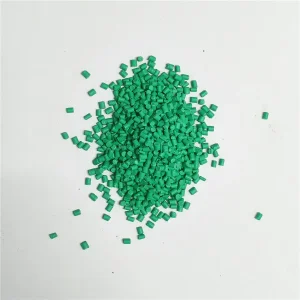
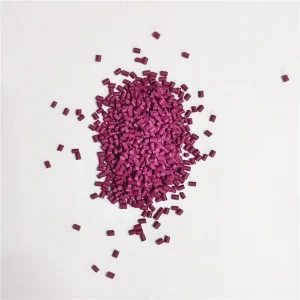
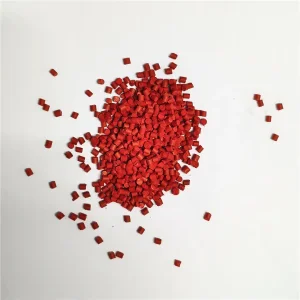
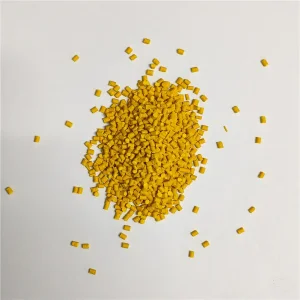
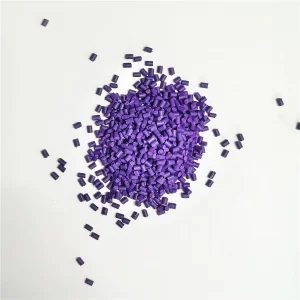
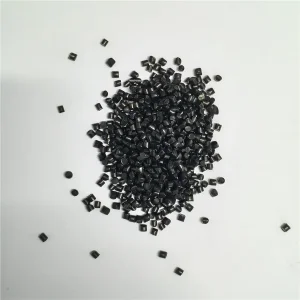
In the global polymer processing ecosystem, achieving an exquisite, silky, non-reflective surface finish on Polyethylene (PE) substrates—ranging from Low-Density Polyethylene (LDPE) and Linear Low-Density Polyethylene (LLDPE) to High-Density Polyethylene (HDPE)—has transitioned from a high-end luxury requirement to a baseline consumer standard. Matte Extinction PE Masterbatch serves as the core functional additive enabling plastic convertors to eliminate specular glare, enhance tactile softness, and impart a premium "paper-like" touch to flexible packaging, industrial films, and blow-molded containers.
Searching for cheap matte extinction PE masterbatch factories & suppliers often leads procurement directors to a critical crossroads: balancing raw material cost efficiency with rigorous rheological and optical requirements. "Cheap" in sophisticated engineering contexts does not signify compromised quality; rather, it reflects localized raw material synthesis advantages, ultra-efficient twin-screw compounding topologies, and direct-from-factory logistics chains established within major Chinese manufacturing hubs like Changzhou, Jiangsu.
Formulating an industrial-grade matte extinction masterbatch requires rigorous melt-flow indexing (MFI) alignment between the functional carrier resin and the target polymer substrate. If the viscosity differential between the masterbatch matrix and the primary LLDPE melt stream is too high, poor dispersion occurs, leading to unsightly "fish-eyes", pinholes, and uneven gloss streaking across the blown film bubble.
Leading Chinese masterbatch manufacturers utilize co-rotating twin-screw extruders equipped with high L/D (Length/Diameter) ratios (typically 44:1 to 48:1) and multi-stage side-feeders. This ensures that delicate inorganic matting agents—such as precipitated silica, treated talc, or synthetic silicate micro-spheres—are uniformly wetted and dispersed without suffering excessive mechanical shear breakdown, which could destroy their light-diffusing porosity.
| Technical Parameter | Standard Extinction Grade | Ultra-Fine Film Extinction Grade | Test Standard |
|---|---|---|---|
| Carrier Resin Type | LLDPE / LDPE Melt Blend | High MFI Metallocene LLDPE | Internal Rheology Spec |
| Active Matting Content (%) | 30% ± 2% Precipitated Silica | 35% ± 1.5% Synthetic Silicate | ISO 3451-1 (Ash Content) |
| Average Particle Size ($d_{50}$) | 4.5 – 6.5 µm | 2.0 – 3.8 µm | Laser Diffraction (ISO 13320) |
| Melt Flow Index (190°C/2.16kg) | 8.0 – 15.0 g/10 min | 18.0 – 25.0 g/10 min | ASTM D1238 |
| Volatile Matter (%) | ≤ 0.10% | ≤ 0.05% | ASTM D6980 |
| Filter Pressure Value (FPV) | ≤ 1.5 bar/g | ≤ 0.8 bar/g | EN 13900-5 (14 µm mesh) |
China's chemical synthesis and polymer compounding industry offers unmatched cost structural advantages, rapid custom matching, and robust quality management systems.
Direct proximity to major domestic silica refiners and PE petrochemical complexes allows Chinese suppliers to secure high-purity inorganic fillers and polyolefin carrier resins at wholesale cost structures unattainable in Western markets.
State-of-the-art continuous compounding lines equipped with melt-pump technology ensure narrow particle size distribution, zero agglomeration, and superior batch-to-batch color stability across multi-ton production runs.
Every production lot undergoes rigorous laboratory verification, including glossmeter evaluation at 20°/60°/85°, moisture analysis, heat resistance testing up to 260°C, and FPV screen pack filtration testing.
Formulations comply fully with EU RoHS 2.0, REACH SVHC, US FDA 21 CFR 177.1520 for food packaging contact, and heavy metal-free certification, ensuring seamless clearance for international markets.
In-house optical labs can quickly match customer target gloss specifications (from soft-touch semi-matte to extreme dead-matte finishes) within 3–5 working days, expediting product development cycles.
Supplied in moisture-proof aluminum foil laminated 25kg bags or 1000kg jumbo bulk bags with vacuum sealing, guaranteeing 12-month shelf life without moisture absorption during ocean transport.
PE Matte Extinction Masterbatches are implemented across a broad spectrum of industrial convertors. Depending on the processing technique—blown film extrusion, cast film co-extrusion, sheet extrusion, or blow molding—the addition rate of the masterbatch typically ranges from 3% to 12% by weight.
In modern flexible packaging, matte finish PE films are co-extruded as the outer layer of multi-layer laminates (e.g., PET/Matte-PE or OPP/Matte-PE). This provides a tactile "paper-feel" soft texture while shielding packaged goods (such as coffee beans, premium snacks, and pet food) from intense ambient light reflections on supermarket shelves.
High-end agricultural mulch films and greenhouse covers incorporate specialized weather-resistant matte PE masterbatch. By scattering direct solar radiation into diffuse light, matte agricultural films prevent localized leaf scalding, foster uniform photosynthesis inside greenhouses, and resist breakdown caused by prolonged UV exposure.
Luxury express delivery bags, clothing bags, and sanitary back-sheet films require non-glare, non-slippery surface properties. Matte extinction masterbatch enhances the surface friction coefficient slightly while delivering a clean, matte white or colored aesthetic that facilitates high-speed barcode scanning and flexographic printing adhesion.
In electronics manufacturing, matte PE surface protection films prevent optical interference during automated vision system inspection of optical displays, printed circuit boards (PCBs), and polished stainless steel appliances.
When overseas procurement teams issue RFQs for cheap matte PE masterbatch, evaluating supplier proposals purely based on initial price per kilogram ($/kg) frequently leads to unintended operational expenses. A comprehensive Total Cost of Ownership (TCO) evaluation must encompass processing performance, let-down ratios (LDR), machine downtime, and waste generation.
High-grade matte masterbatches manufactured by Changzhou Jiazhou Plastic Products Co., Ltd. utilize micro-dispersed synthetic silicates that prevent screen pack clogging. Lower-grade "cheap" masterbatches containing unrefined natural ground calcium carbonate ($CaCO_3$) or poorly dispersed silica cause rapid pressure build-up at the extruder breaker plate, forcing frequent filter changes and increasing energy consumption.
The masterbatch industry is currently undergoing a rapid transformation driven by strict circular economy directives, carbon footprint reduction goals, and the rise of monomaterial recyclable packaging structures.
Traditionally, matte finishes were achieved by laminating dissimilar polymers (such as BOPP or BOPA) onto PE substrates. Modern packaging regulations heavily favor 100% recyclable mono-PE structures. High-efficiency Matte Extinction PE Masterbatches allow film converters to produce 100% PE flexible pouches that deliver a luxurious matte visual texture while remaining completely compatible with standard PE recycling streams (RIC 4 LDPE).
As film down-gauging accelerates to reduce virgin resin consumption, matting agents must feature smaller, highly uniform sub-micron particle distributions. Next-generation matting masterbatches incorporate nano-engineered porous silica that achieves soft-touch matte aesthetics in ultra-thin agricultural and packaging films without inducing micro-tears or pinhole defects.
Leading Chinese compounding facilities are developing matte masterbatches formulated with sugarcane-derived Bio-LDPE or Post-Consumer Recycled (PCR) polyolefin carriers. These sustainable solutions enable multinational consumer packaged goods (CPG) brands to lower Scope 3 greenhouse gas emissions without sacrificing surface visual elegance.
Expert answers regarding processing parameters, addition ratios, compliance standards, and order logistics for PE matte masterbatch.
For standard blown film applications, an addition ratio of 4% to 8% by weight is recommended. For extreme dead-matte optical finishes (gloss <8 GU at 60°), dosage can be increased to 10%–12%. When co-extruding multi-layer film structures, adding the masterbatch exclusively to the outer skin layer (15–20% layer thickness) optimizes cost efficiency.
When processed within recommended dosing parameters (under 10%), high-quality masterbatches using finely dispersed synthetic silica maintain excellent heat-seal strength and hot-tack performance. If matte masterbatch is incorporated into the inner sealing layer, slight adjustments in sealing temperature (+5°C to +10°C) may be required.
Direct procurement from qualified Chinese manufacturers typically yields 25% to 40% cost savings. This price advantage stems from integrated domestic mineral synthesis, lower utility/infrastructure overhead, and large-scale continuous twin-screw extrusion capacity, while matching Western specs for MFI, optical haze, and food-contact compliance.
Yes. Matte PE masterbatches are fully compatible with PE-based organic and inorganic color masterbatches (such as white, black, grey, blue, green, red). Combining a matte additive with color masterbatch produces a vibrant, non-glare, pastel or solid matte surface aesthetic widely used in cosmetic tubes and boutique carrier bags.
We evaluate quality using 60° micro-glossmeters according to ASTM D523 / ISO 2813. Additionally, Filter Pressure Value (FPV) testing under EN 13900-5 measures screen clogging behavior, while Karl Fischer titration verifies moisture content below 0.05% to eliminate moisture bubble defects during high-temperature extrusion.
When stored in original unopened, vacuum-sealed moisture-proof packaging in a cool, dry warehouse away from direct sunlight, the shelf life is at least 12 months. If opened, bags should be tightly re-sealed. Pre-drying at 80°C for 2 hours is recommended if stored in high-humidity environments for extended periods.
High-concentration, eco-friendly formulations custom-matched for injection molding, film blowing, and extrusion pipelines.