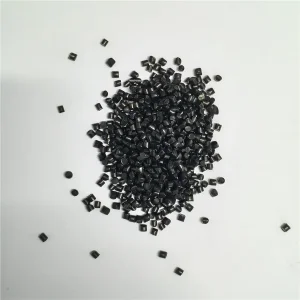
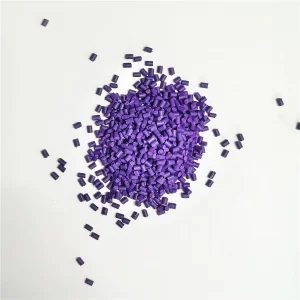
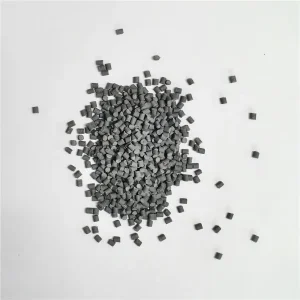
High-concentration formulations optimized for melt flow index matching, filterability (DFV < 0.2 bar/g), thermal stability up to 260°C, and seamless fiber spinning.
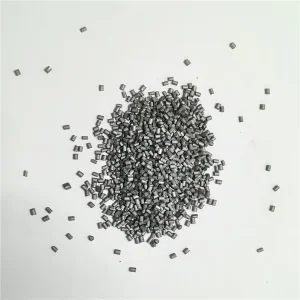
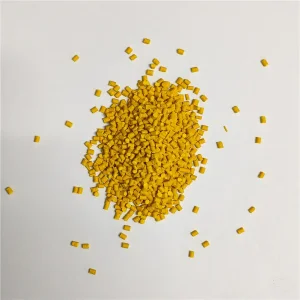
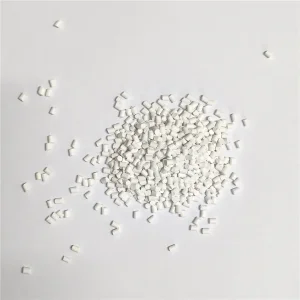
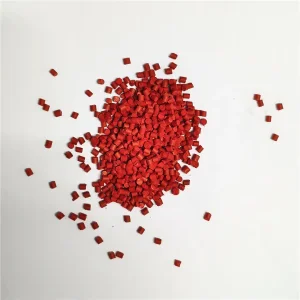
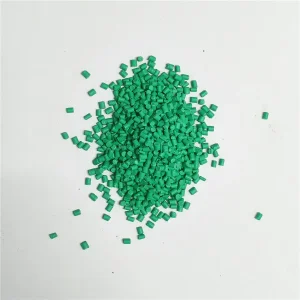
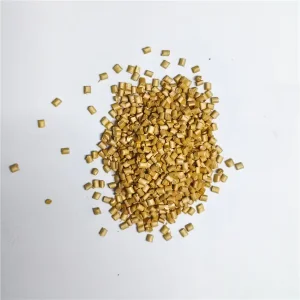
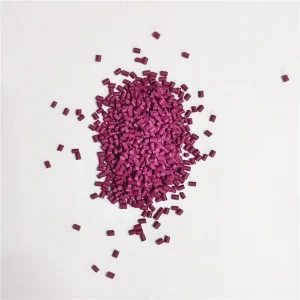
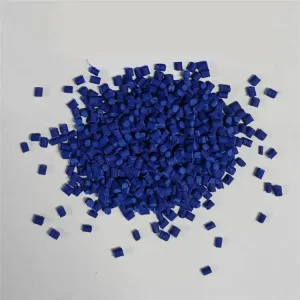
Empowering global non-woven textile manufacturers with high-load pigment integration, ultra-low spinneret pressure build-up, and substantial cost reduction.
The global synthetic fiber and non-woven fabric industry is undergoing a profound structural transition. As Polyethylene (PE) non-woven fabrics—including spunbond (S), meltblown (M), spunbond-meltblown-spunbond (SMS) composites, and PE film lamination products—expand rapidly across medical, hygiene, agricultural, civil engineering, and protective apparel sectors, the industrial demand for specialized non-woven fabric PE masterbatches has escalated dramatically. For procurement directors, polymer engineers, and factory operations leads, securing a high-performing yet cost-effective ("cheap") PE color masterbatch supplier is paramount to retaining market competitiveness.
However, in fine-denier fiber extrusion, the term "cheap" must never imply low quality. Fiber spinning represents one of the most demanding polymer conversion processes. Unlike thick-walled injection molding or blown film production, non-woven fiber spinning forces molten polymers through spinnerets containing thousands of micro-holes with diameters as fine as 0.15 mm to 0.6 mm. Any un-dispersed pigment agglomerate, thermal degradation byproduct, or raw mineral impurity exceeding a few microns will immediately cause pressure spikes behind the spin pack, filter blinding, threadline breakage (filament snapping), and catastrophic production downtime. Therefore, a truly economic non-woven fabric PE masterbatch factory must combine aggressive cost structures with ultra-precise chemical engineering.
Polyethylene-based non-wovens possess distinct physical advantages over traditional Polypropylene (PP) and Polyester (PET) fabrics. Polyethylene offers exceptional softness, superior flexibility, chemical inertness, low melting point for thermal bonding, and outstanding liquid-barrier properties. Consequently, the global market for colored and functionalized PE non-wovens has expanded into diverse commercial sectors:
To manufacture masterbatches suitable for non-woven extrusion, modern factories must control three fundamental rheological and chemical parameters:
The carrier resin of the masterbatch must exhibit flawless thermodynamic compatibility with the base PE matrix polymer (typically LLDPE or LDPE grade spunbond resin). If the carrier resin has an MFI significantly lower than the matrix polymer, the masterbatch droplets will fail to elongate and break down during melt blending, leading to streakiness and pigment agglomerates. Changzhou Jiazhou Plastic Products Co., Ltd. custom-formulates carrier resins with MFI ranging from 15 g/10min to 45 g/10min (tested at 190°C/2.16kg according to ISO 1133), ensuring instant, uniform dispersion in high-speed spinning lines.
The standard criterion evaluating masterbatch quality for fiber spinning is the Filter Pressure Value test (EN 13900-5). A test mixture containing the masterbatch is extruded through a standardized 14-micron or 25-micron screen pack over a set duration. The rate of pressure build-up ($\Delta P$) per gram of pigment is calculated:
Spunbond PE non-woven extrusion temperatures typically range from 200°C to 250°C. Low-quality organic pigments undergo thermal degradation, resulting in color shifts, gas generation (foaming), and unpleasant odors. Jiazhou masterbatches exclusively employ high-grade organic phthalocyanines, quinacridones, isoindolines, and inorganic rutile Titanium Dioxide treated with hydrophobic silane surface coatings. This yields heat resistance exceeding 260°C and non-migration properties preventing color bleeding onto skin or liquids.
| Parameter / Specification | Commodity PE Masterbatch | Jiazhou Non-Woven PE Grade | Production Impact |
|---|---|---|---|
| Carrier Polymer MFI | 2 - 8 g/10min (Standard LDPE) | 15 - 45 g/10min (Specialty LLDPE) | Seamless melt blending without melt fracture |
| Pigment Particle Size | 5.0 - 15.0 microns | < 0.8 microns (Sub-micron) | Prevents spinneret hole blockage & yarn snapping |
| Filter Pressure Value (DFV) | 1.5 - 3.0 bar/g | < 0.18 - 0.25 bar/g | Extends spin pack filter life by 300% |
| Heat Resistance Rating | 200°C - 220°C | 260°C Continuous | Zero color degradation or smoke emission |
| Heavy Metal Compliance | Uncontrolled trace lead/cadmium | RoHS, REACH, FDA 21 CFR Compliant | Safe for medical gowns and infant diapers |
China has firmly established itself as the epicenter of global polymer compounding and non-woven masterbatch manufacturing. Companies like Changzhou Jiazhou Plastic Products Co., Ltd. (operating with 16+ years of manufacturing history in Jiangsu Province) leverage unique structural advantages that allow them to supply world-class products at highly competitive ("cheap") price points:
Located in the Yangtze River Delta industrial belt, Chinese masterbatch manufacturers have immediate access to world-scale domestic suppliers of LLDPE carrier resins, titanium dioxide, carbon black, and synthetic waxes. This direct raw material pipeline eliminates cross-border logistics tariffs and middleman markups, reducing baseline manufacturing costs by 15% to 25% compared to Western European or North American compounders.
Modern Chinese factories operate high-speed, co-rotating twin-screw and triple-screw extruders equipped with loss-in-weight gravimetric feeders, underwater strand pelletizers, and real-time optical particle counters. Automated processing ensures batch-to-batch color consistency ($\Delta E < 0.5$) while maximizing throughput (tons per hour), thereby diluting fixed energy and labor overheads.
Whereas European suppliers require multi-ton minimum order quantities (MOQs) and 8-week lead times for custom color matching, leading Chinese factories provide spectrophotometer-based color matching within 48 hours and deliver orders within 15 business days. This agility enables global non-woven converters to minimize working capital tied up in inventory.
Understanding the exact end-use environment is crucial for selecting the optimal PE masterbatch formulation:
In hospital environments, surgical drapes and isolation gowns require non-glare, calm blue or green hues. The PE masterbatch must incorporate anti-static additives to prevent spark hazards in oxygen-rich operating rooms and anti-blood penetration agents. Jiazhou's High-Concentration Blue PE Masterbatch delivers 100% uniform coloration without pinholes, ensuring fluid barrier integrity.
Breathable back-sheet films are produced by extruding PE filled with CaCO3 filler masterbatch and colored with low-dosage White or Soft Yellow PE masterbatch, followed by biaxial stretching. The masterbatch must exhibit absolute chemical purity, zero volatile organic compound (VOC) off-gassing, and ISO 10993 cytotoxicity compliance to prevent infant skin diaper rash.
Non-woven agricultural fleeces are exposed to intense UV degradation, high humidity, and pesticide chemicals. Specialized PE masterbatches blend light-fast pigments with Hindered Amine Light Stabilizers (HALS) and nickel quenchers, ensuring the non-woven fabric maintains 80% of its initial tensile strength after 3,000 hours of accelerated weatherometer testing.
Consumer packaging demands eye-catching aesthetic brilliance. High-concentration Red, Rose Red, Gold, Silver, and Purple PE masterbatches provide maximum chromaticity at ultra-low let-down ratios (1.0% to 2.5%), preserving the thermal bond strength during ultrasonic bag welding.
When requesting quotes and evaluating samples from cheap non-woven fabric PE masterbatch factories, global procurement officers should follow a structured 5-step technical evaluation protocol:
The masterbatch industry is rapidly advancing to meet strict global sustainability mandates and smart material requirements:
Expert technical answers to common questions regarding masterbatch selection, spinneret optimization, cost control, and factory collaboration.
Explore our full range of color and functional additives engineered for blown film, injection molding, profile extrusion, and non-woven fabric spinning.