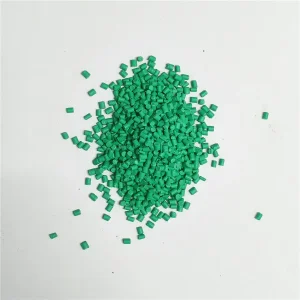
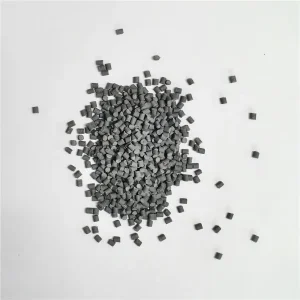
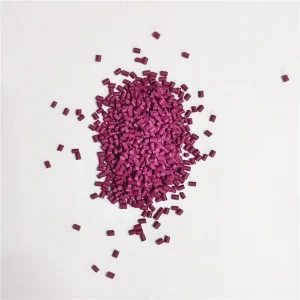
Explore our top-tier polyolefin masterbatch formulations engineered for thermal processing up to 260°C, high dispersion, and non-toxic toy manufacturing.
Understanding the economic drivers, regulatory shifts, and structural demands defining modern polyolefin foam toy manufacturing worldwide.
The global toy sector is rapidly transitioning from heavy solid PVC and low-density rubber to ultra-lightweight PE (Polyethylene) and EVA (Ethylene-Vinyl Acetate) microcellular foams. Toy manufacturers require cost-efficient masterbatch formulations that lower bulk density while maintaining structural elasticity, skin feel, and impact cushioning.
Toy-grade foaming additives must comply with rigorous international health frameworks including EU EN 71-3, REACH SVHC, US ASTM F963, and CPSIA. Masterbatch suppliers must eliminate heavy metal catalysts, volatile organic solvents, and hazardous residual decomposition byproducts like high formamide concentrations.
Navigating raw material price volatility demands sourcing from specialized direct-factory masterbatch manufacturers. By integrating highly concentrated Chemical Blowing Agents (CBA) directly with polyolefin carrier resins, processing plants achieve lower loading ratios (1.5% - 3.0%), minimizing total production costs without sacrificing foam quality.
Procuring "cheap" PE foaming masterbatch does not mean compromising chemical purity or technical performance. True cost optimization lies in compounding efficiency—leveraging twin-screw dispersion technologies that ensure uniform cell nucleation, allowing toy extruders to reduce polymer usage by up to 35% by volume.
A deep dive into blowing agent kinetics, cell nucleation mechanics, carrier resin compatibility, and heat stability up to 260°C.
PE toy foaming masterbatches typically employ modified Azodicarbonamide (ADC) as an exothermic blowing agent, often blended with endothermic nucleating agents (e.g., sodium bicarbonate and citric acid derivatives).
During melt extrusion or injection molding, controlled thermal decomposition yields gas species ($N_2, CO, CO_2$) that dissolve into the PE melt phase. Key engineering controls include matching the masterbatch decomposition temperature ($150^\circ\text{C} - 210^\circ\text{C}$) to the melt rheology of the carrier resin, avoiding early off-gassing in the feed throat or skin rupture at the die exit.
The carrier matrix must feature a high Melt Flow Index (MFI) compatible with LDPE, LLDPE, or EVA foam base materials.
Changzhou Jiazhou Plastic Products Co., Ltd. utilizes specially modified low-density polyolefin carriers with optimized strain-hardening capabilities. This prevents cell coalescence—ensuring millions of microscopic, uniform closed-cell structures per cubic centimeter. The result is a smooth, velvety surface finish highly prized in soft-touch children's play equipment and interactive educational toys.
| Blowing Agent Chemistry | Decomposition Temp Range | Gas Yield (ml/g) | Cell Structure Type | Primary Toy Application Scenarios |
|---|---|---|---|---|
| Modified Exothermic (ADC-Based) | 160°C - 210°C | 180 - 220 | Ultra-fine Closed Cell | High-resilience foam mats, squeeze toys, structural blocks |
| Endothermic Organic Blends | 140°C - 190°C | 110 - 140 | Microcellular Uniform | Sensory toys, safe bath toys, precision molded figures |
| Hybrid Exothermic/Endothermic | 150°C - 200°C | 150 - 190 | Controlled Bimodal Cell | Water pool noodles, protective sports pads, play handles |
With 16 years of continuous engineering innovation, our manufacturing facility delivers world-class color and performance masterbatches globally.
Pioneering eco-friendly polyolefin additive systems aligned with global carbon reduction goals and non-toxic consumer safety requirements.
Strict European health regulations target residual formamide in EVA/PE foam toys. Next-generation masterbatch factories deploy secondary purification and low-temp kickers to keep formamide emissions well below strict legal limits, safeguarding child health.
To support circular plastic initiatives, R&D teams are integrating sugarcane-derived bio-based PE carriers with non-toxic chemical blowing agents, reducing carbon footprint while offering 100% recyclability in polyolefin recycling streams.
Conventional foaming agents leave unpleasant ammonia or organic sulfur odors. Advanced factory formulations utilize chemical scavengers and ultra-pure pigments to deliver odorless foam products right off the manufacturing line.
Optimized additive integration for diverse plastic transformation processes including blown film, injection molding, and continuous extrusion.
Challenge: Large surface area requires consistent thickness, zero warpage, high impact absorption, and vibrant color uniformity.
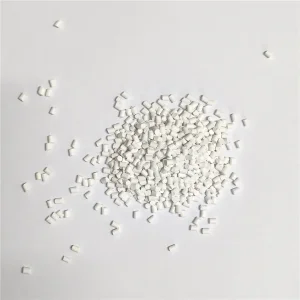
Solution: Compounding PE white or colored masterbatch with fine-particle foaming agents guarantees high expansion ratio (up to 300%) with uniform cell walls, preventing surface sink marks and providing durable cushioning.
Challenge: Direct contact with chlorinated water and outdoor UV sunlight causes fading, water absorption, and structural degradation.
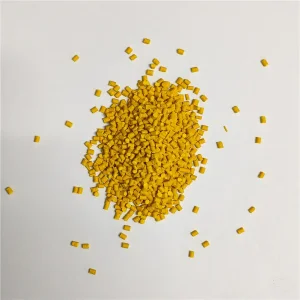
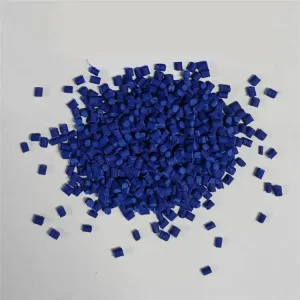
Solution: Utilizing high-concentration PE Blue, Red, or Yellow masterbatches fortified with hindered amine light stabilizers (HALS) and hydrophobic foaming agents ensures 100% closed-cell buoyancy and long-term color retention.
Challenge: Repeated manual compression requires ultra-high elasticity, tear resistance, and non-migration of pigments.
Solution: Formulations featuring anti-migration PE Rose Red, Purple, or Green masterbatch combined with elastic polyolefin modifiers deliver high rebound resilience without pigment rub-off or leaching.
Challenge: Fast continuous extrusion speeds demand consistent gas release and melt torque stability.
Solution: Factory-standardized PE masterbatch pellets guarantee stable MFI and melt strength, enabling high-speed processing without bubble breakages or die-build-up issues.
Clear, authoritative technical answers to common queries regarding PE foaming masterbatch procurement, safety, and processing.
Direct procurement from primary compounding factories like Changzhou Jiazhou Plastic Products Co., Ltd. eliminates intermediary distributor markups. More importantly, factory-direct technical customization allows for precise pigment and blowing agent loading (high concentration), reducing recommended dosage rates to 1.5%–3.0%. This directly lowers resin consumption per unit volume while maintaining cellular integrity.
Yes. Premium toy-grade masterbatches are formulated strictly without heavy metals (Lead, Cadmium, Hexavalent Chromium), phthalates, or toxic aromatic amines. They fully comply with EU EN 71-3, REACH SVHC, RoHS, and US ASTM F963 standards. Full third-party lab testing certifications (SGS/Intertek) are supplied upon request.
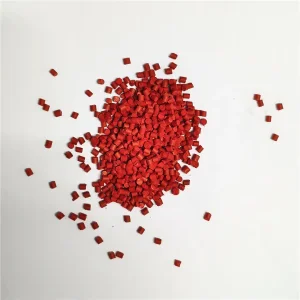
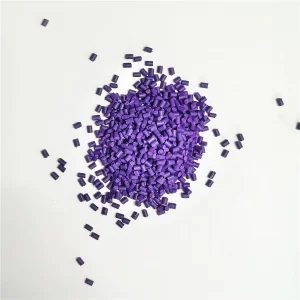
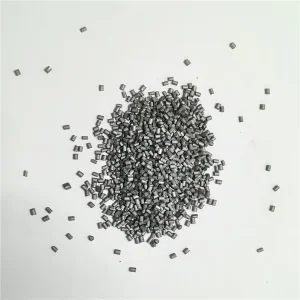
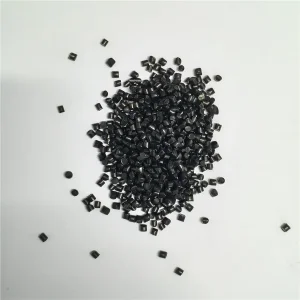
Our high-concentration PE color masterbatches (including Red, Black, Purple, and Grey formulations) feature thermal stability rated up to 260°C. This high thermal window prevents color degradation, pigment charring, or premature blowing agent decomposition during high-temperature injection molding or film blowing extrusions.
Uneven cellular growth typically results from poor masterbatch dispersion or mismatched melt viscosity. Ensure that your base resin MFI matches the PE carrier of the masterbatch. Maintaining steady barrel temperature zones and utilizing masterbatches with pre-dispersed endothermic nucleating agents creates a balanced gas release matrix, eliminating large void pockets.
Absolute. We operate dedicated color-matching laboratories equipped with spectrophotometers and twin-screw sample extruders. Clients can provide a Pantone code or physical plastic sample; our technical engineers will generate a exact-match masterbatch formulation with integrated foaming capabilities within 3–5 business days.
Select from our comprehensive inventory of color, white, black, and special effect masterbatches designed for global manufacturers.