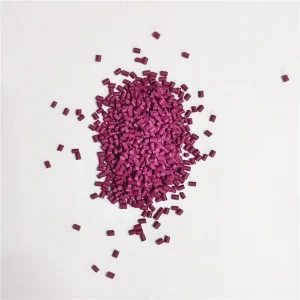
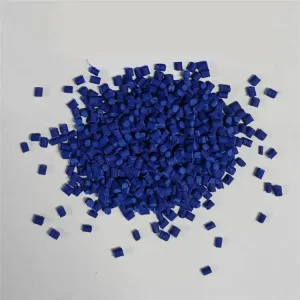
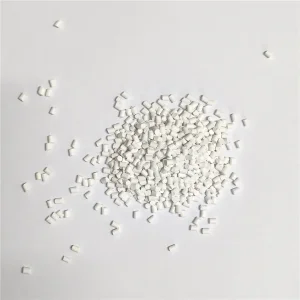
High-concentration, non-migrating, 260°C heat-resistant PE pigment solutions optimized for blown film extrusion, injection molding, and industrial blow molding.
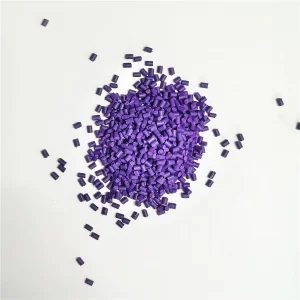
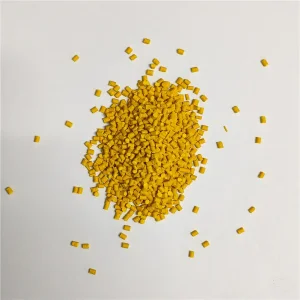
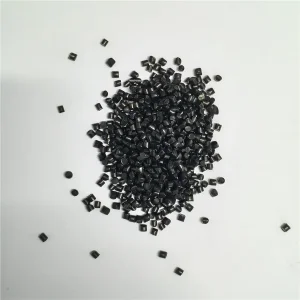
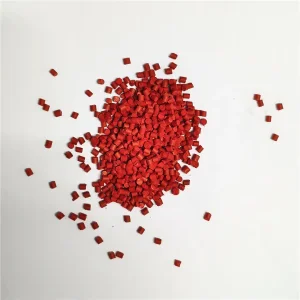
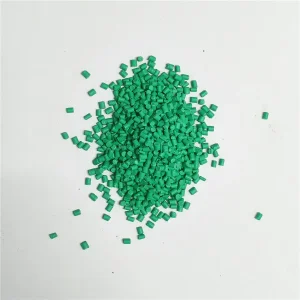
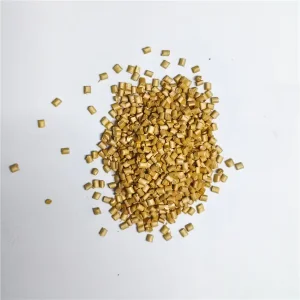
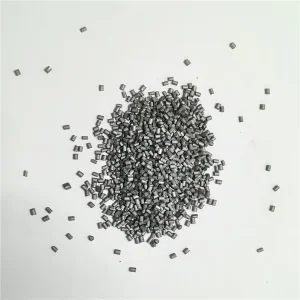
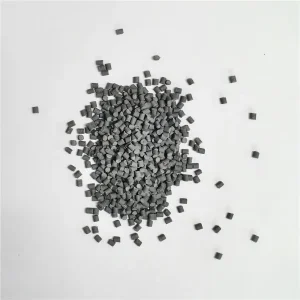
In the globalized plastics processing industry, Polyethylene (PE) remains the dominant thermoplastic polymer, powering applications across flexible packaging, agricultural films, municipal piping, consumer packaging, and automotive components. As global margins compress under energy volatility and raw resin price shifts, industrial converters face a critical procurement dilemma: securing a cheap PE pigment masterbatch while maintaining stringent structural, aesthetic, and regulatory requirements.
The term "cheap" in industrial procurement is frequently misunderstood. High-performing manufacturing entities evaluate cheapness not by the absolute cost per kilogram of raw masterbatch pellets, but by the overall Total Cost of Ownership (TCO) and the Cost-per-Unit Finished Product. A low-cost masterbatch formulated with poorly dispersed inorganic pigments or low-grade off-spec carrier resin causes filter screen clogging, increased downtime, higher scrap rates, and severe color migration. Conversely, sourcing from sophisticated China-based masterbatch factories—such as Changzhou Jiazhou Plastic Products Co., Ltd.—allows global buyers to leverage scale economies, automated twin-screw compounding technology, and direct factory pricing to achieve true cost-efficiency.
The global masterbatch market is undergoing a paradigm shift towards high-pigment-loading formulations. By maximizing organic and inorganic pigment loading (up to 70% for Titanium Dioxide White and up to 50% for Carbon Black or specialty organics) inside virgin Low-Density Polyethylene (LDPE) or Linear Low-Density Polyethylene (LLDPE) carriers, top-tier factories allow converters to down-gauge masterbatch let-down ratios (LDR) from traditional 4% down to 1%–2%. This dilution efficiency drastically lowers logistics expenses, inventory holding costs, and unit production expenditures.
Achieving optimal color homogeny during plastic extrusion, blown film processing, or injection molding requires an intimate understanding of polymer rheology, surface chemistry, and melt dynamics. When adding a PE pigment masterbatch to base resins (such as HDPE, LLDPE, or PP), three crucial technical metrics dictate performance: Melt Flow Index (MFI) Matching, Filter Pressure Value (FPV), and Pigment Particle Size Distribution.
The carrier resin inside the masterbatch must possess a Melt Flow Index slightly higher than or equal to the host resin. This ensures rapid melting and complete shear mixing under processing temperatures (180°C – 260°C), eliminating color streaks or un-melted gel specs.
Using co-rotating twin-screw extruders with high L/D ratios (40:1 or 44:1), raw pigments undergo intensive shear forces. Primary particles are broken down below 1 micron, enveloped by dispersing agents (EBS waxes, PE waxes) to prevent agglomeration.
High-grade PE color masterbatches incorporate thermal stabilizers that prevent pigment degradation, discoloration, and polymer chain scission during thermal processing in high-speed extrusion lines.
Preventing solvent and organic blooming is essential for packaging. Our advanced formulations anchor pigment molecules within the PE crystalline structure, preventing dye bleeding into packaged food or contact surfaces.
| Parameter | Testing Standard | Standard Grade Value | Premium High-Concentration Grade |
|---|---|---|---|
| Carrier Resin Type | ISO 1183 | LDPE / LLDPE / HDPE Compatible | 100% Virgin PE Matrix (MFI: 20-40 g/10min) |
| Pigment Loading Content | ISO 3451-1 | 20% - 40% Concentration | 40% - 75% High Pigment Density |
| Heat Resistance Threshold | DIN EN 12877 | 220°C - 240°C | 260°C Non-Color Degradation |
| Filter Pressure Value (FPV) | DIN EN 13900-5 | < 2.5 bar/g | < 0.8 bar/g (Ultra-Fine Blown Film Grade) |
| Lightfastness (Wool Scale) | ISO 105-B02 | Grade 5 - 6 | Grade 7 - 8 (High Outdoor UV Resistance) |
| Moisture Content | ASTM D6980 | < 0.15% | < 0.05% (Vacuum Sealed Packaging) |
The global masterbatch manufacturing landscape is divided between high-cost Western chemical multinationals and agile, technologically advanced Chinese manufacturers. For procurement directors, sourcing directly from audited Chinese masterbatch factories provides distinct cost-benefit advantages. Advanced infrastructure in industrial hubs like Changzhou, Jiangsu, combines complete raw material supply chains (titanium dioxide, carbon black, organic pigments, synthetic waxes) with streamlined export logistics via Shanghai and Ningbo ports.
When evaluating vendor credentials among cheap PE pigment masterbatch companies & factories, enterprise buyers should perform multi-tier supplier audits incorporating four critical capabilities:
Ensure the factory operates multi-stage continuous twin-screw compounding extruders equipped with gravimetric loss-in-weight feeders to guarantee consistent batch-to-batch formulation accuracy.
A reliable manufacturer must utilize Datacolor or X-Rite spectrophotometer systems under D65/TL84 light sources to verify CIELAB color tolerances (Delta E < 0.5) prior to shipment.
With annual capacities exceeding thousands of tons, factories like Changzhou Jiazhou ensure rapid lead times (typically 15 business days) to prevent stock-outs in overseas operations.
Superior vendors offer custom OEM color development within 48-72 hours based on physical target chips, Spectrometer data, or standardized Pantone/RAL color codes.
Different plastic conversion machinery imposes distinct physical and thermal stresses on masterbatch additives. A masterbatch designed for thick-wall injection molding will fail when introduced into high-speed ultra-thin blown film lines due to particle aggregation and bubble collapse. Below are the tailored engineering requirements across primary conversion sectors:
Used in T-shirt bags, courier mailing sacks, agricultural mulch film, and food packaging bags. Requires masterbatches with low FPV (< 0.8 bar/g) and sub-micron particle sizing to prevent pinholes, tears, and gauge variations during high-blow-ratio extrusion.
Utilized for housewares, storage containers, crates, caps, and closures. Demands high gloss, vibrant tint strength, and zero warp or shrinkage distortion in semi-crystalline PE parts.
Applied in HDPE agricultural irrigation pipes, municipal conduit, and corrugated tubing. High concentration black masterbatch formulated with P-type carbon black ensures long-term outdoor UV resistance.
Specified for detergent bottles, industrial drums, and chemical containers. Requires high stress-crack resistance (ESCR) and non-migration properties for hazardous liquids.
In modern international trade, low cost must never mean non-compliant. Strict regulatory frameworks across North America, the European Union, and Asia-Pacific require masterbatch formulations to adhere to stringent toxicological and environmental safety protocols.
Restricts heavy metals including Lead (Pb), Mercury (Hg), Cadmium (Cd), Hexavalent Chromium (Cr VI), PBBs, and PBDEs to under 1000 ppm, ensuring safe use in electronics and packaging.
Ensures all organic pigments and additive carriers are free from Substances of Very High Concern (SVHC) listed by the European Chemicals Agency (ECHA).
Formulated with non-toxic, non-migrating organic dyes and virgin LDPE carriers approved under 21 CFR standards for direct contact with food and pharmaceuticals.
Full traceability from raw pigment lot receiving to twin-screw extrusion compounding, pellet screening, optical sorting, and final bag packaging.
As circular economy mandates reshape plastic production worldwide, forward-thinking Masterbatch factories are investing heavily in R&D to meet new sustainability standards without inflating unit costs. Key industry technological advancements include:
Traditional carbon black absorbs NIR radiation in automated recycling sorting facilities, causing black plastics to end up in landfills. Next-gen NIR black masterbatch uses specialized organic blacks that reflect infrared light, enabling automated sorting equipment in recycling plants to separate post-consumer PE containers.
To reduce reliance on fossil-fuel polymers, advanced factories are offering masterbatches formulated with Post-Consumer Recycled (PCR) PE or bio-based Polyethylene carriers derived from sugarcane ethanol, matching virgin carrier performance while lowering carbon footprint.
Integrating nano-silica and nano-titanium dioxide allows for hyper-thin coating on pigment particles. This drastically improves tinting strength, allowing converters to cut masterbatch dosage by up to 25% while achieving identical opacity and color depth.
Explore expert solutions to technical issues commonly encountered by plastic converters during masterbatch evaluation and processing.
Select from our standard high-concentration color series or request a custom color match datasheet today.