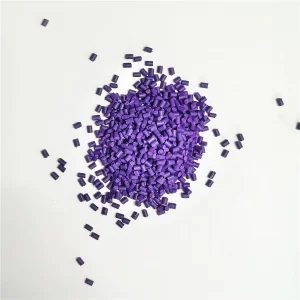
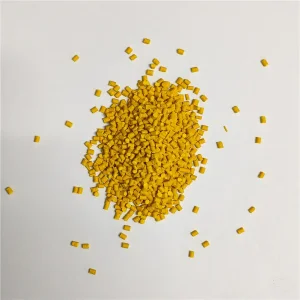
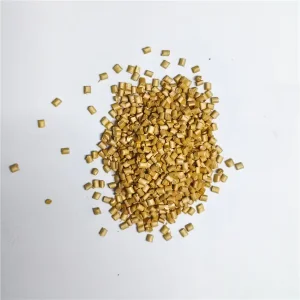
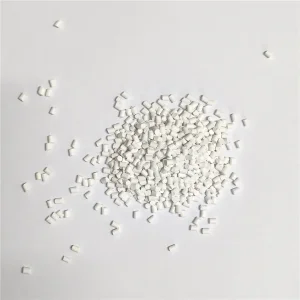
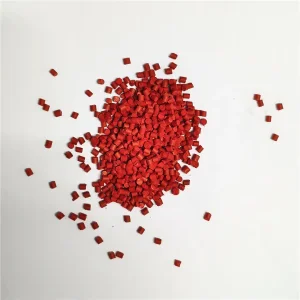
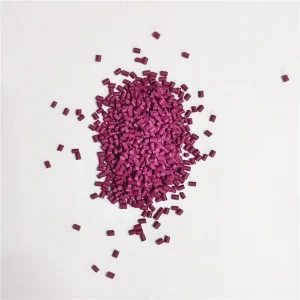
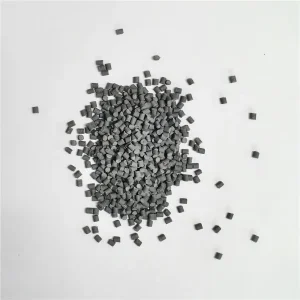
High-concentration, eco-friendly colorant formulations engineered for structural polyethylene plastic stools, industrial crates, and thin-wall applications.
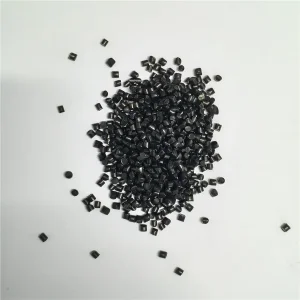
Cheap High Concentration PE Black Masterbatch Eco-friendly 260°C Heat Resistant
View Technical Specs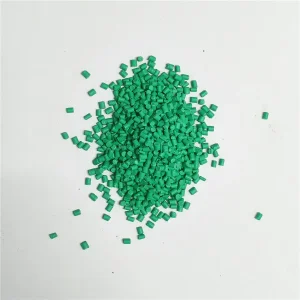
High-Quality High Concentration PE Green Masterbatch Anti-fading Heat Resistant
View Technical Specs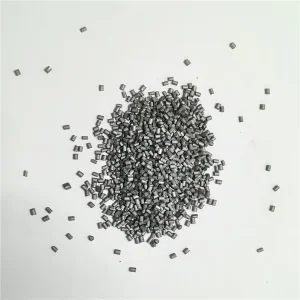
Custom High Concentration PE Silver Masterbatch Anti-fading High Weather Resistance
View Technical SpecsThe global plastic furniture market, particularly the polyethylene (PE) plastic stool segment, represents a critical intersection of low-margin volume manufacturing and high-demanding mechanical requirements. Polyethylene plastic stools—widely utilized across household environments, commercial food services, educational institutions, and outdoor public venues—require an optimized balance of structural rigidity, impact toughness, environmental stress-cracking resistance (ESCR), and aesthetic longevity.
For injection molding companies, sourcing cheap PE plastic stool masterbatch does not imply sacrificing structural integrity or tinting strength. Rather, it demands advanced polymer engineering that pairs cost-competitive inorganic/organic pigment loadings with tailored Polyethylene resin carriers (HDPE, LLDPE, or LDPE). As masterbatch manufacturers strive to supply global plastics reprocesors, optimizing masterbatch dispersion, melt flow index (MFI) matching, and thermal stability up to 260°C becomes the foundational pillar for reducing part cost while mitigating field failures such as warping, color fading, or brittle fracture under load.
PE stools suffer from high static stress. Improper pigment dispersion creates localized stress concentration nodes. High-dispersion masterbatch ensures uniform resin crystal morphology, maintaining tensile yield strength under heavy weight loads.
Thin-wall injection molding of stools requires high speed and processing temperatures upwards of 240°C–260°C. Standard cheap masterbatches gas off or turn brown; specialized PE masterbatches retain color fidelity without thermal breakdown.
By combining ultra-high pigment concentration with calcium carbonate (CaCO3) filler masterbatch optimization, injection molders reduce raw resin consumption by up to 15-25% while matching exact brand color parameters.
The international supply chain for PE masterbatches serving the daily-use plastic furniture industry is concentrated around key manufacturing centers in East Asia, notably in Changzhou, Jiangsu Province, China. Global buyers—spanning enterprise distributors in North America, high-volume molders in Southeast Asia, and infrastructure supply hubs across the Middle East and Africa—face dual pressures: aggressive unit cost competition and stringent international environmental compliance (RoHS, REACH, heavy-metal-free mandates).
Cheap masterbatch solutions historically suffered from high migration rates, chalking, uneven color shading, and structural warpage due to mismatched melt flow rates between pigment carriers and base HDPE injection resins. Today, tier-1 masterbatch manufacturers like Changzhou Jiazhou Plastic Products Co., Ltd. have modernized production utilizing continuous twin-screw extruders, computerized spectrophotometer shade matching, and surface-modified organic/inorganic pigments.
High demand for bright, highly saturated colors (reds, greens, yellows) capable of enduring tropical outdoor UV exposure without fading or chalking.
Focus on heat-resistant black and white masterbatches for outdoor industrial and residential stools requiring high thermal resistance up to 260°C.
Strict adherence to REACH and heavy-metal-free (RoHS) formulations. High demand for post-consumer recycled (PCR) compatible PE carriers.
Focus on ultra-cheap filler + color masterbatch compound combinations to maximize mold turnover while reducing overall unit manufacturing cost.
Producing a cost-optimized PE plastic stool masterbatch requires careful balancing of melt rheology, pigment chemistry, dispersion performance, and heat stability. Below is an engineering overview of the chemical and physical benchmarks maintained during high-speed injection molding of structural plastic furniture:
| Engineering Parameter | Standard Masterbatch Specifications | High-Performance Jiazhou PE Stool Grade | Impact on Stool Manufacturing |
|---|---|---|---|
| Carrier Resin Matrix | Generic Low-Grade LLDPE | Virgin HDPE / Premium LLDPE (Matched MFI) | Prevents delamination & maintains impact toughness |
| Pigment Loading Ratio | 20% - 35% Loading | 40% - 70% High-Concentration Loading | Reduces required dosing rate down to 1.0% - 2.0% |
| Thermal Stability Rating | 200°C - 220°C Limit | 260°C Continuous Heat Resistance | Eliminates color shift & gas marks in hot runner molds |
| Dispersion Index (FPV) | > 2.5 bar/g Filter Pressure | < 0.8 bar/g High Dispersion Index | Eliminates surface speckling & mechanical stress points |
| Light Fastness & UV Stability | Blue Wool Scale 4 - 5 | Blue Wool Scale 7 - 8 (HALS Enhanced) | Prevents outdoor fading & cracking under sunlight |
| Heavy Metal Compliance | Varies by regional supplier | RoHS, REACH, EN71-3 Compliant | Safe for residential, hospital, and school furniture |
When injection molding large-format PE plastic stools, pigment migration and warpage are the two primary defects encountered. Pigments with organic crystalline structures (such as Phthalocyanine Blues or Greens) can act as nucleating agents, accelerating crystallization rates in specific directions. Jiazhou's non-nucleating PE color formulations utilize customized surface coatings that neutralize directional crystallization, ensuring stools pop out of the mold perfectly flat without dimensional twist.
PE masterbatch formulations must be customized according to the exact structural design and environmental usage conditions of the final molded plastic stool.
Material Base: High-Density Polyethylene (HDPE) Melt Index 4-8.
Masterbatch Requirement: High flexural fatigue resistance, vibrant gloss finish, and non-toxic, skin-contact safe pigments.
Recommended Dosage: 1.5% to 2.0% addition rate of High-Concentration PE Color Masterbatch.
Material Base: LLDPE / HDPE Blends.
Masterbatch Requirement: UV-stabilized (HALS Hindered Amine Light Stabilizers) combined with weather-resistant anti-fading pigment chemistry.
Performance Metric: Grade 7-8 lightfastness guaranteeing 3-5 years without chalking or structural degradation.
Material Base: Recycled PE (PCR/PIR) mixed with Virgin Polymer.
Masterbatch Requirement: High-opacity PE Black or Grey Masterbatch combined with high-load Calcium Carbonate (CaCO3) filler masterbatch.
Economic Benefit: Maximum cost-per-kg reduction while reinforcing ribbing stiffness and load capacity.
Changzhou Jiazhou Plastic Products Co., Ltd. provides robust end-to-end quality assurance backed by international standard compliance systems.
Every production lot undergoes melt flow rate verification, color spectrophotometry Delta E testing (<0.5 tolerance), and ash content dispersion checks to guarantee batch-to-batch consistency.
Formulations strictly follow RoHS 2.0, REACH SVHC, Heavy-Metal-Free mandates, and FDA food-contact standards where required for household children's stools.
With 15-day standardized export lead times and dedicated OEM custom Pantone color matching within 48 hours, Jiazhou supports high-turnover molding schedules worldwide.
As the plastics industry undergoes a rapid transition toward carbon neutrality and circular economic models, PE stool masterbatch manufacturers must innovate beyond basic color delivery. The technological roadmap for polyethylene masterbatch engineering focuses on three vital pillars:
Post-Consumer Recycled (PCR) PE resins often contain impurities and mixed molecular weights that weaken stool load capacity. Next-generation masterbatches incorporate reactive compatibilizers and chain extenders into the color carrier, boosting structural strength while coloring 100% recycled scrap.
Replacing fossil-fuel derived PE carriers with sugarcane-derived bio-PE carriers allows manufacturers to offer zero-carbon-footprint colorants, helping global furniture brands meet aggressive Scope 3 emissions targets.
Incorporating Near-Infrared (NIR) reflective pigment technology into dark PE stool colorants prevents heat absorption during outdoor exposure, lowering surface temperatures by up to 15°C and reducing thermal aging.
Expert technical insights for injection molders, procurement managers, and plastics engineers.
Explore our full line of non-toxic, heat-resistant, and anti-fading PE color masterbatches tailored for international plastic converters.
High-Quality High Concentration PE Green Masterbatch Anti-fading Heat Resistant
View Technical Specs
Custom High Concentration PE Silver Masterbatch Anti-fading High Weather Resistance
View Technical Specs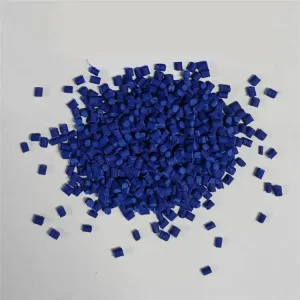
High-Quality High Concentration Blue Masterbatch PE Carrier for Plastic Injection
View Technical Specs