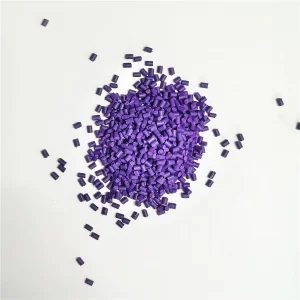
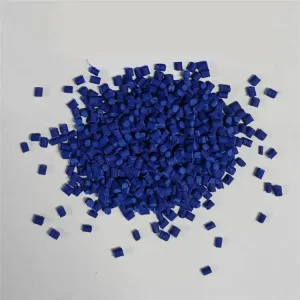
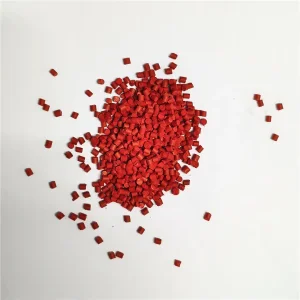
Engineered for superior thermal stability (260°C+), uniform dispersion, and optimal Melt Flow Index (MFI) across film blowing, injection molding, and pipe extrusion.
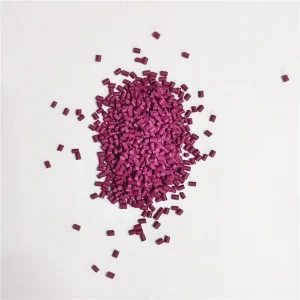
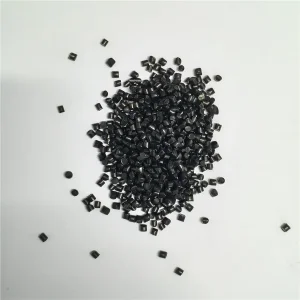
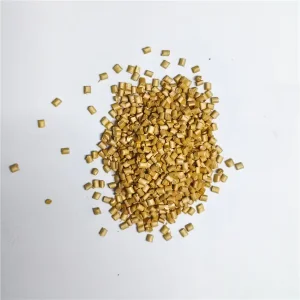
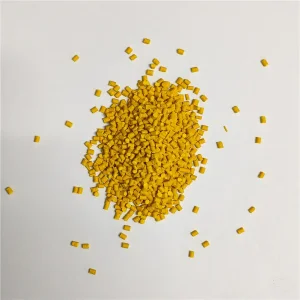
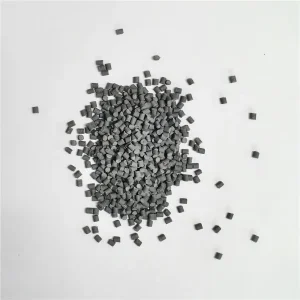
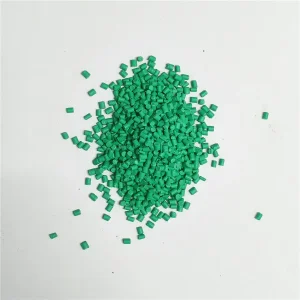
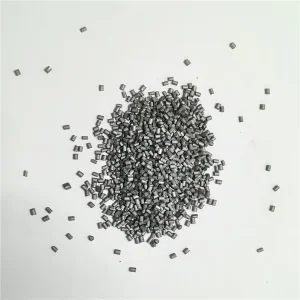
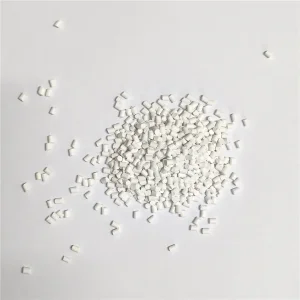
The global thermoplastic processing industry is undergoing a structural transition toward high-efficiency, low-carbon, and cost-optimized color concentrates. In modern polymer processing—encompassing Polyethylene (PE), Polypropylene (PP), Polystyrene (PS), and Engineering Thermoplastics—achieving exact color reproduction while maintaining raw material economy is paramount. B2B buyers searching for "cheap plastic coloring compound factories & suppliers" are rarely looking for inferior quality; rather, they seek high-performance color concentrates, masterbatches, and pre-compounded resins that deliver maximum Information Gain, minimal let-down ratios (LDR), and robust thermal stability at optimized direct-from-factory pricing.
Historically, plastic converters relied either on direct liquid coloring, dry pigment powder blending, or pre-colored compounded resins. Today, high-concentration PE and PP carrier color masterbatches dominate over 68% of the global industrial coloring market. This shift is driven by the strict elimination of airborne pigment dust in production facilities, drastic reductions in extruder screw cleanout times, and the superior economic leverage of carrier-bound organic and inorganic pigments.
In major manufacturing regions across North America, Europe, Southeast Asia, and the Middle East, plastic processing hubs are optimizing their supply chains by partnering directly with specialized masterbatch factories in Eastern China. Key industrial verticals such as agricultural blown film extrusion, flexible food packaging, municipal HDPE/PPR piping, and consumer injection molding require continuous, high-volume colorant feedstocks that satisfy rigorous international standards including REACH, RoHS 2.0, and FDA food-contact compliances.
A granular quantitative analysis comparing traditional dry pigments, fully compounded resins, and high-concentration carrier masterbatches for global procurement managers.
| Evaluation Parameter | Raw Dry Pigment Powder | Fully Compounded Color Resin | High-Concentration Masterbatch (Jiazhou) |
|---|---|---|---|
| Direct Material Cost ($/kg) | Low base price, high waste | Highest (Includes full polymer resin cost) | Optimal Factory Direct Pricing |
| Let-Down Ratio (LDR) | Variable (0.5% - 2.0%) | 100% (No mixing required) | 1.0% - 4.0% High Dilution Efficiency |
| Dispersion Index (Delta E) | Poor; frequent agglomeration | Excellent (< 0.3) | Superior Micro-Dispersion (< 0.5) |
| Thermal Stability Range | Degrades rapidly under shear | Standard resin limit | High Thermal Resistance (260°C - 300°C) |
| Factory Environment Cleanliness | High airborne dust hazard | Clean handling | Zero Dusting, Dust-Free Granules |
| Inventory & Storage Footprint | Medium (Requires chemical storage) | Extremely Large (Full resin silos) | Minimal Space (Highly Concentrated) |
The term "cheap" in international industrial B2B sourcing often carries a misconception of compromised quality. However, in the context of Changzhou Jiazhou Plastic Products Co., Ltd. and the broader Jiangsu plastic compounding cluster, economic competitiveness is achieved through rigorous engineering optimization, raw material scale, and integrated logistics.
China produces over 30% of the world's synthetic polymers, Titanium Dioxide (Rutile & Anatase grade), and P-type Carbon Black feedstocks. Located in Zouqu Town, Changzhou, Jiazhou Masterbatch operates directly within China's primary chemical supply corridor. By purchasing virgin Polyethylene (LDPE/LLDPE/HDPE) carrier resins and high-grade pigments in multi-thousand-ton batches directly from petrochemical refineries, raw material acquisition costs are reduced by 15% to 22% compared to regional compounders in Europe or South America.
The core mechanical engine of high-efficiency masterbatch manufacturing lies in high L/D ratio (Length/Diameter ratio of 40:1 to 48:1) co-rotating twin-screw extruders. Modern extruders utilize specialized screw element configurations—including kneading blocks, reverse-conveying elements, and vacuum degassing zones—that achieve hyper-dispersion of pigment particles under controlled shear stress. High throughput rates (exceeding 1.5 tons per hour per line) drastically lower kilowatt-hour (kWh) power consumption per kilogram produced, passing energy savings directly to global buyers.
When coloring thin blown films (down to 10 microns for courier bags or agricultural mulch), poorly dispersed pigment agglomerates cause pinholes, tear lines, and filter mesh clogging. A "cheap" masterbatch that clogs extruder screens every two hours is extraordinarily expensive in terms of machine downtime. High-quality, cost-optimized masterbatches maintain a low Filter Pressure Index (FPI < 1.0 bar/g), ensuring seamless melt flow through 325-mesh extrusion packs without pressure spikes.
Direct procurement of virgin PE resins and premium pigments eliminates distributor markups, securing base manufacturing costs 20% below global averages.
High L/D twin-screw extruders with gravimetric feeder loss-in-weight systems ensure batch-to-batch color Delta E < 0.3.
Non-toxic, heavy-metal-free, and low-volatility formulations designed to clear strict European and North American customs regulations.
Agile scheduling across 6,000m² factory space guarantees rapid fulfillment from Changzhou/Shanghai port to global destinations.
Custom-formulated carrier-matched compounds engineered for extreme thermal, mechanical, and environmental requirements.
Used extensively in HDPE/LDPE courier bags, shopping bags, agricultural mulch, and multi-layer food packaging films. Delivers high opacity, anti-fading, zero gel spots, and excellent heat-sealing strength.
Formulated for household containers, storage crates, electrical enclosures, and toys. Ensures fast mold cycle times, minimal shrinkage distortion, and high gloss aesthetic surface finishes.
Engineered for HDPE municipal water pipes, PPR plumbing, gas conduits, and corrugated drainage pipes. Features high carbon black loading (up to 50%) for long-term UV protection and weatherability.
For international procurement officers across North America, Europe, Africa, and Southeast Asia, qualifying a new China masterbatch supplier requires a structured risk-mitigation framework. Cost efficiency must be balanced with technical validation, factory audit protocols, and supply chain transparency.
The fundamental rule of masterbatch selection is matching the carrier resin to the target base polymer. Using a Low-Density Polyethylene (LDPE) carrier masterbatch in Polypropylene (PP) injection molding can cause delamination, lower impact strength, and surface hazing. Leading factories such as Jiazhou supply carrier-specific formulations (PE, PP, PS, ABS, Universal EVA) calibrated to match the Melt Flow Index (MFI) of the client's host polymer.
Professional color masterbatch manufacturers utilize Datacolor or X-Rite spectrophotometers to evaluate color parameters in the CIE L*a*b* color space. When requesting custom color matching (such as Pantone or RAL codes), ensure the supplier guarantees a Delta E (ΔE) tolerance of less than 0.5 under standard illuminants (D65, TL84, A).
During high-speed injection molding or blown film processing, temperatures inside the barrel can reach 260°C to 280°C. If the organic pigments inside the color compound are not heat-stabilized, thermal degradation causes shade shifting, yellowing, or severe gas fading. Verify that masterbatch suppliers provide certified thermal stability test reports (ISO 18394 standard) showing zero color change after 5 to 10 minutes of heat exposure at operating temperatures.
The global plastics industry is undergoing unprecedented regulatory scrutiny and sustainability mandates. Over the next decade (2025-2030), plastic coloring compound factories must innovate beyond standard color concentrates toward eco-friendly, circular-economy solutions.
Traditional black masterbatches utilize standard carbon black pigments, which absorb Near-Infrared radiation in automated Material Recovery Facility (MRF) optical sorting systems. As a result, black plastic packaging ends up in landfills. Next-generation cheap plastic coloring compound factories are formulating NIR-detectable black masterbatches using specialty dyes that reflect infrared signals, enabling automated sorting and closed-loop recycling of black rigid containers.
To help global brands meet mandatory recycled content targets, masterbatch suppliers are integrating up to 50% Post-Consumer Recycled (PCR) PE/PP resins into their carrier formulations. Combined with anti-oxidant (AO) additives and odor-scavenging compounds, PCR-based color masterbatches allow converters to produce sustainable packaging without sacrificing mechanical strength.
To streamline plastic manufacturing, processors are moving away from adding single-function additives separately. Modern compounders are delivering 2-in-1 and 3-in-1 hybrid masterbatches that combine high-pigment colorants with Anti-Static, Anti-UV (HALS), Anti-Frictional Slip, or Flame Retardant additives into a single unified granule, reducing dosing errors and inventory complexity.
Expert technical responses to common questions raised by polymer converters, procurement officers, and plant managers.
Connect directly with our sales engineering team for sample testing, custom compounding, and volume price breaks.