Cheap Plastic Colour Masterbatch Suppliers & Manufacturer

High-Concentration PE Carrier Masterbatch Engineering: Balancing Thermal Stability, Rheological Dispersion, and Cost Efficiency for Global Industrial Polymers

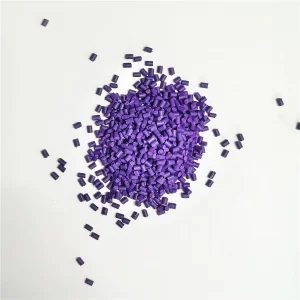
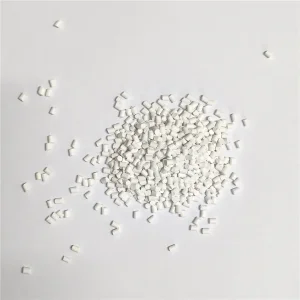
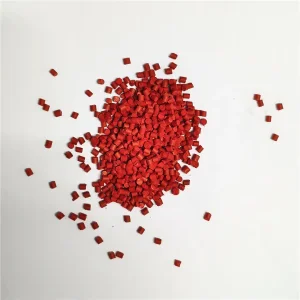
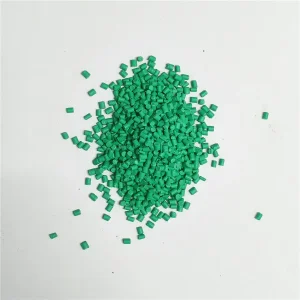
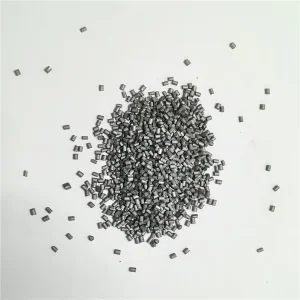
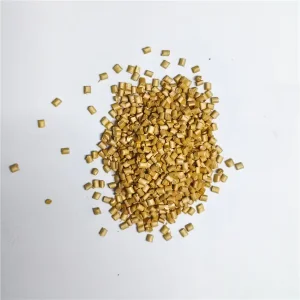
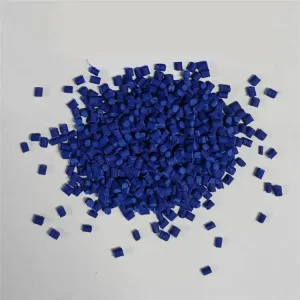
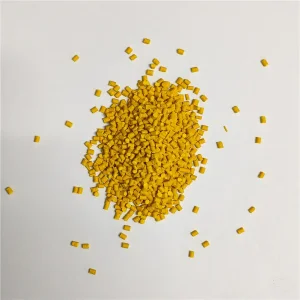
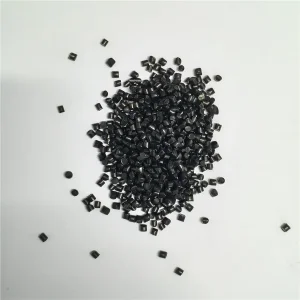
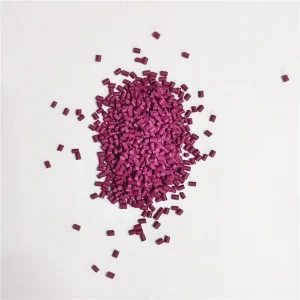
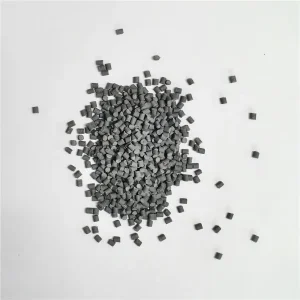
Featured High-Concentration Masterbatch Products

Direct-factory supplied PE-carrier masterbatches engineered for blown film, injection molding, and continuous extrusion applications.

1. Macro Industrial Dynamics & The True Economics of "Cheap" Masterbatch

Deconstructing the commercial intent: Why low cost-per-kilogram masterbatch must be balanced with pigment dispersion efficiency and melt flow stability to optimize Total Cost of Ownership (TCO).

The global thermoplastics processing market is experiencing unprecedented demand for cost-effective coloration solutions. Industrial plastics converters across packaging, agricultural film manufacturing, automotive component molding, and civil engineering infrastructure face severe margin compression due to volatile virgin resin prices. Consequently, procurement strategies often prioritize cheap plastic colour masterbatch suppliers and manufacturers. However, from a technical polymer chemistry standpoint, "cheap" must not equate to low-quality organic pigments or unrefined mineral fillers. True economic value is determined by the total manufacturing cost per finished unit, where high pigment loading and superior shear dispersion minimize the required Let-Down Ratio (LDR).
260°C
Thermal Resistance
1:50
Optimal LDR Efficiency
< 0.5%
Moisture Content Rate
ISO 9001
Certified Quality System

Unit Cost Optimization

By engineering masterbatches with pigment loadings up to 40%–60%, converters reduce consumption rates from 4% down to 1.5–2%, yielding immediate raw material savings across high-volume production lines.

Reduced Machine Downtime

Incomplete pigment dispersion causes screen pack clogging and die-lip build-up. Formulations with controlled Filter Pressure Value (FPV) protect extruders and injection nozzles from premature wear.

Color Consistency Assurance

Precision color matching with spectrophotometers guarantees batch-to-batch Delta E tolerances below 0.8, eliminating scrap rates caused by off-shade end products in competitive B2B markets.

2. Technical Rheology & High-Concentration Carrier Formulations

Exploring polyolefin dynamics, interfacial shear stress, and surface energy matching between carrier resins and target polymers.

A primary challenge in low-cost polymer coloration is achieving homogenous dispersion of organic or inorganic pigments within a host matrix without compromising the polymer's tensile strength, impact resistance, or thermal threshold. High-concentration PE (Polyethylene) color masterbatches rely on specialized low-molecular-weight polyethylene waxes and custom surfactant chemistry to coat pigment agglomerates during twin-screw extrusion compounding.
Masterbatch Type Carrier Resin Compatibility Pigment Loading Range Thermal Threshold (°C) Primary Industrial Application
PE High-Concentration White LDPE, LLDPE, HDPE, PP 50% - 75% Rutile TiO₂ 280°C - 300°C Milky white blown film, multi-layer food packaging.
PE Carbon Black Masterbatch PE, PP, PS, ABS 30% - 50% High-Purity Carbon 260°C - 280°C Agricultural pipe, geomembranes, UV protection films.
PE Vibrant Color Series LDPE, LLDPE, PP Homopolymer 20% - 40% Organic Pigment 240°C - 260°C Injection molded housewares, toys, woven sacks.
Functional Metallic (Gold/Silver) LLDPE, HDPE, PP 15% - 30% Metallic Flakes 220°C - 240°C Cosmetic packaging, blow-molded containers.
During the compounding phase, twin-screw extruders apply intense shear stress to reduce pigment particle sizes down to the sub-micron scale. High-quality manufacturers ensure that pigment primary particles do not re-agglomerate during cooling. This technical control prevents streak formation during high-speed thin-film extrusion, enabling film blowers to run high-speed lines with minimal bubble rupture.

3. Industrial Application Scenarios & Localized Processing Solutions

Tailored polymer coloration for blown film, high-pressure injection molding, and continuous profile extrusion.

Blown Film Extrusion

Extensively used for shopping bags, courier express bags, agricultural mulch film, and industrial stretch wrap. Requires high opacity, non-blooming anti-fading pigments, and extreme melt stability to prevent pinholes at film thicknesses as thin as 10 microns.

Injection Molding

From automotive interior trims to domestic storage containers and electronic enclosures. Masterbatches must exhibit excellent flowability (MFI matching host resin) to eliminate flow lines, weld lines, and warpage in thick-walled molded parts.

Pipe & Profile Extrusion

Applied in HDPE water pipes, PPR plumbing conduits, and corrugated drainage tubes. High carbon black concentration (>40%) ensures long-term resistance against UV radiation, oxidative degradation, and environmental stress cracking (ESCR).

4. Global Regulatory Compliance & Sustainability Integration

Meeting international environmental mandates: RoHS, REACH, FDA food-contact compliance, and Post-Consumer Recycled (PCR) resin compatibility.

Modern B2B polymer sourcing demands absolute transparency regarding chemical safety. "Cheap" masterbatch solutions must not compromise safety parameters or export regulations. Leading suppliers maintain stringent quality control processes certified under ISO 9001 and ISO 14001 frameworks. Pigment formulations are rigorously screened to exclude heavy metals (lead, cadmium, hexavalent chromium, mercury) and restricted aromatic amines.

RoHS & REACH Compliance

Guaranteed heavy-metal-free and SVHC (Substances of Very High Concern) compliant formulations, enabling smooth market access across European Union and North American regulatory territories.

FDA Food Contact Approved

Non-toxic pigment arrays formulated with food-grade carrier resins designed specifically for direct-contact food packaging, beverage caps, and single-use utensils.

PCR Polymer Integration

Custom masterbatches designed to compensate for yellowing and thermal degradation inherent in Post-Consumer Recycled (rPE/rPP) streams, restoring vibrant aesthetic appeal.

5. Next-Generation Technical Roadmap & Innovation Vectors

Automated spectro-matching, AI-optimized twin-screw extrusion, and multi-functional combined masterbatch technology.

The future of plastic color masterbatch manufacturing lies in the convergence of digitalization and functional additive chemistry. Masterbatch manufacturers are moving beyond simple color delivery toward multi-functional concentrate systems. By combining primary color pigments with secondary functional additives—such as Hindered Amine Light Stabilizers (HALS) for UV resistance, anti-static agents, and anti-oxidants—converters can eliminate multi-component dosing errors at the hopper.

AI Spectro-Matching

Algorithmic recipe formulation predicting pigment behavior under different thermal profiles, drastically shortening color development lead times.

Near-Infrared (NIR) Detectable

Specialized black and dark color masterbatches designed to reflect NIR light, allowing automated recycling plant sensors to sort black plastic waste.

Combo Additive-Color Masterbatch

Single-pellet integration of vibrant color pigments along with slip agents, anti-block, and UV absorbers to streamline factory inventory management.

Bio-Based Polyolefin Carriers

Development of masterbatches using sugarcane-derived PE or biodegradable carriers (PLA/PBAT) for eco-friendly packaging compliance.

6. Technical & Procurement Frequently Asked Questions (FAQ)

Addressing common engineering inquiries regarding masterbatch dosing, carrier compatibility, thermal breakdown, and cost optimization.

Q How do I determine the correct Let-Down Ratio (LDR) for cheap colour masterbatches?
The optimal LDR depends on the pigment concentration within the masterbatch and the target wall thickness of the finished part. Typically, high-concentration PE masterbatches require an LDR between 1% and 3%. For thin blown films (15–20 microns), a 2% to 4% dosage is recommended to ensure uniform opacity, whereas thick injection-molded parts may only require 1% to 1.5%.
Q Can a PE-carrier color masterbatch be used in Polypropylene (PP) processing?
Yes, standard PE-carrier masterbatches are widely compatible with Polypropylene resin matrixes due to the structural similarities of polyolefins. However, for engineering plastics such as PET, ABS, or Nylon, dedicated carrier-matched masterbatches (or universal SAN/EVA carriers) should be utilized to prevent phase separation and mechanical strength loss.
Q What causes color fading or streak formation during high-temperature injection molding?
Color fading usually stems from thermal degradation of low-grade organic pigments when processing temperatures exceed their thermal threshold (e.g., above 220°C). Streaking occurs when there is improper dispersion of pigment agglomerates or an MFI mismatch between the masterbatch carrier wax and the base resin. Utilizing 260°C+ heat-resistant masterbatches eliminates this defect.
Q How does moisture content in masterbatch impact film blowing operations?
Moisture content exceeding 0.5% causes water-vapor expansion during extrusion, leading to micro-voids, bubbles, and frequent bubble stability failure in blown film lines. Premium masterbatches undergo vacuum desiccant packaging and maintain moisture levels below 0.2% to guarantee continuous processing.
Q What is the shelf life of high-concentration PE color masterbatch?
When stored in original sealed packaging in a cool, dry environment away from direct sunlight, PE masterbatch retains its technical properties and color concentration for up to 24 months. Hygroscopic masterbatches should be pre-dried if stored for extended periods in humid conditions.

Explore Complete Color & Functional Masterbatch Line

High-performance pigment concentrates manufactured under strict quality assurance standards for global plastic processing factories.