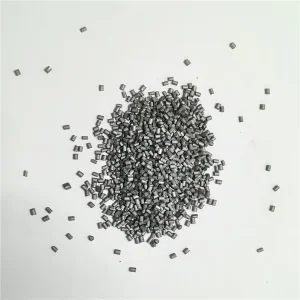
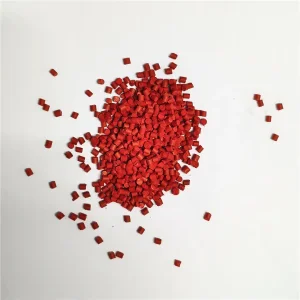
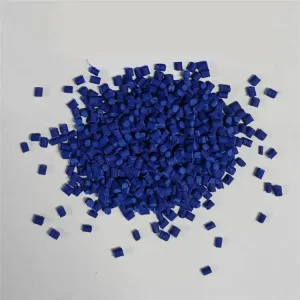
High-dispersion, eco-friendly color and functional concentrates optimized for recycled polyolefin extrusions.
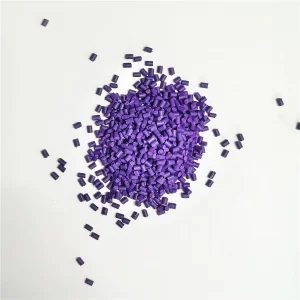
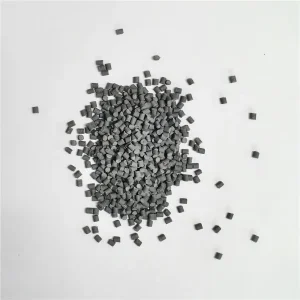
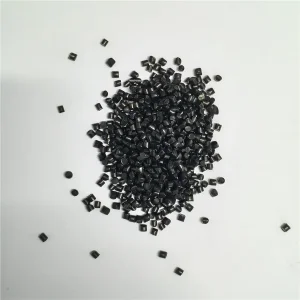
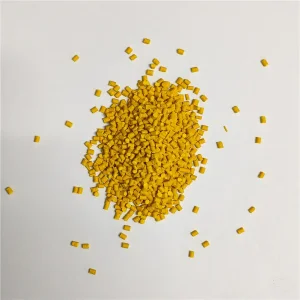
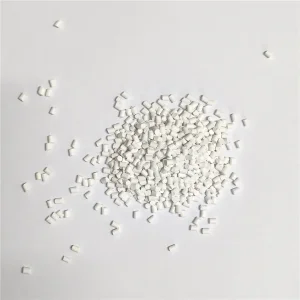
Overcoming Rheological Instability and Pigment Agglomeration in Recycled Polyethylene Processing
In modern industrial plastic processing, the global transition toward post-consumer recycled (PCR) and post-industrial recycled (PIR) polyethylene (PE) has created unprecedented engineering challenges. Recycled PE resins—encompassing Low-Density Polyethylene (LDPE), Linear Low-Density Polyethylene (LLDPE), and High-Density Polyethylene (HDPE)—inherently suffer from melt flow index (MFI) variance, residual degradation, irregular baseline coloration, and thermal history cross-linking.
Standard color masterbatches designed for virgin resins frequently fail when introduced into recycled streams. They trigger screen-pack clogging, severe melt fracture, surface pinholes, and color streaks due to incompatible carrier melt viscosities and pigment agglomeration. Sourcing a cheap recycled PE special masterbatch is not merely about minimizing per-kilogram acquisition cost; it requires optimizing total cost of ownership (TCO) through carrier resin compatibility, high pigment loading dispersion, and specialized additive integration.
Leading Chinese masterbatch manufacturing hubs, particularly located in Changzhou, Jiangsu, have redefined the economics of recycled polyolefin compounding. By utilizing state-of-the-art co-rotating twin-screw extrusion systems, specialized surface-treated organic/inorganic pigments, and tailored carrier matrices (such as high MFI reprocessed LDPE/LLDPE carriers), these facilities supply high-performance masterbatches that achieve superior dispersion ratings (Filter Pressure Value < 1.5 bar/g).
Scale, Supply Chain Integration, and Process Innovation in Changzhou Industrial Cluster
Chinese factories, exemplified by manufacturers such as Changzhou Jiazhou Plastic Products Co., Ltd. (operating with 16+ years of specialized compounding experience), benefit from direct proximity to petrochemical refiners and large-scale pigment synthesizers. This proximity enables ultra-competitive pricing for titanium dioxide (TiO₂), carbon black (furnace and channel types), and specialized organic phthalocyanine pigments, drastically driving down masterbatch production costs without sacrificing purity.
Extrusion technology in Chinese masterbatch manufacturing facilities has undergone rapid technological evolution. Utilizing multi-zone high L/D (Length/Diameter ratio 44:1 to 48:1) co-rotating twin-screw extruders with specialized side-feeders and vacuum degassing units, Chinese suppliers achieve ultra-fine pigment dispersion down to micro-submicron scales. This ensures that when the masterbatch is blended into recycled PE scrap resin, the pigment particles distribute homogenously without forming stress concentrators.
With plant capacities spanning tens of thousands of metric tons annually and continuous automated gravimetric dosing lines, Chinese factories shorten lead times to 15 days or less for container-load orders. Buyers gain access to high-volume pricing structures ("cheap" cost base) alongside strict ISO9001 quality management standards that guarantee zero batch-to-batch variation.
Regulatory Mandates, Extended Producer Responsibility (EPR), and Sustainable Plastics Compounding
Global regulatory frameworks—such as the European Union Single-Use Plastics Directive and US state-level recycled content mandates—require packaging manufacturers to incorporate 25% to 50% PCR polyethylene into agricultural film, trash bags, industrial stretch wraps, and blow-molded bottles by 2030.
Because PCR feedstocks arrive with inherent greyish-yellow baseline tinting and volatile organic compounds (VOCs), masterbatch manufacturers have developed masking and neutralizing masterbatches. These special formulations utilize optical brighteners, specialized blue/violet toning agents, and odor-scavenging porous aluminosilicates to turn off-color PCR resins into commercially viable aesthetic products.
Traditional black masterbatches rely on standard furnace carbon black pigments, which absorb Near-Infrared (NIR) radiation in automated recycling sorting facilities, causing black plastics to be misidentified as residual waste and sent to landfills.
The modern industry trend points toward NIR-Detectable Black Masterbatches designed for recycled PE. Using specialized organic pigments that reflect NIR wavelengths, these masterbatches allow automated optical sorting machines (e.g., TOMRA, Pellenc) to accurately identify and sort post-consumer recycled PE polymers back into the circular economy stream.
Tailored Masterbatch Formulations for Diverse Processing Technologies and Recycled Resin Feedstocks
| Application Scenario | Target Polymer Base | Processing Method | Recommended Masterbatch Type | Key Performance Benefit |
|---|---|---|---|---|
| Heavy-Duty Garbage Bags & Liners | 100% Recycled LDPE / LLDPE Scrap | Blown Film Extrusion | High Concentration Black / Blue PE Masterbatch | Extreme opacity, high tensile retention, anti-puncture strength, low let-down ratio (1%-2%). |
| Agricultural Mulch & Silage Film | Recycled LLDPE / HDPE Blends | Multi-layer Co-extrusion Blown Film | Silver Metallic & Black UV PE Masterbatch | High weatherability, UV stabilization up to 3 years, light shielding, temperature regulation. |
| Corrugated Pipes & Cables | Recycled HDPE Regrind | Profile & Pipe Extrusion | High Load Carbon Black / Filler Masterbatch | Smooth pipe surface finish, high ring stiffness (CaCO3 filler integration), zero melt fracture. |
| Industrial Pallets & Crates | Post-Industrial HDPE Flakes | High-Pressure Injection Molding | Bright Color PE Masterbatch (Red, Green, Grey) | Eliminates structural weld-line defects, excellent thermal stability (260°C), bright uniform shade. |
| E-commerce Courier Bags | Co-ex Recycled LDPE Core Layer | Co-extrusion Film | Grey & White High-Opacity PE Masterbatch | Complete light-blocking privacy, high film tear strength, excelente ink printability surface. |
Film blowing is highly sensitive to moisture bubbles and inorganic inclusions present in recycled PE scrap. Special masterbatches engineered for blown film integrate dual-action desiccant additives (calcium oxide/silica active complexes) alongside organic colorants. This absorbs up to 28% of its own weight in moisture during melt processing, eliminating the need for pre-drying recycled resin pellets.
Injection molded articles made from recycled PE regrind often experience differential volumetric shrinkage and warpage due to nucleating effects caused by un-dispersed pigments. Recycled PE special masterbatches feature optimized carrier melt flow indices (MFI 20 to 50 g/10min) that guarantee uniform melt viscosity during the injection cycle, eliminating flash and shrinkage distortion.
For non-pressure pipe extrusion, sheet extrusion, and cable jacketing utilizing reprocessed polyolefins, masterbatch formulations include fine-particle surface-modified calcium carbonate (CaCO₃) or talc fillers. These filler masterbatches lower polymer raw material costs while enhancing dimensional stability, stiffness, and heat deflection temperature (HDT).
How Enterprise Buyers Evaluate Masterbatch Suppliers and Guarantee Operational Reliability
When international procurement teams audit a Chinese masterbatch manufacturer for recycled PE applications, price per kilogram ("cheap masterbatch") must be weighed against strict technical compliance metrics. Substandard masterbatch formulations lead to machine downtime, frequent filter screen changes, high scrap rates, and compromised end-product mechanical performance.
Leading enterprises implement a 4-step quality verification gate when establishing long-term masterbatch supply contracts with Chinese factories:
Expert Answers on Technical Performance, Custom Formulations, Logistics, and Ordering Protocols
High-concentration pigment & filler solutions for blown film, injection molding, and extrusion plastic coloring.