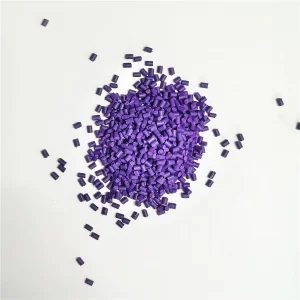
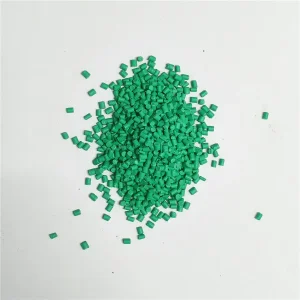
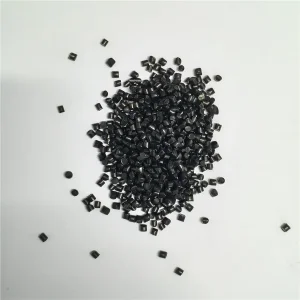
Engineered for precision injection molding, blown film extrusion, and high-speed industrial processing.
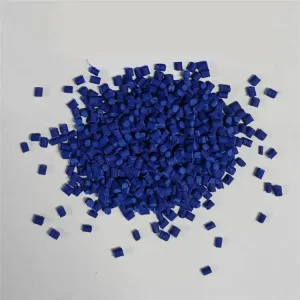
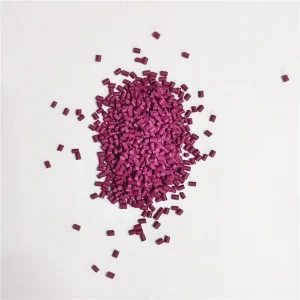
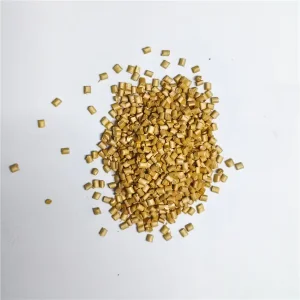
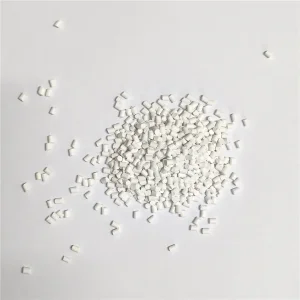
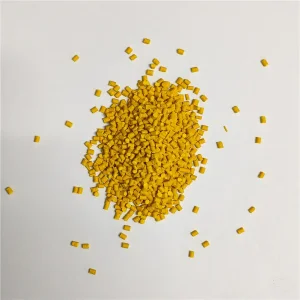
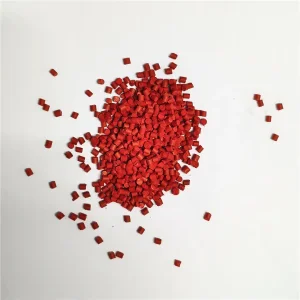
How leading Chinese color masterbatch manufacturers harmonize cost efficiency with sub-micron pigment dispersion and thermal stability up to 260°C–280°C.
In modern industrial polymer processing, procuring a cheap Sapphire Blue PE masterbatch without compromising mechanical properties, visual opacity, or processing stability is a primary procurement objective for global plastic converters. Sapphire Blue—characterized by its deep, rich, high-chroma blue tone based predominantly on Phthalocyanine Blue BGS (Pigment Blue 15:3) or Pigment Blue 15:1—demands exceptional dispersion precision. When improper processing occurs, pigment agglomeration causes severe production bottlenecks, including filter mesh clogging, pinholes in blown packaging films, and uneven color streaking in injection-molded components.
The term "cheap" in professional industrial procurement does not signify sub-standard or diluted quality; rather, it reflects economic optimization achieved through massive economies of scale, high pigment loading concentrations (30% to 50%), automated continuous twin-screw compounding, and localized supply chain integration. Changzhou Jiazhou Plastic Products Co., Ltd. leverages over 16 years of polymer masterbatch formulation expertise to manufacture high-yield Sapphire Blue polyethylene (PE) masterbatches that drive down overall unit coloration costs for industrial global buyers.
Key Technical Insight: The true cost of color masterbatch is measured by its Let-Down Ratio (LDR) and Filter Pressure Value (FPV). A high-concentration 40% Sapphire Blue masterbatch used at a 1.5% LDR yields lower total production costs and higher color uniformity than a poorly dispersed 20% masterbatch used at 3% or 4% LDR.
Sapphire Blue PE Masterbatch is a highly complex solid additive system engineered to blend seamlessly into low-density polyethylene (LDPE), linear low-density polyethylene (LLDPE), and high-density polyethylene (HDPE) matrix resins. The fundamental formulation architecture comprises three core elements:
To assist plastic injection molders, blown film manufacturers, and pipe extruders in evaluating engineering parameters, the following matrix details the typical technical baseline of Jiazhou's Sapphire Blue PE Masterbatch series:
| Technical Parameter | Testing Standard / Method | Engineered Specification Value | Industrial Impact / Advantage |
|---|---|---|---|
| Pigment Content (%) | ISO 3451-1 / TGA Analysis | 30% – 45% (Customizable) | High tinting strength; reduces required LDR percentage. |
| Melt Flow Index (MFI) | ASTM D1238 (190°C / 2.16 kg) | 15 – 35 g/10 min | Ensures perfect viscosity matching with HDPE/LDPE base resins. |
| Heat Resistance (°C) | EN 12877-2 Thermal Stability | 260°C – 280°C (5 min residence) | No color fading, yellowing, or degradation during hot molding. |
| Lightfastness (Grade 1-8) | ISO 105-B02 Xenon Arc | Grade 7 – 8 (Exceptional) | Prevents outdoor UV fading in agricultural and pipe products. |
| Filter Pressure Value (FPV) | EN 13900-5 (Mesh 1400/200) | < 0.8 bar/g (Ultra-low) | Zero screen-pack clogging; ideal for 10-micron ultra-thin blown films. |
| Moisture Content (%) | Karl Fischer Titration | < 0.10% (1000 ppm) | Eliminates silver streaks, bubbles, and surface splay marks. |
| Delta E Color Tolerance | CIE L*a*b* Spectrophotometer | ΔE ≤ 0.40 vs Standard Sample | Batch-to-batch color repeatability for OEM brand consistency. |
Exploring the macroeconomic drivers, cluster supply chain synergies, and technological innovations behind Chinese masterbatch exporters.
Direct raw material pipelines from mega Petrochemical centers (Sinopec, PetroChina) and organic dye synthesis hubs in Jiangsu provide unmatched cost efficiencies in PE carrier resins and Phthalocyanine pigments.
High-throughput continuous twin-screw compounding lines (operating at 1,000+ kg/hr per line) significantly lower fixed manufacturing overheads, making factory-direct pricing 20% to 35% lower than European blenders.
Advanced co-rotating twin-screw extruders equipped with high L/D ratios (44:1 to 48:1) and specialized kneader elements ensure optimal mechanical shear to break down pigment aggregates to primary particles.
Equipped with computerized CIELAB spectrophotometers, melt indexers, filter pressure value testers, and thermo-gravimetric analyzers (TGA) ensuring every batch matches client target colors with zero deviation.
Adapting masterbatch technology to the circular economy, heavy-metal-free compliance, and post-consumer recycled (PCR) resin processing.
With global mandates urging the incorporation of 30% to 100% Post-Consumer Recycled (PCR) HDPE and LLDPE resins, plastic converters face severe yellowing, grey undertones, and thermal degradation. Jiazhou’s high-tinting Sapphire Blue Masterbatch is specifically engineered with optical brighteners and high-opacity pigment loadings to mask the inherent yellow-grey cast of recycled resins, restoring vibrant, clean blue hues without compromising impact strength.
International regulatory compliance is critical for exported plastic goods. Jiazhou’s Sapphire Blue PE Masterbatch formulations strictly adhere to global environmental and safety standards: RoHS Directive 2011/65/EU, REACH SVHC regulations, EN71-3 (Safety of Toys - Migration of Certain Elements), and FDA 21 CFR 177.1520 for food contact materials. Formulations are certified free of heavy metals (Lead, Cadmium, Hexavalent Chromium, Mercury) and non-migratory.
Engineered to meet specific shear, pressure, and thermal profiles across major plastic production lines.
Ideal for shopping bags, agricultural greenhouse films, courier bags, and multi-layer shrink films. Guarantees zero film bubble breakage, smooth surface finish, high tear strength, and no filter screen clogging even at film thicknesses below 15 microns.
Formulated for industrial crates, plastic pallets, home storage containers, trash cans, and electrical enclosures. Provides high flowability, preventing warpage, sink marks, or differential shrinkage across complex mold geometries.
Extensive utilization in HDPE water supply pipes, corrugated conduit, cable sheathing, and agricultural drip irrigation lines. Delivers excellent outdoor weather resistance, UV stabilization, and chemical resistance against acids and alkalis.
How procurement managers and chemical engineers can mitigate quality risks and optimize Total Cost of Ownership (TCO).
Selecting the right cheap Sapphire Blue PE masterbatch manufacturer requires a rigorous technical evaluation framework beyond initial price per kilogram. A lower price per unit can easily translate to higher overall factory expenditure if the masterbatch exhibits poor dispersion, causes high scrap rates, or requires high addition ratios (LDR).
Ensure the carrier resin of the masterbatch possesses a Melt Flow Index (MFI) equal to or slightly higher than your target processing resin (e.g., MFI 20 for PE injection molding). Mis-matched melt viscosities lead to poor color homogenization, marbled streaks, and weak weld lines in finished molded parts.
Request the manufacturer's FPV test report according to EN 13900-5. For thin film applications (< 25 microns), the FPV should remain below 1.0 bar/g. A high FPV indicates un-dispersed pigment agglomerates that will repeatedly rupture film bubbles and cause machine downtime.
Verify that the Phthalocyanine Blue pigment utilized is organic non-migratory and heat-stable to at least 260°C. In high-temperature injection molding, inferior pigments degrade into dull greyish-green tones or bleed onto surrounding surfaces (blooming/migration).
Calculate the effective cost per ton of finished product: Effective Cost = (Base Resin Cost * (1 - LDR)) + (Masterbatch Price * LDR). A 40% concentrated masterbatch priced 10% higher but usable at 1.5% LDR is significantly cheaper than a 20% concentrated product requiring 3.5% LDR.
Direct insights from our senior chemical engineers regarding Sapphire Blue PE Masterbatch application, dosage, and troubleshooting.
Discover our full lineup of custom color masterbatches, functional additives, and cost-reducing filler masterbatches.