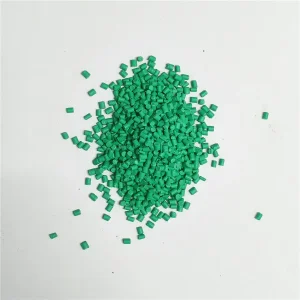
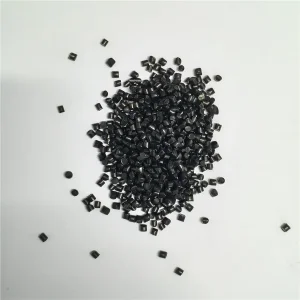
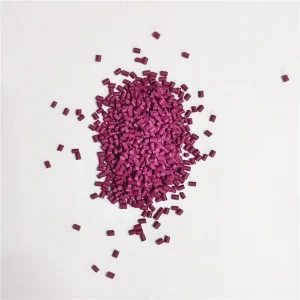
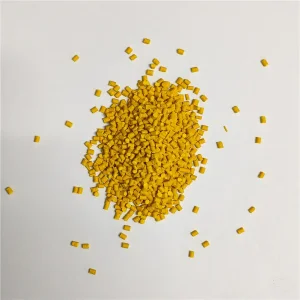
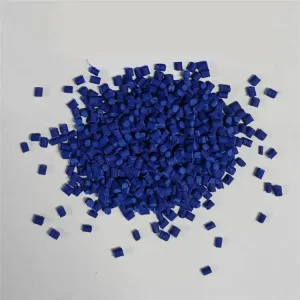
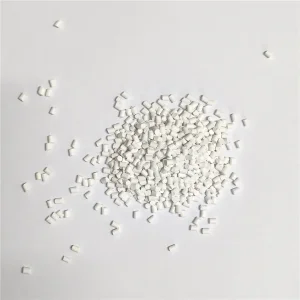
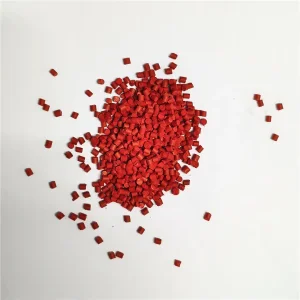
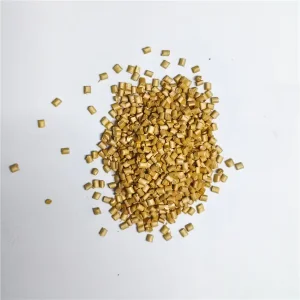
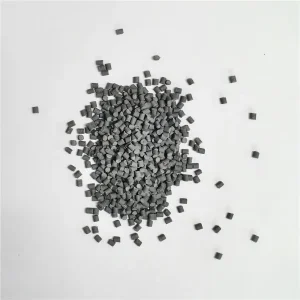
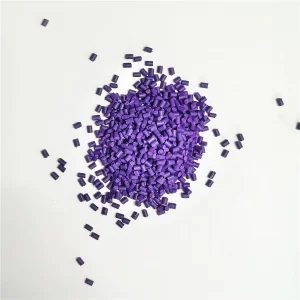
Engineered for shopping bag blown film, injection molding, and complex industrial extrusions with superior melt flow consistency.
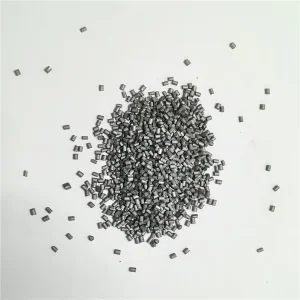
Analyzing global supply dynamics, cost structures, and technical trade-offs in shopping bag film processing.
The global polyethylene (PE) flexible packaging market currently processes over 85 million metric tons of polymer annually, with retail shopping bags, t-shirt bags, grocery sacks, and garbage liners representing a substantial fraction of total high-density polyethylene (HDPE) and linear low-density polyethylene (LLDPE) extrusion output. In this high-volume, thin-margin sector, procurement managers and plant engineers face a persistent operational challenge: sourcing cheap shopping bag blown film PE masterbatch suppliers without compromising processability, mechanical integrity, or visual opacity.
Modern blown film extrusion demands masterbatch formulations that harmonize high pigment concentration (up to 70% titanium dioxide in white masterbatch or 50% carbon black in black masterbatch) with tailored Melt Flow Index (MFI) values matching the base LDPE/HDPE carrier resin. Suppliers who offer genuine cost advantages achieve this not through pigment dilution or excessive coarse filler addition, but via advanced twin-screw co-rotating compounding tech, surface-modified micronized pigments, and automated color matching.
Matched Melt Flow Index (MFI 4–15 g/10min) ensures homogeneous blending with virgin or recycled HDPE/LLDPE, eliminating melt fracture and sharkskin defects during bubble inflation.
High shear continuous compounding guarantees pigment agglomerate reduction below 5 microns, eliminating pinhole formation in ultra-thin shopping bags (8–15 μm).
Thermal-resistant organic and inorganic pigment additives prevent color fading, degradation, or thermal gas formation during intensive extrusion heat cycles.
How scientific formulation design balances low cost with high tensile strength and printability.
In film blowing, polyolefin resins undergo high strain rates during tube expansion and bubble cooling. Incorporating masterbatch introduces distinct interfaces between carrier resin, pigment particles, functional slip additives, and anti-blocking agents. A masterbatch engineered for shopping bag production must fulfill precise technical criteria:
The carrier polymer dictates how effectively color masterbatch or calcium carbonate (CaCO3) filler masterbatch disperses within the main resin matrix. Utilizing low-density polyethylene (LDPE) or metallocene LLDPE (mLLDPE) carriers with narrow molecular weight distributions ensures rapid melting, preventing resin segregation and "fish-eye" gels on the film surface.
To quantify masterbatch quality, laboratory testing evaluates the Filter Pressure Value (FPV according to EN 13900-5). High-grade masterbatches maintain an FPV under 0.5 bar/g, ensuring extruders can run continuously for weeks without screen pack clogging or die lip buildup (die drool).
| Masterbatch Type | Active Loading (%) | Carrier Resin | Target Application | Key Engineering Benefit |
|---|---|---|---|---|
| White PE Masterbatch | 60% - 70% TiO2 (Rutile) | LLDPE / LDPE | Supermarket Bags, Milk Bags | High opacity, high whiteness, UV barrier |
| Black PE Masterbatch | 30% - 50% Carbon Black | HDPE / LLDPE | Garbage Bags, Heavy Duty Bags | High tint strength, weatherability, cost control |
| Color PE Masterbatch | 20% - 40% Organic Pigments | Universal PE | Boutique & Retail Carrier Bags | Non-fading, thermal stability at 260°C |
| CaCO3 Filler Masterbatch | 75% - 85% Fine CaCO3 | LLDPE Blend | T-Shirt & Shopping Bag Extrusion | Raw material cost reduction, anti-block, dart drop strength |
Why sourcing direct from Changzhou Jiazhou Plastic Products Co., Ltd. delivers unmatched cost-to-quality ratios globally.
Located in the heart of China’s advanced polymer processing cluster in Changzhou, Jiangsu Province, Changzhou Jiazhou Plastic Products Co., Ltd. leverages a fully integrated raw material supply chain network. By maintaining direct procurement contracts with tier-one Petrochemical suppliers (Sinopec, PetroChina) and titanium dioxide manufacturers, Jiazhou eliminates intermediary margins and guarantees steady resin viscosity inputs.
Equipped with high-torque twin-screw extruders, continuous loss-in-weight gravimetric feeders, and automated colorimetry quality control units, Jiazhou achieves annual capacities exceeding tens of thousands of tons. This massive operational scale is precisely why overseas shopping bag manufacturers can secure genuine low-cost masterbatch supply contracts without sacrificing lot-to-lot color stability (Delta E < 0.5).
Tailored masterbatch formulation strategies adapted to regional market requirements and film extrusion setups.
Requires ultra-high dispersion PE masterbatch with sub-micron CaCO3 or TiO2 pigments. Prevents pinholes, micro-tears, and maintains high tensile strength along the machine direction (MD).
Focuses on visual vibrancy and printability. Formulated with non-migrating organic pigments (Rose Red, Gold, Silver, Green) resistant to surface corona treatment and flexographic printing inks.
Engineered with special antioxidant and odor-neutralizing packages designed to color-mask post-consumer recycled PE resins while restoring film melt strength during extrusion.
As international environmental regulations tighten (such as the EU Single-Use Plastics Directive and global plastic waste mandates), the masterbatch industry is undergoing rapid technical evolution. Modern shopping bag manufacturers are expanding into bio-based PE carriers, compostable PLA/PBAT masterbatch carriers, and nano-enhanced filler formulations that reduce plastic mass per bag by up to 20% while increasing tear resistance.
Meeting global environmental, food contact, and heavy metal safety guidelines for exported plastic goods.
Buying cheap shopping bag masterbatch from overseas suppliers requires complete assurance regarding hazardous substance compliance. Low-quality pigments containing heavy metals (Lead, Cadmium, Hexavalent Chromium) pose severe legal risks in Western and South American markets.
Expert answers to critical technical and logistical questions when ordering PE blown film masterbatches.
For standard PE color masterbatches (White, Black, Blue, Red), the typical dosage ranges from 1% to 4% depending on desired opacity and film gauge. For CaCO3 filler masterbatch, addition rates can range from 5% up to 30% depending on film strength requirements.
High-quality masterbatches utilize non-migrating slip agents and non-blooming carrier resins. This prevents wax buildup on the film surface, ensuring high surface energy (>38 dynes/cm) after corona treatment for sharp flexographic printing adhesion.
Unscreened low-cost masterbatches often contain recycled fillers with large particulate sizes (>15 microns), leading to frequent bubble pop, high gauge variation, screen pack blinding, and frequent extrusion shutdown.
Yes. Our R&D color lab uses spectrophotometers to match target Pantone, RAL, or physical plastic samples within 48 hours, providing custom sample pellets for factory extrusion trials.
Stored in original moisture-proof bags in a dry, ventilated warehouse below 30°C, PE masterbatches retain optimal processing properties for up to 12–24 months without moisture absorption.
Direct factory supply for blown film, injection molding, and extrusion coloring applications worldwide.