Premium quality masterbatch engineered for high UV resistance, thermal stability up to 260°C, and exceptional dispersion in extrusion and blown film lines.
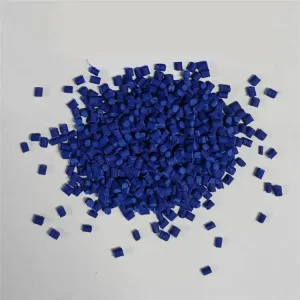
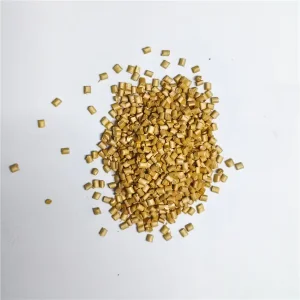
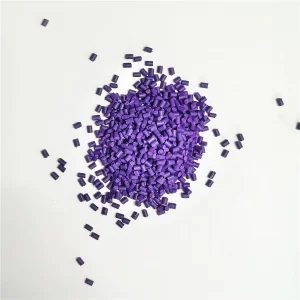
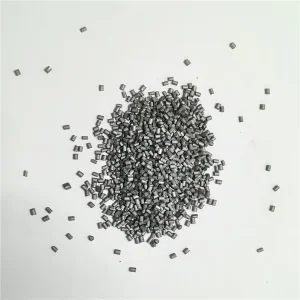
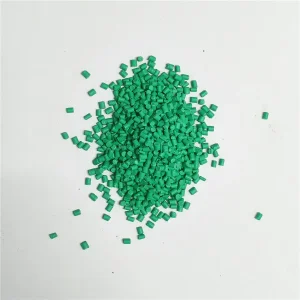
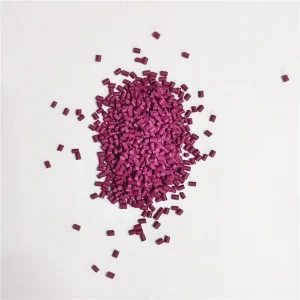
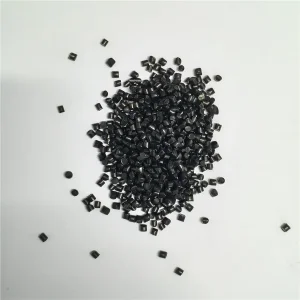
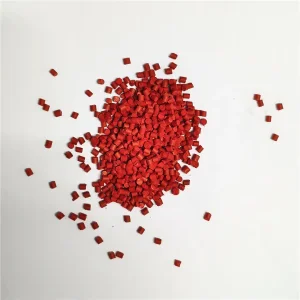
Understanding polymer degradation dynamics under solar radiation and optimizing additive formulations for agricultural applications.
Agricultural polyolefin films—including greenhouse covers, low tunnels, black mulch films, and silage wraps—are continuously exposed to aggressive environmental stressors. Primary among these is solar ultraviolet (UV) radiation, specifically UV-A (315–400 nm) and UV-B (280–315 nm) wavelengths. Without effective chemical stabilization, polyethylene (PE) matrix resins undergo free-radical auto-oxidation, leading to chain scission, cross-linking, severe loss of tensile strength, embrittlement, and premature field failure.
As a leading cheap weather resistant agricultural film PE masterbatch vendor and manufacturer, Changzhou Jiazhou Plastic Products Co., Ltd. resolves the trade-off between economic viability and long-term weatherability. By leveraging twin-screw co-rotating extrusion technology with high-shear dispersive mixing, our masterbatch formulations ensure homogeneous distribution of active additive molecules. This eliminates localized structural weak spots in blown films down to 10-micron thicknesses, allowing agricultural producers to maximize crop yield per hectare while significantly lowering input costs.
By sourcing directly from our Changzhou manufacturing base, global film extruders bypass intermediary markups. High pigment and additive loading (up to 50%) minimizes let-down ratios (LDR), directly cutting processing costs per ton.
Incorporating NOR-HALS technology prevents additive deactivation caused by acidic agrochemicals (such as sulfur and chlorine sprays), guaranteeing up to 36 months of continuous greenhouse film structural integrity.
Tailored Melt Flow Index (MFI) matching carrier resins ensure seamless integration into LDPE, LLDPE, and HDPE extrusion lines without filter clogging, melt fracture, or bubble instability.
Quantitative parameter benchmarks evaluated under laboratory accelerated weathering (QUV ASTM G154) and field testing conditions.
| Masterbatch Series | Active Additive Loading | Melt Flow Index (190°C/2.16kg) | Heat Resistance | UV Lifespan (kLy) | Key Agricultural Application |
|---|---|---|---|---|---|
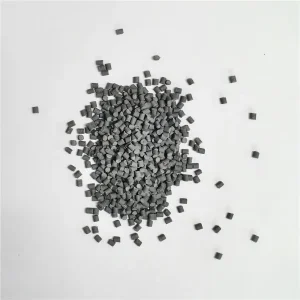
| Weather-Resistant Black PE Series | 40% - 50% Fine P-Type Carbon Black | 12 - 25 g/10min | 260°C | > 180 kLy | Weed-Control Mulch & Drip Tubing |
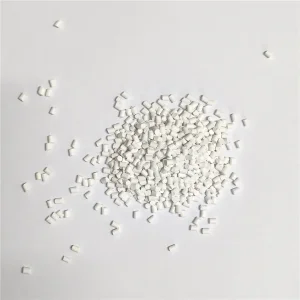
| UV-Stabilized White TiO2 Series | 60% - 70% Rutile Titanium Dioxide | 8 - 18 g/10min | 280°C | > 160 kLy | Silage Stretch Film & Reflection Mulch |
| HALS Anti-Aging Masterbatch | 20% - 30% Oligomeric HALS / NOR-HALS | 15 - 30 g/10min | 240°C | > 200 kLy | Multi-Season Greenhouse Coverings |
| Anti-Fog / Anti-Drip Masterbatch | 15% Active Surfactant Blend | 20 - 35 g/10min | 220°C | N/A (Interior) | High-Clarity Tunnel & Greenhouses |
| Thermal IR Barrier Masterbatch | 25% Nano-Mineral Barrier Additive | 10 - 20 g/10min | 250°C | > 140 kLy | Night-Time Heat Retention Film |
Integrating raw polymer sourcing, high-speed automated extrusion, and international regulatory compliance for global B2B clients.
Located in Zouqu Town, Changzhou, Jiangsu, our facility operates multiple continuous twin-screw compounding lines capable of producing thousands of tons of masterbatch annually with rapid 15-day order fulfillment cycles.
Fully compliant with EU REACH regulations, RoHS heavy-metal restrictions, and FDA food-contact criteria (for agricultural produce packaging). Supported by strict batch-to-batch spectrophotometer QA testing.
From high-radiation arid regions in the Middle East to pesticide-heavy agricultural belts in South America, we tailor color matches and additive concentrations to specific local climate demands.
Precision masterbatch engineering tailored for diverse plastic transformation technologies.
Multi-layer blown films requiring elevated light transmission combined with long-term UV stabilizer masterbatch to resist 3+ years of intense solar radiation without yellowing or structural weakening.
Ultra-thin mulch films (8-15 microns) utilizing high-opacity black masterbatch for complete weed light-blocking, or two-tone silver/black film for pest reflection and root thermal regulation.
Extruded PE lateral pipes protected by P-type fine carbon black masterbatch to block interior algae growth, resist chemical fertilizers, and prevent stress cracking over decades under field conditions.
Multi-layer cast and blown stretch films incorporating white TiO2 masterbatch with high puncture resistance and oxygen barrier properties to ensure anaerobic fermentation of forage.
Heavy-duty HDPE geomembranes for water reservoirs, irrigation canals, and landfill containment, fortified with antioxidant and weather-resistant masterbatch for 30+ years service life.
Heavy-duty plastic crates, fruit boxes, and chemical drums produced via injection molding utilizing vibrant, non-migrating color masterbatches engineered to resist physical impacts and outdoor fading.
Navigating environmental regulations, microplastic mitigation, and next-generation smart additives.
The agricultural plastics market is experiencing a profound paradigm shift driven by stringent global environmental policies and the urgent need for sustainable farming. Key innovations shaping the masterbatch sector include:
Transitioning from conventional PE carriers to PBAT, PLA, and PCL biopolymer carriers. This allows the masterbatch to disperse cleanly into fully soil-biodegradable mulch films without leaving toxic microplastic residues behind.
Smart color masterbatches formulated with selective wavelength-shifting pigments that convert harmful UV rays into photosynthetically active red or blue light, accelerating crop growth and yield under greenhouse covers.
Next-generation non-basic hindered amine light stabilizers designed to withstand heavy organic farming applications where sulfur burning and halogenated pesticide sprays rapidly neutralize standard HALS additives.
Expert responses to critical technical and commercial queries regarding agricultural masterbatch procurement.
Typical addition rates range between 2% and 5% depending on film thickness, target outdoor lifespan (kLy exposure rating), and pigment loading. For 10-20 micron mulch films, a 3% to 4% dosage of high-concentration black or UV masterbatch is standard.
We operate fully automated twin-screw compounding lines in Changzhou, sourcing raw PE resins and high-grade pigments in bulk. Eliminating trade middlemen combined with continuous operational efficiency enables us to provide highly competitive direct-from-factory pricing.
Yes. Our masterbatch series is formulated with high-thermal-stability pigments and carrier resins that resist thermal degradation, discoloration, and additive sublimation at processing temperatures ranging from 180°C up to 260°C.
Using a carrier resin with compatible Melt Flow Index (MFI) and melt temperature to the base resin prevents un-melted gel formation, die buildup, and uneven color streaking, ensuring maximum tear strength in ultra-thin agricultural films.
Standard basic HALS can react with acidic sulfur and chlorine pesticide residues, deactivating the light stabilizer. We offer specialized NOR-HALS masterbatch grades that resist chemical neutralization for high-pesticide farming environments.
Our standard production lead time is 15 business days. Products are packaged in moisture-proof 25kg heavy-duty PE bags, vacuum-sealed and palletized for secure international ocean container transportation.
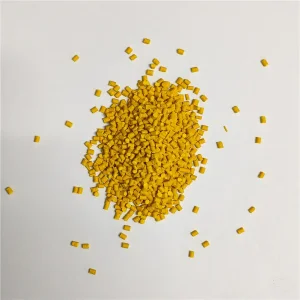
Premium color consistency, non-toxic, non-migrating formulations for plastic injection, blowing film, and extrusion manufacturers.
Need custom color matching or high-UV formulations for agricultural films? Contact the Changzhou Jiazhou engineering export team for immediate samples, technical datasheets, and direct factory quotations.
Request Technical Catalog & Free Samples