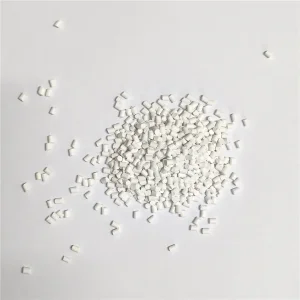
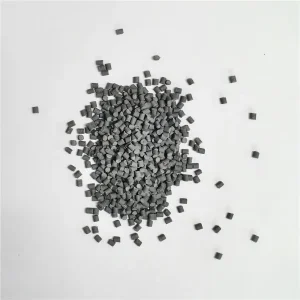
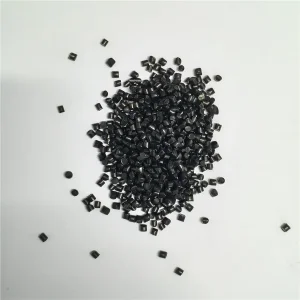
Engineered specifically for high melt-strength blow molding, film extrusion, and precision injection processing. Exceptional thermal stability up to 260°C.
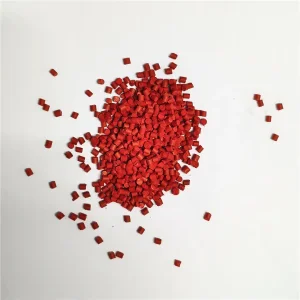
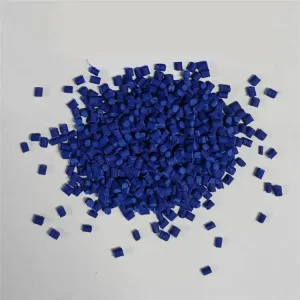
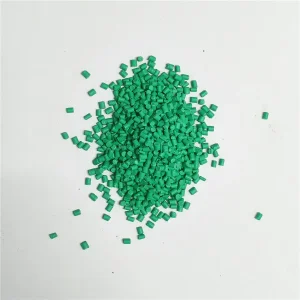
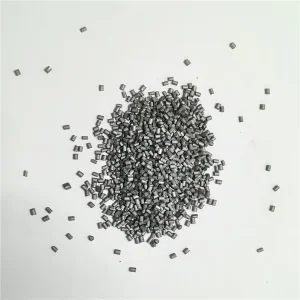
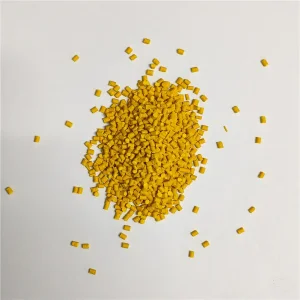
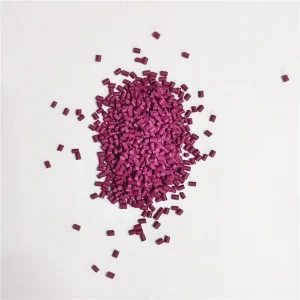
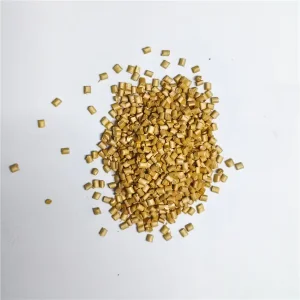
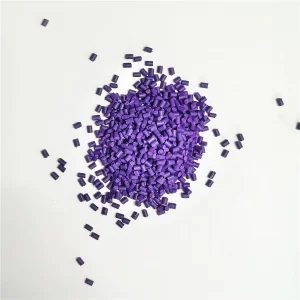
The global plastic processing industry relies heavily on polyethylene (PE) blow molding to manufacture hollow plastic products ranging from small cosmetic squeeze bottles to massive 1,000-liter Intermediate Bulk Containers (IBC tanks). As global supply chains demand higher structural integrity, strict regulatory compliance, and elevated aesthetic appeal, the role of specialized blow molding PE color masterbatch and filler masterbatch has transitioned from basic colorants to engineered functional performance additives.
Unlike injection molding—where polymer melt is forced into closed mold cavities under high pressure—blow molding involves extruding a molten tubular parison that is subsequently inflated against cooling mold walls by compressed air. This distinct processing mechanism introduces unique physical challenges, including parison sag, uneven wall thickness distribution, stress cracking, and pigment streak formation. Consequently, industrial converters cannot rely on generic masterbatch formulations; they require specialized blow molding grade PE masterbatches produced by advanced China masterbatch factories.
China has solidified its position as the world's primary hub for masterbatch manufacturing. Driven by integrated supply chains, automated twin-screw extrusion technologies, and massive raw material polymer clusters in regions like Jiangsu (Changzhou), Chinese masterbatch factories offer unprecedented cost-efficiency and technical agility. Procurement managers across Europe, North America, Southeast Asia, and the Middle East increasingly turn to qualified Chinese masterbatch suppliers to reduce Total Cost of Ownership (TCO) while securing custom-formulated color solutions.
Achieving flawless color dispersion and structural strength in blow-molded HDPE (High-Density Polyethylene) and LLDPE (Linear Low-Density Polyethylene) products demands strict control over resin carrier melt flow index (MFI), particle size distribution, and melt strength matching.
The carrier resin of the masterbatch must match or possess a slightly higher Melt Flow Index (MFI) than the base polymer substrate. If the carrier MFI is too low, masterbatch pellets will not melt uniformly, causing color specks and streaks. If too high, melt strength drops, inducing parison sag in large container molding.
Filter Pressure Value (FPV) according to EN 13900-5 measures organic/inorganic pigment agglomeration. Premium China factories utilize twin-screw co-rotating extruders with specialized mixing elements to achieve FPV levels below 1.5 bar/g, ensuring non-blocking of blow pins and zero pinhole defects.
Poor pigment wetting agents or lower-grade mineral fillers can act as stress concentrators within the PE matrix. High-performance blow molding masterbatches incorporate specific coupling agents to maintain the chemical container’s resistance to ESCR failure under load.
| Performance Parameter | Blow Molding PE Masterbatch | Generic Injection Molding Masterbatch | Industrial Impact on Blow Molding |
|---|---|---|---|
| Carrier Resin MFI | 0.5 – 4.0 g/10min (Tailored to HDPE/LDPE) | 12 – 30 g/10min (High Flow) | Prevents parison sagging and structural wall weakness. |
| Pigment Dispersion (FPV) | < 1.5 bar/g (Ultra-Fine Micronization) | > 4.0 bar/g (Standard Grade) | Eliminates micro-pinholes, color streaks, and blow-out spots. |
| Thermal Stability | Up to 260°C (Non-degrading pigments) | 200°C – 220°C | Prevents color shifting during high-temperature extrusion head residence. |
| Migration & Blooming | Class 5 (Zero pigment/additive migration) | Class 3 – 4 | Essential for food contact containers and pharmaceutical bottles. |
Why are global manufacturers shifting their color masterbatch procurement to leading Chinese masterbatch factories? The competitive edge stems from a combination of advanced chemical infrastructure, massive economies of scale, strict quality assurance protocols, and direct access to high-purity raw materials.
Leading manufacturers, such as Changzhou Jiazhou Plastic Products Co., Ltd., operate multi-line automated compounding facilities equipped with loss-in-weight gravimetric feeders. This ensures precise feeding ratios for pigments, TiO2, carbon black, and processing aids down to ±0.2% accuracy.
Located within major chemical industrial hubs, Chinese masterbatch plants source premium-grade PE resins (SINOPEC, PetroChina) and high-tinting-strength pigments directly. This raw material cluster effect drastically lowers logistics costs and raw material procurement overhead.
Utilizing computer spectrophotometers and color matching algorithms, Chinese technical teams can match target Pantone/RAL codes within 48 hours. Combined with efficient export logistics, typical production-to-shipment lead times are condensed to just 15 days.
Polyethylene blow molding masterbatches cater to diverse end-use markets, each requiring unique physical, thermal, and regulatory characteristics.
Key Requirement: High weatherability, UV stabilization, and ESCR resistance.
Masterbatch Used: High-concentration PE Black Masterbatch (containing 40%-50% fine particle Carbon Black) and Blue PE Masterbatch for 200L chemical drums and IBC tanks.
Key Requirement: Vibrant metallic aesthetics, high gloss, non-toxic, and anti-fading.
Masterbatch Used: PE Silver, PE Gold, Rose Red, and Custom Pastel PE Color Masterbatches designed for soft LDPE/HDPE squeeze containers.
Key Requirement: High opacity, zero odor/taste transfer, FDA and RoHS compliance.
Masterbatch Used: PE White Masterbatch with 60%-70% Anatase/Rutile TiO2 content, ensuring total light blocking to preserve milk and beverage shelf life.
Key Requirement: Chemical inertness, zero migration, solvent resistance.
Masterbatch Used: PE Yellow and PE Green Masterbatches formulated with high-grade organic phthalocyanine pigments to withstand aggressive pesticide formulations.
When evaluating China masterbatch factories, experienced procurement managers evaluate Total Cost of Ownership (TCO) rather than unit price per kilogram alone. A lower-grade, low-cost masterbatch often results in higher overall production costs due to elevated Let-Down Ratios (LDR), increased scrap rates, die build-up, and machine downtime.
| Cost Component | High-Concentration Premium Masterbatch | Low-Cost Diluted Masterbatch | Procurement Cost Advantage |
|---|---|---|---|
| Let-Down Ratio (LDR) | 1.0% – 2.0% Addition Rate | 4.0% – 6.0% Addition Rate | 50%-60% reduction in masterbatch consumption volume per ton of resin. |
| Scrap & Defect Rate | Below 0.5% (Uniform wall opacity) | 3.0% – 5.0% (Color streaks, pinholes) | Drastic savings in regrind handling and wasted virgin resin. |
| Extruder Head Cleaning | Minimal die build-up, non-purging | Frequent pigment buildup and carbonization | Higher overall equipment effectiveness (OEE) and reduced labor downtime. |
| Shipping & Import Freight | Lower freight volume required due to high concentration | Higher shipping tonnage needed for same color yield | Significant international ocean/air freight cost savings per production batch. |
By partnering with specialized suppliers like Changzhou Jiazhou Plastic Products Co., Ltd., global enterprises optimize their manufacturing throughput, guarantee batch-to-batch color consistency, and maintain strict environmental compliance under ISO, RoHS, and REACH standards.
The masterbatch manufacturing industry is undergoing rapid innovation, driven by global sustainability mandates and digital industry 4.0 standards.
To support circular economy initiatives, leading factories are developing masterbatches using Post-Consumer Recycled PE (rPE) and bio-based polyethylene carriers. These formulations integrate seamlessly with recycled bottle flake without degrading mechanical tensile strength.
With global regulatory bans on fluorinated substances (PFAS), advanced China masterbatch suppliers are formulating non-fluorinated PPA additive masterbatches that eliminate melt fracture (sharkskin) during blow molding without environmental toxicity.
Artificial intelligence and spectrophotometric color algorithms enable automated recipe generation, predicting pigment interactions and thermal degradation curves to ensure absolute color repeatability across global factory locations.
Founded in 2010, Changzhou Jiazhou Plastic Products Co., Ltd. stands as a premier manufacturer of high-concentration PE color masterbatch, filler masterbatch, and functional additive masterbatches in Eastern China. Spanning a modern 6,000 m² production facility in Changzhou City, Jiangsu Province, Jiazhou combines over 16 years of polymer technical expertise with state-of-the-art compounding technology.
Operating ISO-certified production lines, Jiazhou serves over 100 countries and regions worldwide, delivering high-dispersion masterbatch solutions for blown film extrusion, blow molding, injection molding, and plastic pipe production. The company's dedicated R&D engineering team offers custom color matching, private labeling, and OEM manufacturing with a guaranteed 15-day order lead time.
Select from our full spectrum of standard and custom PE masterbatches for high-efficiency plastic processing worldwide.