Engineered with micro-pigment dispersion technology to seamlessly replace legacy European and American masterbatch brands in blown film, extrusion, and injection applications.
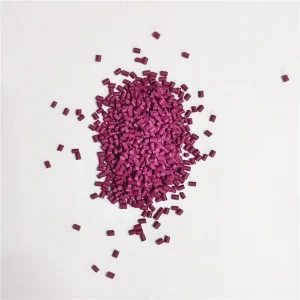
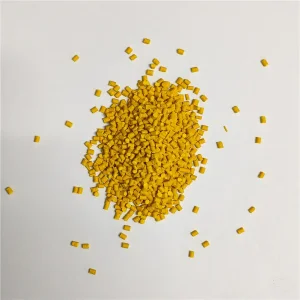
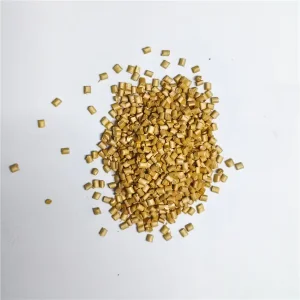
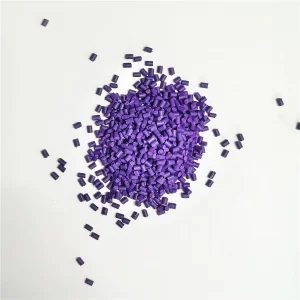
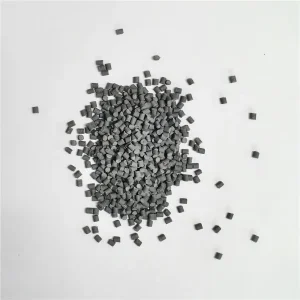
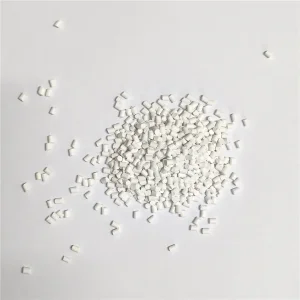
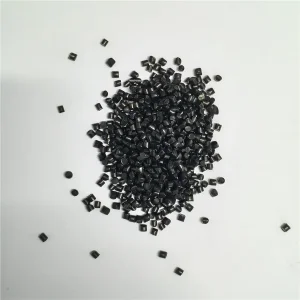
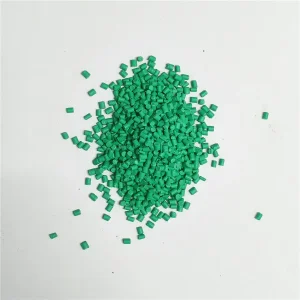
Over the past decade, the global polymer compounding sector has witnessed a profound transformation. Traditionally, multinational resin converters across Europe, North America, and Southeast Asia relied heavily on Tier-1 Western masterbatch suppliers (such as Clariant, Ampacet, and Schulman/LyondellBasell) for high-end polyethylene (PE) colorants and functional additives. However, systemic supply chain volatility, escalating import tariffs, and inflated unit costs have forced global procurement directors to re-evaluate their sourcing matrices.
China's domestic substitute PE masterbatch factories have emerged as the definitive solution to this global bottleneck. Leading Chinese manufacturers—exemplified by advanced facilities like Changzhou Jiazhou Plastic Products Co., Ltd. (with over 16 years of continuous R&D and export infrastructure)—have closed the technical gap. By pairing state-of-the-art co-rotating twin-screw extrusion technology with organic/inorganic micro-pigment surface modifications, Chinese suppliers now deliver technical parity with legacy imported masterbatches at a 30% to 45% lower total cost of ownership (TCO).
Independent rheological and spectrophotometric testing reveals that modern high-concentration Chinese PE masterbatches achieve a color difference Delta E (ΔE) < 0.3 against global standard reference samples, maintaining identical Melt Flow Index (MFI) consistency and filter pressure values (FPV < 0.8 bar/g) required for ultra-thin film blowing down to 8 microns.
Why Tier-1 global plastic converters are replacing imported formulations with Chinese manufacturing tech.
Utilizing high-torque continuous twin-screw compounders, Chinese factories achieve sub-micron pigment de-agglomeration. This ensures speck-free film blowing, eliminates die build-up, and prevents pinhole defects in flexible packaging.
Formulations contain up to 70% titanium dioxide (TiO2) in white masterbatch and 40-50% carbon black or organic pigments in color variants. Higher loading drastically reduces dosage requirements down to 1%-3%, reducing freight and storage overheads.
Carriers are custom-synthesized using LLDPE, LDPE, or HDPE resin grades identical to the target matrix. This prevents phase separation, maintains tensile strength, and preserves the intrinsic impact resistance of finished plastic articles.
Incorporating heat-stabilized organic pigments and antioxidant synergistic packages, these masterbatches resist color shift, thermal degradation, and gas fading during high-temperature injection molding and sheet extrusion.
100% heavy-metal free, complying with EU RoHS 2.0, REACH Annex XVII, EN71-3 toy safety standard, and FDA 21 CFR 177.1520 food-contact regulations for international market access.
While European suppliers often quote 8-12 weeks lead time, Chinese domestic substitute suppliers operate with 15-day manufacturing cycles and provide rapid 48-hour spectrophotometric lab-color matching.
A data-backed technical audit evaluating key polymer processing parameters.
| Performance Parameter | Legacy Imported Masterbatch | China Domestic Substitute (Jiazhou Standard) | Operational Impact |
|---|---|---|---|
| Pigment Loading Efficiency | 50% - 60% (Standard) | 60% - 70% (High-Concentration) | Lower let-down ratio required (1.5% vs 2.5%), reducing raw material cost per ton. |
| Color Variance (ΔE) | ≤ 0.5 vs Target Standard | ≤ 0.3 vs Target Standard | Zero batch-to-batch visual color discrepancies in mass packaging production. |
| Filter Pressure Value (FPV) | < 1.0 bar/g (2-micron mesh) | < 0.8 bar/g (2-micron mesh) | Extends screen pack life by 35% in high-speed blown film extruders. |
| Heat Resistance Rating | 260°C - 280°C | 260°C - 300°C | Prevents discoloration during high-speed thermal injection processes. |
| Lightfastness (Blue Wool Scale) | Grade 6 - 7 | Grade 7 - 8 (Maximum Stability) | Prevents outdoor UV yellowing/fading in agricultural films & pipes for up to 5 years. |
| Average Delivery Lead Time | 60 - 90 Days (Global Shipping) | 15 Days (Factory Direct) | Significantly reduces inventory holding costs & working capital requirements. |
For high-speed, co-extruded 3-layer and 5-layer ABA/ABC blown film lines. Delivers high opacity, smooth surface finish, and excellent sealability for express courier bags, agricultural greenhouse films, and food-grade shrink wrap.
Optimized for rapid cycle times in thin-wall food containers, caps, closures, and domestic plasticware. Ensures zero warpage or shrinkage distortion in HDPE/PP molded parts while maintaining brilliant gloss.
Engineered carbon black masterbatches (P-type and P-E-type) offering fine carbon black particle size (≤ 20nm) to pass strict ISO 4427 / EN 12201 hydrostatic pressure standards for potable water and gas distribution pipes.
Empowering international plastic manufacturers with dependable, scalable, and high-precision masterbatch manufacturing solutions.
How Procurement Officers & Quality Directors can safely transition from Western suppliers to Chinese factories.
Before sample request, verify that the masterbatch carrier matches your base polymer matrix (e.g., LLDPE carrier for blown stretch film, HDPE carrier for rigid blow molding). Matching Melt Flow Indexes prevents phase separation and maintains film dart drop impact resistance.
Provide target Pantone/RAL codes or physical plastic plaques to the factory color lab. Premier Chinese suppliers utilize advanced spectrophotometers (such as Datacolor or X-Rite) to generate automated color recipe curves, ensuring Delta E < 0.3 compliance under multiple light sources (D65, F11, A).
Request Filter Pressure Value test reports under DIN EN 13900-5. For thin film blowing applications (< 15 microns), insist on FPV < 0.8 bar/g to ensure the masterbatch contains no un-dispersed pigment agglomerates that could cause film breakage.
Confirm the supplier provides comprehensive third-party testing documentation (SGS, Intertek, or TÜV) covering REACH SVHC, RoHS 2.0, Heavy Metals (Pb, Cd, Hg, Cr VI), and FDA 21 CFR 177.1520 food-contact suitability.
Execute a 500kg pilot run on high-speed extrusion machinery. Evaluate let-down ratio stability, smoke generation at the die, melt temperature stability, and static buildup to validate production line efficiency.
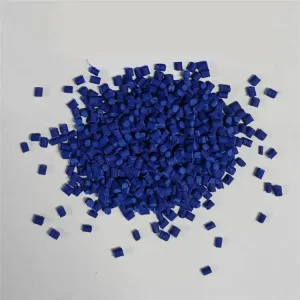
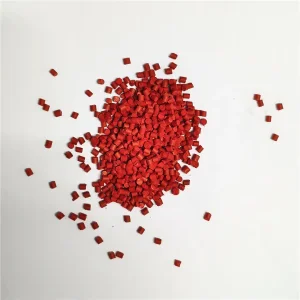
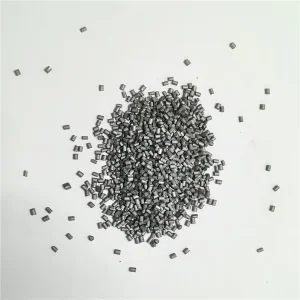
High-concentration, eco-friendly, and heat-resistant formulations direct from our Changzhou factory.
Addressing key technical concerns for international procurement and polymer engineering teams.