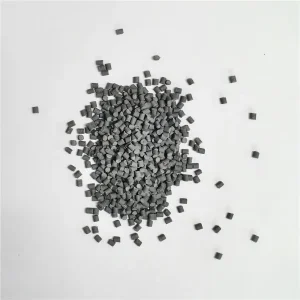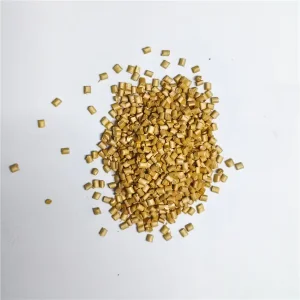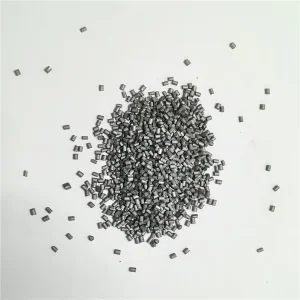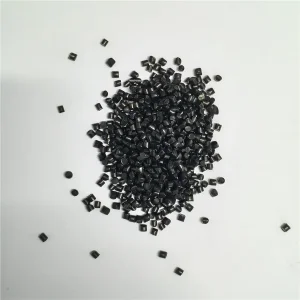
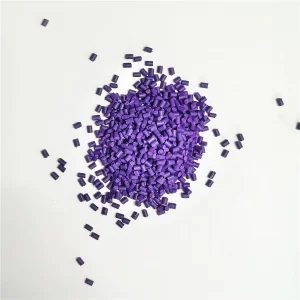
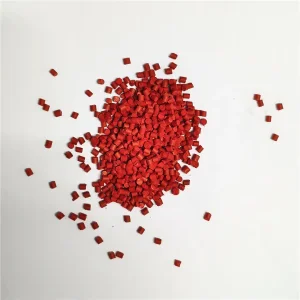
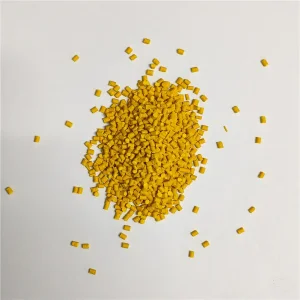
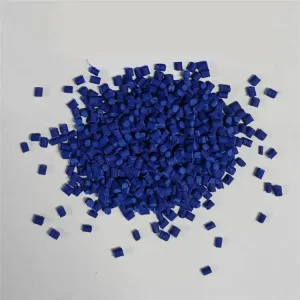
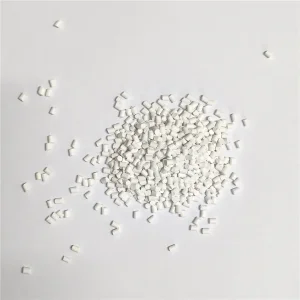
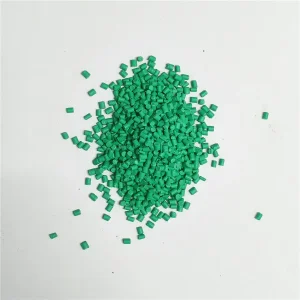
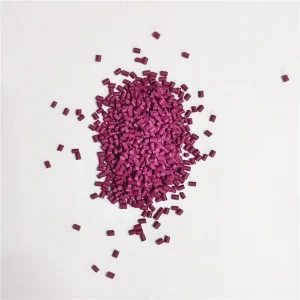
In modern polymer processing, transitioning from traditional raw pigment powders to dustless high-concentrate PE masterbatches represents a fundamental leap in operational safety, material science, and process economics. Dry powder pigments present severe operational vulnerabilities: high risk of explosive airborne dust, respiratory hazards for plant personnel, cross-contamination of processing equipment, and inconsistent color metering due to variable powder bulk density. Leading polymer converters across North America, the European Union, and Asia-Pacific are standardizing on fully encapsulated pelletized masterbatches to fulfill stringent Health, Safety, and Environment (HSE) directives such as ATEX Directive 2014/34/EU and OSHA dust mitigation standards.
Manufactured at Changzhou Jiazhou Plastic Products Co., Ltd. (established in 2010 with over 16 years of direct industry experience), dustless high-concentrate Polyethylene (PE) masterbatches integrate advanced pigment micro-encapsulation technology. Utilizing low-density polyethylene (LDPE), linear low-density polyethylene (LLDPE), or high-density polyethylene (HDPE) as the primary carrier matrix, high-loading active pigments (ranging from 40% to 75% by weight) are homogeneously dispersed alongside tailored hyperdispersants, thermal stabilizers, and processing aids. This whitepaper analyzes the mechanical, rheological, and economic parameters governing dustless PE masterbatches in global industrial automation lines.
To evaluate the operational quality of dustless high-concentrate masterbatches, technical parameters must be validated across standardized laboratory protocols. The table below highlights key performance metrics verified by ISO, DIN, and ASTM testing methodologies across our production lines in Changzhou, China.
| Performance Characteristic | Standardized Test Method | Technical Specification Value | Operational Engineering Benefit |
|---|---|---|---|
| Pigment Dispersion Index | ISO 23900-5 (Filter Pressure Value) | FPV < 0.8 bar/g (14µm mesh) | Prevents screen pack clogging, die lines, and film blowing bubble bursts. |
| Melt Flow Index (MFI) | ASTM D1238 / ISO 1133 (190°C / 2.16kg) | 5.0 to 45.0 g/10 min (Customizable) | Matches virgin resin viscosity for uniform melt mixing during high-speed extrusion. |
| Thermal Stability Limit | DIN EN 12877-2 | 220°C – 260°C (300°C for engineering grades) | Eliminates color degradation, gas volatilization, and yellowing at high temperatures. |
| Color Accuracy (Delta E) | CIE L*a*b* Spectrophotometry | ΔE ≤ 0.5 compared to master sample | Guarantees exact batch-to-batch color repeatability across global supply chains. |
| Dust Content / Friability | Internal Mechanical Attrition Test | < 0.01% Fine Particulate Weight | Ensures clean room compatibility, zero hopper bridging, and pure workplace air. |
| Regulatory Compliance | RoHS 3.0, REACH, FDA 21 CFR, EN 71-3 | Heavy-metal free, non-toxic, low VOC | Approved for food packaging, medical devices, and children's toys globally. |
By adjusting the carrier polymer's molecular weight distribution to match target resins (LDPE, LLDPE, HDPE, PP), our masterbatch pellets melt uniformly within the barrel zone without creating localized shear heat spikes or viscosity drops.
Utilizing non-migratory synthetic wax binders and hyperdispersant coupling agents, primary pigment particles (down to nanometer scales) are fully de-agglomerated, preventing surface streakiness and physical pinholes in thin films.
High pigment loading allows ultra-low let-down ratios (1.0% to 3.0% dosage). This drastically reduces transportation costs, storage footprints, and masterbatch consumption per ton of finished resin product.
The production of premium dustless PE masterbatches requires specialized compounding technology. At Changzhou Jiazhou Plastic Products Co., Ltd., our 6,000 square meter factory operates co-rotating twin-screw extruders equipped with high Length-to-Diameter (L/D) ratios (L/D 44:1 to 48:1). This mechanical configuration ensures maximum distributive and dispersive mixing under precisely controlled thermal profiles.
Raw pigments, carrier resins, and functional additives are continuous-metered using gravimetric loss-in-weight feeders. This eliminates batch-to-batch ratio fluctuations and guarantees accurate pigment loading ratios up to 75%.
The co-rotating twin-screw profile features specialized kneading blocks and reverse-conveying elements. High shear stress ruptures pigment agglomerates without degrading the polymer carrier chain, optimizing physical strength properties.
Melt is passed through fine screen pack changers and micro-pelletized using water-ring or underwater pelletizers. The resulting pellets exhibit a smooth, spherical or cylindrical shape completely free from surface powder dust.
Designed for agricultural mulch films, shopping bags, courier bags, and multi-layer barrier packaging. Features zero micro-voids, excellent opacity, light blocking, and high tear resistance down to 10-micron film gauges.
Optimized for daily consumer goods, plastic crates, storage containers, caps, and closures. Ensures short cycle times, non-warping behavior, uniform shrinkage, and bright, anti-fading color finish.
Formulated with specialized carbon black or inorganic pigments for outdoor HDPE water pipes, gas lines, and corrugated conduits. Delivers UV protection, non-migratory color stability, and 50+ year service life.
As global plastic directives push toward carbon neutrality and zero plastic waste, the masterbatch compounding industry is undergoing significant technological evolution. Our R&D team in Changzhou is focused on three strategic advancement pillars:
Integrating specialized functional compatibilizers that bridge interfacial tension between Post-Consumer Recycled (PCR) PE polymers and virgin masterbatches, ensuring high physical retention in 100% recycled resin streams.
Developing masterbatches utilizing 100% sugarcane-derived sugarcane bio-PE carrier resins. This reduces the cradle-to-gate carbon footprint while maintaining identical processing melt rheology as traditional fossil-fuel PE.
Leveraging surface-modified nano-titanium dioxide and nano-carbon black particles to achieve pigment loading efficiencies exceeding 80%, reducing customer let-down ratios to under 0.8% without sacrificing opacity.