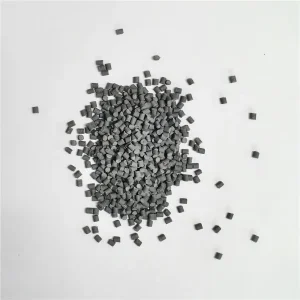
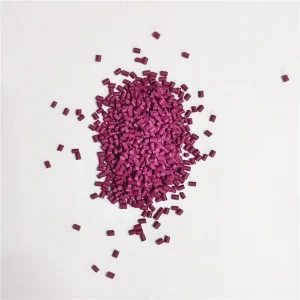
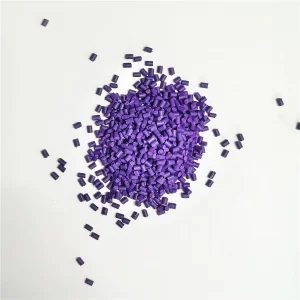
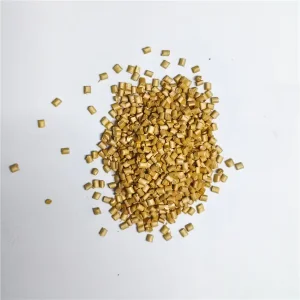
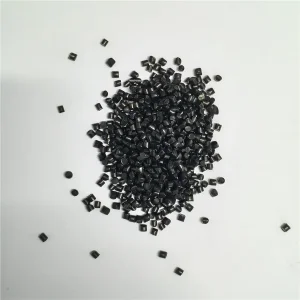
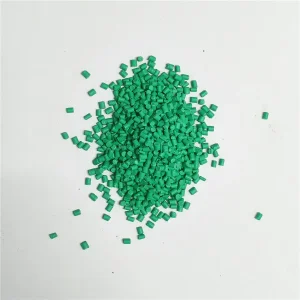
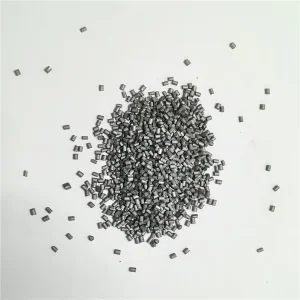
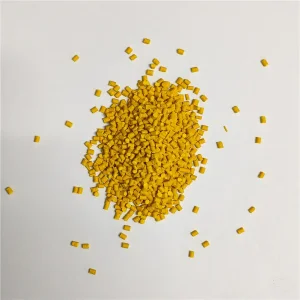
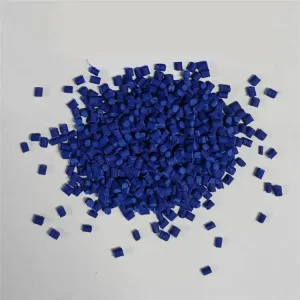
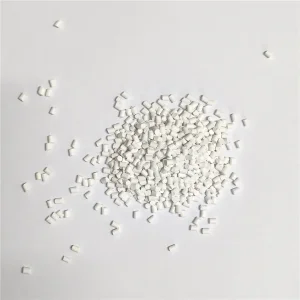
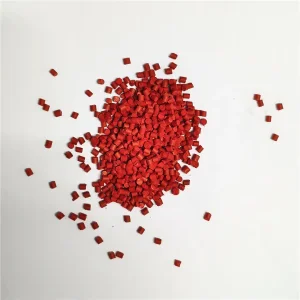
Engineered for high-output blown film, high-speed extrusion coating, and injection molding lines.
Analyzing high-speed polymer lamination, melt-strength physics, and global procurement trends.
Extrusion coating is one of the most demanding polymer processing methods in modern packaging, paper conversion, and composite lamination industries. Unlike traditional blown film or injection molding, polyolefin extrusion coating operates under extreme thermal shear conditions, with linear line speeds frequently exceeding 300 to 600 meters per minute and melt temperatures reaching up to 280°C to 320°C.
In this process, Polyethylene (PE) color masterbatch and functional additives are subjected to rapid melt-draw ratios. Any minor agglomeration of pigment particles, melt instability, or volatility can instantly cause film tearing, pinhole defects, severe edge neck-in, or poor adhesion to substrates such as paperboard, aluminum foil, or woven polypropylene sacks.
China has emerged as the premier global hub for high-performance PE masterbatch manufacturing, driven by an integrated petrochemical supply chain, specialized twin-screw compounders, and continuous innovations in low-density polyethylene (LDPE) melt-strength enhancement.
International buyers searching for reliable China Extrusion Coating PE Masterbatch Companies & Suppliers are no longer merely looking for low prices; they demand rigorous technical compliance—such as Filter Pressure Value (FPV) control, sub-micron pigment dispersion, RoHS/REACH certification, and zero-defect thermal resistance.
Key Engineering Metric: High-quality extrusion coating PE masterbatch must maintain a Filter Pressure Value (FPV) of less than 0.5 bar/g under 14-micron mesh filters to guarantee zero web breaks on 400+ m/min high-speed paper coating lines.
Mastering carrier resin melt flow index (MFI), melt strength, and thermal degradation mitigation.
The carrier matrix must closely match or exceed the melt index of the base extrusion coating resin (typically LDPE or LLDPE with an MFI between 7 to 15 g/10min at 190°C/2.16kg). Utilizing low-MFI carriers leads to poor melt homogenization, streakiness, and elevated neck-in at high draw rates.
Organic and inorganic pigments used in color masterbatches must undergo intense high-shear twin-screw compounding with specialized hyper-dispersants. Aggregate sizes are strictly maintained below 1 micron to avoid micro-voids, pinholes, and loss of tensile barrier properties during molten polymer extension.
Extrusion lamination occurs at thermal thresholds where standard colorants undergo molecular oxidation or shade shifting. China’s premier masterbatch suppliers incorporate high-molecular-weight hindered amine light stabilizers (HALS) and primary/secondary antioxidants to prevent color degradation.
| Property Parameter | Extrusion Coating Grade Masterbatch | Standard Blown Film Grade | Injection Molding Grade |
|---|---|---|---|
| Carrier Matrix MFI (190°C/2.16kg) | 8.0 - 20.0 g/10min (Autoclave LDPE) | 1.0 - 4.0 g/10min (Tubular/LLDPE) | 12.0 - 30.0 g/10min (HDPE/PP) |
| Thermal Stability Horizon | 280°C - 320°C (Continuous 5 min) | 200°C - 240°C | 220°C - 260°C |
| Filter Pressure Value (FPV) | < 0.5 bar/g (14µm screen mesh) | < 1.5 bar/g (25µm screen mesh) | < 3.0 bar/g (45µm screen mesh) |
| Moisture Content Threshold | < 0.02% (200 ppm) | < 0.08% (800 ppm) | < 0.15% (1500 ppm) |
| Maximum Line Speed Compatibility | > 500 m/min without web tear | < 120 m/min bubble speed | N/A (Cycle time based) |
Unmatched supply chain integration, automated compounding technology, and cost efficiency.
China’s polymer additives industry is highly concentrated in strategic manufacturing provinces such as Jiangsu (specifically Changzhou, Suzhou, and Wuxi). These regions house world-class polymer research institutes, automated continuous twin-screw extrusion foundries, and raw material ports.
Proximity to major petrochemical refiners allows Chinese masterbatch companies to directly source high-purity autoclave LDPE carriers, premium grade Titanium Dioxide (TiO₂), and high-color carbon black at competitive prices.
Leading Chinese suppliers implement full-spectrum analytical testing on every production batch. Laboratories equipped with Computer Color Matching (CCM) spectrophotometers, Melt Flow Indexers (MFI), Thermogravimetric Analyzers (TGA), and two-roll laboratory mills ensure color Delta E values stay below 0.5.
This continuous quality monitoring guarantees that global converters receive masterbatch lots with zero batch-to-batch color variation and uniform pellet geometries.
16 Years of Engineering Excellence in PE Color Masterbatch & Filler Masterbatch Manufacturing.
Founded in 2010, Changzhou Jiazhou Plastic Products Co., Ltd. operates a state-of-the-art 6,000 m² production facility in Jiangsu, China. Specializing in high-concentration PE color masterbatch, black/white masterbatch, and high-performance filler masterbatch, Jiazhou delivers tailored polymer solutions to over 100 countries worldwide.
Next-generation additives driving circular plastic economies and high-barrier coatings.
With global regulations pushing for increased Post-Consumer Recycled (PCR) plastic content, Chinese suppliers are engineering universal carrier masterbatches compatible with PCR-LDPE and PCR-LLDPE substrates without causing phase separation or reduced coating adhesion.
In response to EU and US bans on fluorinated substances (PFAS), advanced China masterbatch manufacturers have commercialized fluorine-free Polymer Processing Aids (PPA) that eliminate melt fracture and die lip buildup during high-speed extrusion coating.
Down-gauging trends demand extrusion coating weights as low as 8 to 12 g/m². Special TiO₂ masterbatches with up to 70% pigment loading enable maximum opacity and whiteness at minimal layer thickness, reducing overall material consumption.
Tailored formulations designed for specialized packaging, paperboard lamination, and heavy-duty textiles.
Application Environment: Multi-layer paperboard extruded with PE and aluminum foil for juice, milk, and liquid food packaging.
Solution: Non-toxic, odor-free white PE masterbatches compliant with FDA 177.1520 and EU No 10/2011 regulations. Features zero organoleptic impact, low volatile organic compound (VOC) emissions, and superior neck-in control at 450 m/min line speeds.
Application Environment: Extrusion coating of LDPE/PP molten film onto woven polyolefin fabrics for agricultural and chemical shipping bags.
Solution: High-color strength masterbatches combined with UV stabilization compounds (HALS). Prevents delamination, guarantees moisture barrier protection, and ensures high outdoor color fastness (Blue Wool Scale 7-8).
Application Environment: Co-extruded blown and coated PE films requiring high opacity, tear resistance, and tamper-evident sealing.
Solution: High-concentration PE Black Masterbatch with fine-particle P-type carbon black. Delivers deep jetness, high tensile retention, and excellent anti-static surface properties.
Application Environment: Single or double-sided PE extrusion lamination on paperboard for hot/cold beverage cups.
Solution: Heat-resistant, non-migrating color and translucent masterbatches. Formulated to withstand boiling water temperatures without color bleeding or adhesion failure at the heat-sealed seams.
Essential quality audit criteria for overseas B2B buyers and OEM partners.
Always request full technical datasheets (TDS) specifying the exact melt index (MFI) and density of the carrier resin. Ensure the carrier resin matches your extrusion coating substrate (e.g., LDPE, LLDPE, HDPE, or PP).
Require suppliers to provide FPV test certificates according to EN 13900-5. Low FPV values confirm fine pigment dispersion and absence of un-melted gels or inorganic contaminants that break thin coating webs.
Verify international certifications including ISO 9001:2015, RoHS 2.0, REACH SVHC, FDA food contact compliance, and Heavy Metal Free (EN 71-3) certifications depending on your final product destination.
Addressing core search queries and technical challenges in polymer extrusion coating masterbatches.
For high-concentration PE color masterbatches supplied by top Chinese manufacturers, the recommended let-down ratio (LDR) typically ranges from 1% to 4% by weight, depending on the required opacity, color shade, and coating layer thickness. High-pigment loading formulations allow converters to minimize dosage while maintaining complete visual coverage.
Poorly formulated masterbatches with incompatible carriers or un-dispersed pigment agglomerates alter the extensional viscosity of the molten PE film. This causes severe edge neck-in (narrowing of the extruded web) and edge bead instability. Using high-MFI autoclave LDPE carrier masterbatches ensures stable melt-draw ratio and uniform web width.
Extrusion coating operates at elevated temperatures (up to 300°C–320°C). If the moisture content in the masterbatch exceeds 0.02% (200 ppm), the trapped water instantly turns into steam inside the extruder barrel, resulting in pinholes, surface bubbles, degraded adhesion to paper/foil substrates, and frequent web snap. Masterbatches are sealed in aluminum-foil moisture barrier bags post-production.
Yes. Leading manufacturers like Changzhou Jiazhou Plastic Products offer custom color matching based on Pantone, RAL codes, or physical target samples. Using Computer Color Matching (CCM) spectrophotometers, lab samples are developed within 3 to 5 working days, accompanied by complete technical data sheets (TDS).
Standard lead times for export orders from China are typically 10 to 15 business days. Minimum order quantities generally start at 1 metric ton (1,000 kg) for standard colors (black, white, blue) and 2 to 3 metric tons for specialized custom extrusion coating formulations.
Browse our extensive selection of high-concentration color and additive solutions for global plastics processing.