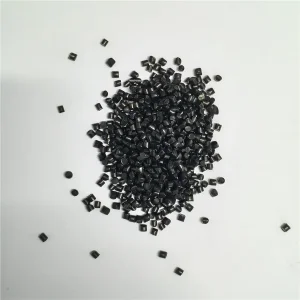
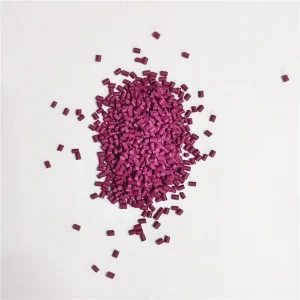
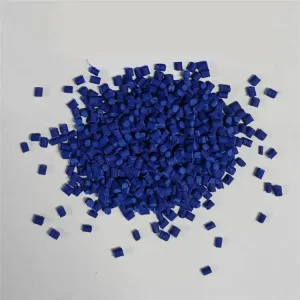
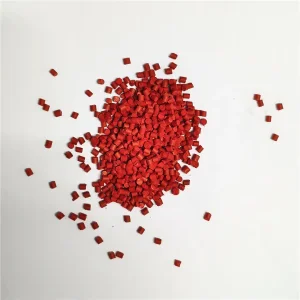
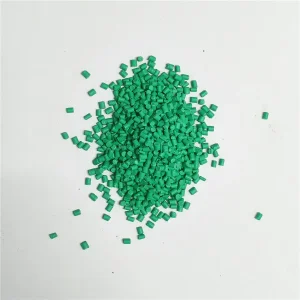
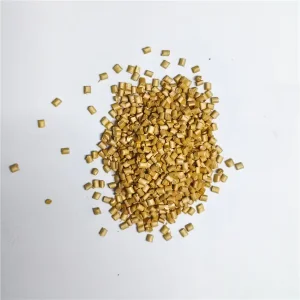
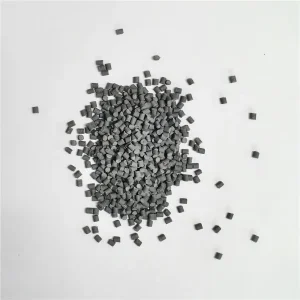
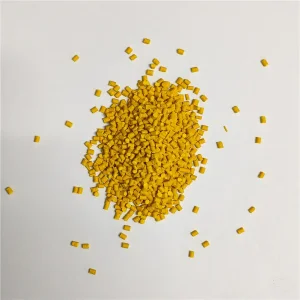
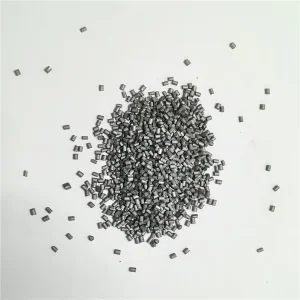
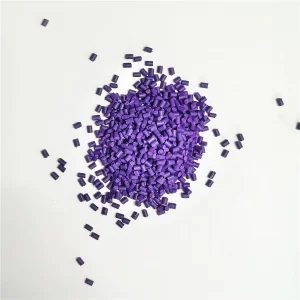
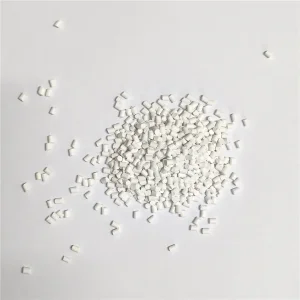
Directly access our flagship color and filler formulations engineered for extreme dispersion, thermal resistance up to 260°C–300°C, and RoHS compliance.
In modern polymer processing, polyethylene (PE) black masterbatch serves as the primary vector for delivering opacity, UV stabilization, conductivity, and aesthetic jetness to thermoplastic products. China has emerged as the global epicenter for high-dispersion masterbatch production, combining chemical engineering advancements with integrated carbon black raw material supply chains.
When global B2B procurement managers, plastic extruders, and blown film manufacturers source China High Carbon Black High Dispersion Black PE Masterbatch Companies & Suppliers, the primary objective extends far beyond simple pigment incorporation. The ultimate goal is achieving homogeneous dispersion of nano-scale carbon black particles within a polyolefin matrix without inducing melt fracture, filter clogging, or mechanical degradation of the base polymer.
High-load carbon black masterbatches (typically containing 40% to 50% furnace or channel carbon black by weight) present significant processing challenges. Carbon black particles possess immense specific surface areas (ranging from 50 $m^2/g$ to over 1000 $m^2/g$) and strong Van der Waals attractive forces, causing them to form dense micro-agglomerates. Inferior masterbatch formulations fail to shear these agglomerates apart during twin-screw compounding, resulting in pinholes in agricultural blown films, surface roughness (sharkskin) in extruded HDPE pipes, and premature mechanical failure under tensile stress.
Understanding the physical chemistry behind carrier matrix selection, dispersant shear mechanics, and pigment loading is vital for procurement specialists seeking high-performance masterbatch solutions.
Carbon black selection determines optical density and UV absorption efficiency. Small primary particle sizes (15nm–20nm) yield intense jetness and UV stability for agricultural films but require high energy input for dispersion. Medium particle sizes (25nm–40nm) provide optimal processability for general injection molding and pipe extrusion.
The carrier resin must match the target base resin (LDPE, LLDPE, HDPE, or PP). A high melt flow index (MFI) carrier (e.g., LLDPE with MFI 20–50 g/10min) ensures rapid melting and wetting of pigment particles, preventing phase separation during film blowing or high-speed injection molding.
Incorporating low-molecular-weight polyethylene waxes (PE Wax) and organosilane coupling agents lowers interstitial viscosity during compounding. This allows 40%–50% carbon black concentrations to achieve fluid-like rheological behavior under twin-screw shear stresses above 10,000 $s^{-1}$.
| Masterbatch Grade Parameter | High-Film Grade Black PE | Pipe/Extrusion Grade Black PE | Standard Injection Grade Black PE | Testing Methodology |
|---|---|---|---|---|
| Carbon Black Concentration | 40% - 50% (P-Type / N220) | 35% - 45% (N330 / N550) | 30% - 50% (Standard Furnace) | ASTM D1603 / ISO 6964 |
| Carbon Black Particle Size | 15 nm - 20 nm | 22 nm - 30 nm | 30 nm - 50 nm | Transmission Electron Microscopy (TEM) |
| Filter Pressure Value (FPV) | < 0.8 bar/g (14 µm mesh) | < 1.5 bar/g (25 µm mesh) | < 3.0 bar/g (45 µm mesh) | EN 13900-5 Standards |
| Thermal Heat Resistance | 260°C - 300°C | 240°C - 280°C | 220°C - 260°C | Thermogravimetric Analysis (TGA) |
| Carrier Matrix MFI (2160g/190°C) | 20 - 45 g/10min (LLDPE) | 7 - 20 g/10min (HDPE/LLDPE) | 10 - 30 g/10min (LDPE/PP) | ISO 1133 / ASTM D1238 |
China’s masterbatch manufacturing ecosystem combines raw material proximity, advanced twin-screw extruders, continuous automated compounding, and cost efficiencies that yield significant competitive advantages for international purchasers.
China hosts world-class carbon black refineries producing high-jetness grades (equivalent to Cabot Mogul L, Orion Special Black 4, and Evonik FW200) directly integrated with regional petrochemical polyolefin producers (Sinopec, PetroChina). This proximity ensures uninterrupted supply of premium virgin LLDPE/LDPE carriers and reduces logistics overheads for masterbatch compounders.
By utilizing continuous co-rotating triple-flight and twin-screw extruders with dynamic volumetric loss-in-weight feeders, Chinese factories achieve maximum energy efficiency (kWh per metric ton produced). This operational scale enables B2B buyers to secure high-concentration masterbatch at competitive FOB/CIF prices without compromising dispersion quality.
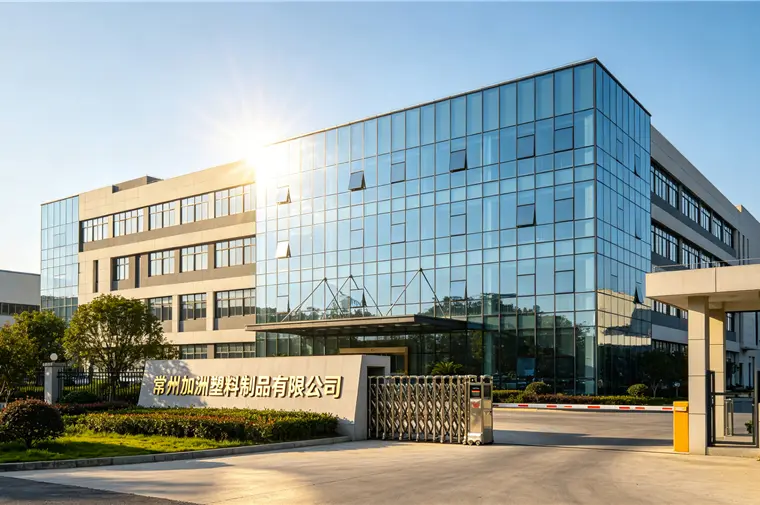
Founded in 2010 in Changzhou, Jiangsu Province, Changzhou Jiazhou Plastic Products Co., Ltd. spans a 6,000 m² state-of-the-art production facility equipped with multi-stage twin-screw extrusion lines, optical dispersion testing labs, and high-shear melt-mixers. Supported by over 50 skilled specialists, Jiazhou exports to more than 100 countries across Europe, the Americas, the Middle East, and Southeast Asia.
High dispersion black PE masterbatch is formulated to perform across three core polymer conversion processes: Blown Film Extrusion, Profile/Pipe Extrusion, and Injection Molding.
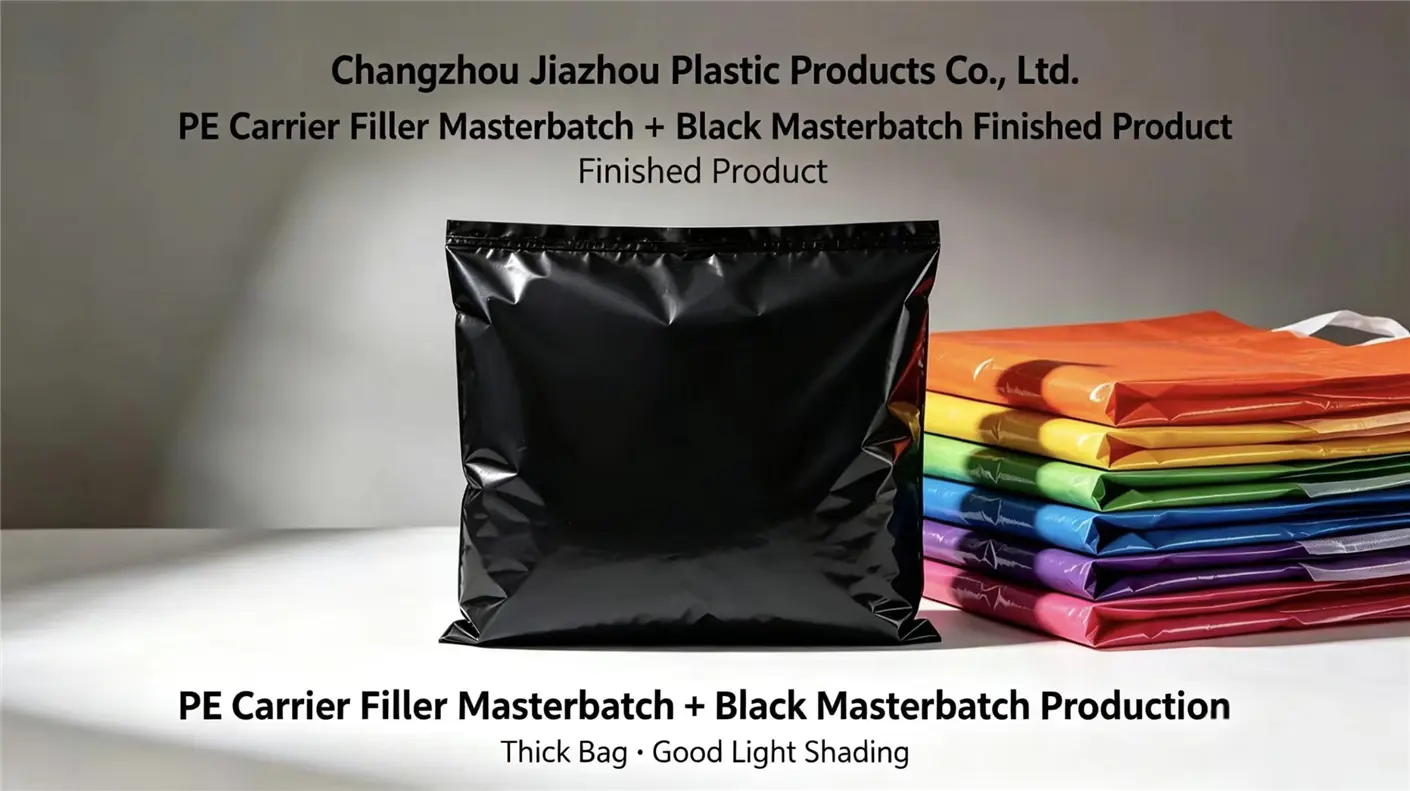
Ultra-thin blown films (10µm to 50µm) used in express courier bags, trash liners, and agricultural mulch demand absolute dispersion. Any micro-agglomerate over 15 microns creates pinholes or tearing under bubble inflation. High dispersion black masterbatch ensures 100% light-blocking opacity, puncture resistance, and smooth surface gloss.
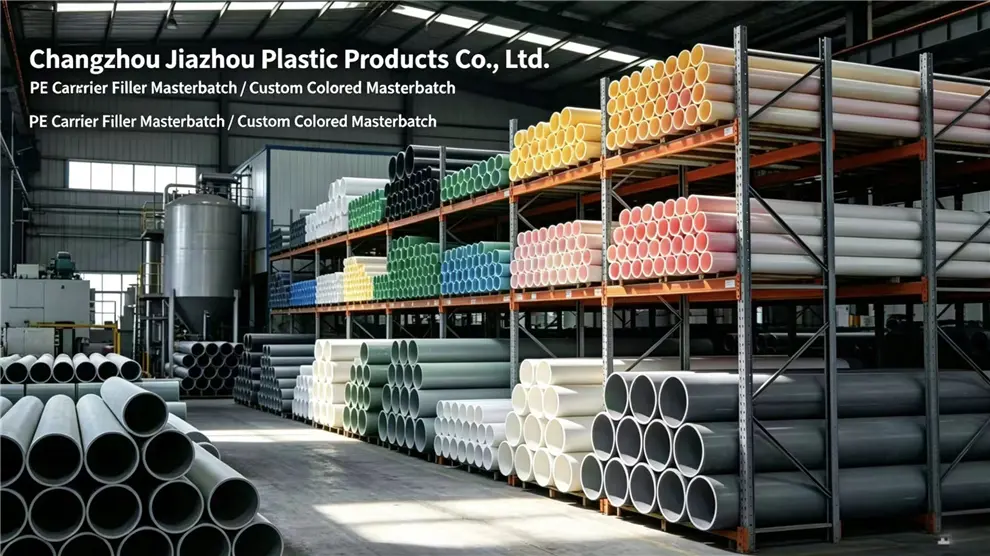
Pressure pipes manufactured from PE100 or PE80 resins require 2.0% to 2.5% carbon black loading for long-term outdoor UV protection (ISO 4427 / EN 12201 compliance). High dispersion masterbatches prevent notch sensitivity and stress cracking, maintaining hydrostatic strength over 50-year service lifespans.
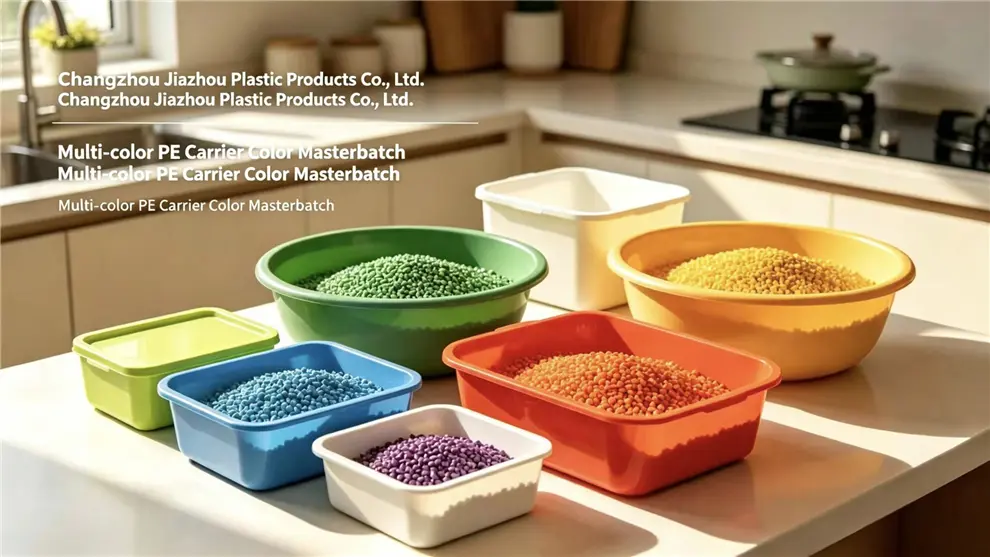
From automotive interior components and electronic enclosures to heavy-duty industrial crates, black PE masterbatch provides uniform surface jetness without causing weld-line weakness or warping. Quick melt homogenization shortens cycle times in multi-cavity hot-runner molds.
To export plastic products to North America, the European Union, Japan, and Australia, masterbatches must strictly adhere to international environmental and safety standards.
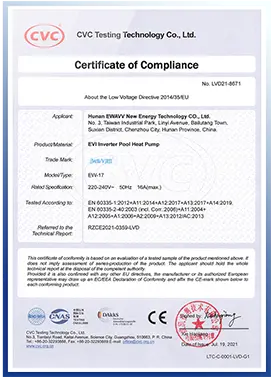
Changzhou Jiazhou Plastic Products Co., Ltd. implements comprehensive laboratory testing for every batch. Key compliance certifications include:
Guarantees complete absence of heavy metals including Lead (Pb), Mercury (Hg), Cadmium (Cd), Hexavalent Chromium ($Cr^{6+}$), Polybrominated Biphenyls (PBB), and Polybrominated Diphenyl Ethers (PBDE).
Compliant with Substances of Very High Concern (SVHC) testing, ensuring safe chemical exposure in consumer-facing plastic goods and packaging films.
Formulated using high-purity carbon black with Polycyclic Aromatic Hydrocarbon (PAH) content below 0.25 ppm, making specific grades suitable for food-contact packaging.
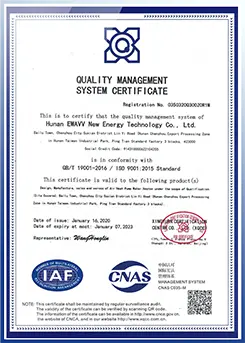
Strict factory quality management systems covering incoming raw material spectrographic analysis, automated compounding, melt-flow index verification, and retention sampling.
The global masterbatch industry is undergoing rapid technological evolution driven by sustainability mandates, post-consumer recycled (PCR) resin adoption, and advanced functional additivation.
As global brands commit to incorporating 30%–50% Post-Consumer Recycled (PCR) plastics into packaging, masterbatch manufacturers are engineering specialized compatibilized black masterbatches. These contain reactive chain extenders that restore melt strength in degraded rPE/rPP resins while maintaining jetness.
Utilizing highly structured Conductive Carbon Black (CCB) and Carbon Nanotubes (CNTs), modern Chinese suppliers manufacture ESD masterbatches with surface resistivity ranging from $10^4$ to $10^9 \, \Omega/\text{sq}$ for electronics packaging, IC trays, and hazardous dust piping.
Driven by material reduction goals, flexible packaging manufacturers are down-gauging films to sub-10 micron thicknesses. This requires hyper-dispersed black masterbatches with FPV values approaching 0.2 bar/g, ensuring zero die-buildup and continuous high-speed extrusion above 300 m/min.
Explore published technical insights directly from our engineering team regarding one-stop masterbatch supply and dispersion quality benchmarks.
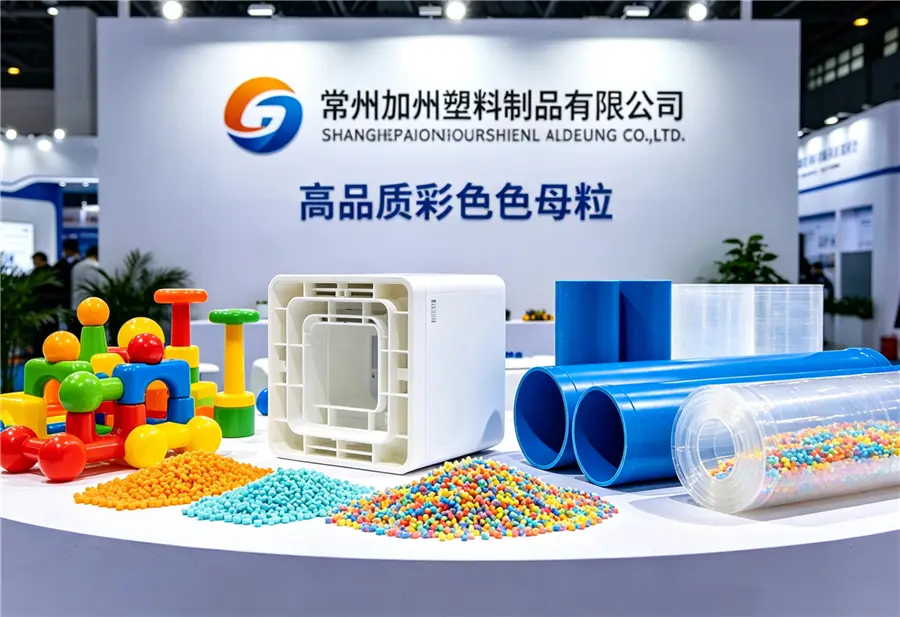
Changzhou Jiazhou Plastic Products Co., Ltd. provides comprehensive masterbatch supply solutions — from color development and custom formulation to global logistics — for B2B buyers worldwide.
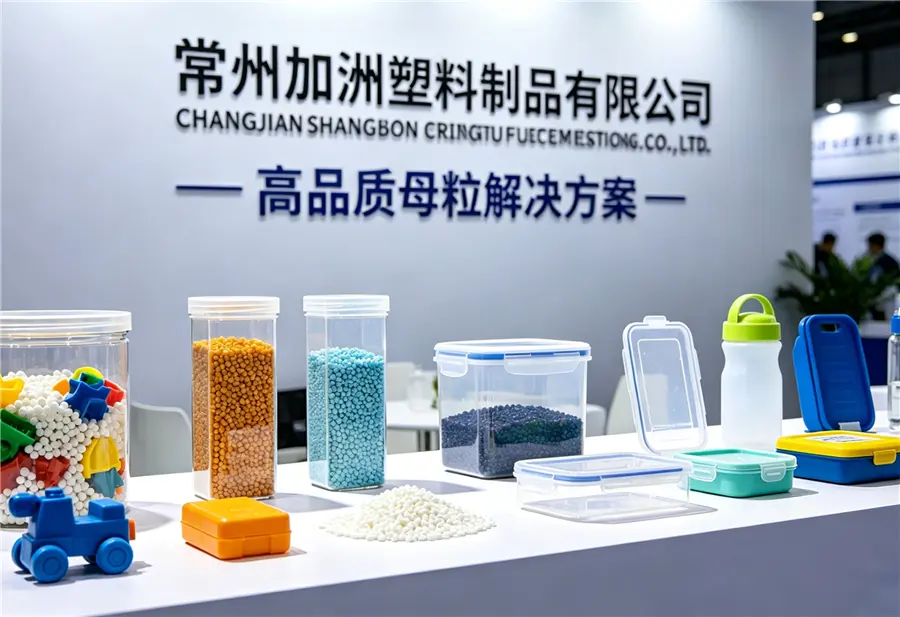
Jiazhou Plastic stands out with superior technical formulations: high pigment loading, excellent dispersion index, and rigorous heat stability testing that exceeds industry benchmarks.
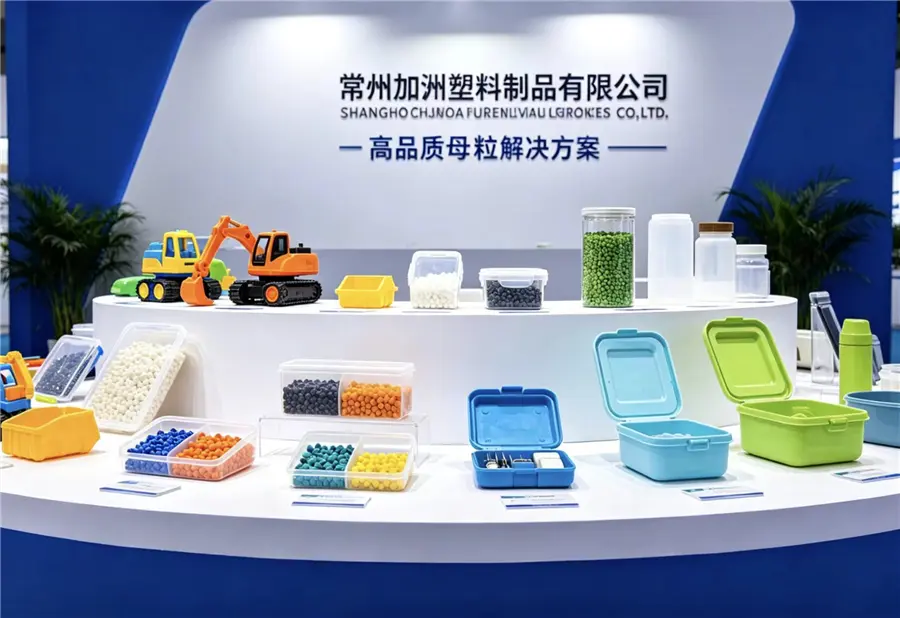
From plastic pipes and packaging films to daily consumer goods — Jiazhou masterbatch delivers consistent performance across diverse industrial applications in global markets.
Detailed answers to technical, commercial, and logistical queries frequently raised by international polymer engineers and purchasing managers.
Explore our complete portfolio of high-concentration color masterbatches, metallic pigments, and weather-resistant additives.