Engineered for precision blown film, high-pressure injection molding, and multi-layer pipe extrusion applications worldwide.
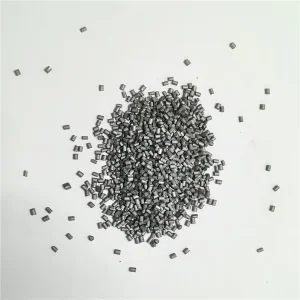
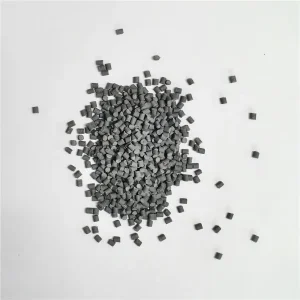
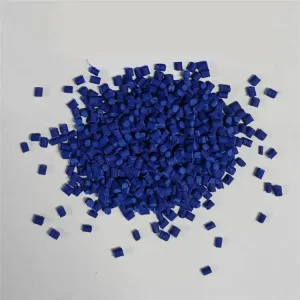
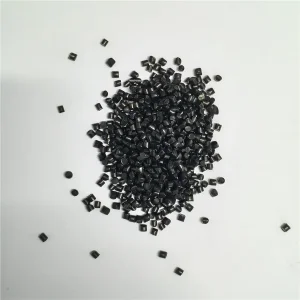
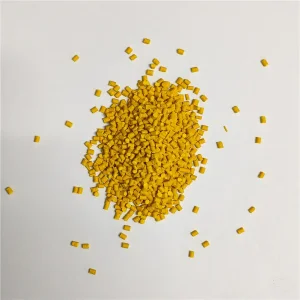
The global thermoplastic industry has witnessed a profound paradigm shift toward high-performance color concentrates, driven by rigorous demands for mechanical integrity, UV resistance, long-term thermo-oxidative stability, and regulatory compliance. At the forefront of this industrial transformation is High Dispersion Black Polyethylene (PE) Masterbatch—a critical engineering input essential for converting virgin and recycled polyolefin resins into high-value end products. From sub-micron agricultural drip irrigation tubing and heavy-duty geomembranes to automotive wire sheathing and ultra-thin packaging films, the physical performance of polyolefin products hinges directly upon the dispersion quality of carbon black within the polymer matrix.
Historically, polymer compounders faced significant hurdles involving carbon black agglomeration, filter screen pack blinding, uneven jetness, surface pinholes, and premature oxidative degradation. Carbon black nanoparticles inherently possess an immense surface area (ranging from 30 to 1,500 m²/g) and strong Van der Waals attractive forces. Without specialized high-shear twin-screw compounding and surface-active dispersing agents, carbon black tends to form tightly bound aggregates. When introduced into polyethylene melt streams during blown film or pipe extrusion, poor dispersion results in localized stress concentration sites, micro-structural voids, compromised dielectric strength, and reduced tensile toughness.
Information Gain Key Insight: True "High Dispersion" is not merely a marketing claim; it is scientifically measured by the Filter Pressure Value (FPV according to EN 13900-5) and ISO 18553 dispersion ratings. Premium Grade Black PE Masterbatch manufactured in leading Chinese factories achieves an FPV of less than 0.5 to 1.2 bar/gram, guaranteeing continuous extrusion without filter clogging or melt fracture.
As global procurement entities seek cost-effective yet technically flawless raw materials, China has emerged as the global manufacturing epicenter for High Dispersion Black PE Masterbatch. Leading modern Chinese factories—exemplified by Changzhou Jiazhou Plastic Products Co., Ltd.—leverage integrated petrochemical supply chains, automated continuous compounding technology, and stringent ISO quality assurance systems to deliver masterbatches that meet and exceed international ASTM, ISO, REACH, and RoHS standards.
Understanding the engineering mechanisms behind zero-defect masterbatch formulation and twin-screw compounding mechanics.
The fundamental optical jetness, tinting strength, and UV protection efficiency depend directly on primary particle size (typically 15nm to 25nm for high-jetness grades) and structure (DBP oil absorption value). Smaller primary particles offer superior UV absorption but demand exponentially higher shear stress during compounding to break apart agglomerates into discrete, uniform dispersions.
Utilizing co-rotating twin-screw extruders with high Length-to-Diameter (L/D) ratios (ranging from 44:1 to 52:1), advanced Chinese compounding facilities ensure optimal Specific Mechanical Energy (SME) input. Special kneading block elements impart intense dispersive and distributive mixing without thermally degrading the virgin polyethylene carrier resin matrix.
A critical technical parameter often overlooked by low-tier suppliers is Melt Flow Index (MFI) compatibility. Premium High Dispersion Black PE Masterbatches utilize specialized Low-Density Polyethylene (LDPE) or Linear Low-Density Polyethylene (LLDPE) carriers with tailored molecular weight distributions, guaranteeing seamless encapsulation and rapid dilution in HDPE, LLDPE, or PP host resins.
Why leading global plastics converters choose Changzhou, Jiangsu as their strategic B2B sourcing partner for high-performance masterbatch solutions.
China's undisputed leadership in masterbatch production stems from a highly integrated industrial ecosystem located primarily in key chemical manufacturing zones such as Changzhou, Jiangsu. This regional cluster offers unparalleled operational and technical advantages that directly benefit overseas buyers in terms of lead times, product quality, and unit cost optimization:
Engineered formulations customized to meet the distinct physical and regulatory demands of global plastic converters.
Technical Requirements: Carbon black particle size < 25nm, carbon content 2.0% - 2.5% in final pipe, Oxidative Induction Time (OIT) > 100 minutes at 200°C according to ASTM D3895.
Masterbatch Role: Prevents photo-oxidative degradation caused by solar UV radiation while ensuring smooth internal pipe walls free of gel specks, maintaining long-term hydrostatic strength over a 50-year service life.
Technical Requirements: Thickness down to 6-10 microns, zero pinholes, high opacity, non-migratory heat stabilizer package.
Masterbatch Role: Provides supreme dispersion (Filter Pressure Value < 0.8 bar/g) to prevent film blowing tears, die buildup, and bubbles, maximizing soil thermal retention and weed suppression.
Technical Requirements: High Environmental Stress Crack Resistance (ESCR), resistance to aggressive chemical leachates, 45-50% carbon loading.
Masterbatch Role: Imparts permanent opacity and structural durability under intense mechanical strain and direct environmental exposure.
Technical Requirements: Deep jetness finish, low VOC emissions, superior weatherability, high dielectric strength.
Masterbatch Role: Guarantees uniform surface aesthetics without weld lines or surface blooming while protecting electrical cabling against outdoor weathering.
Technical Requirements: Masking inconsistent regrind colors, stabilizing melt viscosity, compensating for degraded host resin properties.
Masterbatch Role: High jetness black masterbatch hides color impurities in Post-Consumer Recycled (PCR) polyolefin streams, upgrading recycled scrap into commercially valuable products.
Objective engineering metrics for evaluating China High Dispersion Black PE Masterbatch suppliers against international standard specifications.
| Technical Parameter | Test Standard / Method | Standard Commercial Grade | Jiazhou Premium High Dispersion Grade |
|---|---|---|---|
| Carbon Black Loading (%) | ASTM D1603 / TGA | 30% - 40% | 40% - 50% (±1.5%) |
| Carbon Black Particle Size | TEM Electron Microscopy | 35nm - 55nm | 18nm - 25nm (High Jetness) |
| Filter Pressure Value (FPV) | EN 13900-5 (bar/g) | > 2.5 bar/g | < 0.8 bar/g (Ultra-Clean) |
| Melt Flow Index (MFI) | ASTM D1238 (190°C/21.6kg) | 5 - 15 g/10min | 15 - 45 g/10min (Tailored Carrier) |
| Thermal Processing Stability | TGA / Internal Rheometer | 220°C | 260°C - 300°C (Zero Gassing) |
| Moisture Content (%) | Karl Fischer / ASTM D6869 | < 0.15% | < 0.05% (Vacuum Sealed) |
| Dispersion Rating Grade | ISO 18553 Microscopic | Grade 3 - 4 | Grade 1 (Flawless Homogeneity) |
| Heavy Metal Compliance | RoHS / REACH / FDA | Basic Declaration | Full RoHS, REACH SVHC, Food Contact |
Navigating evolving environmental mandates, EU CBAM, REACH updates, and sustainable polymer innovations.
The masterbatch manufacturing sector is currently undergoing a structural transformation driven by international carbon neutrality targets and tighter chemical restrictions. Chinese factories are at the forefront of implementing these innovations:
To support global brand owners in meeting mandatory recycled content quotas (such as the EU Packaging and Packaging Waste Directive), leading suppliers are producing high dispersion black masterbatches formulated with 100% certified PCR polyethylene carrier bases (rLDPE / rHDPE). These formulations maintain mechanical equivalence to virgin-carrier masterbatches while significantly reducing Scope 3 carbon emissions.
With global regulatory bodies restricting Per- and Polyfluoroalkyl Substances (PFAS), advanced masterbatch compounders have developed PFAS-free melt processing aids. Integrated into black PE masterbatches, these novel non-fluorinated additives eliminate melt fracture (sharkskin defect) and reduce die buildup during high-speed film blowing without violating chemical compliance mandates.
Traditional carbon black absorbs NIR radiation, rendering black plastics invisible to automated optical sorting equipment at material recovery facilities (MRFs). Next-generation high dispersion black masterbatches utilize specialized non-carbon black pigment systems or modified carbon structures that reflect NIR spectrum light, enabling black polyolefin packaging to be sorted and recycled efficiently in circular waste streams.
Expert answers to common engineering, quality control, and procurement queries regarding Black PE Masterbatch.
Discover comprehensive color, filler, and additive masterbatch options tailored for global industrial procurement.