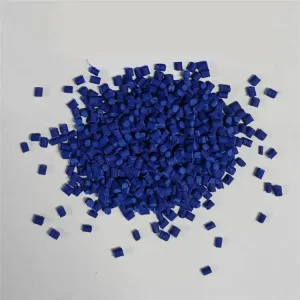
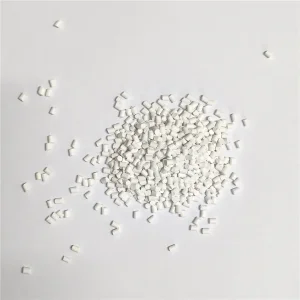
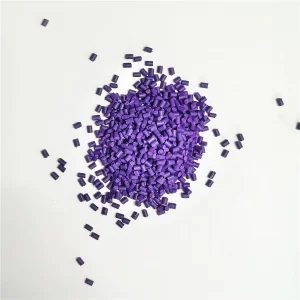
Explore our core range of high tinting strength PE color masterbatches engineered for film blowing, injection molding, and extrusion applications.
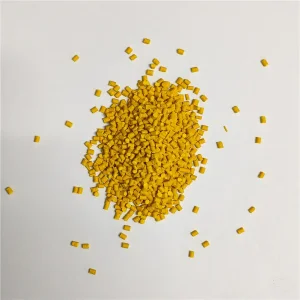
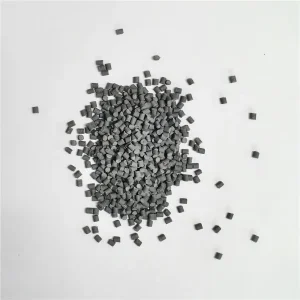
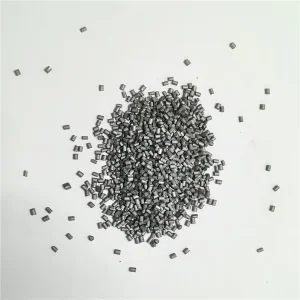
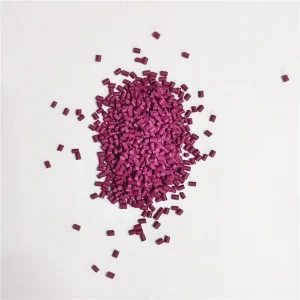
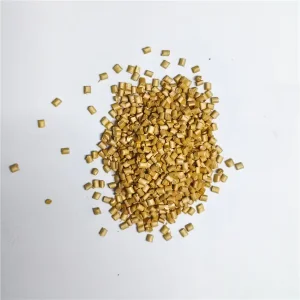
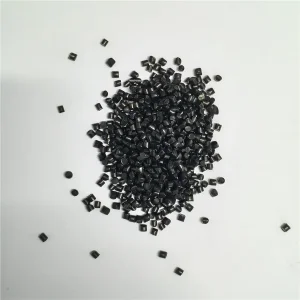
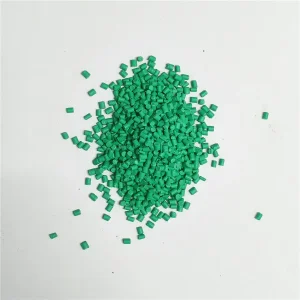
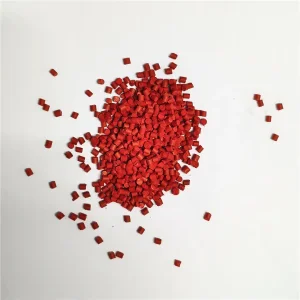
In modern polymer processing, the shift toward lightweighting, high-speed automated extrusion, and strict regulatory compliance has elevated the demand for advanced colorant systems. As global converters transition from traditional dry pigments and low-concentration concentrates, China's manufacturing landscape for High Tinting Strength PE (Polyethylene) Masterbatch has evolved into a global benchmark of efficiency and technical precision.
At the core of high tinting strength performance lies the physics of sub-micron pigment dispersion. Tinting strength is not merely a measure of raw pigment percentage; it is a direct result of how effectively organic and inorganic pigment aggregates are broken down into primary particles (typically sub-micron, between 20nm and 300nm) and homogenously encapsulated within a matrix-compatible Polyethylene carrier (LLDPE, LDPE, or HDPE).
Melt Flow Index (MFI) matching ensures the carrier resin melts slightly ahead of the host resin, minimizing shear degradation while maximizing wetting velocity across extruder screw flights.
High-shear twin-screw extruders with specialized kneading blocks shatter pigment clusters, eliminating microscopic pinholes, streaks, and filter mesh clogging during high-speed film blowing.
Computer-controlled spectrophotometry guarantees tight color tolerance (ΔE < 0.5), preventing batch-to-batch shade variations for premium packaging and automotive parts.
To quantify the economic and engineering advantages of high tinting strength PE formulations, the empirical matrix below highlights critical performance metrics evaluated under standardized ISO and ASTM test protocols.
| Performance Parameter | Standard PE Masterbatch | High Tinting Strength PE Masterbatch | Industrial Value Advantage |
|---|---|---|---|
| Pigment Loading Concentration | 20% - 35% | 45% - 75% | Lower inventory volume, reduced freight overheads. |
| Recommended Let-Down Ratio (LDR) | 3.0% - 5.0% | 0.8% - 1.5% | Up to 60% reduction in masterbatch consumption per ton. |
| Heat Resistance Threshold | 200°C - 220°C | 260°C - 300°C | Prevents color fading during high-temperature injection molding. |
| Filter Pressure Value (FPV) | > 2.5 bar/g | < 0.8 bar/g | Drastically reduces filter screen pack changes and downtime. |
| Weatherability & Lightfastness (Blue Wool) | Scale 4 - 5 | Scale 7 - 8 | Long-term outdoor stability without chalking or fading. |
| Migration Resistance (GS) | Grade 3 | Grade 5 (Non-Migratory) | Safe for food contact, medical packaging, and multi-layer films. |
Headquartered in the vital industrial district of Changzhou, Jiangsu Province, Changzhou Jiazhou Plastic Products Co., Ltd. exemplifies the modern paradigm of Chinese Industry 4.0 polymer manufacturing. Operating across a modern 6,000 square meter facility, the company leverages 16 years of continuous R&D and operational scale.
By combining automated continuous gravimetric feeders, triple-flight co-rotating twin-screw extruders, and inline spectro-colorimetric monitoring, Chinese manufacturers like Changzhou Jiazhou ensure that every micro-pellet delivers exact colorimetric reproduction. The proximity to Shanghai and Ningbo maritime hubs provides robust supply chain agility, maintaining uncompromised lead times and seamless global logistics connectivity.
High Tinting Strength PE Masterbatch is engineered to perform seamlessly across diverse conversion processes. Below is how custom formulations address specific sector demands:
Ultra-thin barrier packaging, agricultural mulch films, and courier bags demand streak-free dispersion. High tinting strength masterbatch prevents pinholes, preserves puncture resistance, and ensures high opacity even at film thicknesses under 15 microns.
For daily consumer commodities, crates, container caps, and automotive interior panels, masterbatches must maintain dimensional stability. Our low-warpage formulations reduce internal mold stress and prevent part distortion during cooling cycles.
HDPE pressure pipes, agricultural drip lines, and construction profiles require continuous outdoor UV protection and thermal stabilization. Carbon black loading up to 50% ensures high UV absorption and prolonged service life.
Navigating global regulatory landscapes requires absolute material transparency. Leading Chinese manufacturers prioritize full international compliance to ensure unhindered market entry across North America, Europe, and the Asia-Pacific region.
Our formulations undergo strict testing to meet international safety and environmental guidelines:
To eliminate color matching friction, our application engineers offer dedicated localized and technical assistance:
The global masterbatch industry is undergoing a structural transition toward circular economy integration and advanced functionalization. The technological roadmap below outlines key innovations shaping the next decade of Polyethylene colorant development:
Development of masterbatches using post-consumer recycled (PCR) PE and sugarcane-derived bio-PE carriers to enable 100% closed-loop recyclable finished products without compromising tinting strength.
Traditional carbon black absorbs NIR radiation, preventing automated optical sorting in recycling plants. Next-gen NIR-black masterbatches allow automated sortation systems to categorize black plastics effortlessly.
Leveraging nano-dispersed pigment structures to achieve desired opacity at Let-Down Ratios as low as 0.3% - 0.5%, radically optimizing logistics and feed accuracy in ultra-high-speed processing lines.
For international procurement directors, technical buyers, and supply chain managers, selecting the right masterbatch supplier requires evaluating total cost of ownership (TCO) beyond initial per-kilogram pricing. Consider the following strategic sourcing framework:
A lower-priced masterbatch with 20% pigment loading often requires a 4% Let-Down Ratio (LDR), whereas a High Tinting Strength masterbatch at a higher upfront price per kg operates at 1% LDR. The net result is a 25% to 40% reduction in total coloring costs per ton of finished resin, alongside lower shipping weight and storage footprints.
Unstable color concentration leads to costly machine adjustments, scrap generation, and customer returns. Work exclusively with manufacturers utilizing automated colorimeter testing, ISO certified batch retention protocols, and formal COA (Certificate of Analysis) documentation for every shipment.
Review our complete suite of specialized masterbatch grades available for international export and custom OEM manufacturing.