Engineered for high-dispersion, zero-migration, low-VOC emissions, and exceptional thermal stability up to 260°C across film extrusion, blown molding, and technical injection applications.
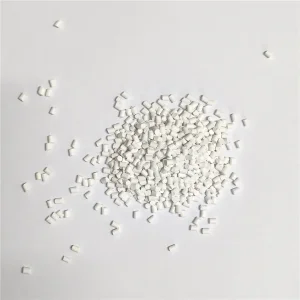
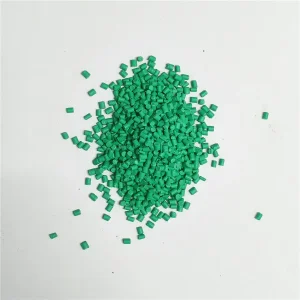
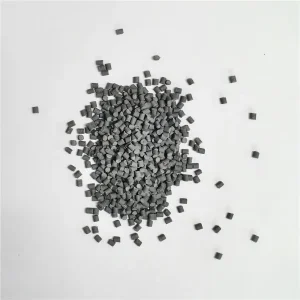
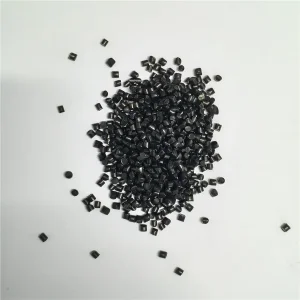
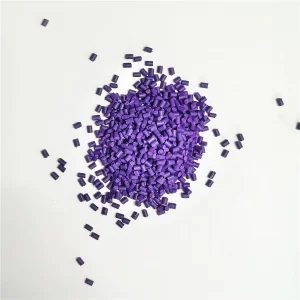
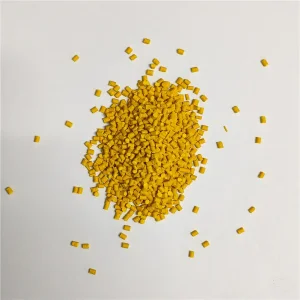
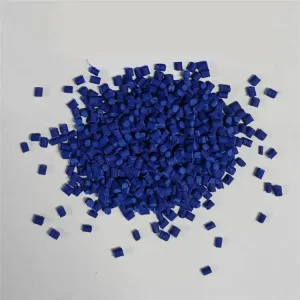
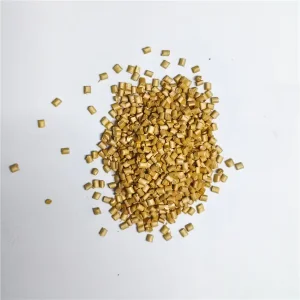
An in-depth analysis of processing science, volatile organic compound (VOC) suppression, and global regulatory shifts driving Polyethylene masterbatch manufacturing in China.
In modern industrial polymer processing, the demand for low volatile polyethylene (PE) masterbatch solutions has transitioned from a niche technical requirement to a mandatory global standard. Driven by stringent environmental directives such as European Union REACH regulations, US FDA food-contact standards, VDA 278 automotive interior testing, and China's national GB 4806 framework, plastic convertors must minimize volatile organic compounds (VOCs), semi-volatile organic compounds (SVOCs), and thermal degradation off-gassing during melt extrusion and injection molding.
Volatility in polyethylene masterbatch systems originates from three primary chemical vectors: residual oligomers from low-grade carrier polymers, thermal breakdown of low-cost dispersion waxes during twin-screw compounding, and moisture or residual solvents embedded within pigment particles (such as carbon black, titanium dioxide, or organic phthalocyanine structures). When exposed to continuous thermal shearing inside processing barrels at temperatures between 220°C and 260°C, these volatile elements undergo instant gasification.
This thermal vapor release manifests in severe manufacturing defects: die-lip buildup (plate-out), pinholes and surface voids in blown packaging films, fogging on automotive windshields (DIN 75201 compliance failure), and unwanted odor transfer in sensitive food or pharmaceutical containers. Leading China low volatile PE masterbatch suppliers address these challenges by replacing traditional wax lubricants with high-molecular-weight processing aids, reactive coupling agents, and multi-stage vacuum degassing extrusion processes.
Formulated specifically to pass stringent automotive thermal desorption standards (VDA 278 VOC/FOG limits), eliminating interior windshield condensation and chemical odor in vehicle cabins.
Ensures zero taste and smell transfer for cap/closure injection molding, liquid pouch film extrusion, and blow-molded dairy containers requiring strict food contact compliance.
Maintains pristine dispersion and color shade fidelity across processing windows reaching up to 260°C without thermal degradation or pigment sublimation.
How top-tier Chinese masterbatch suppliers leverage state-of-the-art co-rotating twin-screw extrusion technology to eliminate low-boiling components.
The manufacturing process of low-volatile PE masterbatch requires meticulous control over stoichiometry, melt viscosity, shear stress, and thermal exposure. Premium Chinese suppliers like Changzhou Jiazhou Plastic Products Co., Ltd. (operating with over 16 years of compounding expertise) utilize custom-designed L/D 48:1 or L/D 52:1 co-rotating twin-screw extruders equipped with high-vacuum degassing ports operating under negative pressure (-0.098 MPa).
| Technical Parameter | Standard Commercial Masterbatch | Low Volatile PE Masterbatch (Jiazhou Standard) | Industrial Impact / Advantage |
|---|---|---|---|
| Carrier Polyethylene Grade | Recycled PE / Low-grade Wax Blend | Virgin High-MFI LLDPE / Metallocene PE | Superior melt homogeneity, zero polymer gel formation |
| Total Volatile Organic Compounds (TVOC) | > 250 - 500 ppm | < 30 - 50 ppm (VDA 278 Tested) | Eliminates smoke during extrusion, compliant with auto/food standards |
| Fogging Characteristic (FOG) | > 5.0 mg condensable volatile matter | < 0.5 mg condensable volatile matter | Prevents windshield haze and optical fogging in sealed units |
| Max Heat Resistance | 200°C - 220°C | 240°C - 260°C (300°C for selective black/white) | No color shift or polymer discoloration at elevated temperatures |
| Odor Rating (VDA 270) | Grade 4.0 - 5.0 (Strong Odor) | Grade 1.5 - 2.0 (Neutral / Low Odor) | Safe for enclosed passenger compartments and sterile medical wrap |
| Pigment Loading Concentration | 20% - 40% | 40% - 75% High Density Dispersion | Lower dosage required (1%-3% let-down ratio), reducing overall resin cost |
In addition to carrier polymer selection, pigment chemistry plays a decisive role in total volatile emissions. Organic pigments containing azo-linkages or residual synthesis solvents tend to undergo thermal cleavage at typical processing temperatures, yielding aromatic amines and volatile organic vapors. Low-volatile masterbatch formulation mandates the exclusive use of high-purity inorganic oxides (such as rutile TiO₂ and furnace carbon black with low polycyclic aromatic hydrocarbon content) or thermally stable condensed polycyclic organic pigments (phthalocyanines, quinacridones, and isoindolinones).
Furthermore, surface treatment of these pigments utilizing hyperdispersants rather than traditional low-molecular-weight stearate soaps prevents migration, blooming, and plate-out on downstream equipment molds. This guarantees clean operation for continuous 24/7 manufacturing without requiring frequent mold maintenance.
Custom-tailored masterbatch strategies solving critical processing challenges in key industrial sectors across Europe, North America, Middle East, and Asia-Pacific.
Used in injection-molded dashboards, door panels, air ducting, and pillar trims. Meets VDA 278, SAE J1756, and OEM-specific low-outgassing requirements, protecting passenger air quality.
Ideal for multi-layer blown barrier film, bottle caps, squeeze bottles, and food containers. Fully compliant with US FDA 21 CFR 177.1520 and EU Regulation 10/2011 for direct food contact.
Applied in IV bag film extrusion, syringe barrels, and pharmaceutical closures. Offers low extractable profiles, biocompatibility compliance, and stability under gamma sterilization.
Utilized in conductive, anti-static, or color-coded PE bags for semiconductor and microelectronic component transit. Prevents outgassing contamination on sensitive optical parts.
China has established itself as the global manufacturing epicenter for advanced masterbatch solutions, combining massive raw material integration, high-capacity twin-screw extrusion technology, and cost-effective compounding engineering. B2B buyers sourcing from qualified Chinese suppliers gain distinct competitive advantages:
Expert insights and technical answers from our Senior SEO & Polymer Engineering Team regarding Low Volatile Polyethylene Masterbatches.
A low volatile PE masterbatch is specially formulated using high-purity virgin polyethylene carrier resins, vacuum-devolatilized pigments, and non-wax hyperdispersants. Standard masterbatches often use low-molecular-weight polyethylene waxes or paraffin carriers that decompose and off-gas VOCs at processing temperatures above 180°C. Low volatile formulations maintain TVOC levels below 50 ppm and pass VDA 278 thermal desorption testing.
During high-speed film blowing, volatile off-gassing causes smoke formation around the die head, leading to die-lip buildup (plate-out), bubble instability, and micro-pinholes in the film web. Utilizing low volatile masterbatch eliminates smoke emissions, keeps extruder die heads clean, prevents pinholes, and ensures uniform tensile strength in thin-gauge packaging films.
Yes. By utilizing thermally stable inorganic pigments (like titanium dioxide or furnace carbon black) and high-heat resistant organic complexes bound within a virgin PE matrix, our low volatile masterbatch grades withstand melt processing up to 260°C (and up to 300°C for premium black/white grades) without chemical breakdown, yellowing, or shade variation.
Our low volatile masterbatch formulations are verified against international standards including VDA 278 (Thermal Desorption Analysis for VOC and FOG), VDA 270 (Odor Testing for Automotive Components), DIN 75201 (Determination of Windshield Fogging Characteristics), and EN 1186 / US FDA 21 CFR 177.1520 for food contact migration limits.
Thanks to high pigment loading and superior dispersion efficiency, the typical let-down ratio ranges from 1% to 4% depending on wall thickness, opacity requirements, and target color shade. For white masterbatch film applications, an LDR of 2% to 5% is standard; for black and color masterbatches, 1% to 3% is often sufficient.
Top Chinese manufacturers utilize computer-controlled gravimetric dosing systems during twin-screw compounding, paired with online Delta E (ΔE < 0.5) spectrophotometric evaluation, Melt Flow Index (MFI) verification, and moisture testing via Karl Fischer titration for every production lot before release.
Explore our complete inventory of color, black, white, filler, and custom masterbatches engineered for blown film, injection molding, and profile extrusion.
Partner directly with experienced Chinese masterbatch engineers. Request free samples, RoHS/REACH compliance documentation, and factory-direct pricing today.
Contact Technical Engineering Team →