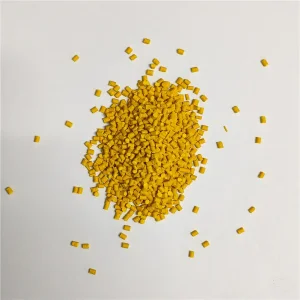
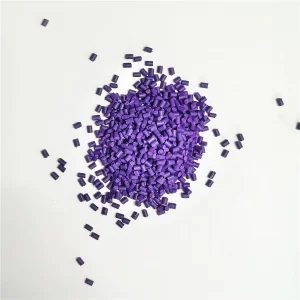
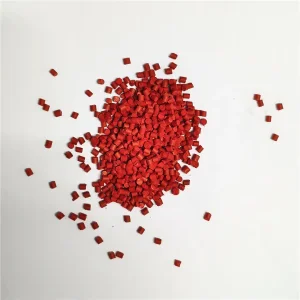
Engineered for ultra-thin blown film, cast film extrusion, micro-embossing, and medical-grade protective glove manufacturing lines.
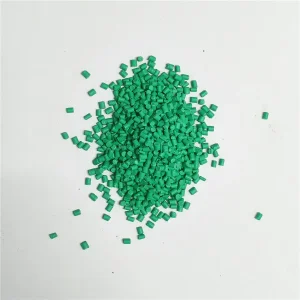
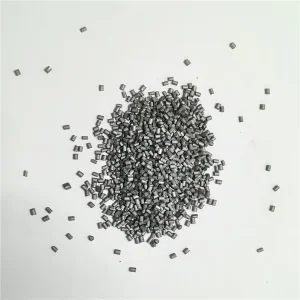
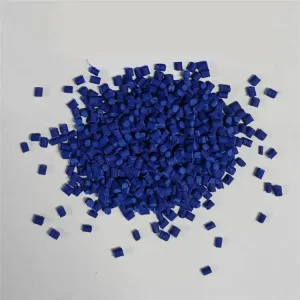
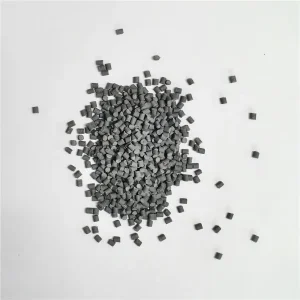
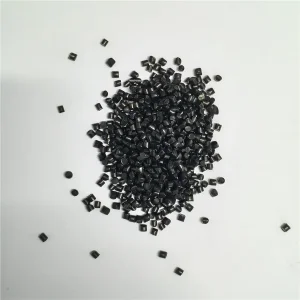
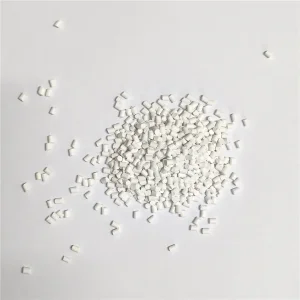
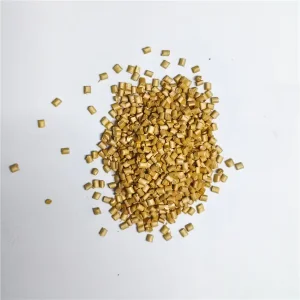
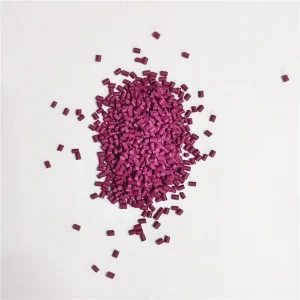
Analyzing the structural shift toward stretch polyethylene, Cast Polyethylene (CPE), Thermoplastic Elastomer (TPE), and High-Density Polyethylene (HDPE) film formulations in protective equipment.
Global protective glove markets are aggressively replacing powdered PVC (Vinyl) and natural rubber latex with non-allergenic CPE and TPE blown films. Masterbatch chemistry plays a pivotal role in delivering the tensile elongation, anti-tack tactile response, and puncture resistance required for high-speed automated glove conversion lines.
Stringent FDA 21 CFR 177.1520 and EU Regulation No 10/2011 standards govern food processing and cleanroom environments. Modern disposable glove masterbatch must feature zero heavy metal migration, non-phthalate organic pigments, and low-blooming slip additives to ensure 100% safety during direct food contact.
With disposable glove film gauges thinning down to 8 to 15 microns to reduce polymer consumption and solid waste, masterbatch formulations must achieve sub-micron pigment dispersion. Agglomerate-free masterbatch prevents pinhole formation, bubble instability, and web breaks during high-draw-ratio film extrusion.
A deep breakdown of carrier resin selection, melt flow index (MFI) synchronization, organic pigment dispersion mechanics, and functional slip/anti-block additives.
In film extrusion for PE disposable gloves, selecting the exact carrier resin matrix is critical to avoid melt fracture and phase separation. Professional manufacturers utilize prime-grade Low-Density Polyethylene (LDPE) or Linear Low-Density Polyethylene (LLDPE) carriers with a Melt Flow Index (MFI) matching or slightly exceeding that of the virgin polymer base (typically 2.0 to 7.0 g/10min at 190°C/2.16kg).
When masterbatch carrier MFI is mismatched, color streaking and non-uniform film thickness distribution occur. High-shear twin-screw compounding ensures the carrier resin encapsulating the pigment particles melts simultaneously with the virgin PE resin during extruder barrel residence, achieving a homogenous melt front.
Disposable PE gloves suffer from vacuum-blocking (layers sticking together) if anti-blocking and slip additives are not precisely controlled. Glove film masterbatches integrate specialized synthetic silica or high-purity natural talc (particle size 2–4 microns) combined with high-purity primary amides such as Erucamide or Oleamide.
The slip agent migrates dynamically to the film surface post-extrusion, reducing the Coefficient of Friction (COF) to between 0.15 and 0.25. This allows seamless glove opening, rapid donning, and high-speed automatic packaging without compromising printability or heat-sealing strength.
Why leading global glove brands and converter factories source masterbatch solutions directly from specialized Chinese production hubs like Changzhou, Jiangsu.
Located in Changzhou, Jiangsu Province, Changzhou Jiazhou Plastic Products Co., Ltd. sits at the heart of East China’s chemical and polymer cluster. Proximity to Sinopec raw material refineries and global dye manufacturers reduces raw material transport lag to under 24 hours, driving lower compounding unit costs.
Deploying continuous loss-in-weight gravimetric feeders, underwater pelletizing systems, and high-L/D co-rotating twin-screw extruders guarantees pellet size uniformity. Each pellet contains an exact ratio of pigment, carrier resin, and processing aid, completely eliminating batch-to-batch color shifts.
Direct access to Shanghai Port and Ningbo Port provides immediate maritime shipping routes to North America, Europe, Southeast Asia, and the Middle East. Standardized lead times of 15 days, combined with OEM customized packaging (25kg moisture-proof valve bags or 1000kg super sacks), guarantee uninterrupted global supply lines.
Operational guidelines for masterbatch integration across Cast Polyethylene (CPE), Thermoplastic Elastomers (TPE), and High-Density Polyethylene (HDPE) glove processing lines.
| Glove Film Type | Recommended Masterbatch Base | Typical Dosage % | Key Performance Metrics | Primary Industrial Sector |
|---|---|---|---|---|
| CPE (Cast PE) Gloves | LLDPE / LDPE High-Dispersion Carrier | 1.5% - 3.5% | Micro-embossing depth retention, tear resistance, soft tactile feel | Food Service, Medical Exam, Light Assembly |
| TPE High-Elastic Gloves | Elastomeric LLDPE / Metallocene PE Carrier | 2.0% - 4.0% | High stretch elongation (>500%), puncture recovery, anti-tack | Surgical Prep, Dental, Beauty & Cosmetics |
| HDPE Embossed Gloves | High-Density PE / Fill Masterbatch Blend | 1.0% - 2.5% | High tensile strength, anti-static, cost-per-unit minimization | Catering, Household Cleaning, Retail Hygiene |
| Colored Medical CPE Gloves | Phthalocyanine Blue / TiO2 White Masterbatch | 2.0% - 3.0% | Strict non-migration, non-toxic, 260°C thermal stability | Hospitals, Cleanrooms, Pharmaceutical Manufacturing |
Practical remedies for common extrusion defects encountered when processing masterbatch in thin glove film manufacturing.
| Extrusion Defect | Root Cause in Masterbatch / Process | Corrective Action & Masterbatch Adjustment |
|---|---|---|
| Die-Lip Buildup (Drool) | Low-molecular-weight additives or poor dispersion of inorganic fillers. | Switch to Masterbatch formulated with fluoropolymer processing aids (PPA) and coated synthetic anti-blocking agents. |
| Surface Fish-Eyes / Pinhole Voids | Moisture absorption in masterbatch or unmelted pigment agglomerates >10µm. | Ensure masterbatch pre-drying (if moisture >0.05%) and specify double-filtered high-dispersion masterbatch grades. |
| Color Streaking / Banding | MFI mismatch between carrier resin and base polymer matrix. | Select a high-MFI PE carrier masterbatch to ensure rapid mixing under high shear stress inside the extruder barrel. |
| Film Blocking (Glove Won't Open) | Insufficient slip agent migration or inadequate anti-block particle loading. | Increase functional slip masterbatch loading or upgrade to a dual-action slip/anti-block combo masterbatch. |
A comprehensive framework for procurement officers and quality assurance managers evaluating Chinese masterbatch manufacturers.
To clear global customs and meet end-user audits, every shipment of Changzhou Jiazhou masterbatch undergoes rigorous third-party testing. Compliance documentation includes RoHS 3 (Directive EU 2015/863), REACH SVHC (EC 1907/2006), FDA 21 CFR 177.1520 food contact safety, and ISO 9001:2015 quality management system certification.
Sourcing high-concentration masterbatches reduces total manufacturing expenditure. By utilizing pigment loadings of up to 40%–70%, converter factories lower let-down ratios (LDR), significantly trimming freight costs per kilogram of active colorant, lowering storage footprints, and reducing energy consumption during extrusion compounding.
Utilizing Datacolor spectrophotometers and automated color matching algorithms, Jiazhou enforces a strict Delta E (ΔE) tolerance of <0.8 relative to master customer samples. Every production batch is subjected to continuous melt flow index testing, filter pressure value (FPV) testing, and thermal degradation checks at 260°C.
Direct engineering insights into dosing percentages, food safety compliance, custom color matching, and film extrusion performance.
For standard CPE and TPE glove films, the recommended let-down ratio (LDR) typically ranges between 1.5% and 3.5%, depending on film gauge thickness and opacity requirements. For ultra-thin HDPE gloves (8–10 microns), a dosage of 1.0% to 2.0% with high-pigment-concentration white or blue masterbatch is recommended to maintain film barrier integrity without inducing embrittlement.
Yes. All disposable glove masterbatch formulations engineered by Changzhou Jiazhou plastic products comply strictly with FDA 21 CFR 177.1520 regulations and EU Regulation No 10/2011. They are formulated with food-grade carrier resins, heavy-metal-free organic pigments, and non-toxic slip and anti-blocking additives, making them completely safe for food handling and catering applications.
TPE gloves contain elastomeric block copolymers that naturally exhibit high surface tackiness. Our functional masterbatches integrate dual-action anti-tack and anti-static agents. Permanent anti-static additives lower surface resistivity to 10^9 - 10^11 ohms/sq, preventing dust attraction and electrostatic discharge, while precision-dosed erucamide slip additives eliminate surface tackiness during automatic glove stripping and packaging.
Absolutely. We operate a dedicated spectrophotometric color laboratory. Customers can supply target Pantone/RAL color codes or physical film samples. Our R&D team develops custom formulations within 48 hours, providing free lab trial samples along with complete technical datasheets (TDS) and safety datasheets (SDS).
Cast film lines feature rapid chill-roll quenching and high line speeds, requiring masterbatches with higher melt flow indices (MFI 5.0 to 10.0 g/10min) and thermal stability up to 260°C. Blown film lines require moderate MFI (1.5 to 3.5 g/10min) to maintain melt strength and bubble stability. Jiazhou customizes carrier resin melt properties based specifically on whether the customer utilizes cast roll or blown film machinery.
When stored in original sealed, moisture-proof packaging in a cool, dry warehouse away from direct sunlight, our PE masterbatches retain full processing performance for up to 24 months. If stored in high-humidity conditions for prolonged periods, pre-drying at 70°C for 2 hours before processing is recommended to eliminate surface moisture.
Select from our specialized PE color concentrates engineered for extrusion, blown film, injection molding, and disposable hygienic product lines.