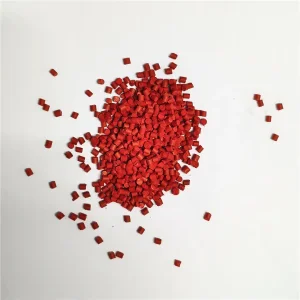
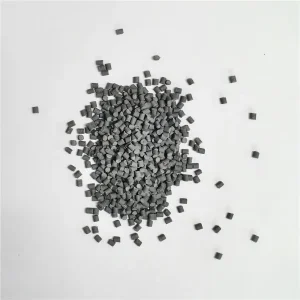
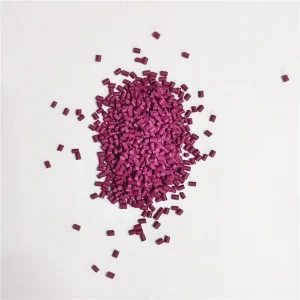
Explore our top-tier color concentrates engineered with high-loading pigment dispersion, 260°C+ thermal stability, and strict RoHS/REACH compliance.
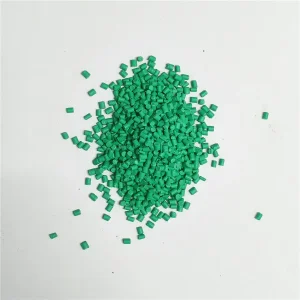
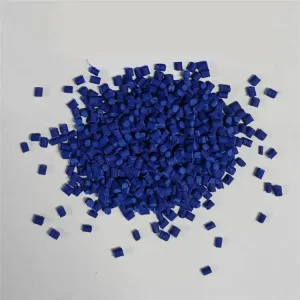
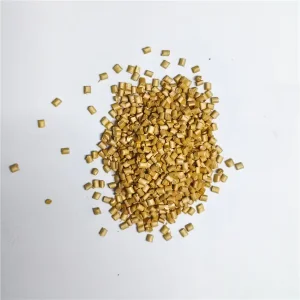
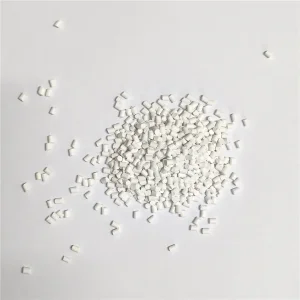
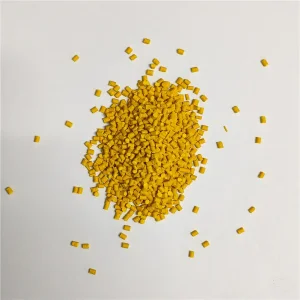
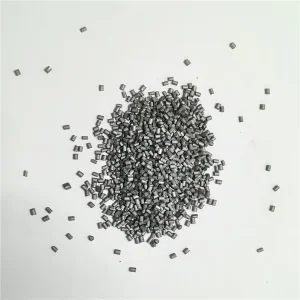
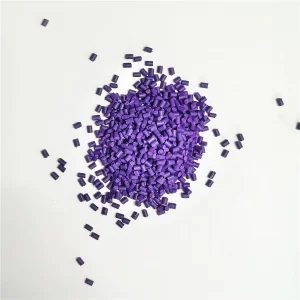
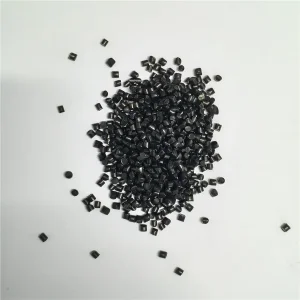
A strategic technical deep-dive into how Chinese masterbatch producers are redefining polymer color chemistry, extrusion efficiencies, and global distribution chains.
Global plastic converters are rapidly moving away from raw pigment powders and liquid colorants toward high-density Polyethylene (PE) carrier color masterbatches. This shift mitigates airborne dust contamination, optimizes Melt Flow Index (MFI) consistency, and delivers exact color metering in high-speed extrusion lines.
By leveraging ultra-high pigment loading (up to 70% titanium dioxide or 50% organic pigment concentrates), Chinese manufacturers enable plastics processors to reduce let-down ratios (LDR) to as low as 1% to 3%, directly translating into substantial raw material cost reductions.
China has established unmatched backward integration within the petrochemical and pigment manufacturing sectors. This enables suppliers like Changzhou Jiazhou Plastic Products Co., Ltd. to offer rapid sample-matching turnaround, scalable production, and reliable export logistics to over 100 countries.
Empirical metrics demonstrating manufacturing power, laboratory precision, and international delivery capacity.
In modern industrial polymer processing, achieving a perfectly homogeneous color distribution across Polyethylene matrices—including Low-Density Polyethylene (LDPE), Linear Low-Density Polyethylene (LLDPE), and High-Density Polyethylene (HDPE)—requires precise control over carrier resin compatibility, shear-induced dispersion, and surface tension dynamics.
The primary challenge in manufacturing high-grade PE plastic colorants is overcoming the cohesive forces between micro-scale pigment agglomerates. When raw pigments are introduced into plastic melt without an optimized carrier system, incomplete dispersion leads to severe aesthetic and mechanical defects, such as pinholes, streak lines, surface roughness, and reduced tensile strength in blown packaging films or thin-walled injection products.
At Changzhou Jiazhou Plastic Products Co., Ltd., masterbatch compounding relies on advanced co-rotating twin-screw extruders featuring specialized screw elements designed for high shear rate blending. The process follows three distinct physical phases:
Selecting the optimal color masterbatch formulation depends heavily on the end-use plastic transformation process. The table below outlines the core engineering parameters across primary PE colorant categories offered by leading Chinese manufacturers:
| Colorant Category | Primary Pigment / Mineral | Carrier Compatibility | Heat Stability (°C) | Light Fastness (Blue Wool) | Target Applications |
|---|---|---|---|---|---|
| White PE Masterbatch | Rutile TiO₂ (Up to 70%) | LDPE / LLDPE / HDPE | 260°C – 300°C | 7 – 8 | Blown Film, Milk Pouches, Lamination |
| Black PE Masterbatch | High Purity Carbon Black (20-50%) | HDPE / LLDPE | 260°C – 280°C | 8 | Geomembranes, Irrigation Pipes, Agriculture |
| Color PE Masterbatch | Phthalocyanine Blue/Green, Quinacridone | PE / EVA / PP | 220°C – 260°C | 6 – 8 | Injection Crates, Toys, Packaging Bottles |
| Metallic / Pearl Masterbatch | Coated Mica / Aluminum Flakes | LDPE / HDPE | 200°C – 240°C | 6 – 7 | Cosmetic Containers, Premium Caps |
| CaCO₃ Filler Masterbatch | Sub-micron Calcium Carbonate | LLDPE / HDPE | 240°C – 280°C | N/A | Cost Reduction, T-shirt Bags, Extrusion |
With stringent global market regulations regarding chemical safety and environmental impact, Chinese masterbatch factories have elevated their quality assurance frameworks to meet worldwide compliance standards.
Modern PE masterbatch production strictly prohibits lead, cadmium, mercury, hexavalent chromium, polybrominated biphenyls (PBB), and polybrominated diphenyl ethers (PBDE). All formulations designed for food-contact packaging or consumer toys undergo rigorous testing to ensure adherence to EU RoHS Directive 2011/65/EU and REACH SVHC (Substances of Very High Concern) safety mandates.
As brands commit to net-zero carbon goals and increased PCR integration, colorant technology must adapt to yellowish or inconsistent recycled base resins. Advanced grey, black, and high-opacity specialty color masterbatches are engineered with targeted optical brighteners and thermal stabilizers to neutralize color shifts in PCR-HDPE and PCR-LLDPE film lines, turning recycled waste into high-value commercial packaging.
Formulated to excel under specific manufacturing conditions, machinery configurations, and field environments.
Designed with exceptional Filter Pressure Value (FPV) performance to prevent screen pack clogging. Essential for multi-layer co-extrusion packaging films, greenhouse agricultural films, and heavy-duty shipping sacks requiring uniform opacity and anti-blocking properties.
Engineered to eliminate warpage, dimensional distortion, and internal stress in large injection-molded products such as industrial pallets, storage crates, automotive components, and household consumer goods.
High-concentration carbon black masterbatches providing anti-UV protection, oxidative induction time (OIT) expansion, and smooth surface finish for municipal water pipes, telecommunication conduits, and wire jacketing.
Addressing key technical inquiries regarding masterbatch selection, color matching, and manufacturing parameters.
Select from our specialized masterbatch inventory or contact our technical sales team for customized color formulations.