Engineered for precise color dispersion, non-migration, and ultra-thin wall extrusion stability in high-speed straw production machinery.
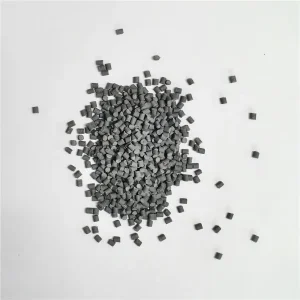
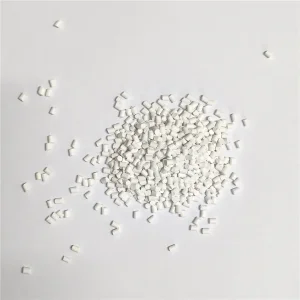
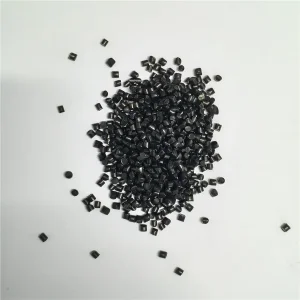
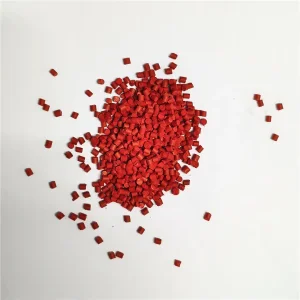
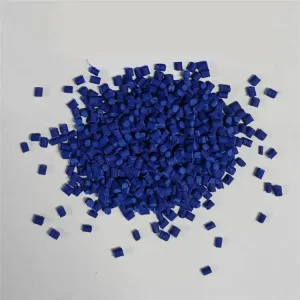
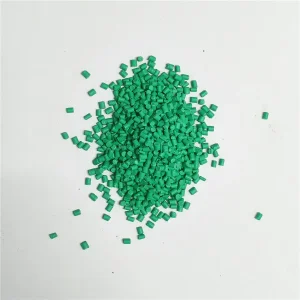
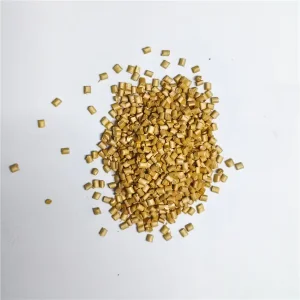
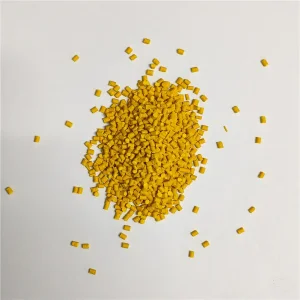
In the contemporary food packaging and beverage service sector, the global demand for food-safe, dimensionally stable, and aesthetically uniform drinking straws remains exceptionally robust. While regulatory shifts have prompted diversification into alternative polymers and bio-based plastics, Polyethylene (PE) plastic straw masterbatch continues to represent the benchmark for flexible, telescopic (u-shaped), and heavy-duty beverage application straws. Sourcing masterbatch from established Chinese manufacturing hubs has become a strategic priority for multinational extrusion convertors seeking optimal melt-flow characteristics, cost efficiency, and full compliance with international food-contact safety standards.
Manufacturing high-performance PE plastic straws requires specialized color and additive masterbatch formulations. Because straw production involves micro-calibre continuous profile extrusion at high line speeds (often exceeding 800 to 1,200 pieces per minute), any microscopic pigment agglomeration or melt instability can trigger wall fracturing, pinhole formation, or non-uniform wall thickness. Consequently, top-tier China PE plastic straw masterbatch suppliers focus on twin-screw co-rotating compounding technologies that achieve nanoscale pigment dispersion inside a carefully tailored Low-Density Polyethylene (LDPE) or Linear Low-Density Polyethylene (LLDPE) carrier resin matrix.
Selecting the ideal masterbatch carrier requires a complete technical understanding of polymer rheology during thin-walled extrusion. Below is an engineering matrix detailing how PE masterbatch performs in profile extrusion relative to competitive polymers:
| Polymer System | Extrusion Processing Temp (°C) | Flexural Elasticity | Organoleptic Neutrality | Masterbatch Carrier Compatibility |
|---|---|---|---|---|
| PE (LLDPE / LDPE Matrix) | 160°C – 220°C | Superior (Ideal for Flexible Bends) | High (Zero Odor Transfer) | 100% Native PE Carrier Integration |
| PP (Polypropylene Homopolymer) | 190°C – 240°C | Rigid / Brittle at Low Temperatures | Moderate to High | Requires PP Carrier (Incompatible with PE) |
| PLA (Polylactic Acid) | 150°C – 180°C | Brittle / Hydrolytically Sensitive | Variable (Lactic Acid Traces) | Requires Specialty Bio-Polymer Carrier |
| PBS / PBAT Blends | 140°C – 170°C | High Elasticity / Soft | Requires Neutral Additives | Specialized Low-MFI Biodegradable Carriers |
Achieving zero-defect extrusion in micro-calibre wall thicknesses requires scientific pigment filtration and tailored melt flow indexing.
Our PE straw masterbatch utilizes virgin LLDPE or LDPE carriers with Melt Flow Indexes (MFI) ranging from 12 g/10min to 25 g/10min (190°C/2.16kg). This ensures rapid viscosity breakdown during plasticization, seamlessly homogenizing with target extrusion base resins without causing pressure drops or die build-up.
Utilizing continuous pressure filter tests (Filter Value < 0.8 bar/g according to EN 13900-5), pigments undergo triple-pass extrusion processing. Agglomerate particles are reduced to under 2 microns, preventing pinholes in ultra-thin straw walls (0.15mm – 0.25mm thickness).
Formulated using high-molecular-weight organic pigments (phthalocyanines, quinacridones) and food-grade rutile titanium dioxide ($TiO_2$). Resists degradation and color shifts up to 260°C while offering absolute anti-migration in acidic juice and alcohol simulant testing.
| Property Parameter | Testing Standard | Standard Value Range | Extrusion Impact |
|---|---|---|---|
| Pigment Content (%) | ISO 3451-1 / TGA | 15% – 70% (Customizable) | Determines addition rate (dosage: 1.0% – 3.0%) |
| Melt Flow Rate (MFR) | ISO 1133 (190°C / 2.16kg) | 10 – 35 g / 10 min | Controls plasticization speed & torque stability |
| Color Difference (ΔE*) | CIELAB Spectrophotometer | < 0.5 (Batch-to-Batch) | Guarantees exact color consistency across lots |
| Moisture Content (%) | Karl Fischer Titration | < 0.05% (500 ppm) | Prevents bubble formation and surface streak flaws |
| Heat Fastness Scale | DIN 54001 | Grade 7 – 8 | Prevents thermal discoloration during hot extrusion |
For global plastics convertors operating across North America, Europe, Southeast Asia, and the Middle East, selecting the right supplier in China extends far beyond basic price-per-kilogram calculations. The Total Cost of Ownership (TCO) in automated straw manufacturing is heavily governed by masterbatch consistency, machine uptime, scrap rates, and international regulatory compliance.
Leading manufacturers in Jiangsu and Zhejiang provinces operate integrated ISO 9001:2015 and ISO 22000 cleanroom manufacturing lines. With automated gravimetric dosing feed systems and annual capacities exceeding 20,000 metric tons, top suppliers guarantee rapid 10-to-15 day export lead times backed by full batch traceability certificates (CoA).
Strict adherence to global food-contact directives guarantees non-toxic, organoleptically neutral straw products.
Fully compliant with U.S. FDA regulations governing olefin polymers intended for direct food and beverage contact.
Exceeds European Union requirements regarding overall migration limits (OML) and specific migration limits (SML) for plastic materials.
Strictly formulated without lead, cadmium, mercury, hexavalent chromium, or phthalate plasticizers (DEHP, DBP, BBP).
Meets Chinese National Food Safety Standards for food-contact plastic resins and additives, verified by accredited third-party labs.
The Problem: When flexible PE straws are bent rapidly during packaging or consumer use, standard rigid color masterbatches often exhibit stress whitening or micro-cracking at the corrugated joints.
The Masterbatch Engineering Solution: Leading Chinese masterbatch formulators incorporate elastomeric PE modifier resins (such as POE - Polyolefin Elastomers) and ultra-fine pigment dispersions into the masterbatch matrix. This lowers the internal stress concentration within the corrugation ridges, preserving visual color hue and structural memory even after thousands of flexible bending cycles.
Key technological trends shaping the next generation of PE masterbatch manufacturing for straw profiles.
Commercialization of masterbatches utilizing 100% bio-based polyethylene (derived from sugarcane ethanol) as the carrier resin. Enables convertors to market 100% renewably-sourced PE straws with identical extrusion processing profiles to conventional fossil PE.
Deployment of real-time machine-learning spectrophotometers directly integrated into the twin-screw compounding line. Instantly adjusts feeder gravimetric ratios to achieve sub-0.2 ΔE color consistency across million-pellet manufacturing runs.
Development of specialized color and deodorizing masterbatches optimized to neutralize yellowness and odor in Post-Consumer Recycled (PCR-PE) resin feeds, facilitating circular economic closed-loop straw extrusion.
Expert responses to critical technical and commercial queries regarding PE straw masterbatch sourcing and processing.
Browse our complete spectrum of color and additive masterbatch formulations tailored for plastic extrusion convertors globally.
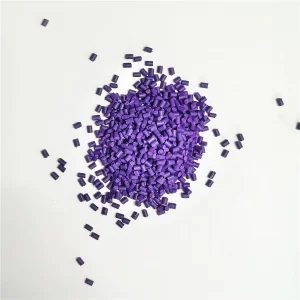
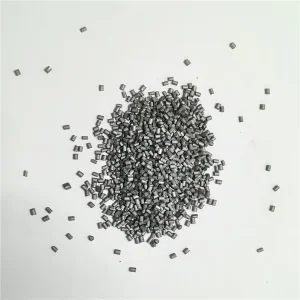
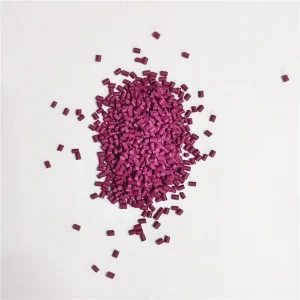
Partner with China's leading PE straw masterbatch engineering experts. Request free technical samples, Pantone color matching, or full regulatory compliance dossiers today.
Request Technical Datasheet & Free Sample Kit