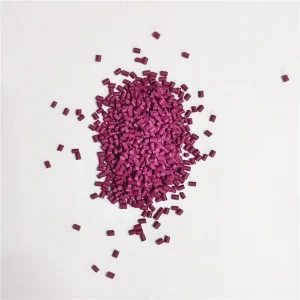
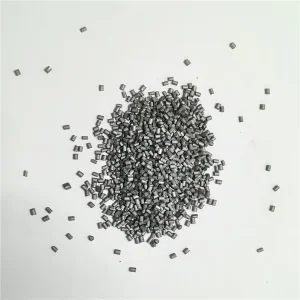
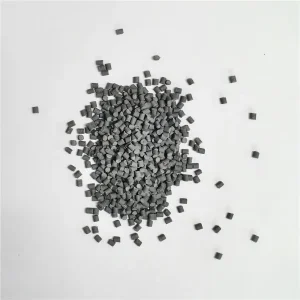
Explore our premium selection of engineered polyolefin masterbatches optimized for blown film, injection molding, and extrusion processing worldwide.
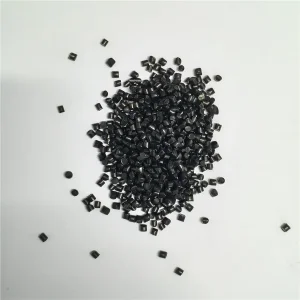
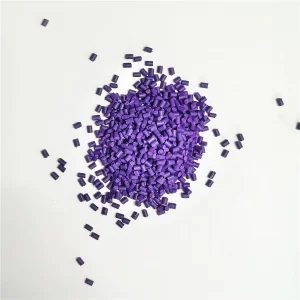
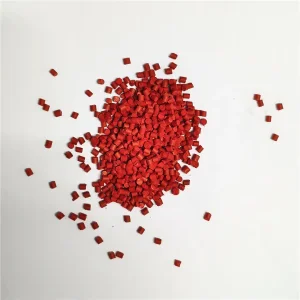
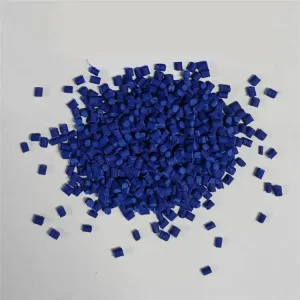
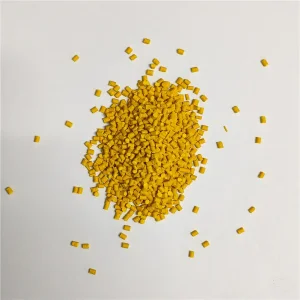
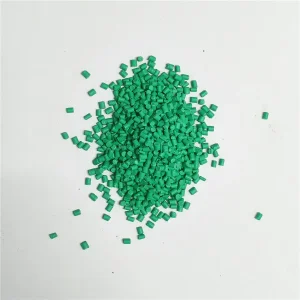
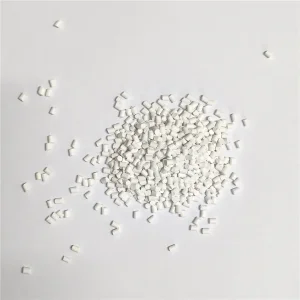
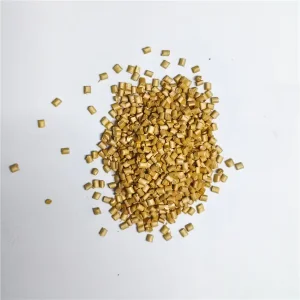
In the rapidly evolving global polymer transformation industry, the demand for specialized color concentrate solutions—specifically high-performance Polyethylene (PE) Purple Masterbatches—has shifted from basic color matching to comprehensive functional optimization. As international procurement hubs seek cost-effective, thermally stable, and non-migratory colorants, China has emerged as the premier manufacturing epicentre. Leading suppliers like Changzhou Jiazhou Plastic Products Co., Ltd. leverage over 16 years of compounding expertise to engineer color concentrates that address structural manufacturing challenges.
This comprehensive industry whitepaper examines the scientific foundation, chemical pigment mechanics, macro-economic landscape, and operational parameters defining high-concentration purple masterbatches. By integrating fine-particle organic pigments (such as Dioxazine Violet PV23 and Quinacridone Violet PV19) within linear low-density polyethylene (LLDPE) or high-density polyethylene (HDPE) virgin carrier resins, manufacturers achieve superior dispersion indexes, thermal resistance exceeding 260°C, and exceptional lightfastness for demanding downstream applications.
Achieving uniform color dispersion in polyolefin matrices requires rigorous control over rheological properties and surface chemistry. Purple pigments, particularly organic dioxazines, present inherent challenges due to high surface energy and agglomeration tendencies during twin-screw extrusion compounding.
Changzhou Jiazhou's proprietary compounding methodology utilizes advanced twin-screw co-rotating extruders equipped with specialized kneading blocks. This configuration imparts optimum shear force, breaking down pigment agglomerates to sub-micron primary particle sizes (<0.5 µm). The integration of low-molecular-weight polyethylene waxes (PE Wax) as dispersing agents wets the pigment surface, reducing melt viscosity and ensuring smooth distribution throughout the host polyolefin matrix without inducing melt fracture or pinhole defects in thin blown films.
| Property Parameter | Technical Benchmark / Standard | Industrial Significance |
|---|---|---|
| Carrier Resin Compatibility | PE (LLDPE / LDPE / HDPE), PP Universal | Ensures zero phase separation and preserves polymer mechanical strength. |
| Pigment Loading Concentration | 25% – 45% Active Violet Formulation | High concentration lowers let-down ratios (LDR), reducing overall unit cost. |
| Heat Resistance Threshold | 240°C – 280°C (DIN 54001) | Prevents thermal color shift during high-temperature injection molding. |
| Lightfastness Grade | 7 – 8 Blue Wool Scale | Ensures long-term outdoor stability against UV-induced color fading. |
| Migration Resistance | Grade 5 (Zero Bleed / Non-Migration) | Crucial for food packaging, toys, and multi-layer film co-extrusion. |
| Melt Flow Index (MFI) | 15 – 30 g/10min (190°C/2.16kg) | Provides rapid, uniform melt blending with host resins in extruders. |
The international market for purple PE masterbatch spans diverse manufacturing sectors. Because purple is visually associated with premium packaging, pharmaceutical safety, and distinctive agricultural branding, top-tier masterbatch suppliers must tailor formulations to stringent regional and end-use requirements.
Used extensively in personal care bottles, cosmetic closures, and luxury flexible films. High opacity and gloss ensure high shelf visibility, while non-toxic formulations comply with international consumer goods directives.
Specialized purple greenhouse films selectively filter specific light wavelengths to enhance photosynthetic activity and regulate internal temperature. Our UV-stabilized masterbatches endure intense solar radiation for multi-season durability.
Engineered for color-coding medical waste bags, diagnostic components, and sanitary personal care products. Formulated with high-purity pigments certified for low heavy metal concentrations and zero cytotoxicity risk.
Applied in storage crates, housewares, electronic enclosures, and toys. Delivers consistent tone-on-tone reproducibility across multi-cavity injection molds with minimal shrink variance.
Integrating purple PE masterbatch into industrial production lines requires adjusting temperature profiles, screw speeds, and let-down ratios. The table below outlines optimized processing guidelines for key plastics machinery:
| Processing Technology | Recommended Temperature Zone (°C) | Optimal Let-Down Ratio (LDR) | Key Process Optimization Strategy |
|---|---|---|---|
| Blown Film Extrusion (LDPE/LLDPE) | 160°C – 190°C | 1.0% – 3.0% | Use high-dispersion masterbatch grades; maintain screen pack filtration (80–120 mesh) to avoid gel spots. |
| Injection Molding (HDPE/PP) | 200°C – 250°C | 1.5% – 4.0% | Increase back-pressure slightly (0.5–1.5 MPa) to enhance color homogenisation in the screw barrel. |
| Sheet & Profile Extrusion | 180°C – 220°C | 2.0% – 4.0% | Ensure uniform moisture control in carrier polymer; pre-dry masterbatch if high humidity is present. |
| Blow Molding (Hollow Containers) | 170°C – 210°C | 2.0% – 3.5% | Optimize melt strength to prevent color streaking across bottle neck and bottom parison pinch-off points. |
Navigating international import regulations demands rigorous verification from masterbatch suppliers. Changzhou Jiazhou Plastic Products Co., Ltd. upholds a comprehensive quality assurance infrastructure, ensuring every shipment complies with destination market safety and environmental standards.
Our PE purple masterbatch ranges are certified compliant with EU RoHS 2.0 (Directive 2011/65/EU), REACH SVHC, and FDA 21 CFR 177.1520 for food-contact plastics. Heavy metals (Pb, Cd, Hg, Cr VI) are strictly controlled below 10 ppm.
Using Datacolor spectrophotometers in our ISO 9001:2015 certified testing facility, we measure color differences under standard illuminants (D65, A, F11). Batches are approved only when Delta E (ΔE*) is maintained within strict tolerances (<0.5 to 0.8).
We provide rapid color development based on Pantone, RAL, or physical target samples. Our R&D team formulates customized masterbatches within 48 hours, delivering lab samples for customer trial extrusions worldwide.
Located strategically in Changzhou, Jiangsu, near Shanghai Port, we export to over 100 countries. We offer moisture-proof heavy-duty packaging (25kg bags with aluminum foil liners, palletized and shrink-wrapped) for extended sea voyages.
As the plastics industry shifts toward circular economy models and sustainable manufacturing, purple PE masterbatch formulations are undergoing significant technological evolutionary steps:
Formulating masterbatches specifically tailored to mask yellowing and inconsistencies in Post-Consumer Recycled (PCR) PE resins, enabling high aesthetic quality in sustainable packaging.
Integrating Near-Infrared (NIR) reflective pigments into purple formulations, allowing automated sorting systems at recycling facilities to detect and classify colored polymers accurately.
Replacing fossil-based carrier resins with bio-derived polyethylene (sourced from sugarcane ethanol) to achieve a lower carbon footprint without compromising thermal or mechanical properties.
Developing ultra-fine spherical micro-pellets (<1.0 mm size) for high-precision dosing in micro-injection molding and high-speed multi-layer film production lines.
Direct insights from our technical compounding team addressing key operational challenges faced by plastic processors.
Color specks generally occur due to mismatched Melt Flow Index (MFI) between the masterbatch carrier resin and the base polymer, or insufficient shear force during extrusion. To resolve this, ensure you select a masterbatch formulated with a carrier resin MFI higher than your base resin (e.g., LLDPE carrier MFI 20 g/10min for base LLDPE MFI 2.0 g/10min). Additionally, increase back-pressure or install a finer screen pack mesh (80–100 mesh) in the extruder breaker plate to enhance melt homogenization.
Thermal discoloration is caused by the thermal breakdown of low-grade organic violet pigments when barrel temperatures exceed their heat resistance threshold. Dioxazine Violet PV23, for instance, exhibits thermal degradation above 250°C during extended residence times. Specify high-heat-resistant masterbatch formulations (utilizing Quinacridone PV19 or stabilized PV23) engineered to withstand processing temperatures up to 260°C–280°C, and minimize barrel residence times during molding pauses.
The Let-Down Ratio (LDR) is calculated using the formula: LDR (%) = [Weight of Masterbatch / (Weight of Base Resin + Weight of Masterbatch)] × 100. For a standard 2% LDR, add 2 kg of purple masterbatch to 98 kg of natural polyolefin resin. Always utilize gravimetric or volumetric automatic dosing units mounted directly on the extruder hopper rather than manual hand-blending to prevent segregation caused by particle density variations.
Migration (blooming or bleeding) occurs when pigment molecules dissolve slightly into the warm polymer melt and crystallize out onto the plastic surface over time. This is prevalent when low-molecular-weight organic dyes or low-cost pigments are used. Ensure your supplier formulates the masterbatch exclusively with high-molecular-weight organic pigments achieving Migration Fastness Grade 5 (DIN 54006 rating) and utilizes polymer-bound dispersing waxes.
Yes, PE-based masterbatches are widely compatible with Polypropylene (PP) resins when used at low let-down ratios (1% to 3%), as Polyethylene and Polypropylene belong to the same polyolefin family. However, for high-temperature PP applications exceeding 260°C (such as PP fiber spinning or thin-wall injection molding), a dedicated PP-carrier purple masterbatch is recommended to prevent melt index imbalances and physical strength reduction.
While PE is hydrophobic, organic pigment additives and processing aids within the masterbatch can absorb ambient air moisture if bags are left unsealed. Moisture content exceeding 0.1% leads to splay marks, bubbles, or voiding in molded components and film blowing. Store masterbatch in its original unopened moisture-proof packaging in a cool, dry place. If exposed to high humidity, pre-dry pellets at 70°C–80°C for 2 hours in a desiccant dryer prior to processing.
Explore our comprehensive range of specialized color masterbatches engineered by Changzhou Jiazhou Plastic Products Co., Ltd.