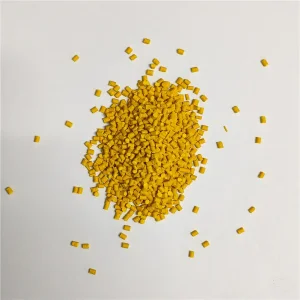
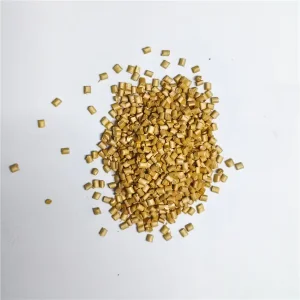
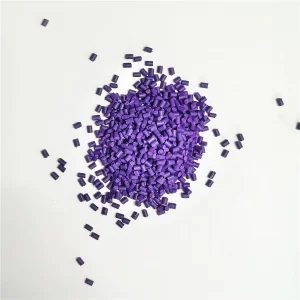
Engineered for blown film extrusion, injection molding, and plastic compounding with high dispersion index, thermal stability up to 260°C–300°C, and non-migration properties.
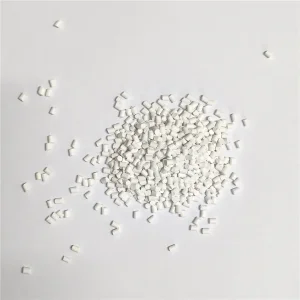
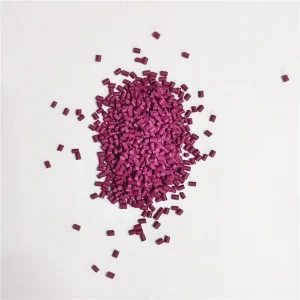
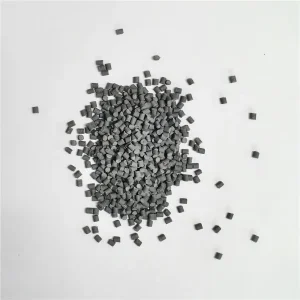
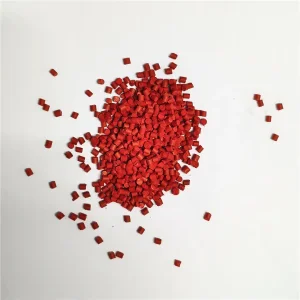
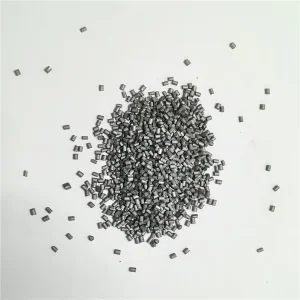
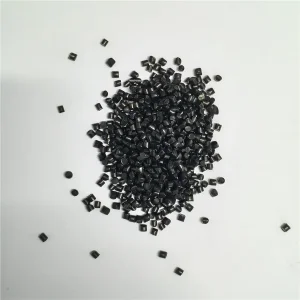
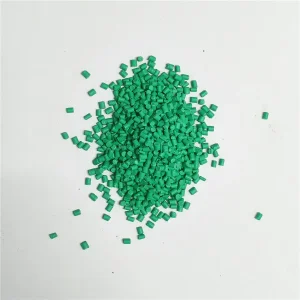
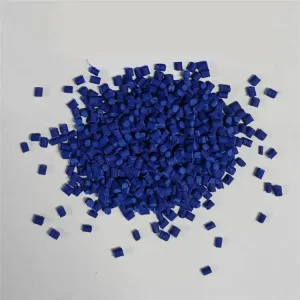
The global polymer processing and plastic packaging sectors are experiencing a profound structural transformation driven by hyper-customization, accelerated product life cycles, and stringent inventory velocity requirements. Polyethylene (PE)—encompassing Linear Low-Density Polyethylene (LLDPE), Low-Density Polyethylene (LDPE), and High-Density Polyethylene (HDPE)—remains the single most widely converted thermoplastic resin globally. However, the procurement landscape for polyethylene masterbatch (concentrated colorant and additive formulations encapsulated within a carrier polymer) has historically suffered from rigid structural friction: traditional chemical conglomerates mandate strict Minimum Order Quantities (MOQs) ranging from 5 to 20 metric tons per color shade.
For mid-sized plastic converters, niche agricultural film producers, specialty cable extruders, and rapid-turnaround consumer goods packaging firms, high MOQ requirements impose crippling working capital lockups, severe warehousing overheads, and high risks of material obsolescence. Recognizing this operational bottleneck, premier Chinese masterbatch manufacturers have revolutionized their supply chain architectures. By integrating specialized micro-twin-screw extrusion infrastructure, digitalized Spectrophotometric color matching algorithms, and automated lean changeover protocols, leading suppliers can now deliver high-concentration PE color and filler masterbatches with low-MOQ options (as low as 100 kg to 500 kg per batch) while maintaining world-class dispersion quality and colorimetric consistency.
SEO & Technical Insights: Modern search intent analysis indicates that global B2B buyers seeking "China Small Order Support PE Masterbatch Company & Supplier" are looking beyond simple unit pricing. Enterprise procurement teams require verified empirical data on melt flow index (MFI) matching, carrier matrix rheology, pigment filtration values (FPV), and international compliance certifications (REACH, RoHS, FDA food-contact standards) when evaluating agile supply partners.
The manufacturing of premium-grade PE masterbatches for small-order procurement demands extreme precision in polymer chemistry. Masterbatches consist of three primary components: organic or inorganic pigments/dyes, carrier resins, and specialized dispersing additives (such as low-molecular-weight polyethylene waxes and metallic stearates). Achieving optimal performance across blown film extrusion, injection molding, and blow molding requires strict adherence to key chemical and physical principles:
The carrier resin serves as the physical vehicle transporting concentrated pigments into the base polymer matrix. A fundamental rule of masterbatch formulation dictates that the Melt Flow Index (MFI) of the masterbatch carrier must be equal to or slightly higher than that of the target processing resin. If the carrier resin exhibits a significantly lower MFI (higher melt viscosity) than the host polymer, incomplete melting occurs, resulting in un-dispersed pigment agglomerates, streaking, and severe tensile failure in thin packaging films.
To maximize economic value in small-order scenarios, masterbatches must feature ultra-high pigment loading (e.g., 50% to 70% Titanium Dioxide for White Masterbatch, 30% to 50% High-Jetness Carbon Black for Black Masterbatch, and 20% to 40% organic pigments for vibrant red, blue, green, and yellow masterbatches). High loading, however, increases the natural tendency of fine pigment particles (primary particle sizes from 15nm to 250nm) to form dense aggregates.
During twin-screw compounding, dispersive mixing breaks aggregate clusters down to their primary particle scales via high shear stress fields, while distributive mixing distributes these particles uniformly throughout the molten polymer matrix. Utilizing specialized co-rotating twin-screw extruders equipped with high length-to-diameter (L/D) ratios (L/D = 44:1 or 48:1) ensures complete pigment wetting, preventing pressure spikes in converter filter packs and eliminating visual surface specks.
Modular small-scale extruder lines optimized for rapid barrel purging, enabling batch production as small as 100 kg without cross-contamination or pigment bleeding.
CIELAB spectrophotometer integration algorithms match target custom colors within 48 hours, keeping color deviation delta E under 0.5 across micro batches.
Thermal stability profiles tested up to 260°C–300°C for engineering applications, preventing anti-fading, blooming, or heavy metal leaching.
Global plastics manufacturers face significant economic trade-offs when managing raw material inventory. Procuring masterbatch from legacy chemical suppliers frequently involves extended lead times (8 to 12 weeks), massive standard MOQs, and rigid contract structures. When an international converter receives a custom low-volume order—such as 2 tons of specialized UV-inhibited agricultural shade net film or 500 kg of custom rose-red cosmetic container caps—committing to a 5-ton masterbatch purchase introduces extreme financial strain.
Partnering with a specialized Chinese supplier capable of low-MOQ PE masterbatch manufacturing reshapes the Total Cost of Ownership (TCO) landscape through several strategic levers:
The table below provides a empirical comparison of core PE Masterbatch categories supplied under flexible small-order frameworks. All values represent standardized testing under ISO and ASTM protocols.
| Masterbatch Grade | Active Concentrate % | Carrier Resin | Heat Stability (°C) | Light Fastness (1-8) | Filter Pressure Value | Primary Industrial Applications |
|---|---|---|---|---|---|---|
| High-Concentration PE White | 60% – 75% Rutile TiO₂ | LLDPE / LDPE | 280°C – 300°C | 8 (Excellent) | < 0.8 bar/g | Lamination film, milk pouches, agricultural mulch, injection molding |
| High-Jetness PE Black | 40% – 50% Carbon Black | HDPE / LLDPE | 260°C – 290°C | 8 (Maximum UV) | < 1.0 bar/g | Geomembranes, drip irrigation pipes, courier bags, cable jacketing |
| Standard & Custom Color | 25% – 45% Organic Pigment | LDPE / Universal PE | 240°C – 270°C | 6 – 7 (High Stability) | < 1.5 bar/g | Blow-molded bottles, daily household items, caps & closures |
| Metallic & Pearlescent | 15% – 30% Metallic Flakes | Special Low-Shear PE | 220°C – 250°C | 7 (Anti-Fading) | N/A (Special Nozzle) | Luxury cosmetic packaging, automotive interiors, decorative film |
| Filler Masterbatch (CaCO₃) | 75% – 85% Fine CaCO₃ | LLDPE Carrier | 250°C – 280°C | N/A | < 1.2 bar/g | Cost-reduction in shopping bags, woven sacks, sheet extrusion |
Maintaining continuous E-E-A-T (Experience, Expertise, Authoritativeness, and Trustworthiness) standards requires rigorous quality control across every production stage. Whether manufacturing a 100 kg small-order trial or a 20-ton export container, verified batch consistency depends on standardized testing protocols:
Regulatory Compliance Safeguards: Small-order masterbatch products manufactured in China adhere to global health and environmental regulations. Raw materials are certified under RoHS 2.0 (Directive 2011/65/EU), REACH SVHC candidate lists, Heavy Metal Free standards (EN 71-3), and FDA 21 CFR 177.1520 regulations for direct food-contact applications.
The future of polyethylene masterbatch manufacturing is rapidly converging with digital automation and circular economy mandates. Over the next decade, three core technological shifts will redefine small-order production:
1. Post-Consumer Recycled (PCR) Carrier Systems: As brand owners strive to meet recycled content targets, masterbatch carriers are evolving from 100% virgin resins to certified PCR-PE matrix carriers. Advanced compatibilizer chemistry compensates for recycled resin degradation, maintaining high dispersion stability.
2. AI-Driven Micro-Dosing and Color Matching: Artificial intelligence algorithms integrated with inline optical sensors allow real-time spectral feedback during micro-batch extrusion, automatically adjusting feeder speeds to eliminate human error during shade matching.
3. Nano-Concentrated Additive Formulas: Next-generation nanostructured pigments enable ultra-high masterbatch concentrations (up to 80% active loading), significantly lowering dosage rates (down to 0.5%–1.0%) and reducing global shipping carbon footprints.
High-concentration pigments, non-toxic formulations, and weather-resistant masterbatches tailored to your exact plastic processing machinery.