High-concentration carrier systems designed for optimal dispersion, high heat resistance up to 260°C–280°C, and exceptional fiber spunbond compatibility.
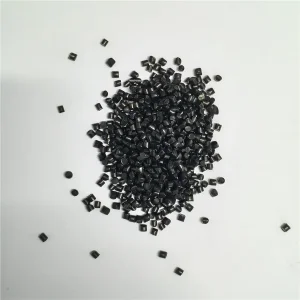
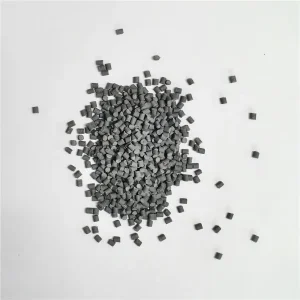
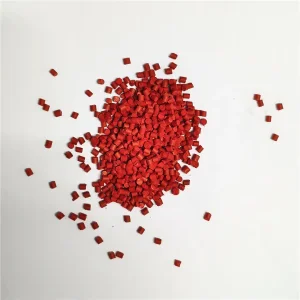
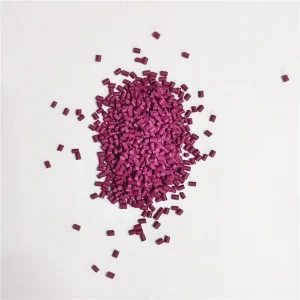
In global medical hygiene and industrial respiratory protection, the evolution of single-use non-woven personal protective equipment (PPE) has shifted from passive mechanical filtration to active biological defense mechanisms. Disposable surgical masks and industrial filtering facepiece respirators (e.g., N95, FFP2, FFP3) traditionally rely on electrostatic meltblown polypropylene microfibers (1–5 µm diameter) to capture bio-aerosols. However, captured pathogens retain viability on non-woven fiber surfaces for hours or days, creating severe secondary contamination risks during mask adjustment, donning, doffing, and waste disposal.
As a specialized Custom Antibacterial Disposable Mask Non-Woven Masterbatch Company & Manufacturer, Changzhou Jiazhou Plastic Products Co., Ltd. addresses this material vulnerability at the polymer melt level. By compounding ultra-dispersed inorganic active antibacterial agents—such as silver ion (Ag+) sub-micron zeolites, nano-zinc oxide (ZnO), and copper-substituted matrix complexes—into high melt-flow index (MFI) Polypropylene (PP) and Polyethylene (PE) carrier resins, our masterbatch delivers permanent microbicidal efficacy directly into spunbond (SSS/SMS) and meltblown non-woven webs.
Unlike surface-spray chemical coatings that degrade under high humidity, rub off during storage, or clog micro-denier spinning spinnerets, melt-incorporated masterbatch ensures homogeneous active agent distribution across 100% of the fiber volume. This yields consistent bacterial reduction (>99.99%) against Staphylococcus aureus, Escherichia coli, and Klebsiella pneumoniae without altering fiber pressure drop (ΔP) or particle filtration efficiency (PFE).
Understanding how sub-micron inorganic ion exchangers achieve rapid bacterial lysis while maintaining zero nozzle clogging in high-speed non-woven extrusion.
Inorganic silver ion carrier systems utilize porous aluminosilicate (zeolite) or phosphate glass lattices. Moisture in human breath triggers a controlled ion-exchange mechanism, releasing micro-concentrations of Ag+ ions. These ions bind strongly to thiol (-SH) groups in bacterial enzymes, disrupting cellular respiration and membrane integrity within minutes.
Synergistic nano-zinc oxide (ZnO) formulations embedded within the masterbatch generate localized hydroxyl radicals (·OH) and superoxide anion radicals (·O2⁻) under ambient light. These ROS species oxidize lipid membranes and viral envelope proteins, providing dual-action antibacterial and antiviral protection on spunbond outer/inner mask layers.
Spunbond and meltblown spinnerets feature micro-holes ranging from 0.15 mm to 0.35 mm. Standard inorganic powders cause rapid filter blinding and filament breakage. Jiazhou’s proprietary multi-stage twin-screw compounding process ensures 100% of active particles remain under 0.5 µm with zero agglomeration, preserving continuous high-speed spinning.
| Parameter / Specification | Spunbond Outer Layer (SSS PP) | Meltblown Filter Layer (MB PP) | Breathable Film Backing (PE) |
|---|---|---|---|
| Carrier Polymer Base | Virgin PP (MFI: 25–40 g/10min) | High MFI PP (MFI: 800–1500 g/10min) | LLDPE / LDPE (MFI: 2–8 g/10min) |
| Active Antibacterial Concentration | 10.0% – 20.0% Ag-Zeolite / Nano-ZnO | 8.0% – 15.0% Sub-micron Ag Complex | 15.0% – 25.0% Synergistic Ag/Cu Matrix |
| Recommended Addition Let-Down Ratio (LDR) | 1.5% – 2.5% | 2.0% – 3.5% | 1.0% – 2.0% |
| Thermal Stability Window | Up to 280°C (No discolouration) | Up to 260°C (Zero subliming) | Up to 240°C (Anti-yellowing) |
| Filter Pressure Drop Impact (ΔP) | 0% variation vs virgin resin | < 1.2% variation (Preserves PFE) | N/A (Impermeable barrier) |
| Regulatory Compliance Standard | ISO 20743 / GB/T 20944.3 / REACH | EN 14683 Type IIR / ASTM F2100 | FDA Food Contact / RoHS Compliant |
Macroeconomic analysis of supply chains, regulatory mandates, and regional manufacturing hubs in Europe, North America, Southeast Asia, and China.
The global functional non-woven additives market has undergone structural transformation following the global post-pandemic recalibration. Prior to 2020, antibacterial functionalization was confined to high-end hospital surgical drapes and specialized burn care dressings. Today, healthcare hygiene standards globally require multi-functional single-use masks that mitigate cross-contamination in medical facilities, food processing plants, semiconductor cleanrooms, and public transportation networks.
China, Southeast Asia (Vietnam, Indonesia, Thailand), and India command over 68% of global non-woven mask production capacity. Masterbatch manufacturers in Changzhou, Jiangsu Province, sit at the epicentre of this supply network. By integrating raw polymer procurement, masterbatch synthesis, and high-speed extrusion trial lines within regional clusters, Asian manufacturers provide unmatched cost-to-performance metrics and rapid lead times (typically 15 days).
In North America and the European Union, market access demands strict adherence to biocidal product regulations. In the EU, antibacterial active substances must comply with Biocidal Products Regulation (BPR, Regulation (EU) No 528/2012) and REACH SVHC restrictions. In the United States, EPA registration for antimicrobial claims is mandatory. Masterbatch exporters must provide comprehensive toxicological dossiers proving non-leaching properties and skin compatibility (ISO 10993 cytotoxicity and sensitization testing).
From biodegradable PLA carriers to multi-functional color-antibacterial dual masterbatches: how technological innovation is reshaping mask manufacturing.
With environmental policies pressing for reduced single-use plastic waste, polylactic acid (PLA) and polyhydroxyalkanoates (PHA) spunbond non-wovens are gaining rapid market share. Leading masterbatch companies are engineering customized bio-compatible PLA carriers that maintain low processing temperatures (180°C–210°C) without thermal degradation of the antimicrobial active agent.
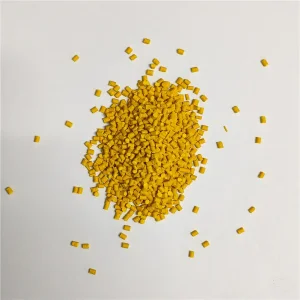
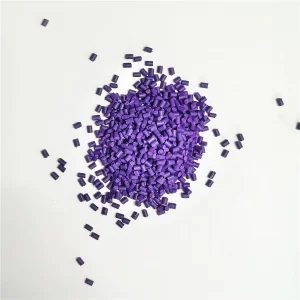
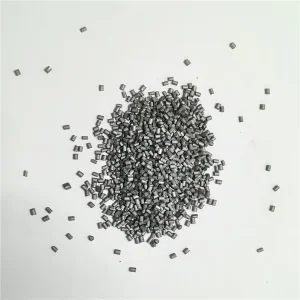
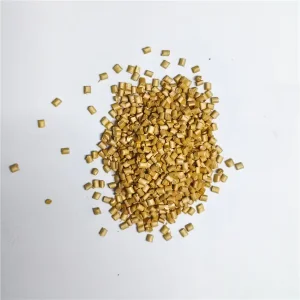
Mask manufacturers are moving away from traditional two-stage dosing (dosing color masterbatch and additive masterbatch separately). Integrated Combo Masterbatches combine high-concentration organic/inorganic pigments (medical blue, surgical green, soft pink, deep grey) with active silver-zinc complexes, reducing inventory complexity and feeder calibration errors.
Consumer awareness around chemical migration has elevated demand for non-leaching antimicrobial mechanisms. Modern formulations securely entrap inorganic ion exchangers within micro-porous silica structures, ensuring that zero toxic ingredients migrate to facial skin even under heavy sweat or prolonged 12-hour wear.
Tailored masterbatch formulation profiles for specific end-use disposable hygiene products across global industries.
Target Layer: Spunbond Outer Layer (Spunbond PP, 25-30 gsm).
Primary Goal: Hydrophobic fluid resistance combined with immediate surface kill of splash-borne bacteria. Prevents bacterial proliferation inside hospital clinical environments.
Masterbatch Profile: 2.0% LDR PE/PP Silver-Zinc Masterbatch with anti-yellowing stabilizers.
Target Layer: Meltblown Middle Filtration Layer & Inner Spunbond.
Primary Goal: Neutralizing bacterial accumulation within dense multi-layer filter structures without degrading electrostatic electret charge retention.
Masterbatch Profile: Ultra-fine Nano-Ag Masterbatch (< 0.2 µm), zero impact on MFI (1200 g/10min).
Target Layer: Needle-punched or spunbond coarse air filters.
Primary Goal: Inhibiting mold growth, fungal spores (Aspergillus niger), and odor-causing microbes in high-humidity airflow systems.
Masterbatch Profile: Broad-spectrum Inorganic Copper-Silver Composite Masterbatch.
Pioneering smart polymer additives, viral envelope disruption technology, and self-cleaning non-woven surfaces.
Commercialization of silica-encapsulated nano-silver core-shell masterbatches. Reduces active silver metal consumption by 40% while maintaining identical biocidal rates, lowering raw material costs for non-woven manufacturers.
Development of organometallic ligand complexes integrated into PP masterbatch matrices capable of disrupting lipid envelope structures of enveloped viruses (such as Influenza H1N1 and Coronaviruses) with 99.9% reduction in under 15 minutes.
100% bio-based antibacterial masterbatch platforms utilizing certified marine-degradable PHA carriers paired with non-toxic, earth-abundant mineral actives, aligning with global carbon-neutrality mandates.
Solving real-world manufacturing bottlenecks: spinneret pressure spikes, discolouration, and let-down accuracy.
Root Cause: Agglomerated sub-micron particles or un-dispersed carrier polymers cause pressure spikes behind meltblown pack screens, leading to shot formation (un-attenuated polymer droplets) and strand breakages.
Jiazhou Engineering Solution: We implement dual-stage high-intensity twin-screw dispersion compounding combined with 1200-mesh melt filtration during masterbatch production. This guarantees a Filter Pressure Value (FPV) < 0.2 bar/g, enabling uninterrupted 72-hour continuous spunbond/meltblown production runs.
Root Cause: Silver ions reduce to metallic silver particles (Ag0) under high thermal processing temperatures (>240°C) and UV exposure, causing non-woven fabrics to turn yellow or brown.
Jiazhou Engineering Solution: Incorporation of proprietary organic phosphite antioxidants and light-stabilizing matrix binders that encapsulate Ag+ ions within a protective cage. Fabrics retain pristine whiteness (CIE Whiteness Index >85) even after 280°C thermal bonding.
Direct expert answers to technical, regulatory, and processing inquiries from non-woven plastic converter engineers.
For standard 25–30 gsm PP spunbond non-woven fabrics, the standard recommended Let-Down Ratio (LDR) is 1.5% to 2.5% by weight. At 2.0% LDR, independent testing according to ISO 20743 confirms a >99.99% log-4 reduction of Staphylococcus aureus and Escherichia coli.
No. When processed within recommended parameters, our sub-micron antibacterial active particles (< 0.5 µm) do not interfere with corona or hydro-charging electret mechanisms. Meltblown webs maintain >99% BFE and PFE (300nm NaCl aerosol test) while adding active antimicrobial protection.
Yes. Our masterbatch formulations pass rigorous biocompatibility tests including ISO 10993-5 (Cytotoxicity), ISO 10993-10 (Skin Irritation and Sensitization), REACH SVHC compliance, and RoHS 2.0 heavy-metal-free standards. They are completely safe for direct facial skin contact.
Absoltely. We manufacture customized antibacterial masterbatch formulations using PP, PE, LLDPE, HDPE, or PLA carriers, matching your base matrix's Melt Flow Index (MFI from 2 to 1500 g/10min) to prevent polymer phase separation and ensure uniform melt blending.
Inorganic silver-zinc systems offer superior thermal stability (up to 280°C vs < 200°C for organic agents), zero toxic chemical migration, non-volatility during extrusion, and permanent antimicrobial activity that does not leach out or wash off over time.
Stored in sealed, moisture-proof aluminum-foil-lined bags in a cool, dry place away from direct sunlight, our antibacterial masterbatch maintains a shelf life of 24 months without loss of active potency or carrier degradation.
Premium color masterbatches engineered with exceptional weatherability, non-migration properties, and high color density for plastic processing.
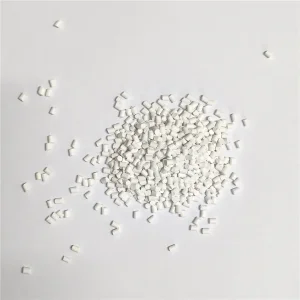
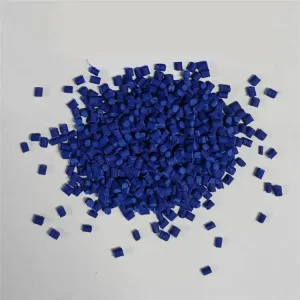
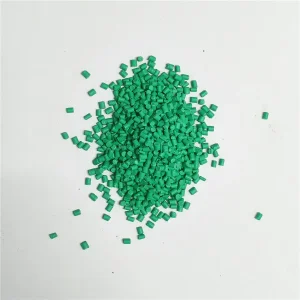
Established in 2010 in Zouqu Town, Zhonglou District, Changzhou, Jiangsu Province, China, Changzhou Jiazhou Plastic Products Co., Ltd. is a premier 16-year specialized manufacturer of high-concentration PE/PP color masterbatches, functional filler masterbatches, and antibacterial additive masterbatches. Spanning a modern 6,000 square meter production facility equipped with high-torque twin-screw extrusion lines, underwater pelletizing technology, and computerized spectrophotometric color-matching laboratories, we supply global B2B clients across 100+ countries and regions.
Rigorous in-house quality control from raw resin melt index validation to end-product dispersion testing (ISO 9001:2015 certified process control).
Dedicated polymer chemists provide Pantone color matching and active antibacterial let-down formulation within 48 hours for global converters.
Standardized 15-day lead times with complete export documentation (COA, SDS, REACH, RoHS, FDA compliance certificates).
Address: No. 4-3, Shengli Road, Buyi, Zouqu Town, Zhonglou District, Changzhou, Jiangsu, China.
Direct Service Hotline: +86-158-6116-1116 | +86-177-6838-8359
Official Engineering Email: [email protected] | [email protected]
Official Web Portal: www.masterbatchmfg.com