High-concentration carrier-matched color and filler masterbatches optimized for blown film, injection molding, and profile extrusion.
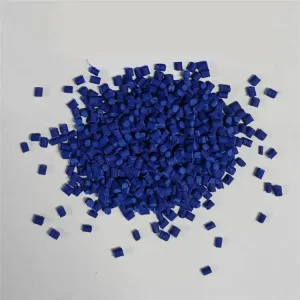
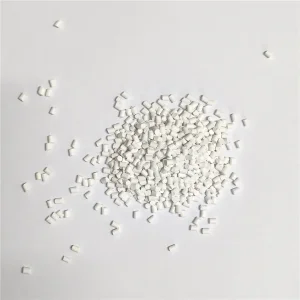
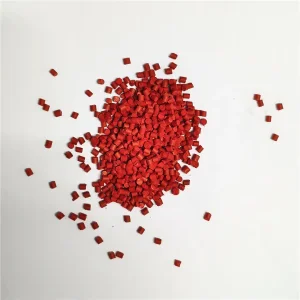
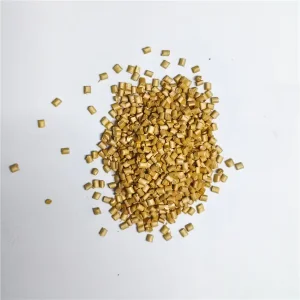
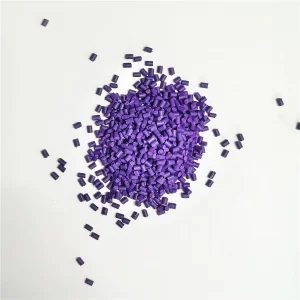
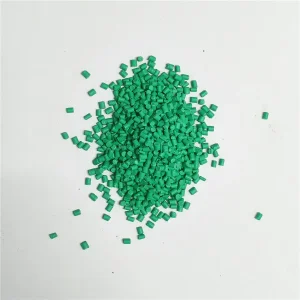
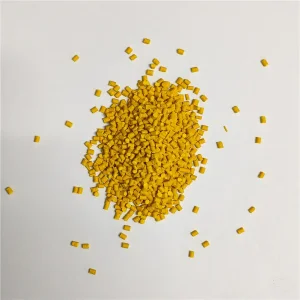
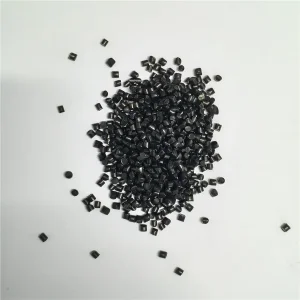
Navigating raw material dynamics, Melt Flow Index (MFI) optimization, and pigment wetting behavior in high-shear compounding environments.
The global market for polyolefin additives has reached an unprecedented inflection point. As plastic converters, packaging manufacturers, and industrial pipe producers seek to balance stringent margin constraints with uncompromising quality metrics, custom cost-effective domestic PE masterbatch manufacturers have emerged as pivotal strategic partners. Polyethylene (PE) serves as the world’s most widely processed thermoplastic polymer, spanning Low-Density Polyethylene (LDPE), Linear Low-Density Polyethylene (LLDPE), and High-Density Polyethylene (HDPE). Consequently, masterbatch formulations engineered with a dedicated PE carrier resin represent the critical chemical architecture necessary to achieve uniform pigment dispersion, functional additive stabilization, and predictable rheological behavior during secondary conversion processing.
In modern industrial plastics processing—whether utilizing blown film co-extrusion, continuous profile extrusion, or high-speed injection molding—the introduce of raw pigments or un-dispersed fillers directly into the processing hopper induces severe processing instabilities. Un-coated pigment agglomerates cause micro-voids, pinholes in thin agricultural films, filter screen pack clogging, and uneven thermal degradation. Sourcing a polymer-specific masterbatch from a dedicated domestic factory ensures that the carrier resin’s Melt Flow Index (MFI) and density profile perfectly match the matrix polymer. This compatibility prevents interfacial phase separation, color streaking, and degradation of mechanical tensile properties in the finished product.
Furthermore, global procurement managers are increasingly evaluating the economic trade-offs between localized Western compounders and specialized Chinese manufacturing hubs. Driven by advanced dual twin-screw extruder technology, direct integration with petrochemical raw material clusters, and continuous processing methodologies, leading Chinese manufacturers such as Changzhou Jiazhou Plastic Products Co., Ltd. provide substantial information gain and economic superiority. Buyers gain access to high-concentration pigment systems (up to 70% rutile TiO₂ in white masterbatches or 50% high-structure furnace carbon black in black masterbatches) without sacrificing compounding uniformity or paying inflated premium surcharges common in local domestic markets.
How Changzhou Jiazhou leverages scale economics, high-shear twin-screw co-rotating technology, and vertical raw material integration.
Rigorous physical properties engineered to withstand peak thermal loads and preserve polymer melt strength.
| Masterbatch Grade Series | Carrier Resin Base | Pigment/Active Content | Thermal Resistance (°C) | MFI Range (190°C/2.16kg) | Target End-Use Application |
|---|---|---|---|---|---|
| PE-Blue High Conc. Series | LLDPE / LDPE | 30% - 45% Phthalocyanine Blue | 260°C | 12 – 25 g/10min | Blown Film, Packaging, Injection Articles |
| PE-White Rutile TiO₂ Series | PE Virgin Matrix | 50% - 70% Rutile TiO₂ | 280°C | 8 – 20 g/10min | Milk Bags, Agricultural Mulch, Lamination |
| PE-Black High Jetness Series | HDPE / LLDPE | 40% - 50% Furnace Carbon Black | 260°C | 5 – 18 g/10min | Geomembranes, Irrigation Pipes, Trash Bags |
| PE-CaCO3 Filler Masterbatch | LLDPE Carrier | 75% - 82% Ultra-fine CaCO₃ | 240°C | 2 – 10 g/10min | Cost Reduction in Blow Molding & Extrusion |
| PE-Specialty Metallic Series | PE Matrix | 15% - 25% Coated Aluminium/Mica | 240°C | 15 – 30 g/10min | Cosmetic Containers, Premium Injection Goods |
From ultra-thin flexible packaging to heavy-duty infrastructure piping, customized PE masterbatch formulations deliver optimized operational efficiency.
Pioneering eco-friendly polyolefin colorants to meet global carbon neutrality goals and circular economy mandates.
The global plastics industry is undergoing a structural transition toward circular economy compliance, driven by European Union packaging waste directives, US post-consumer recycled (PCR) resin mandates, and global ESG frameworks. Custom domestic masterbatch manufacturers are at the forefront of this revolution. One major trend is the development of PCR-compatible carrier systems. Standard masterbatches using virgin resin carriers can impair recycled polymer streams due to MFI mismatching and residual contamination. Next-generation masterbatches utilize highly stabilized post-consumer recycled PE carriers combined with high-potency antioxidant packages to neutralize thermal degradation during secondary re-melting.
Another major innovation involves NIR-Detectable (Near-Infrared) Black Masterbatches. Traditional black masterbatches formulated with carbon black absorb infrared radiation during automated sorting in recycling facilities, resulting in black plastic containers being mistakenly routed to landfills. By incorporating specialized organic black pigments or complex inorganic color pigments (CICPs), modern manufacturers produce high-jetness black masterbatches that pass automated sorting optical sensors, enabling true closed-loop bottle-to-bottle recycling.
A structural roadmap for polymer engineers, procurement directors, and plant managers evaluating masterbatch suppliers.
When establishing procurement contracts with global masterbatch manufacturers, technical decision-makers must look beyond simple per-kilogram price points. Total Cost of Ownership (TCO) in plastic converting is heavily dictated by let-down ratios (LDR), processing stability, scrap rates, and regulatory compliance. Evaluating masterbatch suppliers involves four critical technical pillars:
High-concentration custom color shades and technical masterbatches ready for export across global markets.
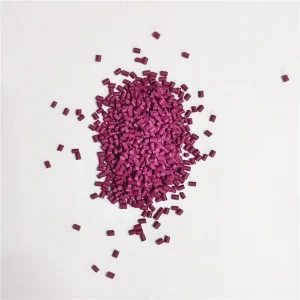
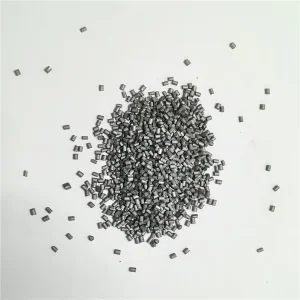
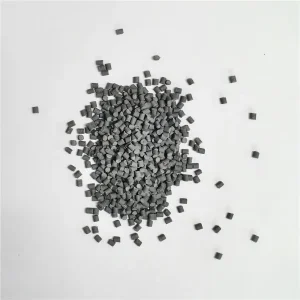
A trusted 16-year pioneer in color masterbatch, filler masterbatch, and customized polyolefin compounding.
Founded in 2010, Changzhou Jiazhou Plastic Products Co., Ltd. stands as an industry-leading manufacturer specializing in high-concentration PE color masterbatches, filler masterbatches, and functional additive masterbatches. Operating from a modern 6,000 square meter production facility in Changzhou, Jiangsu Province, Jiazhou combines robust engineering capability with international trade excellence.
With over 16 years of dedicated R&D and manufacturing experience, our facility is equipped with automated continuous twin-screw extrusion lines, precise optical spectro-photometers, melt flow indexers, and automated packaging systems. Supported by an expert technical team of 50+ polymer engineers and quality control specialists, Jiazhou serves plastic processors across more than 100 export destinations worldwide—spanning North America, Europe, Southeast Asia, the Middle East, and Latin America.
Our facility strictly operates under ISO quality management standards. We support full custom color matching (Pantone & RAL color standards), OEM private labeling, and rapid order fulfillment with standardized 15-day production lead times. Whether you require standard PE White or Black masterbatches, metallic colorants, or cost-saving CaCO₃ filler masterbatches, Jiazhou delivers uncompromised quality and economic competitiveness.
Expert technical responses to critical procurement, processing, and formulation queries.
A: The carrier resin acts as the thermodynamic bridge between high-concentration pigment particles and the base polymer melt. If the carrier resin has an incompatible Melt Flow Index (MFI) or lower melt temperature than the substrate (e.g., using a high-density carrier in a flexible LLDPE film process), phase separation occurs. This results in color streaking, micro-voids, reduced impact strength, and severe film tearing. Using a tailored PE carrier guarantees full miscible blending and homogeneous color distribution.
A: Recommended LDR typically ranges from 1% to 4% depending on the pigment concentration in the masterbatch and the final application thickness. For high-potency PE White (70% TiO₂) or Black (50% Carbon Black) masterbatches used in standard blown film extrusion, a 1.5% to 2.5% LDR is usually sufficient to achieve opacity. For injection molding of thin-walled articles or custom color shades, LDR can be adjusted between 2% and 4%.
A: Cost efficiency is achieved through structural supply chain integration rather than compromise on quality. Factories like Changzhou Jiazhou benefit from localized petrochemical resin clusters, direct bulk procurement of raw pigments, automated high-throughput twin-screw compounding lines, and optimized energy utilization. This allows Chinese manufacturers to offer high pigment loading (which lowers customer dosage requirements) at significantly reduced unit processing costs.
A: Yes. All premium PE masterbatches from Jiazhou are compounded using heat-stable organic/inorganic pigments and thermal antioxidants. Formulations undergo rigorous heat resistance testing to ensure pigment color index, tone shade, and chemical structure remain stable up to 260°C – 280°C without gas generation, darkening, or thermal degradation during extrusion or molding.
A: We provide comprehensive regulatory compliance packages with every shipment, including REACH, RoHS, FDA 21 CFR food contact certificates, Heavy Metal Compliance (EN 71-3 / CONEG), and Technical Data Sheets (TDS) with Material Safety Data Sheets (MSDS).