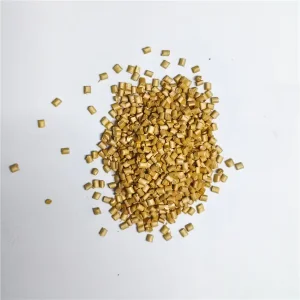
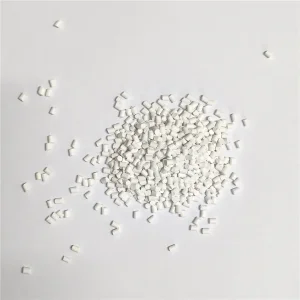
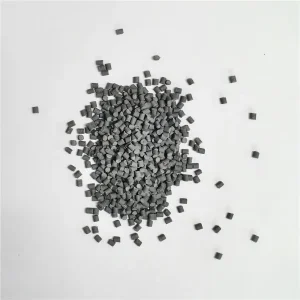
Engineered with high pigment dispersion index, heat resistance up to 260°C, and ISO 9001:2015 quality verification.
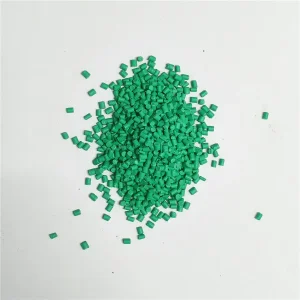
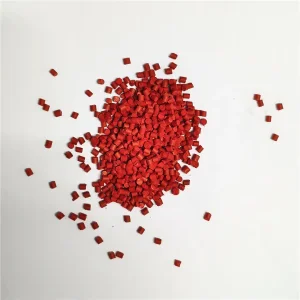
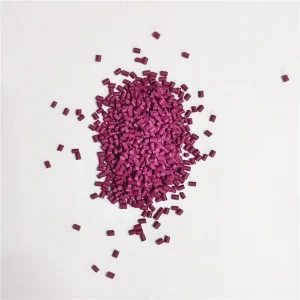
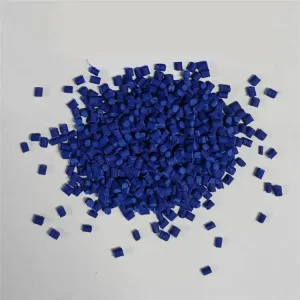
Understanding the Rheological, Thermal, and Dispersion Fundamentals of Polyethylene-Carrier Concentrates
In modern industrial polymer processing, a Custom General Purpose Polyethylene (PE) Masterbatch represents a sophisticated solid additive technology designed to introduce organic/inorganic pigments, functional additives, or mineral fillers uniformly into a virgin or recycled polyolefin matrix. Manufactured through high-shear co-rotating twin-screw extrusion, general-purpose PE masterbatches utilize low-density polyethylene (LDPE), linear low-density polyethylene (LLDPE), or tailored polyolefin wax carriers. This carrier resin selection ensures absolute rheological compatibility with a broad spectrum of target polymers, including High-Density Polyethylene (HDPE), LLDPE, LDPE, and Polypropylene (PP).
For global procurement teams evaluating a qualified Custom General Purpose PE Masterbatch company or companies, technical evaluation transcends mere color matching. The core value of a premium masterbatch lies in its Pigment Dispersion Index (PDI), Melt Flow Index (MFI) matching, and inter-phase thermal stability. When masterbatch pellets are fed alongside base polymer granules into injection molding hoppers or film extruders, the carrier resin must melt at a slightly lower temperature than the host resin. This hydrodynamic phase behavior allows the encapsulated micro-pigments (ranging from 0.1 to 2.0 microns in primary particle size) to distribute homogeneously without agglomeration, preventing filter-mesh clogging, surface streak formation, or structural weak points in final extruded articles.
General Purpose PE carrier formulations engineered by industry leaders such as Changzhou Jiazhou Plastic Products Co., Ltd. feature customized MFI ratings (typically between 12 g/10min to 40 g/10min at 190°C/2.16kg). This optimized flowability enables a single masterbatch grade to serve seamlessly across multiple processing methods—from high-velocity thin-wall injection molding to low-shear blown film extrusion—without inducing melt fracture or phase separation.
Analyzing Supply Chain Shifts, Regulatory Compliance (RoHS/REACH), and Economic Drivers Across Key Regions
European buyers strictly require masterbatch formulations compliant with REACH SVHC, RoHS 3.0, and heavy-metal-free standards. Furthermore, general-purpose PE masterbatches must show zero degradation when blended with Post-Consumer Recycled (PCR) polyolefin resins.
Extrusion processors across the US and Canada prioritize high-concentration colorants (up to 70% titanium dioxide in white masterbatch, 40-50% pigment loading in color masterbatch) to lower let-down ratios (LDR down to 1-2%), reducing freight cost per unit.
Rapid infrastructure buildouts in Southeast Asia, the Middle East, and Latin America drive massive procurement of PE pipe-grade black masterbatch and agricultural blown-film UV-stabilized masterbatch, requiring robust weatherability and anti-aging properties.
Procurement directors in 2026 are shifting from transactional spot purchasing to long-term OEM contracts with accredited manufacturing enterprises. Total Cost of Ownership (TCO) analysis shows that low-quality masterbatches with poor dispersion increase screw wear, generate pinholes in thin packaging films, and cause frequent production line downtime. Partnering with a vetted Custom General Purpose PE Masterbatch supplier guarantees lot-to-lot color repeatability, reducing scrap rates by up to 4.5% across continuous manufacturing operations.
Inside Changzhou Jiazhou Plastic Products Co., Ltd. — Automated Compounding, Gravimetric Dosing, & Smart Quality Audits
China’s polymer compounding sector has undergone a profound structural evolution. Leading factories in Jiangsu Province, exemplified by Changzhou Jiazhou Plastic Products Co., Ltd. (established in 2010), integrate Industry 4.0 smart automation across their 6,000 m² modern manufacturing facilities. The conversion from manual batch mixing to fully automated multi-component gravimetric feeding systems eliminates human error in pigment-to-carrier ratios.
Utilizing high L/D ratio co-rotating twin-screw extruders with segmented screw profiles. This setup generates optimal elongational shear forces, breaking down pigment agglomerates into primary sub-micron particles.
Every production batch undergoes spectrophotometric color testing under standard D65 illuminants in CIELAB color space. Tolerances are capped at ΔE < 0.5, ensuring batch-to-batch visual identity across massive export shipments.
Proximity to Changzhou logistics corridors and Shanghai maritime hubs provides seamless supply chain agility. Standard custom formulations move from lab matching to ocean container shipment in as few as 15 calendar days.
Each bag of Jiazhou masterbatch carries a unique digital batch code linked to raw resin lot data, lab test reports, retention samples, and operator logs for complete auditability.
Comparative Analysis of Key Performance Metrics Across Standard Product Classifications
| Masterbatch Category | Active Concentrate Loading | Carrier Resin Standard | Melt Flow Index (190°C/2.16kg) | Heat Stability Limit | Primary Industrial Application |
|---|---|---|---|---|---|
| General Purpose White PE | 50% - 70% Titanium Dioxide (Rutile TiO₂) | LLDPE / LDPE Wax Blend | 15 – 25 g/10min | 280°C | Blown packaging film, agricultural mulch, blow molded bottles |
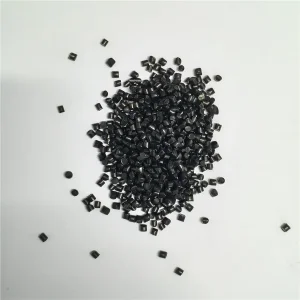
| High-Tech Black PE | 30% - 50% Carbon Black (N330 / N550) | LDPE Carrier Matrix | 10 – 20 g/10min | 260°C - 280°C | HDPE pressure pipes, geomembranes, courier shipping bags |
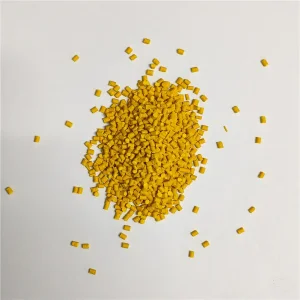
| Custom Color PE (Green, Red, Blue, Yellow) | 20% - 45% Organic & Inorganic Pigments | Universal PE Carrier | 12 – 30 g/10min | 240°C - 260°C | Injection molded crates, toys, caps, household wares |
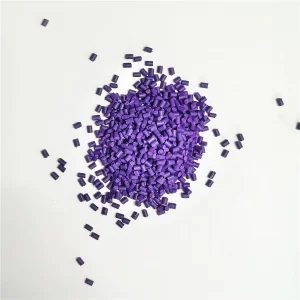
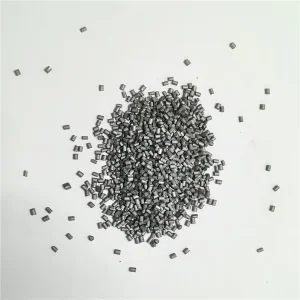
| Metallic / Special Effect (Silver, Gold, Purple) | 15% - 35% Coated Mica / Aluminum Flake | Low-Viscosity PE Carrier | 18 – 35 g/10min | 220°C - 250°C | Cosmetic packaging, premium blow molding, decorative trims |
| CaCO₃ PE Filler Masterbatch | 75% - 85% Ultrafine Calcium Carbonate | LLDPE Carrier | 8 – 18 g/10min | 260°C | Cost reduction in shopping bags, woven sacks, extrusion profiles |
Tailoring Masterbatch Chemistry to Specific Polymer Conversion Technologies
Extrusion of co-extruded LLDPE/LDPE packaging films demands masterbatch with zero gel content and low filter pressure value (FPV). Custom General Purpose PE Masterbatch ensures flawless opacity in agricultural mulch films, express courier envelopes, and high-barrier food packaging without micro-pinhole defects.
For household containers, bottle caps, crates, and automotive interior components, rapid cycle times require masterbatches that disperse quickly under high injection velocity. Fast-crystallizing PE masterbatch formulations shorten cooling times while eliminating anisotropic shrinkage and warping.
HDPE water supply pipes, corrugated conduit, and outdoor profiles are exposed to aggressive environmental stressors. General-purpose black and color masterbatches enriched with Hindered Amine Light Stabilizers (HALS) and furnace carbon black ensure 50+ year outdoor UV stability and hydrostatic pressure resistance.
How Leading Custom PE Masterbatch Companies Convert Target Requirements into Production-Ready Pellets
Direct Answers from Polymer Chemists & International Procurement Directors
A General Purpose PE Masterbatch is formulated with a fluid polyolefin carrier system (typically optimized LDPE/LLDPE wax blends) that possesses broad thermodynamic compatibility across multiple base resins, including HDPE, LLDPE, LDPE, and PP. A specialized resin masterbatch uses the exact same polymer matrix as the host resin (e.g., pure SAN or PET carrier). General purpose masterbatches offer immense inventory flexibility and cost benefits for processors operating diverse molding and extrusion lines.
The Let-Down Ratio (LDR) refers to the percentage of masterbatch added to virgin polymer resin during processing. High-concentration masterbatches manufactured by Changzhou Jiazhou achieve intense pigment saturation at LDRs as low as 1% to 4%. A lower required LDR reduces raw material storage requirements, decreases shipping weight costs, and prevents localized physical property drop-offs in the final plastic part.
Yes. Formulations engineered for food packaging strictly use food-grade titanium dioxide, non-migrating organic pigments, and carrier resins compliant with FDA 21 CFR 177.1520 and EU Regulation No 10/2011. Buyers must state food-contact requirements during the RFQ phase so that heavy-metal-free and low-odor raw materials are selected exclusively.
Recycled polyolefins often possess variable base colors, residual impurities, and fluctuating Melt Flow Indexes. Custom General Purpose PE Masterbatches designed by Jiazhou contain optimized dispersion agents and opacity enhancers (such as high-tinting Rutile TiO2 or furnace black) that mask recycled resin yellowing or greying, restoring a vibrant, brand-new aesthetic to circular eco-friendly products.
Agglomeration is prevented by high-shear co-rotating twin-screw extrusion, chemical surface treatment (silane or stearic acid coupling agents) of pigment particles, and fine melt filtration down to 40 microns during masterbatch pelletization. This ensures extremely low Filter Pressure Value (FPV), extending the operational lifespan of extrusion die screens.
Every export shipment includes a batch-specific COA documenting Melt Flow Index (ISO 1133), Density (ISO 1183), Moisture Content (<0.15% via Karl Fischer titration), Heat Resistance (260°C baking test), CIELAB Color Difference (ΔE), and Pigment Loading Percentage verification.
Direct OEM/ODM Supply from Changzhou Jiazhou Plastic Products Co., Ltd. - Fast 15-Day Global Delivery