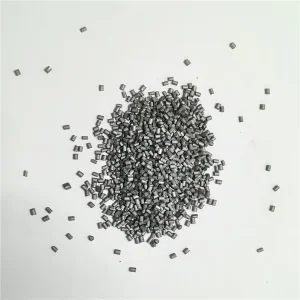
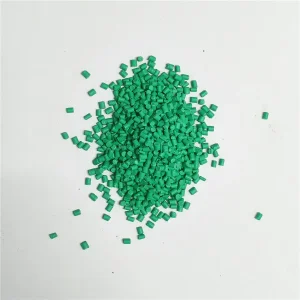
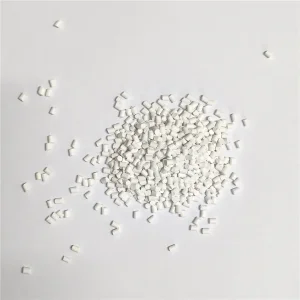
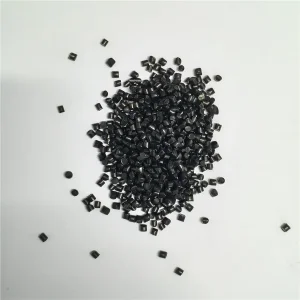
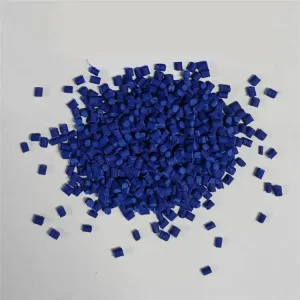
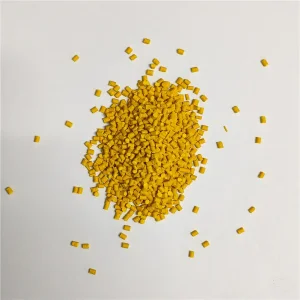
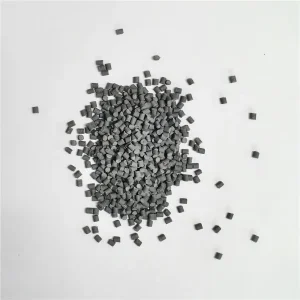
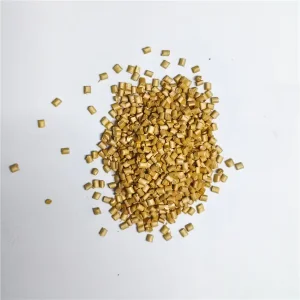
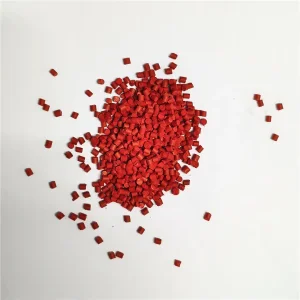
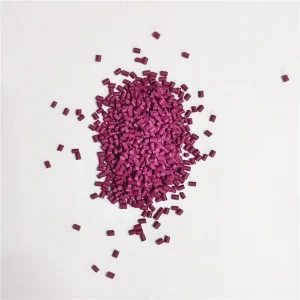
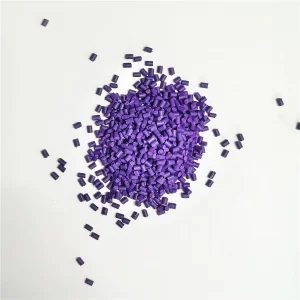
Engineered specifically for extrusion blow molding, injection molding, and film extrusion with optimal filter pressure values (FPV) and heat resistance up to 260°C.
Understanding market demands, regulatory pressures, and technical imperatives across the global plastic processing sector.
The global polyethylene (PE) blow molding sector is experiencing an unprecedented structural transformation. Driven by stringent sustainability mandates, rising demand for specialized industrial packaging, and the accelerated growth of personal care and agrochemical sectors, the demand for custom high dispersion blow molding PE masterbatches has surged globally. Extrusion Blow Molding (EBM) and Injection Blow Molding (IBM) processes place exceptionally rigorous rheological and mechanical demands on color additives. Unlike standard injection molding, blow molding involves high drawdown ratios, continuous parison formation, and strict wall-thickness uniformity specifications.
When masterbatch pigments fail to disperse at the sub-micron level, processing facilities encounter severe catastrophic quality failures: pinhole formation in thin-walled containers, mechanical weakness along parison pinch-off weld lines, color streaking, screen pack clogging, and compromised Environmental Stress Crack Resistance (ESCR). Consequently, global plastic manufacturers are shifting away from commodity-grade colorants toward specialized compounding factories capable of delivering custom high-dispersion formulations backed by verified Filter Pressure Values (FPV).
Focusing heavily on post-consumer recyclate (PCR) integration and circular economy compliance (such as the EU PPWR regulations). Demand centers on ultra-pure, non-toxic masterbatches compatible with food-contact materials (FDA 21 CFR 177.1520 and EU 10/2011).
Experiencing high-volume expansion in industrial packaging, automotive ductwork, and consumer goods. China has solidified its position as the premier manufacturing epicentre for high-dispersion masterbatch, utilizing twin-screw compounding lines and automated color matching systems.
Rapid infrastructure build-outs and agricultural modernization are driving demand for heavy-duty chemical drums, IBC tanks, and geomembrane-compatible masterbatches requiring extreme thermal resistance and long-term UV stabilization.
Advanced polymer chemistry and processing innovation shaping the next decade of masterbatch manufacturing.
Traditional masterbatches relied on basic low molecular weight polyethylene waxes (PE waxes) that often lowered the tensile yield strength and ESCR of final blow-molded containers. Modern factories utilize polymeric hyperdispersants and reactive silane coupling agents that encapsulate pigment particles down to <0.5 microns. This ensures complete color development without weakening the HDPE polymer matrix.
With global brand owners committing to 25%-50% PCR content in blow-molded bottles, masterbatch suppliers are developing specialized optical brighteners and color-correcting masterbatches. These compensate for yellowing, greying, and residual odor inherent in recycled resins, enabling high-end cosmetic aesthetics even on recycled substrates.
Standard carbon black masterbatches absorb NIR radiation used by automated sorting equipment in recycling plants, sending black plastic containers to landfills. Next-generation masterbatch factories produce NIR-sortable black and dark grey masterbatches using specialized organic dyes, enabling seamless recycling of black packaging.
Integrating pigment loading with Hindered Amine Light Stabilizers (HALS), Anti-static agents, Anti-microbial additives, and Processing Aids (PPA) into a single high-dispersion pellet. This reduces dosing steps for blow molders and eliminates feeder segregation issues during high-speed parison extrusion.
Tailored additive formulation strategies for critical hollow-molded products across industrial sectors.
Material Base: High Molecular Weight High-Density Polyethylene (HMW-HDPE / MFI 0.05 - 0.15 g/10min).
Technical Requirement: Extreme pigment dispersion to prevent drop-impact test failures at freezing temperatures (-20°C). Zero pigment migration and light fastness of Blue/Black masterbatch reaching Blue Wool Scale 7-8 for multi-year outdoor chemical storage.
Material Base: HDPE / PA Co-extrusion or Fluorinated HDPE Containers.
Technical Requirement: Highly inert masterbatch formulations using non-reactive pigments. Must maintain wall thickness integrity under aggressive solvent exposure, preventing stress cracking along pinch-off seams during storage.
Material Base: LDPE, LLDPE, and Soft-Touch HDPE Formulations.
Technical Requirement: High titanium dioxide (TiO2 Rutile) loading (up to 70%) for maximum opacity in white bottles to protect UV-sensitive liquids (milk, vitamins). Ultra-low VOC/odor levels to preserve product organoleptic purity.
Material Base: HDPE, PP, and Engineered Polyolefin Alloys.
Technical Requirement: Applied in air intake ducts, windshield washer reservoirs, and fuel tanks. Masterbatches must meet OEM thermal cycling (-40°C to +120°C), flame retardancy, and dimensional warpage resistance specifications.
Standardized performance metrics verified through laboratory testing and industrial extruders.
A professional custom high-dispersion blow molding masterbatch manufacturer operates at the intersection of chemistry, physics, and polymer processing engineering. Below are the definitive technical specifications enforced by leading OEM masterbatch compounding factories:
| Performance Parameter | Test Method Standard | Industrial Quality Specification | Impact on Blow Molding Process |
|---|---|---|---|
| Filter Pressure Value (FPV) | EN 13900-5 (14µm mesh) | < 0.5 bar / gram of masterbatch | Prevents screen pack clogging and parison streak formation. |
| Melt Flow Index (MFI) Match | ISO 1133 (190°C / 2.16kg) | Matched to resin matrix (0.1 - 20 g/10min) | Ensures homogeneous mixing without phase separation. |
| Heat Thermal Stability | DIN EN 12877-2 | 240°C - 300°C (Dwell time 5 mins) | Prevents thermal discoloration during long extrusion cycles. |
| Color Difference (ΔE*) | CIE L*a*b* Spectrophotometer | ΔE* < 0.5 (Batch-to-Batch) | Guarantees exact color consistency across production runs. |
| Light Fastness Rate | ISO 105-B02 (Xenon Arc Test) | Scale 7 - 8 (Blue Wool Scale) | Protects outdoor containers from severe fading and weathering. |
| Heavy Metal Compliance | RoHS / REACH / FDA 21 CFR | Pb, Cd, Hg, Cr(VI) < 100 ppm total | Safe for food packaging, toys, and medical applications. |
Top masterbatch factories utilize co-rotating twin-screw extruders with high Length-to-Diameter (L/D) ratios (ranging from 44:1 to 52:1). Multiple side-feeders introduce organic/inorganic pigments, carrier resin, and hyperdispersants into specialized kneading elements, ensuring intense shear stress that breaks down pigment agglomerates into primary particles.
Quality control labs utilize optical microscope dispersion analysis, automated filter pressure testing units, gas chromatography-mass spectrometry (GC-MS) for odor/VOC analysis, and computerized spectrophotometers to verify CIELAB color tolerances before export clearance.
Expert technical insights answering complex blow molding coloration challenges.
Color streaking occurs when pigment agglomerates fail to melt and disperse under low-shear blow molding screw profiles, or when the masterbatch carrier resin melt index (MFI) is incompatible with the HDPE base resin. Custom high-dispersion masterbatch utilizes a tailored carrier resin with hyperdispersants that lower the melt surface tension, ensuring instant melt-blending and flawless color homogeneity.
Poorly dispersed pigment particles act as internal micro-stress concentrators within the polyethylene polymer matrix. Under environmental stress (such as exposure to detergents or chemicals), cracks initiate around pigment agglomerates, leading to premature container failure. Sub-micron high-dispersion masterbatches eliminate agglomerate voids, preserving structural impact resistance and ESCR.
It is strongly discouraged. Injection molding masterbatches typically utilize carrier resins with higher MFI (e.g., 20 - 30 g/10min) to flow quickly into molds. Blow molding requires low MFI carrier resins (e.g., 0.3 - 2.0 g/10min) to match the high viscosity of HDPE parisons. Using an injection-grade masterbatch in blow molding causes severe parison sag, wall thinning, and unstable extrusion.
High-concentration masterbatches feature pigment loadings up to 70%-80% for titanium dioxide or 40%-50% for organic pigments. This permits lower let-down ratios (LDR), typically between 1% and 3%, compared to conventional 4%-5% dosage masterbatches. Lower LDR reduces shipping weight, storage footprint, and raw material purchase costs per metric ton of processed resin.
Global buyers must verify compliance with FDA 21 CFR 177.1520 for olefin polymers, EU Regulation No 10/2011 on plastic materials intended to come into contact with food, heavy metal limits under RoHS Directive 2011/65/EU and REACH SVHC candidate lists, as well as ISO 9001:2015 quality system certifications.
Filter Pressure Value (FPV) measures the pressure build-up caused by un-dispersed pigment agglomerates passing through a standardized fine mesh screen filter during melt extrusion. An FPV below 0.5 bar/g indicates exceptional dispersibility, assuring blow molders that the product will not clog extruder screen packs or cause surface defects on finished containers.
Direct factory supply with worldwide shipping, custom color matching, and technical support.