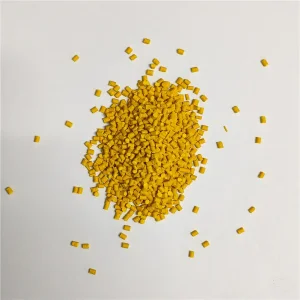
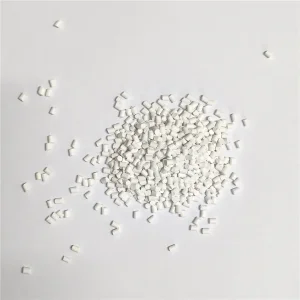
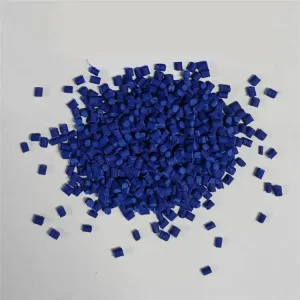
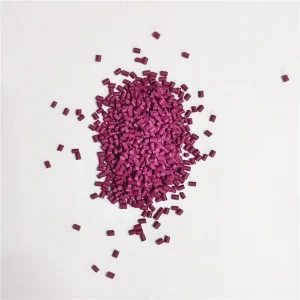
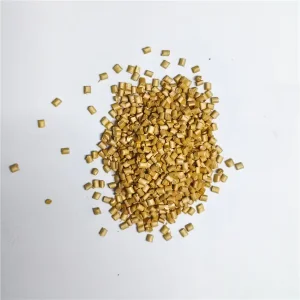
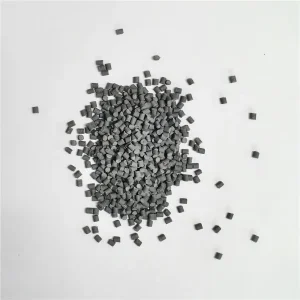
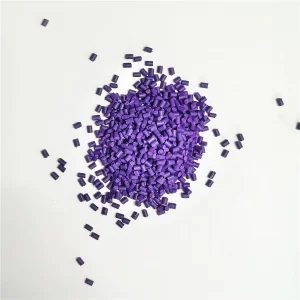
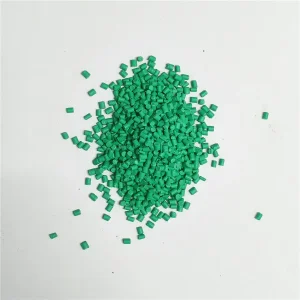
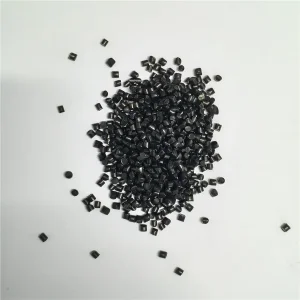
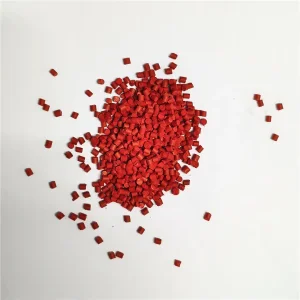
Explore our specialized high-concentration PE masterbatch catalog engineered for extrusion molding, blown film, and furniture injection grade polymers.
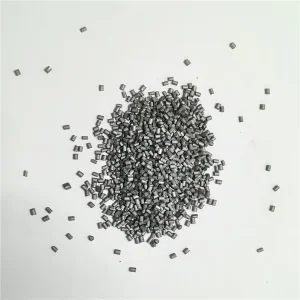
An in-depth analysis of how matte micro-surface light scattering technology is superseding conventional high-gloss furniture polymers in global contract furniture engineering.
In modern industrial design, particularly within ergonomic office furniture, high-end residential decor, and architectural outdoor installations, surface finish plays a decisive role in defining perceived value and tactile luxury. Historically, injection-molded polyethylene (PE) and polypropylene (PP) components exhibited high specular reflectance (gloss levels exceeding 60-80 Gloss Units at a 60° angle). This mirror-like shine often exposed mold flow lines, weld line blemishes, internal stresses, and finger marks, diminishing the perceived quality of the final furniture piece.
Today, global original equipment manufacturers (OEMs) and original design manufacturers (ODMs) demand an ultra-matte, soft-touch satin visual surface across molded armrests, executive chair backrest frames, desk grommets, structural plastic connectors, and outdoor synthetic rattan weaves. Achieving consistent, uniform matte finishes without compromising the mechanical integrity of Polyethylene carrier resins requires advanced polymer chemistry and micro-particle scattering physics. Custom Matte Furniture Plastic Parts PE Masterbatch formulations serve as the technological bridge, enabling raw polyolefin resins to achieve consistent, low-gloss (<5-10 GU) optical textures straight out of the mold, completely eliminating secondary post-processing spray coatings.
Information Gain Key Metric: Standard inorganic matting additives typically induce a drastic drop in resin tensile strength and melt flow index. Modern twin-screw co-rotating compounding technology allows sub-micron silica and specialized organic matting spheres to achieve uniform 3D dispersion within the PE matrix, maintaining 94% of native Izod impact strength while reducing gloss down to 3.8 GU.
Understanding the convergence of environmental regulations, surface optics physics, and consumer tactile preferences.
Traditional methods of achieving matte finishes relied heavily on solvent-based polyurethane matte paints applied post-molding. Global environmental directives like REACH, RoHS, and California Proposition 65 have forced furniture manufacturers to migrate toward in-situ color and matte masterbatch dosing during the primary injection molding phase, eradicating spray-booth VOC emissions.
Next-generation matte furniture masterbatches integrate slip additives and micro-spherical polymeric matting agents. These create a self-healing micro-roughness on the plastic surface that diffuses light while resisting sebum absorption from human skin, mitigating greasy fingerprints on matte office chair bases and handles.
As furniture brands pledge to use up to 50% post-consumer recycled (PCR) Polyethylene by 2030, masterbatch suppliers must formulate products that offset the yellowing index and batch-to-batch color variance inherent in recycled resins, delivering pristine, consistent matte hues.
Detailed performance parameters for custom Polyethylene masterbatch formulations optimized for injection and profile extrusion processes.
The creation of a matte plastic surface via masterbatch additives involves controlled phase separation and micro-domain surface roughness creation during polymer crystallization. When molten Polyethylene containing custom matting masterbatch flows into a cooler mold cavity, the carrier resin and specialized inorganic/organic matting agents undergo precise micro-phase migration. This forms a sub-micron topographical texture (Ra between 0.8 µm and 3.2 µm) across the molded part surface. When ambient light strikes this micro-textured surface, specular reflection is converted into diffuse Rayleigh and Mie scattering, dramatically lowering measurable gloss without reducing structural density.
| Property Parameter | Test Standard / Method | Target Spec Range | Industrial Significance |
|---|---|---|---|
| Carrier Resin Compatibility | ASTM D1238 / ISO 1133 | HDPE / LLDPE / LDPE / PP Co-polymer | Ensures zero phase separation and structural delamination in thin-wall components. |
| Specular Gloss (60° Angle) | ASTM D523 / ISO 2813 | 3.5 GU - 12.0 GU (Customizable) | Converts harsh reflective glare into a silky, high-end satin finish for office furniture. |
| Thermal Stability Index | TGA / Internal Test | 220 °C - 260 °C (30 min) | Prevents thermal degradation, gas marks, and yellowing during long-cycle hot runner injection. |
| Pigment / Matting Dispersion | Filter Pressure Value (EN 13900-5) | < 1.2 bar/g (Mesh size 14 µm) | Eliminates agglomeration streaks, specks, and pinholes in extrusion profiles and films. |
| Let-Down Ratio (LDR) | Recommended Dosing Rate | 1.5% - 4.0% by Weight | Provides maximum cost efficiency while keeping processing window wide and predictable. |
| Heavy Metal Compliance | RoHS 2.0 / REACH SVHC | Pb, Cd, Hg, Cr(VI) < 100 ppm | Full international compliance for indoor air quality and child safety standards. |
Key technical and commercial criteria evaluated by international furniture brand procurement teams when choosing PE masterbatch suppliers.
Global furniture supply chains produce individual chair components across different molding facilities worldwide. Procurement directors require ultra-tight color tolerance (ΔE < 0.5 under D65, A, and F11 light sources) to ensure armrests molded in Vietnam perfectly match base pedestals molded in Poland.
Outdoor patio furniture plastic parts are subject to high solar irradiance, moisture, and temperature fluctuations. Enterprise procurement contracts mandate lightfastness ratings of 7-8 on the Blue Wool Scale and QUVA/QUVB accelerated weathering resistance exceeding 3,000 hours without chalking, cracking, or gloss shift.
For plastic parts integrated into kitchen cabinetry, dining chairs, or institutional furniture, masterbatches must strictly comply with US FDA 21 CFR 177.1520, EU Regulation No 10/2011, and Heavy Metal Free standards to prevent toxic migration upon prolonged contact.
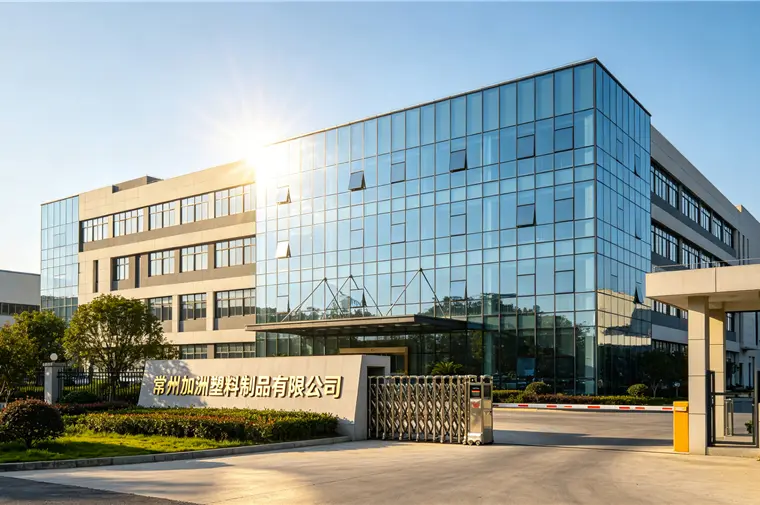
Founded in 2010 in Changzhou, Jiangsu Province, Changzhou Jiazhou Plastic Products Co., Ltd. represents 16 years of compounding innovation. Operating from a modern 6,000 square-meter facility, our smart manufacturing infrastructure bridges raw chemical engineering with demanding end-use industrial applications.
Our factory features automated continuous gravimetric loss-in-weight feeders, high-shear co-rotating twin-screw compounding lines, and computer-controlled spectrophotometer quality testing stations. By controlling every variable—from melt index selection to micro-pellet size distribution—Jiazhou guarantees rapid 15-day delivery turnarounds and complete lot-to-lot consistency for enterprise buyers across more than 100 countries.
Delivering tailored tactile textures and structural reliability across diverse residential, commercial, and architectural plastics.
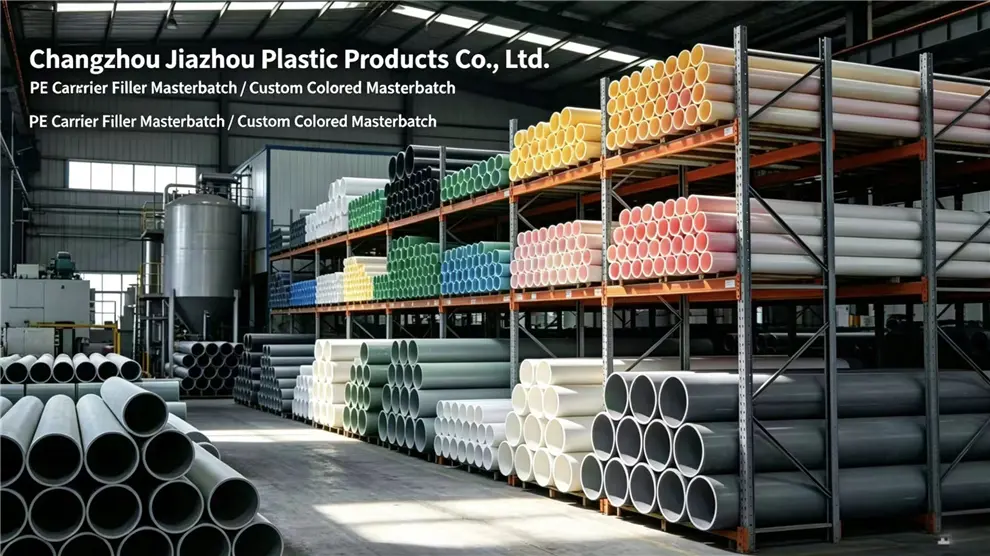
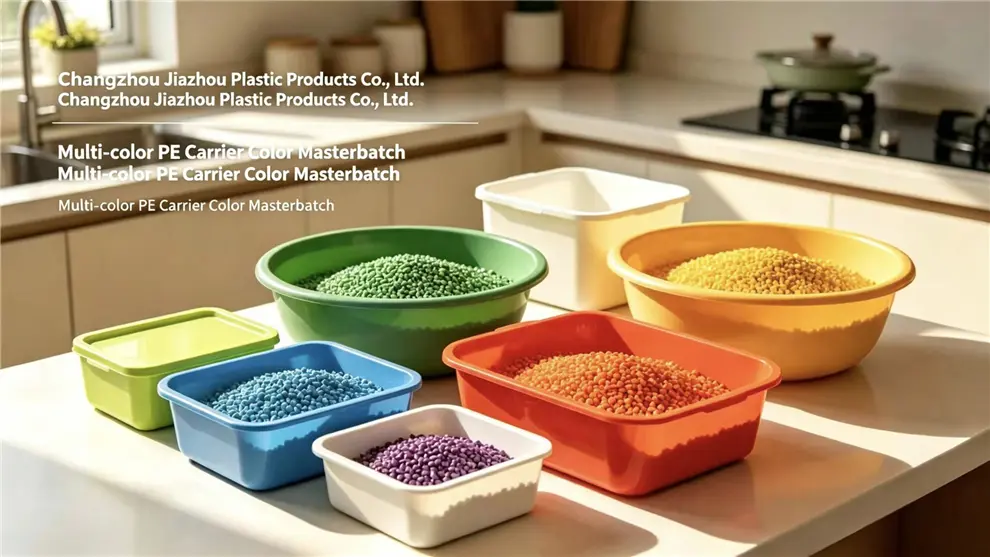
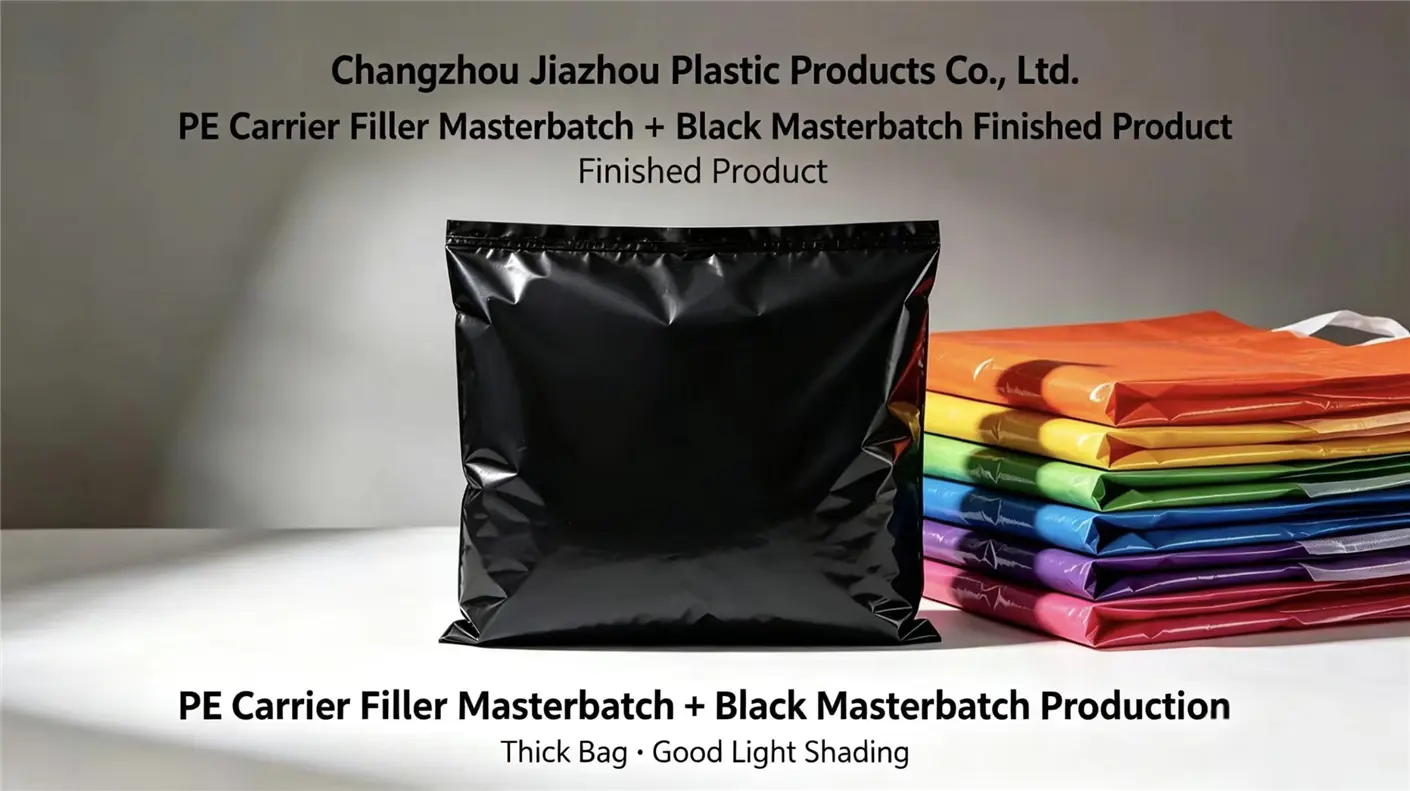
Direct technical guidance from Changzhou Jiazhou's polymer engineering team.
Chemical etching or laser texturing of injection molds requires high upfront tooling capital and is prone to wear over 100,000+ cycles, leading to gloss drift. Secondary matte painting adds up to 30%-40% to part production cost and introduces high reject rates due to dust contamination and overspray. Custom matte masterbatch is dosed directly into virgin resin at 2%-3% LDR, producing ready-to-assemble matte parts straight from the mold with zero extra labor, cycle time penalty, or coating VOC compliance costs.
Conventional low-grade mineral fillers (like coarse CaCO3) can act as stress concentrators, drastically lowering notched Izod impact resistance. However, Jiazhou's specialized matte masterbatches utilize sub-micron functional additives treated with titanate coupling agents. This ensures complete interfacial adhesion within the Polyethylene matrix, preserving up to 95% of native tensile yield strength and flexural modulus while preventing micro-cracking under heavy load-bearing conditions (e.g., chair bases).
For maximum compatibility, carrier resin selection must mirror the base polymer melt flow index (MFI). For HDPE furniture injection (MFI 7–20 g/10min), we supply high-flow LLDPE/HDPE carrier masterbatch. If your furniture line uses PP copolymer, we engineer custom PP-compatible carrier systems to avoid polymer melt incompatibility, weld-line weakness, or delamination.
Customers simply provide a physical sample or a Pantone / RAL color code. Our color scientists utilize X-Rite spectrophotometers to compute exact pigment ratios under multiple illuminants (D65, F11, A). We deliver physical molded color chips or trial masterbatch samples within 3–5 working days for your engineering approval before full mass production.
Our standard MOQ is 500 kg for standard colors and 1,000 kg for custom-matched matte formulations. Production lead time is strictly maintained at 15 days from design freeze. We support FOB, CIF, DDP, and CFR terms through direct sea freight from Shanghai / Ningbo ports.
High-concentration color, additive, and filler masterbatches engineered for injection molding, extrusions, and blown film applications.
Request physical color plaques, technical datasheets, or custom formulation quotes today. Our engineering team is ready to optimize your furniture plastic manufacturing line.