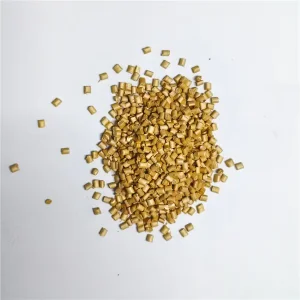
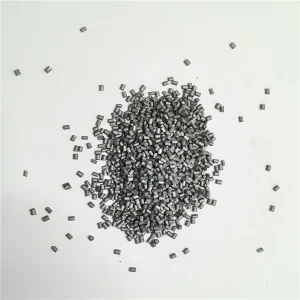
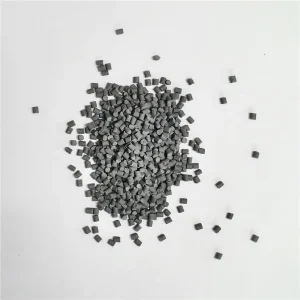
Engineered for immediate high-speed processing, high loading thresholds, and tight Delta E color tolerance limits.
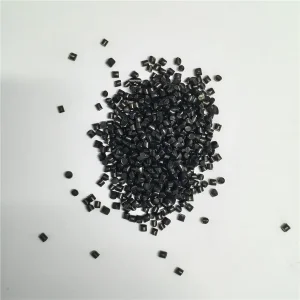
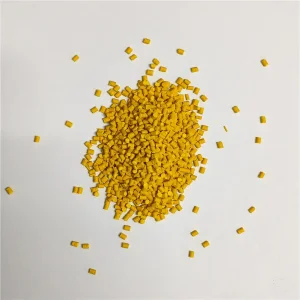
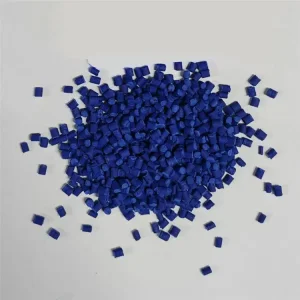
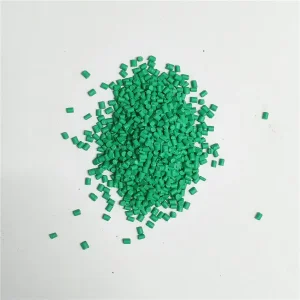
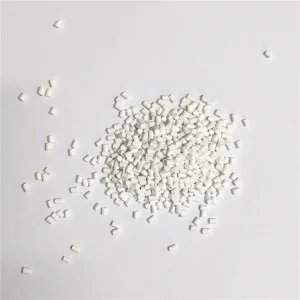
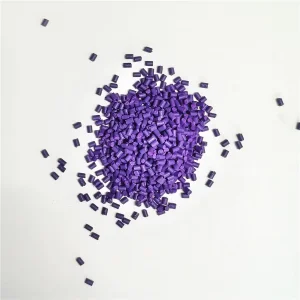
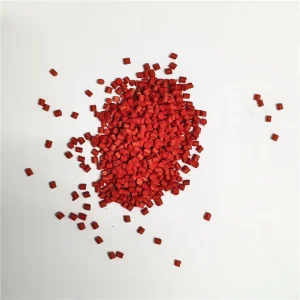
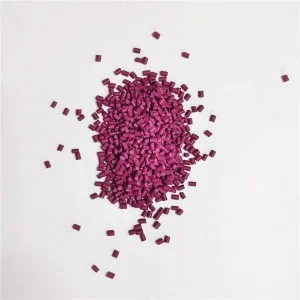
Modern multinational manufacturing mandates custom original equipment manufacturing (OEM) partnerships that balance high pigment-to-carrier saturation, regulatory cross-compatibility, and radical supply chain resilience.
Raw polymer converters frequently grapple with un-sheared pigment agglomerates that induce pinpoint film fractures and gate clogging in injection cavities. Premium OEM masterbatches utilize advanced wax carrier technology and twin-screw segment distribution to reach over 40% active loading while retaining clean laminar melt flow.
Tier-1 procurement teams cannot risk customs seizures or downstream consumer recalls. High-grade OEM compounding demands zero-heavy-metal pigment screening that strictly mirrors European REACH Annex XVII, RoHS 3 (Directive 2015/863), and FDA 21 CFR 177.1520 food-contact safety provisions across both colorants and processing aids.
With modern multi-cavity hot runners and ultra-thin agricultural film lines running up to 260°C continuous temperatures, thermal degradation of pigment rings can provoke immediate yellowing or delamination. Engineering custom OEM masterbatches guarantees anti-fading molecular stability, low volatile organic compound (VOC) vapor, and non-migratory longevity.
| Evaluation Parameter | Commodity / Standard Grade | Jiazhou OEM Engineered Grade | Converter Cost & Quality Impact |
|---|---|---|---|
| Carrier Resin Melt Flow Index (MFI) | Unstandardized (Wide Variance) | 12 – 25 g/10min (Precision Matched) | Eliminates screw slippage, reducing motor torque stress by ~18%. |
| Color Difference Tolerance (Delta E) | ± 1.5 – 2.0 Hunter L,a,b | ≤ 0.3 – 0.5 Spectrophotometer Target | Guarantees cross-batch assembly consistency across global factories. |
| Thermal Degradation Limit | 200°C – 220°C (Breakdown occurs) | 260°C – 280°C Continuous Residence | Zero discoloration, odor emissions, or plate-out on chilled cooling rolls. |
| Filter Pressure Value (FPV) | > 2.5 bar/g (Frequent screen block) | < 0.8 bar/g (Sub-micron dispersion) | Extends screen-pack lifespan by 400% on high-speed blown film blowers. |
Located inside Jiangsu Province’s elite chemical manufacturing corridor, Changzhou Jiazhou Plastic Products delivers industrial synergies impossible to reproduce in fragmented manufacturing hubs.
Immediate cluster access to virgin polymers (Sinopec, PetroChina) and micronized calcium carbonate deposits reduces intra-provincial transit logistics costs by 15-22% relative to decentralized Western compounders.
Operating co-rotating, high-L/D (48:1) twin-screw compounding lines with vacuum degassing yields extreme distributive shearing. This prevents thermal degradation while locking micro-pigment particles into stable carrier matrices.
While Western custom tollers run 8 to 14-week backlogs, our standardized raw inventory reserves and automated gravimetric batching enable full containerload (FCL) dispatches within 15 calendar days from lab approval.
Situated within 150 kilometers of Shanghai Port and Ningbo-Zhoushan Port, factory dispatches transition seamlessly onto daily maritime lines serving North America, Europe, ASEAN, and Middle Eastern terminals.
High-concentration OEM masterbatches formulate the optical and mechanical foundation across high-volume blow-extrusion lines, precision molding bays, and infrastructure extrusions.
As multinational polymers pivot toward Post-Consumer Recycled (PCR) feedstocks, OEM compounding vendors must master near-infrared (NIR) detectability and lower-carbon filler ratios.
Traditional carbon black absorbs near-infrared light, turning black plastics undetectable to optical sorters at municipal recycling facilities. Jiazhou develops custom non-carbon infrared-reflective OEM black concentrates that enable 100% sortability into circular recycling waste streams.
Enterprises face mandates requiring up to 30% recycled content by 2030. Our compounding plant designs tailored masterbatches incorporating chemically stabilized post-consumer resins (rPE/rPP), pairing them with active antioxidant chemistry to prevent degradation cycles during processing.
Procurement chiefs are consolidating fragmented supplier networks into verified OEM entities capable of providing rigorous lot-to-lot documentation: Melt Flow Rate (ASTM D1238), Ash Content (ASTM D5630), Density (ISO 1183), and RoHs 3 compliance certifications on every shipment.
Clear, direct answers regarding custom color matching, compatibility mechanics, minimum order parameters, and quality governance.
We achieve tight Delta E tolerances (≤ 0.5) utilizing computerized spectrophotometers (e.g., Datacolor/X-Rite). Once physical target samples or Pantone/RAL numbers are received, physical injection plaque trials and lab formulations are typically rendered and dispatched within 3 business days.
Carrier resin selection is synchronized with your host resin's rheology. If you process blow-molded HDPE, our team utilizes a high-flow LLDPE or metallocene carrier with a slightly lower melting temperature and identical surface energy to ensure instantaneous homogenization without delamination.
Standard MOQs for custom color concentrates start at 1 metric ton (1,000 kg) to maintain tight masterbatch gravimetric hopper calibration. For private labeled packaging, custom branded 25kg valve sacks with moisture-barrier liners can be manufactured for container-level allocations.
Our nano-coated CaCO3 filler masterbatches feature stearic acid coatings that reduce interfacial surface tension with polyethylene chains. When used at 5% to 25% dosage levels, tensile strength remains stabilized while bubble stability, cooling roll release, and heat conduction are notably improved.
Every production batch undergoes five critical evaluations: Melt Flow Rate (ISO 1133), Heat Stability at 260°C for 5 minutes dwell time, Filter Pressure Value test (DIN EN 13900-5), Moisture Content titration (<0.15%), and Spectrophotometric Hunter Color dispersion.
Yes. We incorporate advanced Hindered Amine Light Stabilizers (HALS) alongside high-purity Rutile Titanium Dioxide or Channel Carbon Black pigments, giving agricultural films, irrigation conduits, and outdoor crates weathering resistance ranging from 1,000 to 5,000 hours of continuous Xenon-arc exposure.
Certified formulations configured for precise dispersion across demanding consumer goods, industrial profiles, and packaging films.