Engineered for high pigment dispersion, non-migration, and superior heat resistance up to 260°C across film blowing, injection molding, and extrusion processing.
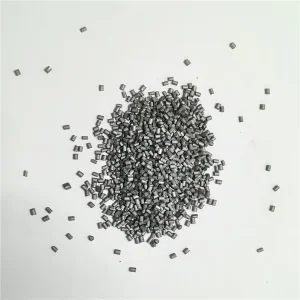
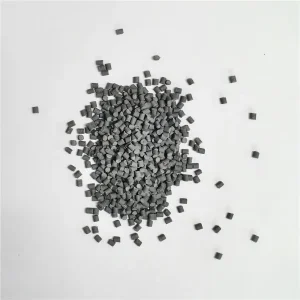
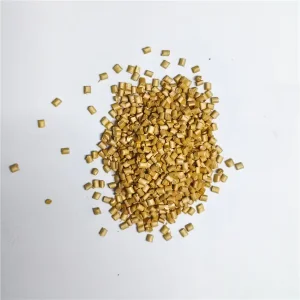
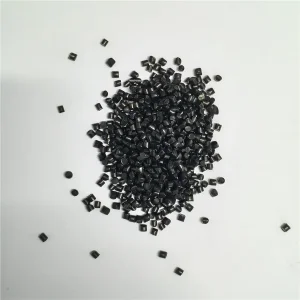
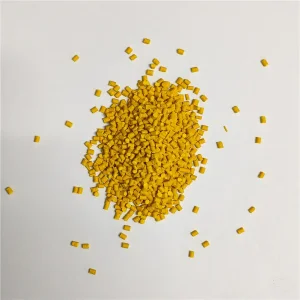
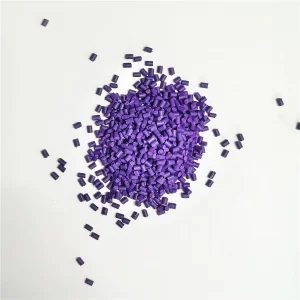
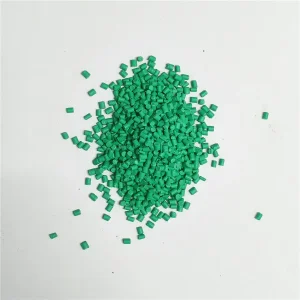
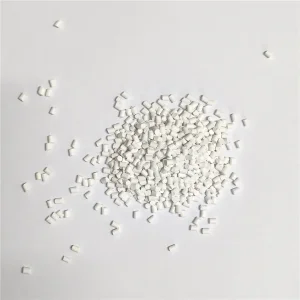
Understanding the macroeconomic forces, material science advancements, and compliance metrics defining the modern Polyethylene (PE) masterbatch market.
The global industrial transition toward sustainable, high-efficiency polymer processing has radically reshaped the demand for specialized color concentrate systems. Historically, plastic convertors relied on dry pigment blending or low-loading masterbatches, which resulted in severe airborne contamination, inconsistent delta-E color variance across extrusion lots, and degraded mechanical properties of the end polymer matrix. Today, industrial leaders require high-concentration Polyethylene (PE) color masterbatch formulations engineered with custom carrier resins matched specifically to LDPE, LLDPE, HDPE, and metallocene PE bases.
By achieving micro-dispersion of organic and inorganic pigments down to sub-micron particle sizes, specialized B2B suppliers eliminate streak formation, surface pinholes, and melt fracture during ultra-thin film blowing (down to 5 microns) and high-speed multi-cavity injection molding.
Global resin converters face escalating pressure to maintain cost competitiveness while adhering to stringent international regulations such as EU REACH, FDA 21 CFR food contact parameters, and RoHS directive compliance. Custom PE color masterbatch suppliers function not merely as material vendors, but as critical technical partners capable of optimizing color loading ratios, enhancing thermal processing stability up to 260°C–300°C, and delivering non-migratory pigment matrices that prevent blooming in flexible food packaging.
As global logistics demand greater flexibility, established Chinese manufacturers like Changzhou Jiazhou Plastic Products Co., Ltd. leverage integrated raw material supply clusters and high-volume twin-screw compounding lines to provide global B2B procurement managers with unprecedented pricing advantages, rapid custom matching lead times, and reliable lot-to-lot consistency.
An in-depth analysis of carrier resin thermodynamics, pigment dispersion dynamics, and thermal stabilization mechanisms.
Optimal dispersion of high-concentration pigments requires precise alignment between the carrier polymer's Melt Flow Index (MFI) and the target matrix resin. If the carrier resin melt viscosity is significantly higher than the substrate, poor mixing occurs, generating un-melted gel particles and color streaking. Conversely, if the carrier MFI is excessively high, physical mechanical properties such as tensile strength, elongation at break, and ESCR (Environmental Stress Crack Resistance) deteriorate. Custom masterbatch formulations utilize low-density polyethylene (LDPE) or linear low-density polyethylene (LLDPE) carriers with MFI values ranging from 12 g/10min to 50 g/10min (190°C/2.16kg) to ensure rapid wetting of primary pigment aggregates.
Primary pigment particles—whether organic phthalocyanines, inorganic iron oxides, or carbon black—exhibit high surface energy and natural cohesion, leading to agglomeration. During processing, twin-screw co-rotating extruders utilize high shear zones to break down these agglomerates. Formulations incorporate specialized dispersing agents, including low-molecular-weight polyethylene waxes (PE wax) and zinc stearate, which reduce interfacial tension and encapsulate primary particles. This surface coating prevents re-agglomeration during cooling and ensures high color yield at minimal dosage rates (typically 1% to 4% addition ratio).
Processing temperatures during extrusion and injection molding often reach 240°C to 280°C. Under these conditions, heat-sensitive pigments can undergo thermal degradation, leading to severe color shifts. Premium custom PE masterbatches integrate primary phenolic antioxidants and secondary phosphite stabilizers to prevent thermo-oxidative degradation of both the colorant and the PE carrier resin. Furthermore, outdoor applications utilize Hindered Amine Light Stabilizers (HALS) and UV absorbers (such as Benzotriazoles) to achieve Lightfastness ratings of 7 to 8 on the Blue Wool Scale and Weather resistance ratings of 4 to 5 on the Grey Scale.
| Parameter / Property | Standard Testing Protocol | White / Black Masterbatch | Color Masterbatch Series | Metallic / Specialty Series |
|---|---|---|---|---|
| Pigment Content (%) | ISO 3451-1 / TGA Analysis | 50% - 70% (TiO₂ / Carbon Black) | 20% - 45% (Organic/Inorganic) | 15% - 35% (Alu/Mica Pigments) |
| Melt Flow Index (g/10min) | ASTM D1238 (190°C / 2.16kg) | 8.0 - 25.0 g/10min | 10.0 - 35.0 g/10min | 15.0 - 40.0 g/10min |
| Heat Resistance (°C) | EN 12877-2 (5 min dwell) | 260°C - 300°C | 240°C - 280°C | 220°C - 260°C |
| Lightfastness (1-8 Scale) | ISO 105-B02 (Xenon Arc) | Grade 7 - 8 | Grade 6 - 8 | Grade 7 - 8 |
| Migration Resistance | DIN 53775 / Gray Scale | Level 5 (No Migration) | Level 4 - 5 (Non-blooming) | Level 5 (No Migration) |
| Filter Pressure Value (FPV) | EN 13900-5 (bar/g pigment) | < 0.5 bar/g | < 1.2 bar/g | < 1.5 bar/g |
Custom PE color masterbatch formulations tailored to unique regional processing requirements and strict end-use environments.
In arid regions such as the Middle East, North Africa, and Southern Europe, agricultural mulching films and drip irrigation tubes operate under intense solar radiation and elevated ambient temperatures. Custom black PE masterbatch featuring fine particle P-type carbon black (20-25nm) provides superior UV opacity, preventing polymer backbone scission and soil moisture evaporation. Furthermore, specialized light-diffusing green and yellow masterbatches deployed in greenhouse films select specific light wavelengths to optimize photosynthetic active radiation (PAR) while screening out destructive UV-C radiation.
With the global surge in e-commerce, the demand for co-extruded multi-layer courier bags, heavy-duty shipping sacks (FFS bags), and stretch hood films has expanded rapidly across North America and Southeast Asia. Multi-layer blown film extruders require high-concentration white masterbatches (up to 70% TiO₂ rutile content) in the outer layer to ensure complete opacity and printability, paired with high-opacity black masterbatch in the inner layer to protect sensitive contents. Masterbatches formulated with low Filter Pressure Values (FPV) guarantee continuous continuous extrusion without filter mesh clogging or film bubble collapse.
For injection-molded industrial crates, storage drums, chemical jerrycans, and automotive interior panels, dimensional stability and non-warping performance are critical. Standard organic pigments can act as nucleation sites, causing asymmetric crystallization in High-Density Polyethylene (HDPE) parts and leading to severe warpage. Custom PE color formulations utilize non-nucleating colorants and specialized anti-static compounds to preserve part geometry, maintain structural impact strength, and ensure low volatile organic compound (VOC) emissions for automotive interior compliance.
Municipal water distribution pipes, gas conduits, and landfill geomembranes demand service lifespans exceeding 50 years. PE80 and PE100 grade HDPE pipe manufacturing relies on specialized blue and yellow stripe masterbatches, as well as premium P-type carbon black masterbatches. These products require ultra-high dispersion ratings to prevent stress concentration points under high hydraulic pressure, resisting oxidative induction (OIT testing > 100 minutes at 200°C) and environmental chemical attack.
Next-generation continuous compounding systems, automated spectrophotometry, and sustainable polymer innovation.
Modern masterbatch compounding relies on high L/D (Length-to-Diameter) ratio co-rotating twin-screw extruders (L/D ratios of 44:1 to 52:1). Incorporating specialized kneading blocks, reverse conveying elements, and side-feeder technology allows for sequential pigment addition, minimizing thermal stress on delicate organic dyes while delivering maximum dispersive and distributive mixing. Vacuum degassing zones remove residual volatiles, moisture, and low-boiling oligomers, eliminating voids and porous structures within the final masterbatch pellet.
To eliminate batch-to-batch color variance, Industry 4.0 masterbatch manufacturing facilities employ multi-component loss-in-weight gravimetric feeders with precision accuracy within ±0.2%. Continuous online spectrophotometric monitoring systems measure color coordinates ($L^*, a^*, b^*$) in real time directly at the strand die. Automatic feedback loops adjust liquid additive dosing or screw RPM to ensure batch color accuracy remains within a tight Delta E threshold ($\Delta E < 0.5$) against target Pantone or RAL standards.
As global brand owners commit to incorporating Post-Consumer Recycled (PCR) plastics into consumer packaging, masterbatch formulators face the challenge of color-correcting yellowed or contaminated recycled resins. Advanced color formulations integrate optical brighteners, odor neutralizers, and compatibilizers that bridge structural phase boundaries between recycled HDPE/LDPE blends, enabling high-performance recycling loops without sacrificing visual appeal or mechanical strength.
Unlocking competitive advantages through industrial cluster efficiency, raw material integration, and rapid B2B customization.
Situated in Changzhou, Jiangsu Province—one of China's core polymer processing and chemical manufacturing clusters—Changzhou Jiazhou Plastic Products Co., Ltd. benefits from direct proximity to major titanium dioxide producers, carbon black plants, and synthetic resin refineries. This localized supply chain integration eliminates raw material lead times and insulates international procurement managers from global supply shocks, offering stable pricing structure and high production reliability.
Our facility operates multiple high-capacity twin-screw compounding lines capable of swift formula changes without cross-contamination. Supported by an in-house R&D laboratory equipped with computerized color-matching spectrophotometers and lab-scale blown film test units, custom sample formulations are produced and dispatched via express air freight within 48 hours. Direct access to nearby Shanghai and Ningbo deep-water ports guarantees seamless ocean freight export with optimized container loading efficiency.
Rigorous testing methodologies ensuring seamless entry into North American, European, and Asia-Pacific markets.
For masterbatches intended for food packaging, bottle caps, and kitchenware, formulations exclusively utilize food-grade pigments listed under FDA 21 CFR 178.3297. Heavy metals such as Lead, Cadmium, Mercury, and Hexavalent Chromium are strictly prohibited, ensuring total safety during direct food contact applications.
Every product batch is certified compliant with EU REACH Regulation (EC No 1907/2006) regarding Substances of Very High Concern (SVHC). Furthermore, compliance with RoHS Directive 2011/65/EU guarantees that electronic enclosures colored with our masterbatch satisfy stringent eco-toxicological standards for global export.
Formulations designed for toy manufacturing and child-contact products undergo heavy element migration testing in accordance with European Standard EN 71-3. This prevents any toxic element extraction during mouthing or prolonged skin exposure, giving brands complete regulatory confidence.
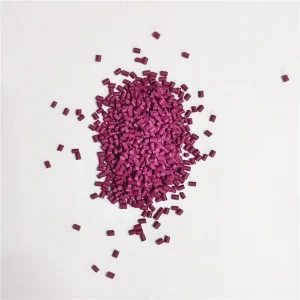
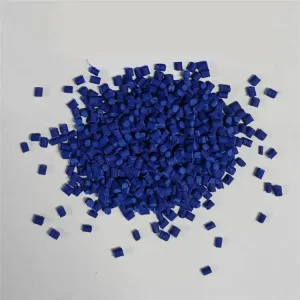
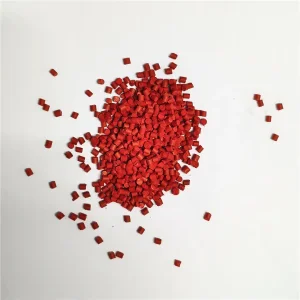
Browse our full range of color and functional masterbatch solutions engineered for specialized plastic converter operations worldwide.
Expert responses addressing dosage calculations, processing parameters, and carrier selection for industrial masterbatch applications.