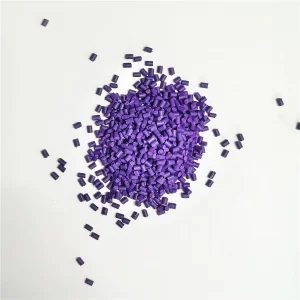
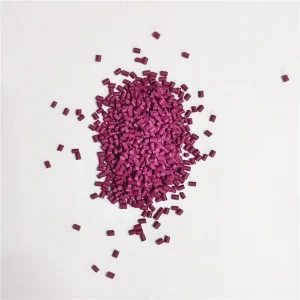
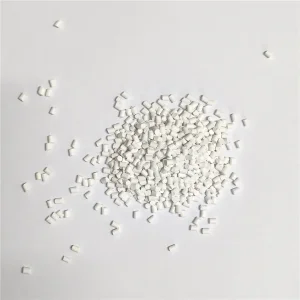
Engineered by Changzhou Jiazhou Plastic Products Co., Ltd. for extreme outdoor durability, thermal resistance up to 260°C, and exceptional pigment dispersion.
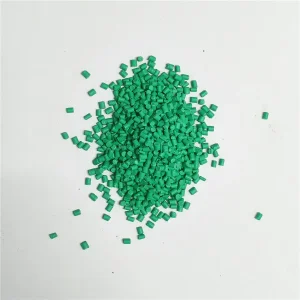
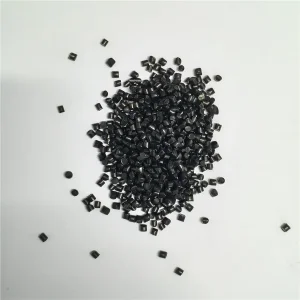
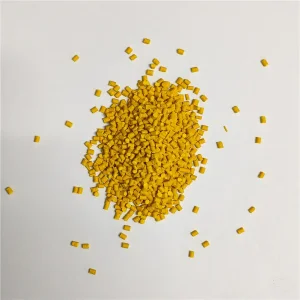
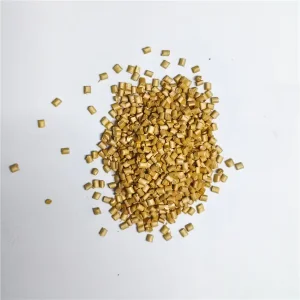
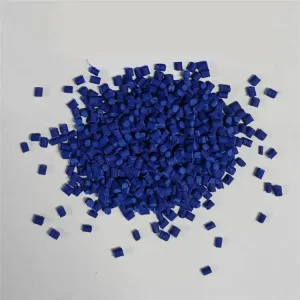
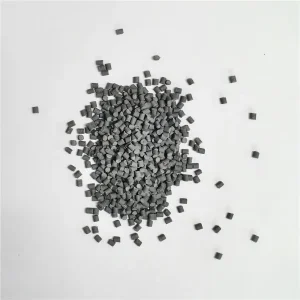
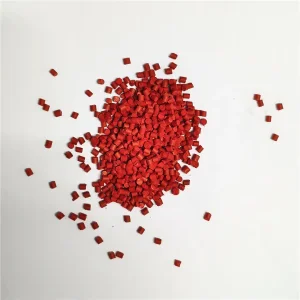
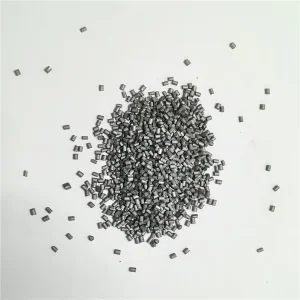
Analyzing global agricultural shifts, photoselective crop science, and polymer stabilization requirements for modern multi-span greenhouse installations.
Controlled Environment Agriculture (CEA) demands agricultural films capable of withstanding intense UV radiation (up to 350-400 KLy/year) while controlling internal microclimates. Custom Polyethylene (PE) vegetable greenhouse film masterbatches provide the essential chemical foundation to prevent early polymer degradation, yellowing, and mechanical failure in high-sunlight regions across North America, Southern Europe, the Middle East, and Latin America.
Modern vegetable cultivation requires active light management rather than simple shading. By incorporating specialized photoselective organic and inorganic pigments into linear low-density polyethylene (LLDPE) carriers, custom masterbatch companies enable film extruders to manipulate Photosynthetically Active Radiation (PAR, 400–700 nm) and alter the Red to Far-Red (R:FR) ratio, boosting photosynthetic efficiency, suppressing crop fungal pathogens, and optimizing crop yields.
With 3-layer, 5-layer, and 7-layer blown film extruders becoming industry standard, masterbatch compounding companies must engineer layer-specific additives. Outer layers prioritize UV reflection and weatherability; middle layers concentrate thermal insulation (infrared blocking); inner layers focus on anti-drip, anti-fog surfactants and smooth surface properties to protect delicate vegetable crops like tomatoes, cucumbers, and peppers.
Engineering robust masterbatches demands strict adherence to chemical longevity standards under heavy chemical pesticide exposures (such as sulfur and chlorine) combined with solar UV radiation.
Understanding how molecular additive blending drives physical durability, optical clarity, and microclimate regulation in agricultural plastics.
Solar ultraviolet rays (UV-A and UV-B) initiate free radical formation that cleaves polyethylene polymer chains, causing film embrittlement. Leading masterbatch companies utilize high-molecular-weight Hindered Amine Light Stabilizers (HALS) combined with Benzotriazole UV absorbers. This multi-stage mechanism traps free radicals and converts damaging UV energy into harmless thermal dissipation, maintaining tear strength and elasticity for up to 3-5 years outdoors.
Water condensation on the underside of greenhouse film blocks light transmittance by up to 20% and drops directly onto crop foliage, fostering fungal diseases (e.g., Botrytis cinerea). Custom masterbatch formulations integrate migrant non-ionic surfactants (such as polyglycerol fatty acid esters) that alter the surface energy of PE films. Water condenses as a continuous transparent sheet rather than droplets, preserving light transmission and protecting crop health.
To prevent rapid nighttime cooling inside greenhouses (which causes cold stress in vegetable crops), masterbatch manufacturers incorporate calcined kaolin clay, hydrotalcite, or aluminum hydroxide inorganic micro-particles. These additives absorb and reflect Far-Infrared (FIR, 7,000–14,000 nm) radiation emitted by heated soil, maintaining nighttime greenhouse temperatures 2°C to 5°C higher than outdoor ambient levels.
Heavy agricultural pesticide usage—specifically elemental sulfur vaporized for powdery mildew control—rapidly deactivates traditional HALS additives by protonating the amino group. Advanced masterbatch companies utilize NOR-type (alkoxyamine) light stabilizers and metal oxide acid scavengers (such as synthetic hydrotalcites) that remain chemically immune to acidic pesticide residues, preserving masterbatch efficacy in high-pesticide environments.
Direct sunlight creates harsh shadows and hot spots inside greenhouses, scorching top leaves while lower foliage receives insufficient light. Masterbatch formulations enriched with light-scattering inorganic minerals scatter incoming direct beams into uniform omnidirectional light. This ensures deep light penetration into dense crop canopies, maximizing overall leaf photosynthetic activity without raising internal temperatures.
A major cause of film defect—such as bubble instability during blown film extrusion or visual gels—is carrier resin MFI mismatch. Elite masterbatch suppliers carefully match carrier resins (virgin LLDPE or LDPE with MFI ranging from 2.0 to 20 g/10min) with the target film matrix resin, ensuring rapid, homogeneous melt dispersion across high-speed extrusion lines.
Comprehensive technical metrics comparing functional PE masterbatch grades engineered for professional agricultural applications.
| Masterbatch Grade Code | Primary Functional Active Component | Carrier Resin Compatibility | Standard Addition Ratio (%) | UV Lifespan Index (KLy Exposure) | Key Agricultural Benefit |
|---|---|---|---|---|---|
| Jiazhou UV-P300 | High-Molecular Weight HALS + Triazine | LLDPE / LDPE / EVA | 3.0% - 6.0% | 350 - 450 KLy | Prevents photo-oxidation, extends film integrity up to 36-48 months. |
| Jiazhou AD-F100 | Glycerol Ester Surfactant Complex | LDPE / LLDPE | 4.0% - 7.0% | N/A (18 Months Anti-Fog) | Eliminates water dripping, maximizes PAR light transmission inside greenhouse. |
| Jiazhou TH-IR80 | Surface-Treated Nano-Hydrotalcite | LLDPE / EVA | 5.0% - 10.0% | 300 - 400 KLy | Blocks thermal infrared escaping; maintains nighttime microclimate warmth. |
| Jiazhou SR-N50 | NOR-HALS + Acid Neutralizer Complex | LLDPE / LDPE | 4.0% - 8.0% | 400+ KLy (High Sulfur) | Resists chemical degradation from sulfur burners (up to 3000 ppm S). |
| Jiazhou DF-S20 | Inorganic Silica Micro-Spheres | LLDPE / LDPE | 2.0% - 4.0% | N/A | Converts direct sunlight into soft diffuse light, preventing crop leaf burn. |
How specialized PE vegetable greenhouse film masterbatches are customized for distinct geographical climate challenges worldwide.
Climatic Challenge: Extreme solar irradiance (> 220 KLy/year), intense heat fluctuations, and severe sandstorm abrasion.
Masterbatch Strategy: Ultra-high HALS dosage coupled with hard inorganic anti-scratch additives and NIR-reflecting masterbatches to lower internal greenhouse temperature during peak summer months.
Climatic Challenge: Low natural ambient sunlight, cold winters, and high humidity levels leading to internal fog formation.
Masterbatch Strategy: Maximum light transmission clarity, fast-acting long-lasting anti-fog masterbatches, and high thermal retention kaolin additives to conserve energy in heated greenhouses.
Climatic Challenge: Heavy rainfall, persistent UV exposure, and intensive usage of pesticide/fungicide sprays.
Masterbatch Strategy: NOR-type sulfur-resistant HALS packages combined with anti-dripping and anti-botrytis photoselective masterbatches to reduce flower rot in high-value vegetable crops.
Over 16 years of compounding excellence, serving film extruders and plastic processors across 100+ global export destinations.
Operating a modern 6,000 square meter manufacturing plant in Changzhou, Jiangsu Province, Jiazhou Plastic utilizes high-torque twin-screw extrusion systems equipped with underwater pelletizing technology. This ensures dust-free, perfectly spherical masterbatch granules that feed seamlessly into automated blown film machinery without clogging or bridging.
Every masterbatch production lot undergoes rigorous laboratory analysis: Melt Flow Index (MFI) testing according to ASTM D1238, filter pressure value testing (FPV) to confirm pigment dispersion under 0.5 microns, thermogravimetric analysis (TGA) for heat stability up to 260°C, and CIELAB colorimeter verification.
All Jiazhou products strictly comply with ISO 9001 quality management systems, RoHS directives, REACH SVHC standards, and non-toxic heavy-metal-free requirements. OEM and ODM color matching against Pantone/RAL codes or physical target film samples can be achieved within 3 to 5 business days.
Expert guidance on selecting, compounding, and processing custom PE vegetable greenhouse film masterbatches.
Explore our complete spectrum of color and functional masterbatches designed for blown film, injection molding, and profile extrusion.