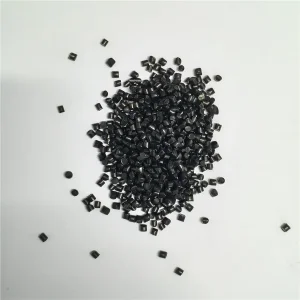
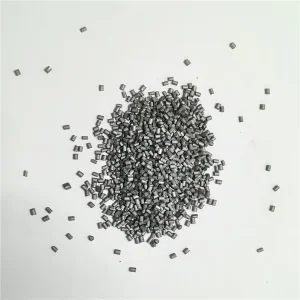
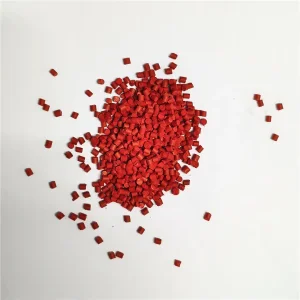
Engineering Custom Rotational Molding Polyethylene Masterbatches
An authoritative technical analysis on resin carrier compatibility, micro-pelletization dynamics, UV-stabilization, and thermal degradation mitigation in rotomolding manufacturing.
Rotational molding (rotomolding) represents a specialized thermoplastic processing technique unique for creating hollow, stress-free, seamless products ranging from large agricultural water storage tanks and chemical vessels to complex automotive components and outdoor recreational equipment. Unlike high-pressure polymer processes such as injection molding or continuous profile extrusion, rotational molding operates under zero-shear, gravity-driven thermal conditions. Polymer powders or micro-pellets must melt, flow, sinter, and consolidate uniformly against the inner surface of an heated rotating mold cavity.
Because of this shear-free thermal cycle—where cycles can exceed 15 to 30 minutes at elevated temperatures reaching 200°C to 300°C—the selection and manufacturing methodology of Custom Rotational Molding PE Masterbatch is critical. Substandard masterbatches lead to pigment agglomeration, severe pin-hole porosity, structural micro-voids, premature UV degradation, and catastrophic environmental stress cracking (ESCR) failures.
1. Global Industry Trends & Macro Market Dynamics in Rotomolding
The global rotational molding market is undergoing a structural transition driven by increasing infrastructure investments, industrial liquid management demands, and sustainable materials mandates. Enterprise original equipment manufacturers (OEMs) and custom rotomolders are prioritizing long-term durability and carbon-footprint reduction without compromising mechanical integrity.
- Prolonged Outdoor UV Weatherability Mandates: Infrastructure applications such as IBC tanks, septic systems, marine buoys, and playground systems now demand extended service lives exceeding 15 to 20 years. Masterbatch formulations must incorporate high-efficiency Hindered Amine Light Stabilizers (HALS) and UV-absorber synergies (such as UV-9, UV-531, and UV-326) rated for UV-8 up to UV-20+ performance under harsh solar irradiation.
- Transition to High-Density & Cross-Linked Polyethylene (HDPE & XHDPE): While Linear Low-Density Polyethylene (LLDPE) remains the dominant resin due to its processing ease, industrial chemical storage and heavy-duty transport tanks are rapidly adopting specialized HDPE and XHDPE resins. Masterbatch suppliers must precisely match carrier resins to ensure equal Melt Flow Index (MFI) and density alignment across the polymer matrix.
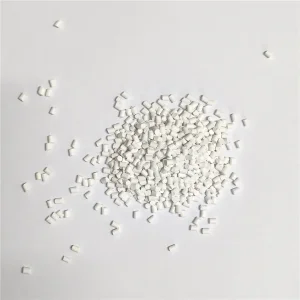
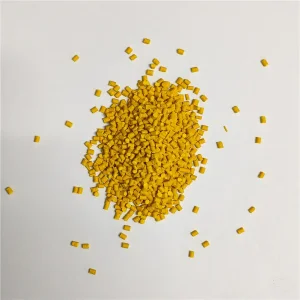
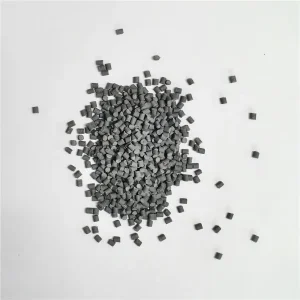
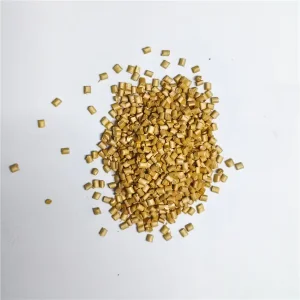
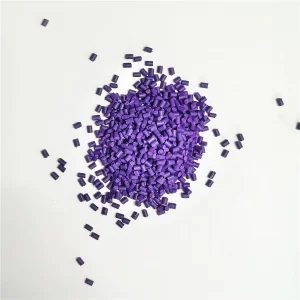
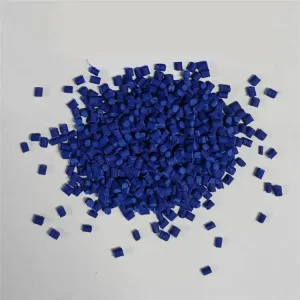
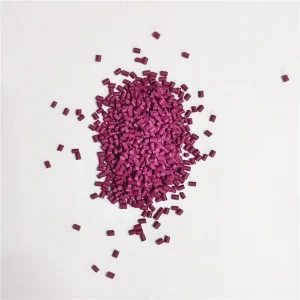
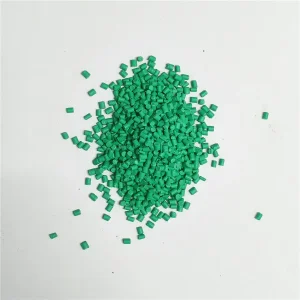
- Sustainable Micro-Pelletization & Circular Carbon Compliance: Global regulations are penalizing dust emissions and raw material waste. Micro-pelletized color masterbatch systems (particle diameters between 300 to 800 microns) are replacing traditional dry-blended pigment powders, minimizing atmospheric contamination, eliminating worker exposure, and streamlining automated compounding lines.
2. Global Procurement Demands & B2B Buyer Sourcing Criteria
Procurement teams and polymer processing engineers face significant technical hurdles when selecting custom PE color and additive masterbatch partners. In high-performance rotomolding, improper colorant choices lead to catastrophic field failures, expensive warranty claims, and process downtime.
| Procurement Concern | Technical Root Cause | Custom Masterbatch Engineering Solution |
|---|---|---|
| Pin-hole Void Defects | Volatile organic compound (VOC) off-gassing and trapped moisture in masterbatch carriers during zero-shear sintering. | Vacuum-degassed compound processing; hydrophobic desiccant micro-fillers and specialized non-hygroscopic wax dispersion agents. |
| MFI Mismatch & Warpage | Masterbatch carrier resin having a different Melt Flow Index than the base LLDPE/HDPE rotomolding resin powder. | Custom carrier resin compounding matching exact host polymer MFI (typically 3.0 to 7.0 g/10min at 190°C/2.16kg). |
| Pigment Agglomeration | Inadequate twin-screw shear dispersion during masterbatch production leading to coarse pigment clusters. | High-aspect-ratio twin-screw extrusion; sub-micron pigment milling and surface-treated organic/inorganic pigments. |
| Premature Environmental Stress Cracking (ESCR) | Incompatible low-molecular-weight additives acting as stress concentrators within the polyolefin crystal lattice. | ESCR-neutral carrier technology using linear virgin LLDPE/HDPE resins without low-grade paraffinic oils or fillers. |
3. Macro Industry Technical Solutions & Polymer Engineering Best Practices
Achieving flawless aesthetic finish, color uniformity, and mechanical strength in rotomolded parts requires sophisticated masterbatch formulation chemistry and production protocols. Key engineering innovations implemented by leading custom manufacturers include:
Micro-Pelletization Technology
Producing masterbatch in spherical micro-pellet formats (0.5mm to 0.8mm) ensures equal bulk density and particle size matching with 35-mesh rotomolding PE powders, preventing dry-blend segregation during rotation.
Thermal Oxidation Inhibitors
Multi-stage antioxidant packages combining primary sterically hindered phenols with secondary phosphite stabilizers protect the PE polymer backbone against thermal scission during long oven cycles.
Pin-Hole & Bubble Elimination
Specialized processing aids reduce melt surface tension, accelerating the coalescence of polymer particles during the sintering phase to allow air bubbles to escape prior to cooling.
4. Quality Assurance, E-E-A-T Protocols & Global Compliance Safeguards
As a professional masterbatch manufacturer with 16+ years of specialized compounding history, Changzhou Jiazhou Plastic Products Co., Ltd. operates strict ISO 9001 and ISO 14001 certified quality management systems. Our analytical laboratory employs cutting-edge equipment to verify every production batch against stringent international criteria:
- Spectrophotometric Delta E Testing: X-Rite Datacolor spectrophotometers measure color accuracy against standard Pantone and RAL color databases, ensuring batch-to-batch variation remains strictly within ΔE < 0.5.
- Melt Flow Index (MFI/MFR) Verification: Automated melt indexers confirm that masterbatch flow properties precisely match target host polymers according to ASTM D1238 / ISO 1133 testing protocols.
- Heavy-Metal-Free & Regulatory Compliance: Masterbatch formulations comply fully with REACH, RoHS 3.0, EU 10/2011, and US FDA 21 CFR 177.1520 food-contact requirements, guaranteeing safety for potable water tanks and food processing containers.
- Accelerated Weathering Simulation: QUV weatherometer testing (ASTM G154 / ISO 4892-2) simulates severe UV-A and UV-B solar exposure to guarantee anti-fading color longevity in harsh outdoor environments.
5. Technology Roadmap & Future Outlook (2025–2030)
The next decade of rotational molding material innovation will focus on smart polymer additives, bio-based polyolefins, and post-consumer recycled (PCR) resin integration. Key developments currently in R&D include:
1. PCR-Compatible Masterbatches: Formulations containing specialized compatibilizers and odor-scavenging agents designed to restore the mechanical properties and aesthetic appeal of recycled HDPE/LLDPE feeds.
2. AI-Driven Color Matching Systems: Automated spectrophotometric algorithms that formulate custom masterbatch recipes in real time, drastically cutting color-match lead times from days to hours.
3. Cool-Pigment Technology: Infrared (IR) reflective masterbatches that reduce heat absorption in dark-colored outdoor plastic structures, lowering surface temperatures by up to 15°C and preventing thermal deformation.