High-dispersion, heat-stable masterbatch solutions formulated specifically for cosmetic blow molding, injection packaging, and aesthetic thin-film applications.
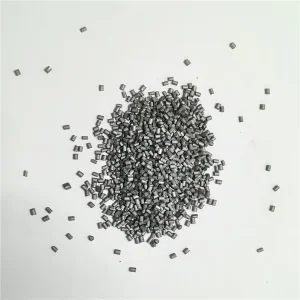
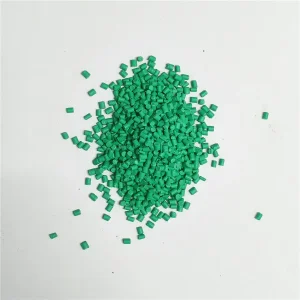
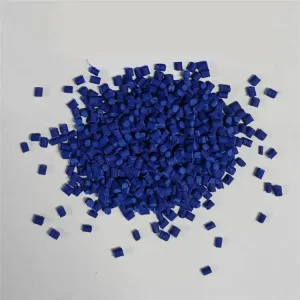
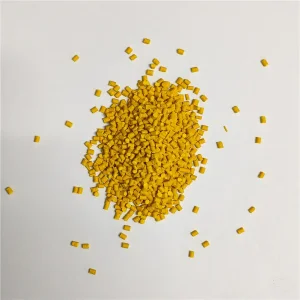
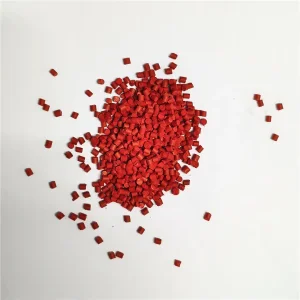
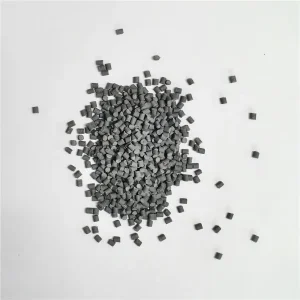
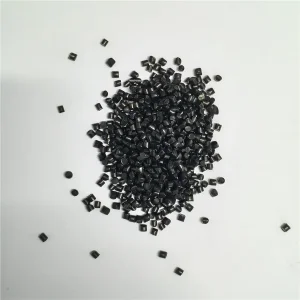
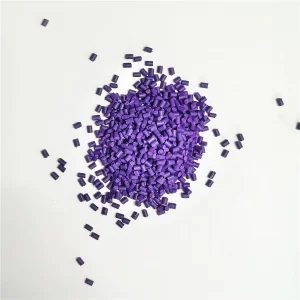
In the highly competitive personal care and luxury cosmetics sector, container visual appeal directly dictates consumer purchase decisions. The shift from basic opaque monochrome plastics to dynamic, iridescent visual textures has elevated Cosmetic Packaging Pearlescent PE Masterbatch from a standard color additive to a strategic branding mechanism. Modern packaging designers require precise optical interference, high surface luster, and silky metallic sheen without compromising the mechanical integrity of Polyethylene (HDPE, LDPE, LLDPE) structures.
Historically, metallic and pearl effects were achieved via post-molding processes such as electroplating, vacuum metallization, or secondary spray coating. However, these secondary operations suffer from high failure rates, environmental VOC compliance penalties, and thermal degradation risks during shipping. By compounding high-purity mica and synthetic fluorphlogopite platelets into carrier resins, modern masterbatch manufacturers provide a single-step, zero-spray solution integrated directly into blow molding and injection extrusion processes.
Global regulatory frameworks (such as the EU Packaging and Packaging Waste Regulation) and corporate ESG initiatives demand high ratios of Post-Consumer Recycled (PCR) content in cosmetic tubes, lotion pumps, and shampoo bottles. Introducing recycled PE resins typically introduces yellowing indices, dark impurities, and fluctuating Melt Flow Indexes (MFI).
High-performance pearlescent PE masterbatches solve PCR aesthetic flaws. Through optimized light refraction and targeted color compensation (utilizing silver, gold, and interference blue pigment matrixes), top-tier compounding manufacturers enable cosmetic brand owners to integrate 30% to 100% PCR PE while maintaining a premium, luminous shelf appearance.
Achieving flawless, streak-free pearlescent finish in Polyethylene containers requires sophisticated compounding science, exact shear-rate matching, and zero-migration carrier matrices.
Pearlescent pigments consist of natural mica flakes, synthetic mica (fluorphlogopite), or glass flakes coated with metal oxides like Titanium Dioxide (TiO₂) or Iron Oxide (Fe₂O₃). Excessive shear during twin-screw compounding fractures these micro-platelets, destroying the refractive index. Leading manufacturers utilize special low-shear element configurations and downstream side-feeding technology to maintain optimal 10–60μm platelet diameter.
Mismatched Melt Flow Indexes (MFI) between masterbatch carriers and base resins lead to flow lines, pearlescent particle agglomeration, and rough container surfaces. Premium cosmetic masterbatch is formulated with virgin LLDPE/LDPE carriers featuring tailored MFI (typically 4 to 20 g/10min at 190°C/2.16kg) to ensure complete molecular wetting and uniform flake alignment during extrusion blowing.
A common issue in injection-molded cosmetic caps and thick-walled closures is visible weld lines where melt fronts converge. By integrating secondary dispersants and surface modification agents, specialized PE masterbatch formulas adjust melt surface tension, forcing pearlescent platelets to orient parallel to mold walls and eliminating optical weld defects.
| Performance Parameter | Standard Specification Range | Testing Protocol / Instrument | Cosmetic Packaging Significance |
|---|---|---|---|
| Pigment Loading Concentration | 20% - 40% (Customizable) | ISO 11358 Ash Content Test | Determines dosing efficiency (1%–4% let-down ratio); minimizes unit cost per bottle. |
| Thermal Stability | 180°C to 260°C | DIN EN 12877-2 Thermal Oven Test | Prevents color shifting and polymer degradation during high-speed injection molding. |
| Color Difference Control (ΔE) | ≤ 0.40 against Master Target | X-Rite Ci7800 Spectrophotometer | Ensures identical cosmetic bottle color across different manufacturing facilities globally. |
| Heavy Metal Compliance | Lead (Pb), Cadmium (Cd), Hg < 5 ppm | ICP-OES / Spectrometry Analysis | Full compliance with FDA 21 CFR 178.3297, EU No 10/2011, REACH SVHC, and RoHS 3.0. |
| Light Fastness Rating | Grade 7 to 8 (Blue Wool Scale) | ISO 105-B02 Xenon Arc Exposure | Guarantees zero fading or yellowing on retail display shelves under store lighting. |
For high-speed automated extrusion lines running blow-molded squeezable lotion tubes, pellet size uniformity is paramount. Variations in masterbatch granule dimensions cause feed throat bridging and volumetric dosing fluctuations. Superior manufacturers utilize underwater pelletizing systems to achieve spherical, uniform granules (2.0 - 2.5 mm) with zero dust generation.
Cosmetic formulations often contain complex surfactants, botanical oils, ethanol, and active chemical compounds. The masterbatch carrier and color pigments must undergo chemical extraction migration testing to prove zero interaction with inner contents, avoiding delamination, stress cracking (ESCR), or formula discoloration over a 36-month shelf life.
Cosmetic product launch cycles are accelerating. High-capacity compounding suppliers maintain digital spectrophotometric databases, offering exact matching against Pantone, RAL, or physical target samples within 48 to 72 hours, backed by pilot-scale extrusion testing before mass production.
Addressing common manufacturing bottlenecks in plastic packaging processing through targeted masterbatch chemistry.
To optimize raw material costs without sacrificing premium aesthetics, modern blow molding machinery utilizes 3-layer or 5-layer co-extrusion technology. By incorporating pearlescent PE masterbatch strictly in the outer aesthetic layer (representing only 10%–20% of total wall thickness), packaging OEMs lower overall masterbatch consumption by up to 60% while retaining 100% surface pearl intensity.
Our Engineering Support: We supply low-viscosity, high-pigment-density masterbatches specially formulated for ultra-thin outer layer stability, ensuring zero layer delamination during drop-impact testing.
Extruding squeezable PE cosmetic tubes with wall thicknesses below 0.4mm frequently leads to micro-pinholes, dielectric breakdown, or surface roughness when coarse mica particles are present. Large pigment agglomerates act as stress concentrators, leading to tube bursting under pressure.
Our Engineering Support: Our cosmetic-grade pearlescent masterbatch utilizes multi-stage melt filtration (down to 325 mesh / 44 microns) to guarantee complete particle de-agglomeration, eliminating structural defects in flexible tube manufacturing.
Founded in 2010, Changzhou Jiazhou Plastic Products Co., Ltd. operates a modern 6,000 square meter manufacturing facility in Changzhou, Jiangsu Province, China. Armed with high-precision continuous twin-screw compounding lines, automated gravimetric feeders, and advanced optical quality-testing instrumentation, Jiazhou delivers over 15,000 metric tons of specialized color and filler masterbatches annually.
Our qualified technical team consists of senior polymer engineers and color chemists boasting decades of experience in masterbatch formulation. With export footprints extending across 100+ countries, Jiazhou maintains robust international logistics frameworks, complete export customs compliance, and dedicated technical field support for global clients.
Cosmetic packaging materials undergo intense scrutiny from global health authorities. Jiazhou provides complete regulatory dossiers for every product line, guaranteeing compliance across international destination markets:
Development of high-loading pearlescent masterbatches using bio-based Polyethylene (derived from sugarcane ethanol) and PLA/PBAT biodegradable carriers. Designed to support 100% bio-based cosmetic packaging without sacrificing luster or mechanical strength.
Implementation of artificial intelligence neural networks in masterbatch formulation labs. AI models predict color shifts, light reflection indices, and opacity levels in real-time based on resin grade and wall thickness, cutting custom development cycles from days to hours.
Advanced nano-layered titanium oxide structures creating multi-chromatic color-shifting effects (e.g., gold-to-violet flip) within standard extrusion equipment, giving mass-market cosmetic packaging luxury-grade, anti-counterfeiting visual properties.
Engineered for high weatherability, non-fading color, and optimal processing efficiency in plastic blow molding and injection applications.
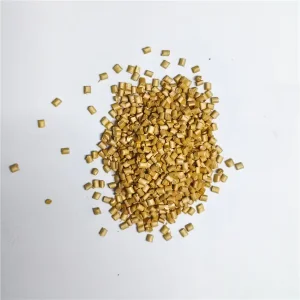
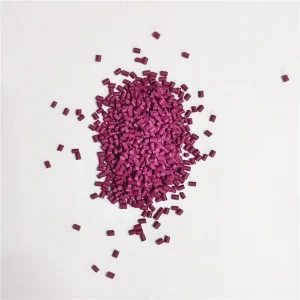
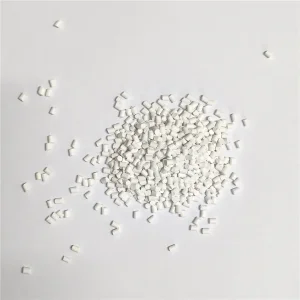
In-depth technical responses addressing common engineering and sourcing questions regarding Cosmetic Packaging Pearlescent PE Masterbatch.
For high-concentration cosmetic-grade pearlescent masterbatch (20%–30% active pigment loading), the standard let-down ratio ranges between 1.5% and 3.5% depending on bottle wall thickness and target opacity. For thin-walled squeezable tubes (under 0.5mm), a 3.0% to 4.0% LDR ensures dense pearl coverage without transparency leakage. For multi-layer co-extrusion where masterbatch is restricted to the outer layer, an LDR of 4.0%–5.0% within that isolated layer delivers optimal luster while maintaining low overall consumption.
High-quality pearlescent PE masterbatches utilizing natural mica or synthetic fluorphlogopite are inert inorganic minerals that do not interfere with standard NIR (Near-Infrared) sorting equipment at plastic recycling facilities. Unlike metallic foil stampings or vacuum metallized coatings, masterbatch pigments stay encapsulated within the PE matrix during mechanical recycling, allowing the reclaimed pellets to be recycled into secondary industrial packaging without causing melt clogging or toxic gas emissions.
Streak marks and flow lines occur when pearlescent mica flakes experience turbulent shear or uneven melt temperatures. To overcome this: (1) Ensure proper back-pressure on the extruder barrel to promote gentle mixing; (2) Optimize melt temperature profiles to match the masterbatch MFI (typically 190°C–220°C for PE); (3) Increase breaker plate screen size to prevent high-shear pinches; and (4) Verify that the masterbatch utilizes an engineered LLDPE carrier matrix designed specifically for rapid, homogenous dispersion.
Yes. All masterbatch series engineered for cosmetic applications by Changzhou Jiazhou Plastic Products Co., Ltd. are produced using non-toxic, heavy-metal-free pigments and food-grade Polyethylene carriers. Our formulations strictly adhere to FDA 21 CFR 178.3297, European Union EU No 10/2011 regulations, RoHS 3.0, and REACH SVHC standards, ensuring zero migration of hazardous substances into cream, lotion, or liquid cosmetic formulations.
For custom Pantone or target sample matching, Jiazhou provides lab-scale color samples within 3 to 5 business days. Once approved, mass production orders are fulfilled within a standard 15-day lead time. Our flexible manufacturing setup accommodates B2B buyers with MOQs starting at 500 kg for custom specialized formulations, and 100 kg for standard stock series.