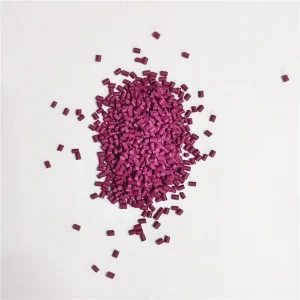
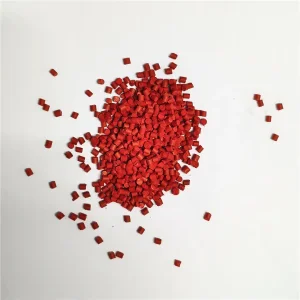
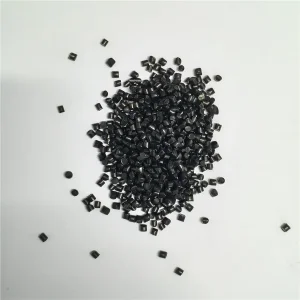
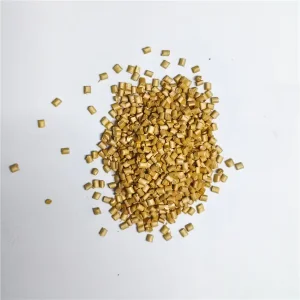
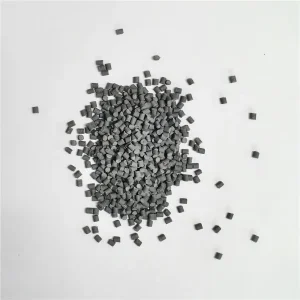
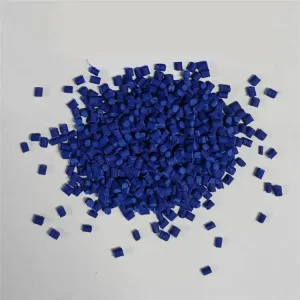
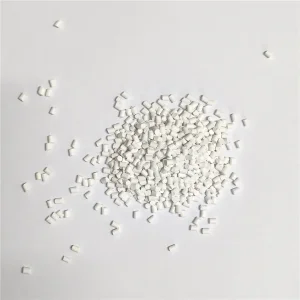
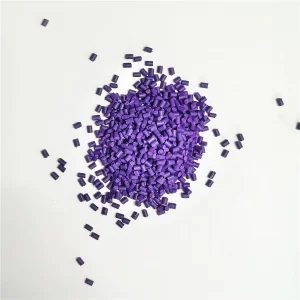
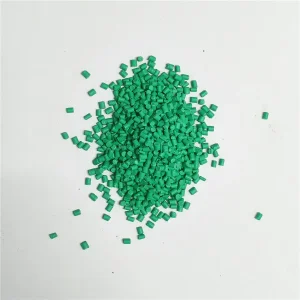
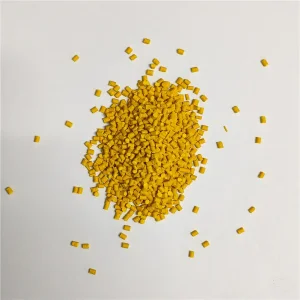
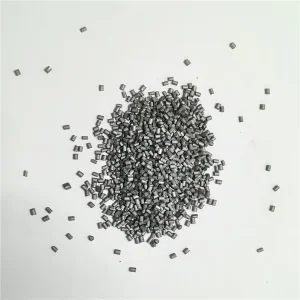
Engineered for high-dispersion, thermal stability up to 260°C, and anti-fading performance across film extrusion and protective packaging.
An engineering deep-dive into how low-density polyethylene (LDPE/LLDPE) carrier systems interact with chemical blowing agents and nucleating additives to achieve optimal cushioning dynamics.
In modern industrial logistics, fragile electronics packaging, automotive component transit, and cold-chain distribution, Foaming Packaging Buffer Polyethylene (PE) Masterbatch stands as the core additive technology driving material transformation. By introducing precise microcellular structures within polyethylene matrices (primarily Low-Density Polyethylene—LDPE, and Linear Low-Density Polyethylene—LLDPE), process engineers can dramatically reduce volumetric density while exponentially boosting shock absorption, elastic recovery, and vibrational damping.
Reduces virgin PE resin density from ~0.925 g/cm³ down to 0.025–0.20 g/cm³ depending on expansion ratios, cutting shipping weight while retaining structural integrity.
Closed-cell gas pocket architecture absorbs kinetic impact vectors, dissipating peak force g-levels to protect sensitive optical, electronic, and industrial payloads.
Precision chemical nucleating agents ensure bubble size distributions remain under 100 microns, preventing cell collapse, gas dissipation, or wall rupture.
The performance of a buffer packaging foam relies upon two primary physical kinetics: nucleation density and melt strength regulation. When masterbatch pellets are plasticized inside single or twin-screw extruders, chemical blowing agents (such as modified Azodicarbonamide [ADC] or exothermic sodium bicarbonate derivatives) undergo thermal decomposition. Concurrently, ultra-fine inorganic nucleating particles (typically surface-treated talc or silica nanocomposites) lower the free energy barrier for gas bubble formation, yielding millions of uniform micro-voids per cubic millimeter.
Technical Insight: Achieving high-performance EPE (Expanded Polyethylene) buffering requires precise matching between the blowing agent's gas evolution temperature range (typically 150°C to 210°C) and the melt viscosity profile of the PE carrier polymer. A mismatch causes premature gas escape or unexpanded polymer clumps.
With 16+ years of dedicated polymer compounding expertise, our production facilities deliver reliable, high-yield foaming masterbatch solutions across 100+ global jurisdictions.
Comparative analytical matrix demonstrating mechanical density reduction, shock absorption coefficient, and process energy efficiency.
| Performance Indicator | High-Quality Foaming PE Masterbatch | Direct Gas Injection (Physical) | Unfoamed Solid PE Resin | EPS (Expanded Polystyrene) |
|---|---|---|---|---|
| Density Range (g/cm³) | 0.03 – 0.15 | 0.02 – 0.08 | 0.915 – 0.940 | 0.015 – 0.050 |
| Cell Structure Integrity | Uniform Closed-Cell micro-voids (<80µm) | Variable Cell Sizes (100–300µm) | N/A (Solid Matrix) | Rigid Interlocking Beads |
| Shock Absorption (ASTM D3575) | Superior Elastic Energy Absorption | Moderate Energy Absorption | Poor Cushioning (High Stiffness) | Brittle Failure under repeated shock |
| Compressive Set Recovery | > 92% Recovery after 24 hrs | 80% – 85% Recovery | N/A | < 50% (Permanent Plastic Deformation) |
| Process Setup & Capital Cost | Low (Standard Extruder Direct Addition) | High (High-Pressure Gas Injection Lines) | Standard Processing | Specialized Steam Molding Plant |
| Environmental Recyclability | 100% Recyclable PE Stream | 100% Recyclable | 100% Recyclable | Difficult Handling / Flaking Pollution |
As indicated by empirical testing data, incorporating specialized chemical foaming masterbatches allows packaging processors to achieve optimal cushioning without investing millions of dollars in gas injection modification equipment. Furthermore, unlike Expanded Polystyrene (EPS) which crumbles under impact and poses massive marine pollution risks, chemical-foamed Polyethylene retains full ductility, flexibility, and mono-material recyclability within standard post-consumer PE waste streams.
Key industry shifts pushing the adoption of high-performance PE foaming additives across international manufacturing hubs.
With cross-border parcel delivery surging globally, package weight optimization directly dictates freight costs. Transitioning from solid protective plastic wraps to lightweight foamed PE buffers reduces dimensional weight tariffs by 15% to 35% without compromising drop-test protection standards.
Regulators across Europe (EU Packaging and Packaging Waste Regulation—PPWR), North America, and East Asia are banning unrecyclable multi-layer composite cushions. Foaming packaging masterbatches allow manufacturers to create 100% monomaterial PE cushioning foams that integrate directly into existing curbside recycling programs.
Modern semiconductor assemblies, curved OLED panels, medical equipment, and automotive LiDAR sensors demand non-scratch, low-abrasion, non-dusting buffer packaging. Microcellular PE foams produced with high-purity masterbatches fulfill strict particulate cleanroom standards.
By shipping masterbatch concentrates rather than pre-expanded bulky foam rolls, convertors minimize international container freight volumes by 800%. Localized expansion using PE masterbatches drastically cuts shipping logistics overhead for global OEM packaging suppliers.
Tailored masterbatch formulation strategies for specialized industrial converting processes.
Continuous extrusion of thin expanded PE sheets (0.5mm – 10mm) used for surface scratch protection of fruit, glassware, consumer electronics, and polished furniture surfaces.
Laminated thick PE foam blocks (20mm – 100mm+) designed for CNC custom routing, supporting heavy equipment, industrial engines, and server cabinet corner pads.
Multi-cavity closed-cell packaging liners providing dual thermal insulation (low thermal conductivity k-value) and impact protection for pharmaceuticals and biological vaccines.
Ensuring full international market access through stringent chemical safety and localized technical auditing.
Exporting plastic packaging products to regulated destination markets requires strict adherence to environmental safety protocols. Changzhou Jiazhou Plastic Products Co., Ltd. enforces multi-stage raw material screening, ensuring all PE color and foaming masterbatches comply fully with global regulatory standards:
Formulations are completely free from heavy metals (Lead, Cadmium, Mercury, Hexavalent Chromium), Polybrominated Biphenyls (PBB), and Polybrominated Diphenyl Ethers (PBDE). SVHC candidate lists are continuously screened twice annually.
Specialized food-grade masterbatch variants utilize non-toxic, migration-resistant pigments and food-contact-approved nucleating agents, ensuring full safety compliance for indirect food packaging buffers.
Custom Localized Support: Jiazhou provides on-site color matching, melt flow index (MFI) optimization, and extrusion die parameter tuning for international buyers across North America, Southeast Asia, Europe, and the Middle East, guaranteeing zero line-downtime during masterbatch switching.
Pioneering tomorrow's sustainable foaming additives and intelligent buffer polymers.
Maximizing active nucleating agent density to enable lower masterbatch dosage rates (down to 1.0–1.5%), significantly cutting unit polymer production costs.
Replacing fossil-based low-density polyethylene carrier resins with sugarcane-derived Bio-PE and PLA/PBAT compatible carriers for bio-degradable cushion foams.
Developing advanced chemical masterbatches designed specifically to synergize with physical Sc-CO₂ extrusion, creating nanocellular void structures (<10µm).
Integrating strain-rate sensitive shear-thickening polymer additives into foaming masterbatches for adaptive shock protection against high-velocity drops.
Expert answers regarding processing parameters, formulation kinetics, ordering logistics, and performance troubleshooting.
Select from our range of high-performance color and technical masterbatches engineered for blown film, injection molding, and protective packaging extrusion.