Advanced Microcellular Foaming Technologies, Cell Structure Optimization, and Global Supply Chain Synergies from Changzhou Jiazhou Plastic Products Co., Ltd.
Explore our primary formulations tailored for blown film, injection molding, profile extrusion, and microcellular foaming applications worldwide.
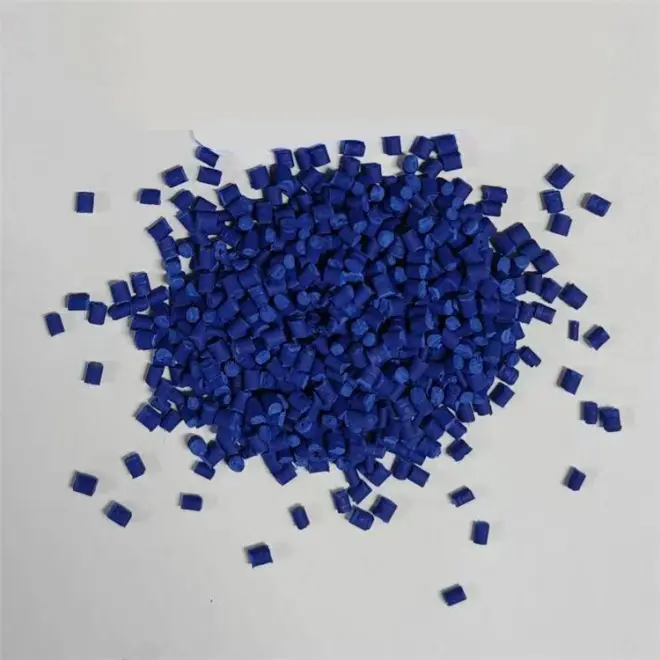
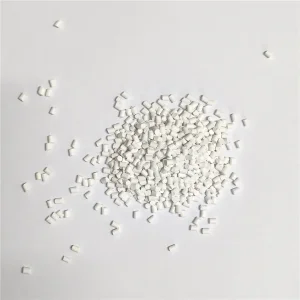
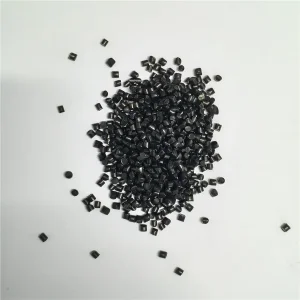
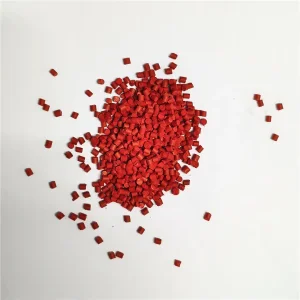
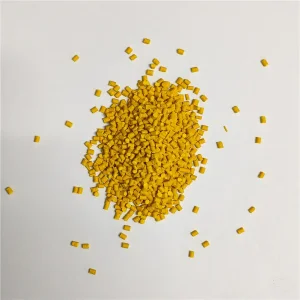
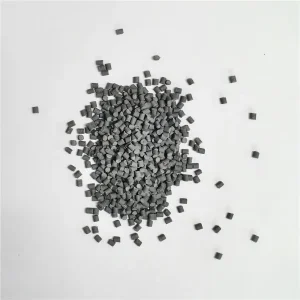
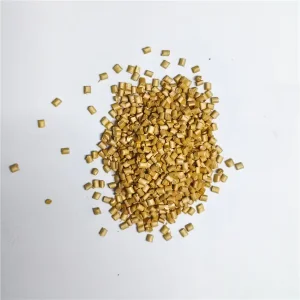
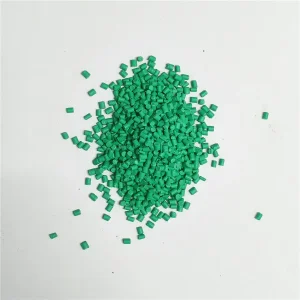
In modern polymer processing, achieving lightweighting, material conservation, shock absorption, and enhanced thermal insulation without compromising structural integrity is a core technical objective. Foaming Special PE Masterbatch serves as a vital functional additive designed specifically for Polyethylene (PE) polymers—including Low-Density Polyethylene (LDPE), Linear Low-Density Polyethylene (LLDPE), and High-Density Polyethylene (HDPE)—as well as Ethylene-Vinyl Acetate (EVA) copolymers.
By precisely introducing chemical blowing agents (CBAs) alongside specialized nucleating agents into a compatible PE carrier resin, premier manufacturers enable plastic converters to execute controlled microcellular foaming during extrusion, injection molding, and blow molding processes.
Engineered chemical blowing agents decompose within precise temperature windows (160°C – 210°C), releasing micro-bubbles of N₂ or CO₂. High-efficiency nucleating agents ensure cell diameters remain under 50 microns for uniform structural density.
Successful PE foaming requires matching carrier resin Melt Flow Index (MFI) with the base polymer. Our formulations enhance polymer melt strength, preventing cell collapse, coalescence, or pinhole defects during expansion.
Custom blends of exothermic agents (high gas yield like Azodicarbonamide) and endothermic agents (smooth surface finish, food-contact approved like citric acid derivatives) yield optimized cell structures tailored to exact end-use requirements.
Uncontrolled chemical foaming often leads to broad cell size distribution, causing severe drops in tensile strength and impact resistance. Enterprise-grade Foaming Special PE Masterbatch incorporates sub-micron nucleating centers that increase cell density (up to 10⁸ cells/cm³) while reducing individual cell sizes. This maintains mechanical toughness while reducing final part weight by 15% to 45%.
Review key technical properties evaluated under ISO 1183, ISO 1133, and ASTM D1505 standards.
| Technical Parameter | Standard PE Color Masterbatch | Foaming Special PE Masterbatch | Engineering Value & Benefit |
|---|---|---|---|
| Primary Function | Pigment dispersion & color hue control | Density reduction, nucleating & structural foaming | Lightweighting, raw material cost saving |
| Carrier Resin Compatibility | LDPE / LLDPE (MFI: 10 - 20 g/10min) | Modified PE / EVA matrix (MFI: 2 - 8 g/10min) | High melt strength prevents bubble collapse |
| Gas Yield (ml/g) | N/A (Non-foaming) | 120 - 220 ml/g (Adjustable grade dependant) | Maximizes volumetric expansion efficiency |
| Decomposition Temp. Window | Stable up to 260°C - 300°C | Controlled activation: 160°C to 210°C | Prevents premature foaming inside extruder feed zone |
| Target Part Density Reduction | 0% (Standard volumetric weight) | 15% to 50% density reduction | Direct reduction in polymer resin usage per unit |
| Surface Finish & Aesthetics | High gloss, smooth finish | Smooth skin with micro-cellular core | Eliminates surface sink marks in thick injection parts |
Custom foaming formulations are adapted to specific manufacturing technologies and localized regional application requirements:
Widely utilized in Expanded Polyethylene (EPE) sheet extrusion, protective cushioning films, and courier bag core layers. Delivers high impact absorption and lower shipping weight.
Applied in interior trim components, ducting, and NVH (Noise, Vibration, Harshness) acoustic insulation pads. Helps automotive OEMs meet stringent vehicle weight-reduction targets.
Essential for XPE/IXPE insulation tubes, underlayment foams, and thick-walled PE pipe cores. Enhances thermal insulation values (lower K-factor) while cutting material overheads.
Integrated into EVA/PE blended soles, slippers, exercise mats, and thick injection-molded daily plastic items to eliminate sink marks and reduce consumer product weight.
Sourcing masterbatch from premier Chinese manufacturing hubs provides global enterprises with strategic cost efficiencies, reliable quality, and technical scalability. Operating out of Changzhou, Jiangsu Province, Changzhou Jiazhou Plastic Products Co., Ltd. stands as an established enterprise with 16 years of direct engineering experience.
Situated near top-tier petrochemical refining complexes (Sinopec, PetroChina), Jiazhou secures premium PE carrier resins and blowing agents at competitive volume costs, transferring direct savings to international procurement partners.
Our 6,000 square meter factory operates high-torque twin-screw extrusion systems equipped with underwater pelletizing. In-house testing ensures melt flow index, pigment dispersion, and foaming yield remain consistent across batches.
With quick access to Shanghai and Ningbo maritime ports, Jiazhou guarantees rapid order turnaround, complete export documentation, custom palletization, and transparent tracking for over 100 export destinations.
International regulatory frameworks demand rigorous testing for plastic additives. Foaming masterbatch products manufactured by Changzhou Jiazhou conform to global environmental and food-contact benchmarks:
Formulated without heavy metals (Lead, Cadmium, Hexavalent Chromium, Mercury) or restricted phthalates, meeting EU Directive 2015/863 and REACH hazardous substance limits.
Specialized endothermic foaming masterbatches utilize GRAS-listed ingredients suitable for food packaging films, trays, and beverage container cap liners.
Optimized thermal decomposition chemistry minimizes residual organic volatiles, making finished products ideal for enclosed automotive interiors and medical packaging.
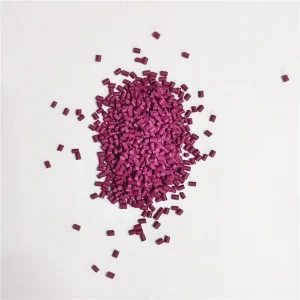
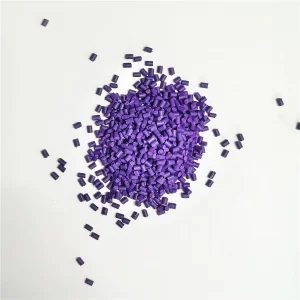
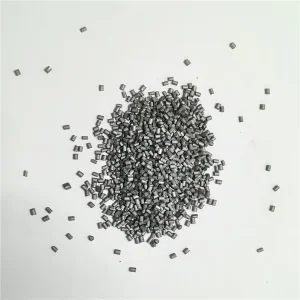
Explore our complete color masterbatch portfolio designed to work alongside special foaming additives.
The typical addition rate ranges from 1.0% to 3.0% by weight depending on the desired density reduction and processing method. For microcellular packaging films, 1.5% to 2.0% yields approximately 20% weight reduction. For thick-walled injection products aimed at eliminating sink marks, 1.0% to 1.5% is generally optimal.
Exothermic foaming agents (e.g., Azodicarbonamide) generate higher gas volume per gram and higher pressure, making them suitable for high-density reduction in extrusions. Endothermic agents absorb heat during decomposition, yielding finer, highly uniform cell structures with smoother surface aesthetics, making them preferred for food packaging and precise injection molding.
Yes. In fact, adding foaming masterbatch to Post-Consumer Recycled (PCR) PE helps offset melt flow instabilities and density variations common in recycled streams. It fills structural voids and restores consistent volumetric dimensions to molded parts.
Each production batch undergoes strict quality testing including Melt Flow Index (MFI) measurement, Differential Scanning Calorimetry (DSC) to check gas decomposition onset temperature, density testing under ISO 1183, and spectrophotometric color matching.
Standard packaging consists of 25kg moisture-proof heavy-duty PE bags or 1000kg bulk jumbo bags with aluminum barrier liners. Standard lead time is 15 business days from order confirmation to port dispatch in Shanghai.