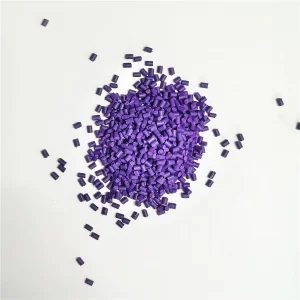
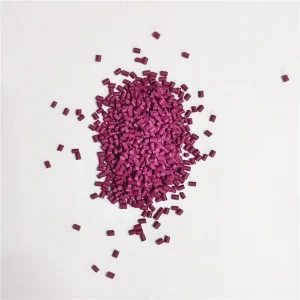
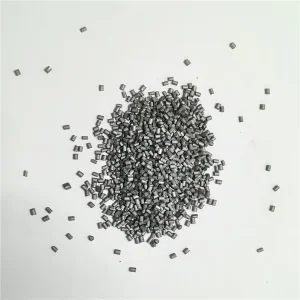
Explore our industrial-grade polyethylene carrier masterbatches, formulated for high dispersion, thermal stability up to 260°C, and friction coefficient reduction.
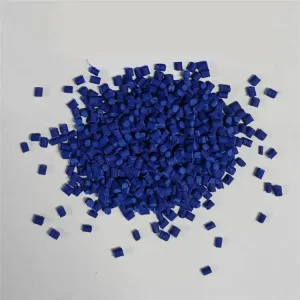
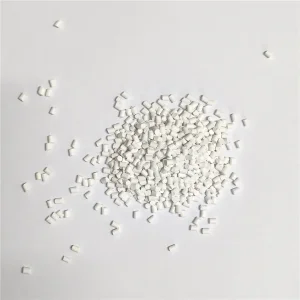
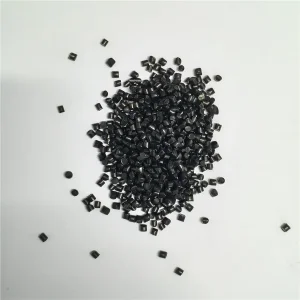
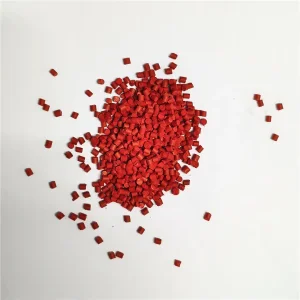
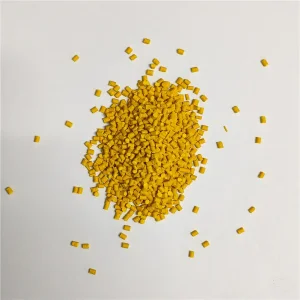
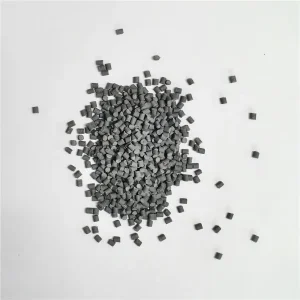
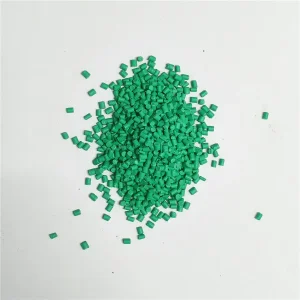
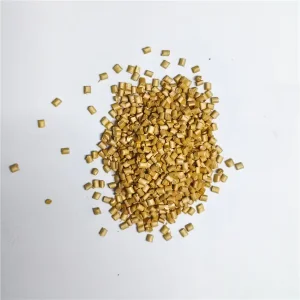
In high-speed thermoplastic processing, the dynamic friction existing between molten polyolefin resins and metal contact surfaces (extruder barrels, screws, die lips, and mold cavities) poses a constant operational bottleneck. High Lubrication PE Masterbatch serves as a pivotal chemical processing additive designed to overcome these interfacial shear challenges. By integrating specialized ultra-high molecular weight siloxane polymer complexes, fluorine-free polymer processing aids (non-PFAS PPA), or high-purity fatty acid amide additives into high-density (HDPE), linear low-density (LLDPE), or low-density polyethylene (LDPE) carrier resins, modern masterbatch manufacturing factories provide converters with unprecedented rheological control.
Technical Insight: Incorporating advanced high-lubrication additives reduces the dynamic Coefficient of Friction (COF) of polyolefin films from >0.50 down to ≤0.15 without compromising corona treatment retention, heat-seal strength, or optical clarity.
As global environmental regulations accelerate the phase-out of traditional per- and polyfluoroalkyl substances (PFAS) in polymer processing aids, tier-1 masterbatch companies are re-engineering internal and external lubrication mechanisms. Modern high-lubrication PE masterbatches act via a dual-action mechanism: internal lubricants reduce intermolecular viscosity and melt torque, while external lubricants migrate precisely to the polymer melt-metal interface to form a micro-thin dynamic boundary layer. This dual action alleviates melt fracture (sharkskin phenomenon), curtails die lip buildup (drool), lowers head pressure, and yields substantial energy consumption savings across blown film lines, pipe extrusion plants, and high-speed injection molding facilities.
Quantifiable performance metrics demonstrate how high-lubrication PE masterbatches optimize throughput and protect processing machinery.
By lowering the melt viscosity at high shear rates, our high lubrication PE masterbatch reduces motor load current on twin-screw and single-screw extruders by up to 18-22%. This directly translates to lower kWh consumption per ton of processed resin, reducing the overall operational carbon footprint.
Melt fracture occurs when critical shear stress is exceeded at the die exit, causing surface roughness on films and pipes. Lubricant masterbatch creates a slippage coating on the die wall, smoothing out the velocity profile of the melt flow and allowing higher line speeds without surface distortion.
Low-molecular-weight fractions, pigments, and mineral fillers often deposit at the die face, leading to line breaks and visual specks. Highly lubricated PE masterbatch acts as a continuous cleaning agent, preventing degraded polymer buildup and extending die maintenance intervals by 300%.
The global polyethylene market processes over 100 million metric tons annually, spanning polyolefin flexible packaging, agricultural films, infrastructure piping (PE100/PE80), and automotive compounding. Industry dynamics are currently being reshaped by three macro trends:
Factory Procurement Insight: Sourcing high lubrication PE masterbatch directly from specialized manufacturing facilities ensures tight carrier-density matching (e.g., matching low MFI HDPE pipe grades versus high MFI injection grades), maximizing additive dispersibility and preventing delamination.
Comprehensive physical and chemical property benchmarks for high lubrication PE masterbatches utilized in industrial processing.
| Property / Parameter | Standard Test Method | Silicone-Based High Lubricant | Amide-Based Fast Slip Masterbatch | Non-PFAS PPA Masterbatch |
|---|---|---|---|---|
| Active Ingredient Loading | Internal / TGA | 20% - 50% UHMW Siloxane | 5% - 10% Erucamide / Oleamide | 3% - 8% Hydrophobic Synthetic Polymer |
| Carrier Resin Compatibility | ISO 1133 | LDPE / LLDPE / HDPE / mLLDPE | LDPE / LLDPE | LLDPE / HDPE / PP |
| Melt Flow Index (190°C/2.16kg) | ASTM D1238 / ISO 1133 | 2.0 - 15.0 g/10min | 8.0 - 20.0 g/10min | 1.0 - 5.0 g/10min |
| Dynamic COF Reduction | ASTM D1894 | Reduction from 0.60 to 0.15 | Reduction from 0.60 to 0.10 | Reduction from 0.60 to 0.20 |
| Thermal Stability (°C) | TGA (5% weight loss) | Up to 300°C | Up to 220°C (Blooming risk >230°C) | Up to 280°C |
| Corona Treatment Compatibility | ASTM D2578 | Excellent (No Surface Interference) | Moderate (Migration can affect dyne level) | Outstanding (Zero Interference) |
| Food Contact Compliance | FDA 21 CFR / EU 10/2011 | Compliant (Specific Grades) | Compliant | Compliant |
From agricultural films to high-pressure water piping, tailored lubrication formulations target specific processing challenges.
In multi-layer co-extrusion (3-layer, 5-layer, 7-layer films), high lubrication PE masterbatch is introduced primarily into the outer skin layers. It prevents bubble sway during high-speed blowing, reduces friction over collapsers and nip rollers, and ensures smooth bag-making on automated conversion machinery. Unlike low-molecular-weight amides, non-migrating siloxane masterbatches do not interfere with ink adhesion during flexographic or rotogravure printing.
Piping manufacturers face extreme melt pressure and inner surface roughness during thick-wall HDPE extrusion. Incorporating 0.5% - 2.0% high lubrication masterbatch lowers melt temperature, reduces die head backpressure, and creates an ultra-smooth internal pipe bore. This smooth inner wall drastically lowers hydraulic friction, maximizing fluid flow rates in agricultural irrigation and municipal water infrastructure.
For complex packaging closures, medical devices, and automotive interior panels, rapid mold filling and clean ejection are mandatory. High lubrication PE masterbatch enhances resin flow length inside narrow runner systems, lowers injection pressures, and drastically reduces cycle times. Molded parts release effortlessly without requiring external silicone sprays, leaving zero mold residue.
Extruding high-density polyethylene insulation around copper conductors requires high linear speed and minimal micro-void formation. High lubrication additives lower shear heating inside the extruder barrel, preventing thermal degradation of the polymer matrix while improving the surface finish and scratch resistance of the cable sheath.
Our manufacturing plant operates under comprehensive quality control frameworks, delivering certified masterbatch products to global markets.
All high lubrication masterbatch formulations comply strictly with US FDA 21 CFR 177.1520, EU Regulation No 10/2011, REACH SVHC, RoHS 3 (Directive 2015/863), and GB 4806.6 food contact standards. Comprehensive heavy metal testing (Pb, Cd, Hg, Cr VI) guarantees safe end-use in food packaging and medical devices.
Utilizing advanced twin-screw extruders equipped with gravimetric dosing loss-in-weight feeders, every production run maintains an active ingredient tolerance within ±0.2%. Every lot undergoes melt flow rate testing, ash content analysis, colorimetric assessment, and dispersion testing via filter pressure value (FPV) screening.
We provide dedicated field technical assistance to help converters fine-tune masterbatch dosing ratios directly on their factory floor. With strategic regional distribution hubs and standardized moisture-barrier aluminum packaging, we ensure consistent masterbatch shelf life and immediate order dispatch within 15 days.
As the polymer industry transitions toward circular bio-based economies, masterbatch manufacturers are actively developing next-generation lubricant additives designed for sustainable plastics:
Developing 100% renewable bio-PE carriers derived from sugarcane ethanol, ensuring fully circular carbon footprints for eco-conscious brand owners without compromising rheological lubrication performance.
R&D focusing on novel multi-arm, hyper-branched siloxane polymers that bind dynamically to polyolefin matrices, eliminating any risk of additive leaching, surface blooming, or fogging in automotive interior applications.
Engineering temperature-triggered micro-encapsulated processing aids that activate exclusively inside high-shear die zones, minimizing required additive dosage by up to 50% while achieving identical flow enhancement.
Direct technical answers to common engineering and procurement inquiries regarding high lubrication PE masterbatch implementation.
Direct manufacturer sourcing with verified international quality compliance, tailored carrier formulations, and fast worldwide delivery.