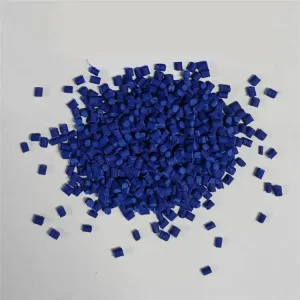
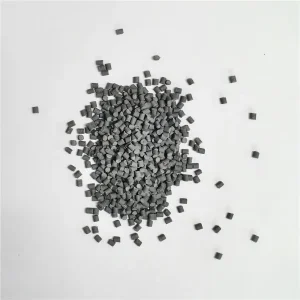
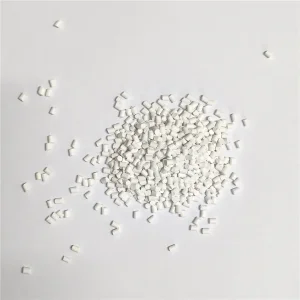
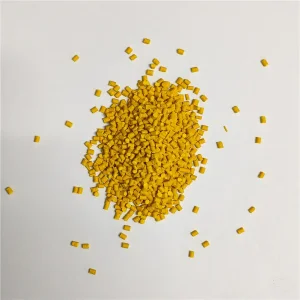
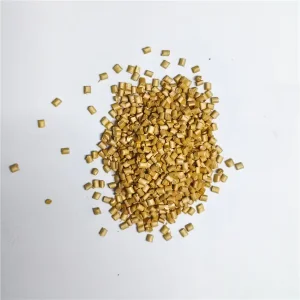
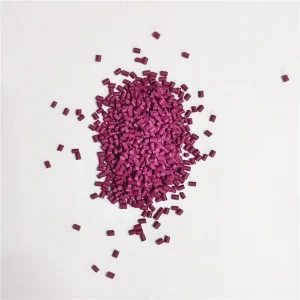
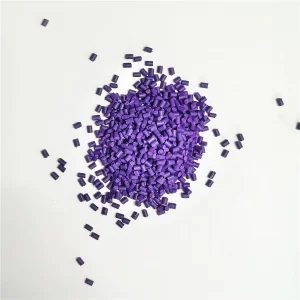
Engineered specifically for medical grade blown film, injection molding, and complex cleanroom extrusion applications.
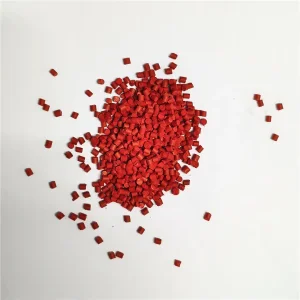
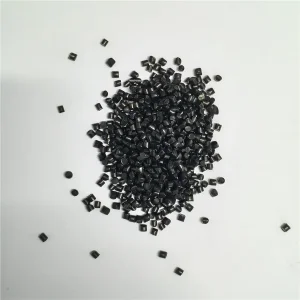
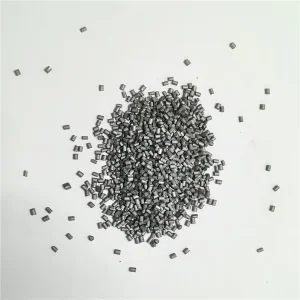
Why leading global pharmaceutical packaging manufacturers are eliminating halogenated carriers to meet stringent toxicological standards.
The global medical packaging sector is undergoing a profound material science transition. Driven by international environmental mandates—such as the European Union’s REACH regulation, RoHS 3 directives, and updated FDA guidance on Extractables and Leachables (E&L)—the reliance on traditional halogenated flame retardants, plasticizer systems, and heavy-metal pigment complexes has become unviable for high-tier pharmaceutical applications.
Polyethylene (PE), specifically High-Density Polyethylene (HDPE), Linear Low-Density Polyethylene (LLDPE), and Low-Density Polyethylene (LDPE), serves as the foundational polymer matrix for sterile fluid containers, intravenous (IV) infusion bags, blister packaging foils, diagnostic vials, and cleanroom barrier films. However, converting raw polyolefins into functional, color-coded, and flame-retardant medical components requires advanced masterbatch formulations.
High-Quality Medical Packaging Halogen-Free PE Masterbatches replace traditional halogenated chemistry (chlorine, bromine, fluorine) with ultra-pure inorganic pigment dispersions and phosphorus-nitrogen or organosilicon synergistic additive matrices. This guarantees compliance with USP Class VI biological reactivity tests while preventing toxic dioxin emissions during incineration disposing processes.
Meeting the strict requirements of international pharmacopeias and environmental standards.
Medical-grade PE masterbatch must be formulated using resin carriers and additive systems that exhibit zero systemic toxicity, zero intracutaneous reactivity, and no cytotoxic impact on cell culture lines as mandated by USP <87> and <88> and ISO 10993-5/10/11 standards.
Governing polyolefins used for containers and closures for parenteral solutions and non-parenteral preparations. Mandates rigid limits on heavy metals, total organic carbon, extractable zinc, and specific antioxidant migration into aqueous media.
All active pigments, dispersants, and carrier resins utilized by premier factories must comply with direct and indirect food/drug contact regulations under US FDA Title 21. Sourcing from certified companies providing Drug Master File (DMF) registration accelerates client regulatory filings.
Understanding the science behind high dispersion, non-migration, and low extractable profiles.
The matrix resin must exhibit a Melt Flow Index (MFI) precisely matched to the target substrate. Premium manufacturers utilize prime-grade, narrow molecular weight distribution (MWD) LLDPE or LDPE resins produced via metallocene catalysis. This minimizes low-molecular-weight oligomers that could migrate into aqueous parenteral solutions.
Eliminating organohalogens requires replacing conventional phthalocyanine derivatives containing trace chlorine or heavy metals with ultra-pure synthetic inorganic oxides, quinacridones, or diketopyrrolopyrrole (DPP) complexes. For flame retardancy, micro-encapsulated ammonium polyphosphate (APP) combined with pentaerythritol synergists provides robust intumescent thermal barrier protection up to 260°C.
Masterbatch compounding requires multi-zone, high L/D ratio (40:1 to 48:1) co-rotating twin-screw extruders. Advanced screw element configurations (kneading blocks, reverse conveying elements) ensure agglomerate-free dispersion down to sub-micron particle scales without thermal degradation of the PE matrix.
To eliminate specking, micro-gels, and mechanical stress raisers in blown film packaging, melt streams undergo continuous dual-piston screen changers with filtration fineness down to 40–100 microns (120–400 mesh equivalent), followed by under-water pelletization in filtered air/water loops.
| Engineering Parameter | Industry Standard Requirement | Jiazhou High-Quality Medical Benchmark | Analytical Test Method |
|---|---|---|---|
| Halogen Content (Cl, Br, F, I) | < 900 ppm (IEC 61249-2-21) | < 50 ppm (Undetectable limits) | Ion Chromatography (EN 14582) |
| Melt Flow Index (190°C / 2.16kg) | Application specific (2.0 – 20 g/10min) | Custom MFI Matched (±0.5 tolerance) | ASTM D1238 / ISO 1133 |
| Thermal Stability Limit | 220°C | 260°C – 280°C continuous | Thermogravimetric Analysis (TGA) |
| Heavy Metal Extraction (Pb, Cd, Hg, Cr VI) | < 100 ppm combined (CONEG) | < 5 ppm total heavy metals | ICP-OES / ICP-MS Analysis |
| Color Migration Rating | Grade 4 (Grey Scale) | Grade 5 (Zero bleed / Non-migratory) | ISO 105-X12 / DIN 54006 |
| Biocompatibility (Cytotoxicity) | Non-cytotoxic (Grade 0–1) | Grade 0 (Zero L929 cell lysis) | ISO 10993-5 (MEM Elution) |
How specialized halogen-free PE masterbatch formulations deliver failure-free performance across specialized packaging lines.
Flexible IV bags constructed from 3-layer or 5-layer co-extruded PE film demand extreme clarity, high seal strength, and zero leachables into sensitive saline or drug formulations. Medical Halogen-Free PE White or Clear Additive Masterbatches ensure smooth film processing without pinhole defects, maintaining mechanical flexibility during cryogenic storage and steam autoclave sterilization (121°C).
Cold-form aluminum blister packaging and rigid thermoformed trays for surgical instruments require color-coded PE heat-sealable layer masterbatch. Halogen-free formulas prevent chemical interaction with sensitive solid oral dosage forms (tablets, capsules) while offering specific light-blocking (UV/visible wavelength range 200–450nm) properties to protect photo-sensitive active pharmaceutical ingredients (APIs).
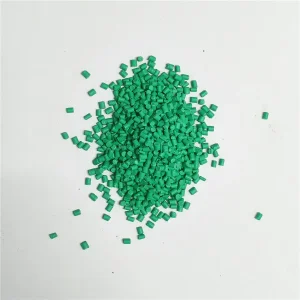
Color-coding in diagnostic reagents (such as PCR testing kits and blood collection tubes) is essential for clinical lab safety. Using anti-fading, non-migratory PE Masterbatch (Red, Blue, Yellow, Green, Purple) ensures high optical contrast, tamper-evident closure integrity, and dimensional stability during high-speed injection molding.
Mass production of disposable medical syringes requires friction-optimized, slip-controlled PE color masterbatch. Halogen-free formulations prevent stress cracking (ESC) under medical-grade silicone lubrication while ensuring precision dosage visibility for healthcare workers.
Medical tubing and sterile cleanroom liner bags utilize anti-static, non-halogenated PE masterbatch to prevent electrostatic dust attraction in ISO Class 5–7 cleanrooms, mitigating particulate contamination risks prior to terminal gamma radiation or EtO (Ethylene Oxide) sterilization.
Why Changzhou Jiazhou Plastic Products Co., Ltd. is the strategic OEM/ODM partner for multinational medical packaging converters.
In the highly competitive medical device and pharmaceutical packaging landscape, raw material supply security, cost efficiency, and batch-to-batch quality repeatability are essential. Located in Changzhou, Jiangsu Province—the core chemical and polymer manufacturing hub of East China—Changzhou Jiazhou Plastic Products Co., Ltd. leverages over 16 years of specialized manufacturing experience.
Operating a 6,000 square meter standardized production plant equipped with modern continuous compounding lines, spectrophotometric color matching, and melt index analysis tools, Jiazhou delivers global enterprise-grade reliability with exceptional lead times.
Direct strategic alliances with major petrochemical suppliers (Sinopec, PetroChina, Sabic, Dow) guarantee unbroken access to ultra-clean polymer carrier resins, even during global supply shortages.
Every production lot is subjected to dual-stage testing: X-ray fluorescence (XRF) spectroscopy for halogen-free verification, plus Filter Pressure Value (FPV) testing (DIN EN 13900-5) to guarantee clean screen pack operation.
By optimizing pigment loading concentrations up to 70%, Jiazhou masterbatches reduce required let-down ratios (LDR) to 1%–3%, directly lowering Total Cost of Ownership (TCO) for packaging converters by 15%–25% versus Western suppliers.
Pioneering advancements shaping the next decade of eco-compliant, medical polyolefin packaging.
Integrating ISCC PLUS certified mass-balanced bio-HDPE/LLDPE derived from tall oil or agricultural side streams into halogen-free masterbatches. This enables pharmaceutical brands to reduce Scope 3 carbon footprints without compromising medical biocompatibility or shelf-life barrier properties.
Emerging masterbatch systems integrate non-halogenated scavengers (oxygen absorbers, moisture desiccants, and volatile organic compound trappers) directly into the PE matrix. This active barrier protects sensitive biopharmaceuticals from oxidative degradation.
Next-generation color masterbatches incorporate inorganic anti-counterfeiting markers (near-infrared / NIR transparent pigments) allowing automated sorting in recycling facilities and instant verification of authentic pharmaceutical packaging across global supply chains.
Expert guidance on selecting, testing, and specifying halogen-free medical PE masterbatches.
Explore our full line of non-toxic, heat-resistant, and high-dispersion masterbatches for medical & industrial plastic conversion.