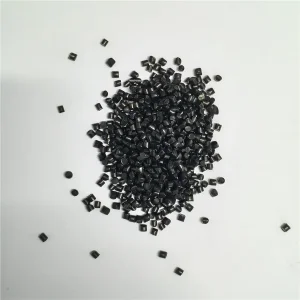
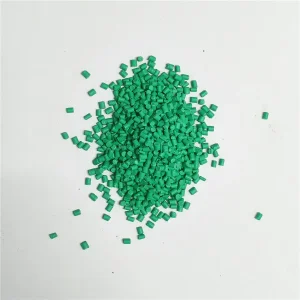
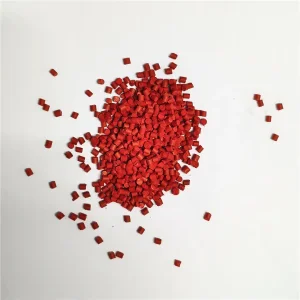
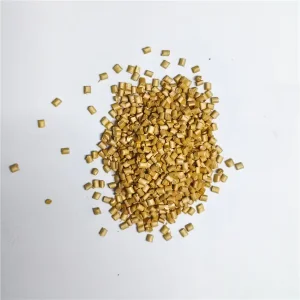
Engineered specifically for blown film co-extrusion, agricultural greenhouse films, mulch cover, and demanding industrial plastic applications.
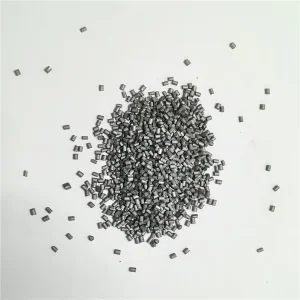
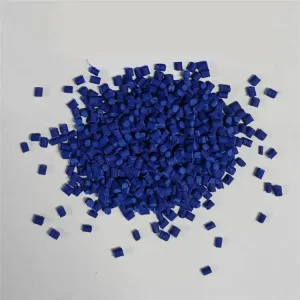
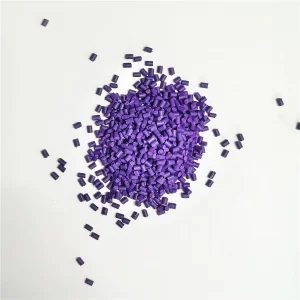
In modern Plasticulture, Polyethylene (PE) agricultural film masterbatch serves as the functional backbone of high-yield protected cultivation. Far beyond simple colorants, high-performance agricultural film masterbatches are complex chemical formulations that combine linear low-density polyethylene (LLDPE) or low-density polyethylene (LDPE) carrier resins with micro-dispersed functional additives—including Hindered Amine Light Stabilizers (HALS), UV absorbers, non-migrating anti-dripping agents, infrared (IR) thermal barriers, and metallic reflection pigments.
Agricultural films operating under intense solar irradiance face severe photo-oxidative degradation. Premium masterbatch formulations incorporate synergistic HALS and nickel quenchers to extend film lifespan past 36 months, even in high-pesticide environments containing sulfur and chlorine radicals.
Water droplets forming on greenhouse inner surfaces reduce light transmission by up to 30% and foster fungal pathogens. Advanced masterbatch technology embeds surface-active non-ionic surfactants that lower water contact angles, forming a continuous transparent water sheet that enhances photosynthetic active radiation (PAR).
By incorporating nano-scale hydrotalcites, calcined kaolin, or aluminum hydroxide into the PE matrix, functional masterbatches absorb far-infrared radiation (7–14 μm wavelength) radiated from the soil at night, preventing rapid crop chilling and lowering heating energy expenditure by up to 25%.
Analysis of changing requirements across North America, Europe, Latin America, and Asia-Pacific regional agricultural film manufacturers.
The global agricultural plastics market is undergoing a rapid transition toward high-durability, multi-layer co-extruded blown films (3-layer, 5-layer, and 7-layer lines). B2B procurement managers and commercial film extruders no longer evaluate masterbatch suppliers solely on cost per kilogram; instead, procurement decisions are governed by Information Gain, total cost of ownership (TCO), dispersion uniformity (Filter Pressure Value / FPV testing), Melt Flow Index (MFI) matching, and regulatory compliance (RoHS, REACH, heavy-metal-free).
| Target Application | Key Functional Masterbatch Required | Primary Pigment / Additive System | Critical Technical Performance Benchmark |
|---|---|---|---|
| Multi-Span Greenhouse Covers | Clear UV Stabilizer & Anti-Fog Masterbatch | Triazine UV Absorber + HALS + Hydrotalcite | Light Transmission >88%, PAR Retained >90% after 3000h QUV |
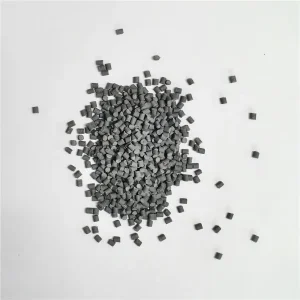
| Silver-Black Reflective Mulch Film | PE Silver Masterbatch & PE Black Masterbatch | Aluminum Flake Powder + Furnace Carbon Black (P-type) | Opacity >99.5%, Pest Repellency Index >85%, Non-fading |
| Silage Stretch Wrapping Film | High-Density Polyisobutylene (PIB) Tackifier / Color | PIB Carrier + Organic Pigments (Green/White/Black) | Oxygen Permeability < 15 cm³/m²·24h, High Tear Resistance |
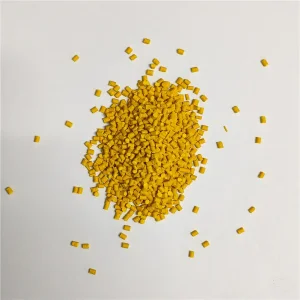
| Photoselective Solarization Film | Specialized Optical Color Masterbatch | Fluorescent / Selective Spectrum Pigments (Yellow/Red) | Red/Far-Red Light Ratio Optimization, Accelerated Crop Growth |
In regions such as the Middle East, North Africa, and Southern Europe, extreme solar radiation (UV index > 11) and ambient temperatures exceeding 45°C cause rapid degradation of conventional PE films. Buyers require high-concentration masterbatches with non-migrating antioxidants (Irganox 1010 / Irgafos 168) and heat-resistant inorganic pigments that withstand continuous 260°C melt extrusion processing without thermal discoloration.
With strict European Union (REACH) and global environmental standards restricting lead, cadmium, and halogenated compounds, masterbatch factories must deliver certified heavy-metal-free formulations. Furthermore, compatibility with biodegradable polymers (PBAT, PLA) and recycled PE resins (PCR) is becoming a decisive selection criterion for global distributors.
How Changzhou Jiazhou Plastic Products Co., Ltd. leverages 16 years of engineering excellence, twin-screw compounding automation, and strategic port logistics.
Operating state-of-the-art co-rotating twin-screw extruders equipped with loss-in-weight gravimetric feeders ensures pigment loading accuracy within ±0.2%. High-shear screw elements achieve optimal pigment deagglomeration, guaranteeing zero specks or streaks on thin blown films down to 6 microns.
Using Datacolor computer-aided color matching systems and X-Rite spectrophotometers, our laboratory guarantees batch-to-batch color tolerance ΔE < 0.5. Every masterbatch batch undergoes melt index testing (ASTM D1238) to match the customer’s target resin matrix perfectly.
Situated in Changzhou, Jiangsu Province, Jiazhou Plastic benefits from direct integration with the Yangtze River Delta chemical supply chain cluster and close proximity to Shanghai and Ningbo ports, enabling rapid raw material sourcing and guaranteed 15-day order dispatch for international clients.
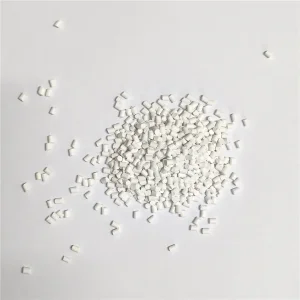
Through optimized carrier formulation matching (utilizing premium virgin LLDPE resin matrices with high melt flow rates) and high pigment loading (up to 70% titanium dioxide in white masterbatch and up to 50% carbon black in black masterbatch), agricultural film extruders can achieve desired color opacity and functional performance at a lower dosage rate (typically 1.5% to 3.0%), significantly dropping the overall cost per ton of finished film.
Tailored masterbatch formulation strategies for specialized agricultural microclimates and industrial processing techniques.
Requirement: High PAR transmission, 3-year weatherability, sulfur resistance.
Masterbatch Strategy: UV-stabilized Masterbatch combined with light-scattering fillers. Diffuses direct light to prevent leaf scorch in tall crop canopies (tomatoes, cucumbers) while maintaining structural film integrity under wind stress.
Requirement: Superior opacity, solar reflection, soil temperature control.
Masterbatch Strategy: Co-extrusion layer A uses PE Silver Masterbatch to reflect UV rays and disorient pests (aphids, thrips); layer B uses PE Black Masterbatch to block 99.9% of light, suppressing weed growth entirely.
Requirement: Thermal barrier, total light seal, high puncture strength.
Masterbatch Strategy: Outer white layer uses TiO2 PE White Masterbatch with anti-UV agents to reflect solar heat; inner black layer uses P-type Carbon Black Masterbatch to prevent internal grain sprouting and aerobic deterioration.
Direct answers from our Senior Polymer Engineers regarding masterbatch selection, process optimization, and factory sourcing.
Select your required color masterbatch formulation to view detailed datasheets or request samples.