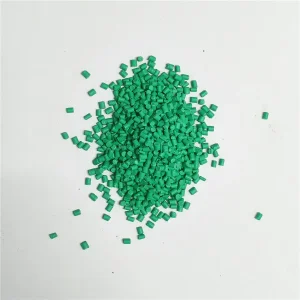
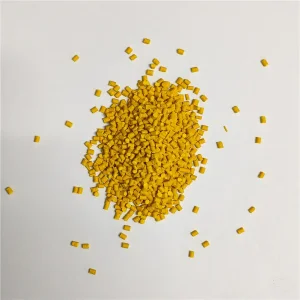
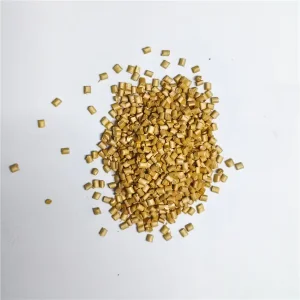
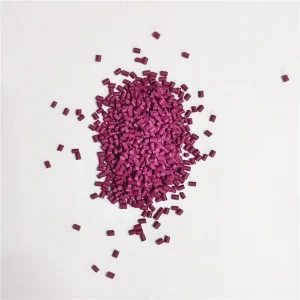
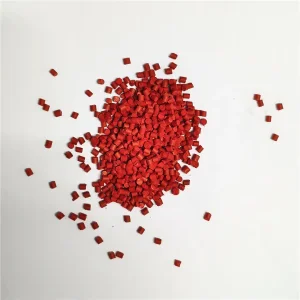
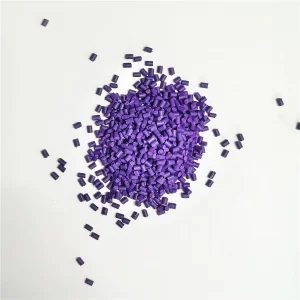
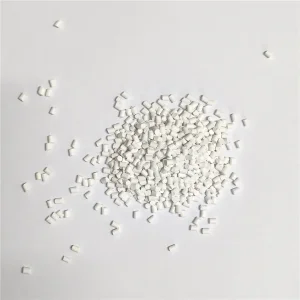
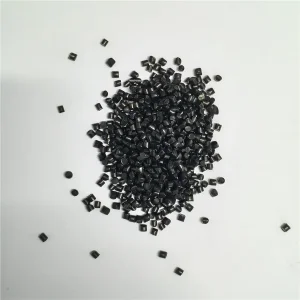
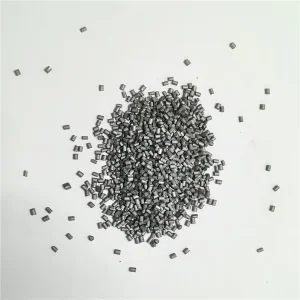
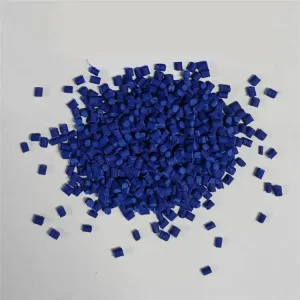
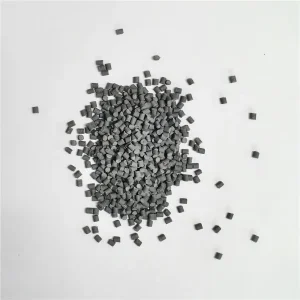
Explore our premium grade colorants engineered specifically for cosmetic blow molding, extrusion, and high-precision injection applications.
Polyethylene (PE), including High-Density Polyethylene (HDPE), Low-Density Polyethylene (LDPE), and Linear Low-Density Polyethylene (LLDPE), represents the backbone of global personal care and cosmetic container manufacturing. Valued for its chemical inertness, high impact strength, flexibility, and exceptional barrier properties against moisture, PE requires advanced color formulation technology to meet the stringent aesthetic and functional criteria of luxury beauty brands.
The transition from commodity plastic compounding to specialized cosmetic-grade masterbatch manufacturing demands rigorous control over pigment dispersion, rheological behavior, and chemical migration stability. Modern cosmetic bottles do not merely serve as containers; they act as primary brand touchpoints requiring precise spectrophotometric color matching (Delta E < 0.5), surface gloss optimization, and tactile elegance.
Achieving flawless opacity, vibrant hues, metallic sheens, or pearlized effects in thin-walled extrusion blow molded (EBM) cosmetic containers requires a deep understanding of polymer phase physics. Premier masterbatch manufacturers utilize virgin PE carrier resins with matched Melt Flow Index (MFI) to the base polymer, ensuring zero phase separation, elimination of pinholes, and prevention of flow lines.
Furthermore, cosmetic bottle formulations must withstand aggressive active ingredients, surfactant blends, essential oils, and alcohol bases without pigment leaching or color fading. High-performance PE cosmetic bottle masterbatches incorporate organic and inorganic pigments that comply fully with global cosmetic regulatory standards, such as US FDA 21 CFR, EU No 10/2011, and REACH regulations.
Key Takeaway for Procurement Directors: Sourcing cosmetic-grade PE masterbatch is not merely a purchasing transaction; it is a critical technical alignment. Incompatible carrier resins or substandard pigment grinding cause process instability, high scrap rates, and compromised brand equity.
Comprehensive performance parameters evaluated across extrusion blow molding, injection molding, and stretch blow molding processes.
| Performance Metric | Testing Standard / Method | Industry Benchmark | Jiazhou Technical Specification |
|---|---|---|---|
| Carrier Resin Compatibility | ASTM D1238 / ISO 1133 | Standard PE Carrier | Custom MFI Virgin LDPE/HDPE/LLDPE Matched Carrier |
| Pigment Dispersion Quality | ISO 18553 (Filter Pressure Value) | FPV < 2.5 bar/g | Ultra-fine FPV < 0.8 bar/g (Sub-micron particle size) |
| Thermal Stability | DIN EN 12877-2 | 220°C - 240°C | Extreme Stability: 260°C for up to 5 minutes dwell time |
| Light Fastness & Weathering | ISO 105-B02 (Blue Wool Scale) | Grade 5 - 6 | Grade 7 - 8 (High UV & Outdoor Exposure Defense) |
| Migration & Leaching Resistance | EN 1186 / EU 10/2011 Simulants | Standard Pass | Zero-Migration Class 5 (Alcohol & Surfactant Proof) |
| Heavy Metal & SVHC Compliance | RoHS 3.0 / REACH SVHC / FDA | Basic Compliance | 100% Heavy-Metal Free, Phthalate-Free, Halogen-Free |
| Recommended Dosage (Addition Rate) | Weight Ratio Percentage | 3.0% - 5.0% | High Concentration Economy: 1.0% - 2.5% max dosage |
Analyzing the strategic industrial infrastructure, technical innovation, and cost-efficiency of Chinese masterbatch manufacturing hubs like Changzhou Jiazhou Plastic Products Co., Ltd.
China accounts for a massive portion of global polyolefin resin production and pigment refining. Companies situated in prime industrial zones benefit from immediate access to premium titanium dioxide (TiO₂), high-purity carbon black, organic pigments, and raw PE resins. This proximity eliminates supply chain friction, shortens production lead times, and stabilizes material pricing against global market fluctuations.
Leading Chinese factories utilize state-of-the-art co-rotating twin-screw compounding extruders equipped with gravimetric dosing systems and underwater pelletizing units. Over 16 years of manufacturing refinement at Changzhou Jiazhou has enabled automated controls over melt temperature, shear stress, and residence time, guaranteeing batch-to-batch color consistency and eliminating agglomeration defects.
The cosmetic market thrives on seasonality, speed-to-market, and unique visual identity. Modern Chinese manufacturers offer agile color-matching labs equipped with computer spectrophotometers. Formulations for custom Pantone or RAL references can be engineered, pilot-tested, and dispatched as physical samples within 48 to 72 hours, drastically reducing brand launch cycles.
Addressing structural challenges in plastic bottle production: from carbon footprint reduction to zero-defect manufacturing.
As regulatory bodies enforce Post-Consumer Recycled (PCR) plastic quotas in packaging, masterbatch formulations must adapt. Standard colorants often fail when mixed with PCR PE due to inherent resin yellowing and particulate contaminants.
Jiazhou’s advanced eco-friendly masterbatch solutions incorporate specialized optical brighteners, odor-neutralizing agents, and compatibilizers that allow seamless integration into up to 100% PCR HDPE cosmetic bottle production without sacrificing color brilliance or bottle mechanical strength.
Modern automated extrusion blow molding (EBM) machines run at cycle times under 4 seconds. Inconsistent masterbatch melt behavior causes flow marks, wall thickness variation, structural weaknesses, and aesthetic streaks.
Our ultra-high dispersion PE masterbatch series features optimized rheological profiles that sync perfectly with high-speed extrusion machinery, eliminating die-buildup, reducing machine downtime, and lowering reject rates to below 0.1%.
Specific polymer requirement breakdowns for tubes, personal care bottles, jars, and functional caps.
Material: LDPE / LLDPE Co-extrusion
Requires high flexibility, anti-cracking resilience, and soft-touch tactile feel. Masterbatch must maintain uniform opacity and color distribution under repeated flexural stress without stress-bleaching.
Material: HDPE Blow Molding
Focuses on high chemical resistance against surfactants, strong drop impact strength, and bright visual appeal. Demands excellent opacity (high TiO₂ loading) for crisp white and pastel tones.
Material: Thick-Walled HDPE / PP
Requires premium surface finish, scratch resistance, and metallic or pearl visual effects. Masterbatch formulations feature anti-static additives to prevent dust accumulation on store shelves.
Material: Precision Injection Molded PE/PP
Demands zero dimensional shrinkage distortion to maintain tight thread tolerances and leak-proof sealing. Masterbatch must use non-warping organic pigments.
A step-by-step evaluation protocol for supply chain directors, procurement managers, and packaging engineers.
Prior to sample evaluation, confirm that the supplier provides comprehensive compliance documentation. Ensure the masterbatch is certified under FDA 21 CFR 177.1520, REACH SVHC declaration, RoHS 3.0 directive, and heavy metals testing (EN 71-3). For cosmetic packaging, organoleptic safety (neutral odor and taste transfer) is non-negotiable.
Request trial samples formulated specifically for your processing equipment (Blow Molding vs. Injection). Conduct a Melt Flow Index (MFI) verification test and measure the Filter Pressure Value (FPV). Run a pilot molding production of at least 5,000 units to evaluate color stability, die-swell consistency, and machine cleanability.
Evaluate manufacturer capacity, Minimum Order Quantities (MOQ), and packaging integrity. Cosmetic masterbatch should be packaged in heavy-duty moisture-proof aluminum foil or polyethylene bags (25kg/bag) on fumigated pallets to prevent moisture absorption and ambient dust contamination during ocean transit.
Addressing key technical, quality control, and international trade questions from global buyers.
For high-concentration cosmetic masterbatches, the standard addition rate typically ranges from 1.0% to 2.5% by weight, depending on bottle wall thickness and desired opacity. Highly concentrated white masterbatches (containing 60-70% TiO₂) or intense black masterbatches (containing 40-50% carbon black) achieve complete opacity even at 1.5% dosage, yielding substantial cost savings compared to lower-concentration alternatives requiring 4-5% addition rates.
Plastic cap warping is primarily caused by asymmetrical polymer crystallization triggered by certain organic pigments (such as Phthalocyanine Blue or Green). To prevent dimensional distortion in precision-threaded cosmetic closures, masterbatch manufacturers formulate with low-warping or non-nucleating colorants and incorporate controlled anti-static and slip additives to ensure dimensional stability and smooth screw-on operation.
Yes. High-quality cosmetic PE masterbatches manufactured by leading ISO-certified factories utilize only raw pigments and carrier resins listed under FDA 21 CFR 177.1520 and EU Regulation No 10/2011. Heavy metals are kept strictly below 100 ppm (CONEG / 94/62/EC), and formulations are free from primary aromatic amines, SVHCs (Substances of Very High Concern), and phthalates.
International clients can provide a standard Pantone / RAL color code or send a physical target plastic sample to our factory. Our R&D laboratory utilizes spectrophotometers to create a computer-assisted formulation, produces sample masterbatch pellets, and molds physical color plaques for client approval before executing full-scale commercial manufacturing.
When stored in its original sealed moisture-barrier packaging in a cool, dry, clean warehouse away from direct sunlight and heat sources, PE masterbatch has a shelf life of up to 24 months. Pre-drying prior to processing is generally not required unless the packaging has been damaged or exposed to high humidity for extended periods.
Direct ordering and specification lookup for international cosmetic bottle packaging lines.