Explore our top-performing PE carrier masterbatch solutions formulated specifically for high-speed blown film, cast film extrusion, and precision injection processes.
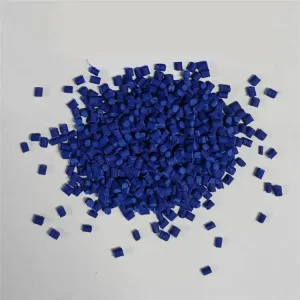
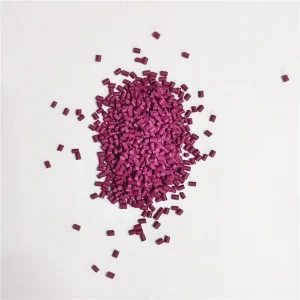
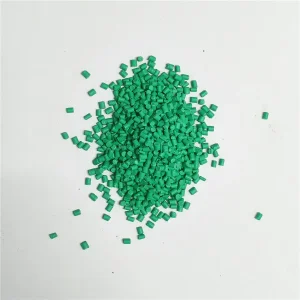
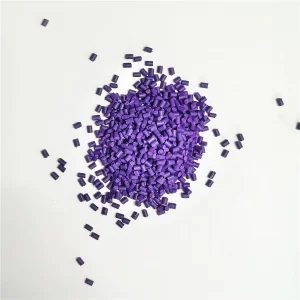
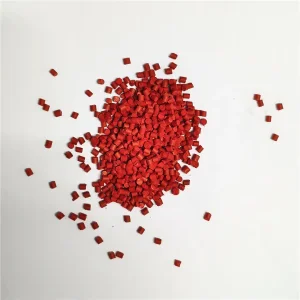
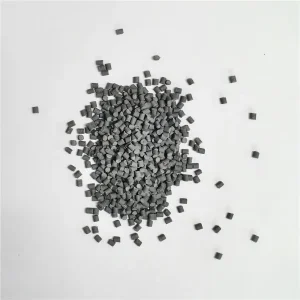
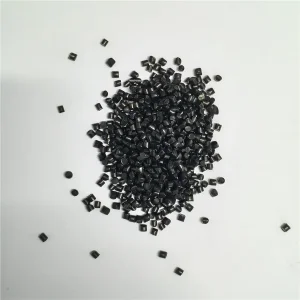
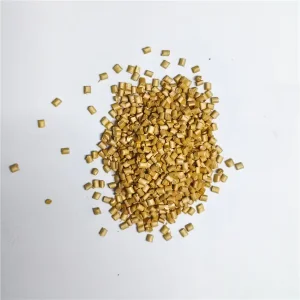
In modern commercial food preservation, the role of polyethylene (PE) food packaging film extends far beyond simple physical containment. It serves as an active chemical and environmental barrier designed to prevent oxidative degradation, moisture ingress, ultraviolet-induced nutrient breakdown, and microbial contamination. Achieving these strict performance parameters demands high-performance masterbatch formulations engineered by specialized manufacturers.
As a global leader in polymer colorant and additive technologies, Changzhou Jiazhou Plastic Products Co., Ltd. brings over 16 years of compounding expertise to the flexible packaging industry. By utilizing advanced twin-screw melt extrusion, prime-grade virgin low-density polyethylene (LDPE/LLDPE) carriers, and nano-dispersed active ingredients, our food packaging film masterbatches ensure precise organoleptic neutrality, zero toxicant migration, and unmatched processing stability on high-speed extrusion lines.
Modern enterprise buyers face systemic supply chain and manufacturing challenges when sourcing masterbatches for food-contact blown film production.
Substandard masterbatch suppliers often use lower-grade pigments containing traces of heavy metals, phthalates, or unreacted monomer residues. These can migrate into fatty or acidic food products, leading to regulatory recalls and severe brand damage.
Poorly dispersed pigments and mineral fillers cause frequent screen pack blinding, melt pressure surges, and film tears during thin-gauge blowing (under 15 microns), resulting in costly line downtime and high scrap rates.
Inconsistent pigment loading in low-tier masterbatches leads to visible shade shifts and optical density fluctuations across extrusion lots, compromising visual branding for consumer-packaged food items.
💡 Industry Reality Check: According to flexible packaging engineering audits, switching to a high-dispersion, high-concentration PE food-contact masterbatch reduces extrusion line breakages by up to 34% and improves overall equipment effectiveness (OEE) by 18%.
| Technical Parameter | Standard Industrial Masterbatch | Jiazhou Food-Contact Grade Masterbatch | Testing Standard / Protocol |
|---|---|---|---|
| Carrier Resin Match | Recycled or Off-spec PE | 100% Virgin LLDPE / LDPE (MFI matched) | ASTM D1238 |
| Pigment Dispersion Index | > 25 bar/g (Filter Pressure Value) | < 0.8 bar/g (Ultra-fine micro-dispersion) | EN 13900-5 |
| Heavy Metal Content | Traces up to 300 ppm | < 5 ppm (Heavy Metal Free) | EN 71-3 / RoHS Compliant |
| Thermal Stability | 200°C – 220°C | 260°C – 280°C (Non-degrading) | DIN EN 12877-2 |
| Migration & Extractables | Unverified / Potential Risk | Zero Toxic Migration (Passed overall migration) | EU 10/2011 & FDA 21 CFR 177.1520 |
| Organoleptic Odor Rating | Moderate Synthetic Odor | Grade 1 (Odorless / Neutral) | DIN 10955 |
How our tailored PE masterbatch technology resolves modern flexible packaging challenges across food processing sectors.
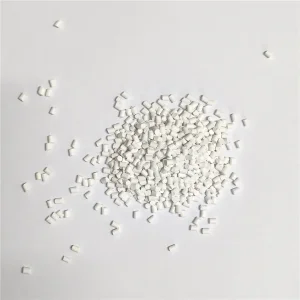
Dairy products and packaged meats degrade rapidly under visible light and ultraviolet radiation. Our specialized white PE masterbatches utilize premium rutile Titanium Dioxide (TiO₂) surface-treated with hydrophobic alumina/silica compounds. This guarantees complete UV blocking, exceptional opacity at low let-down ratios (LDR), and superior heat stability for pouch co-extrusion.
To prevent thin polyethylene films from sticking during automated form-fill-seal (FFS) packaging, our functional masterbatches integrate refined natural or synthetic silica anti-blocking agents with ultra-pure erucamide/oleamide slip additives. This achieves a balanced coefficient of friction (COF < 0.2) without compromising clarity or heat-seal strength.
Water condensation inside fresh vegetable, fruit, and meat packaging ruins product visibility and accelerates spoilage. Our cold anti-fog masterbatches incorporate migration-controlled non-ionic surfactants that reduce the water droplet contact angle. This creates a transparent liquid layer, retaining crystal-clear clarity throughout refrigerated shelf life.
With strict global directives mandating packaging circularity, our masterbatches are engineered specifically for mono-material Polyethylene (PE/PE) laminate structures. By matching rheology and thermal stability, our additives allow up to 30% Post-Consumer Recycled (PCR) PE integration while preserving film tensile strength and optical appeal.
Future-proofing flexible food packaging through advanced chemical formulation, nano-additives, and smart polymer functionality.
Integration of ultra-dispersed nano-clays and active oxygen scavengers into PE masterbatch carriers. This technology creates a tortuous path for gas molecules, reducing oxygen transmission rates (OTR) by up to 45% without needing EVOH mid-layers in medium-barrier pouches.
Development of 100% bio-allocated polyethylene masterbatch carriers derived from sugarcane ethanol (Bio-PE) and biodegradable PLA/PBAT compatible pigment concentrates. Designed for certified home-compostable barrier film applications.
Commercialization of intelligent masterbatches containing micro-encapsulated antimicrobial agents, ethylene absorbers, and time-temperature indicator pigments to extend perishable food shelf life and provide visual freshness verification.
Serving food packaging extruders, converter plants, and consumer goods OEMs across 100+ countries with robust supply chain reliability.
• North American Market: High demand for FDA-compliant white masterbatches with high TiO₂ concentrations (up to 70%) for dairy stand-up pouches, along with heavy-metal-free color concentrates.
• European Union Market: Focused on REACH SVHC compliance, non-PBT pigments, EU 10/2011 food migration safety, and compatibility with mechanically recycled PE streams.
• Asia-Pacific & Middle East: Strong focus on heat-resistant color masterbatches (260°C+) capable of maintaining color integrity in tropical climates and high-temperature film blowing processes.
Changzhou Jiazhou operates high-torque co-rotating twin-screw extrusion compounding lines equipped with loss-in-weight gravimetric feeders. This ensures precise let-down accuracy and uniform dispersion across every single batch.
Every production batch undergoes strict quality control—including melt flow indexing (MFI), lab blown film evaluation (bubble stability test), spectrophotometer color matching (Delta E < 0.5), and moisture analysis.
We ensure every kilogram of food packaging masterbatch conforms strictly to national and international food contact safety directives.
Formulated exclusively using oleic polymers, colorants, and additives explicitly listed under FDA Title 21 CFR for direct and indirect food contact packaging applications.
Complies with the Union List of authorized monomers and additives, adhering to Specific Migration Limits (SML) and Overall Migration Limits (OML) tested in food simulants.
Fully compliant with Chinese National Food Safety Standards for plastic materials and additives intended to come into contact with food products.
Guaranteed free from hazardous heavy metals (Pb, Cd, Hg, Cr VI). Complies with CONEG and EU Packaging Waste Directive (94/62/EC) limits (< 100 ppm total).
Extensive screening ensures zero inclusion of Substances of Very High Concern (SVHC), phthalate plasticizers, or hazardous flame retardants.
Manufactured under standardized, audit-ready quality management systems with full lot traceability from raw materials to final delivered pallet.
In-depth technical answers addressing common procurement, formulation, and application inquiries from polymer processors.
We primarily use prime virgin LLDPE (Linear Low-Density Polyethylene) or LDPE as carrier resins. Melt Flow Index (MFI) matching between the masterbatch carrier and the base resin is vital. If the carrier's MFI is significantly lower or higher than the base film polymer, poor mixing occurs. This leads to polymer gel formation, optical haze, flow lines, and localized pinholes in the blown film. Our technical team tailors the masterbatch carrier MFI (typically ranging from 4 to 20 g/10min) to match your exact extrusion processing conditions.
Organoleptic neutral behavior is maintained by strictly selecting high-purity organic/inorganic pigments, ultra-clean carrier resins, and low-volatility antioxidants. We avoid low-molecular-weight waxes or unrefined lubricants that emit volatile organic compounds (VOCs) during heat processing. Every batch intended for food contact undergoes gas chromatography-mass spectrometry (GC-MS) headspace analysis and standardized taste/smell sensory panel tests (DIN 10955) to ensure zero odor transfer to food matrices.
Depending on pigment concentration, target opacity, and film thickness, our standard recommended Let-Down Ratio (LDR) ranges from 1% to 4%. For high-concentration white masterbatches (containing 60%–70% TiO₂), an LDR of 2% to 3% is generally sufficient for excellent opacity in 25-micron films. For transparent or tint color masterbatches, an LDR as low as 0.5% to 1.5% is common. Lower required LDRs reduce overall material procurement costs for flexible packaging manufacturers.
Yes. Our heat-stabilized food-grade color masterbatches are engineered to withstand melt temperatures up to 260°C–280°C without color shifting, thermal decomposition, or degradation of the polymer matrix. They are fully suitable for packaging subjected to hot-filling, boil-in-bag applications, and steam retort sterilization protocols used in pouch packaging.
Primary Aromatic Amines can form via thermal degradation of certain azo pigments under high heat. To prevent this, we exclusively select high-performance condensation azo pigments, isoindolinone, or inorganic colorants that are chemically stable and certified PAA-free under EU Regulation 10/2011. Regular HPLC testing is conducted to verify that total PAA migration remains below the analytical detection limit (< 0.01 mg/kg).
Absolutely. Our masterbatches feature fine pigment dispersion, measured by a low Filter Pressure Value (FPV < 0.8 bar/g). This micro-dispersion prevents filter clogging, minimizes melt pressure variations, and ensures consistent layer distribution across 3-layer, 5-layer, and 7-layer co-extrusion dies at high line speeds (exceeding 200 m/min).
No. Our additive chemistry uses non-migratory and controlled-surface additives. They do not bloom to the film surface in ways that reduce surface energy or impair corona treatment stability. Films produced with our masterbatches consistently maintain dyne levels above 40 dynes/cm, ensuring strong ink adhesion for flexographic and rotogravure printing.
We offer rapid custom color matching services based on Pantone codes, RAL references, or physical plastic film samples. Equipped with computerized spectrophotometers and lab-scale blown film testing equipment, our R&D lab produces precise prototype masterbatch samples within 3 to 5 working days, complete with full food contact compliance certificates.
Browse our full range of color and functional PE masterbatches engineered for blown film, injection molding, and profile extrusion.
Request technical datasheets, regulatory compliance dossiers, or custom color matching for your film extrusion lines. Our engineering team is ready to support your business goals.
Contact Our Engineering Team