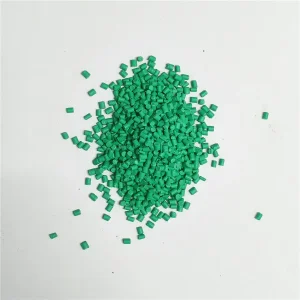
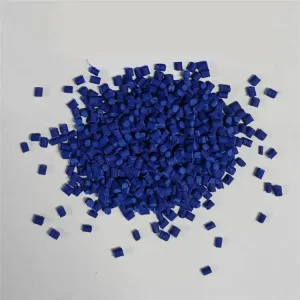
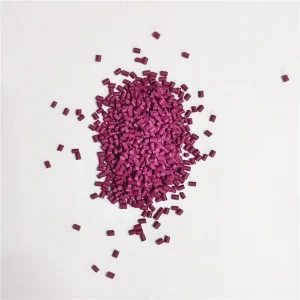
An authoritative technical whitepaper on masterbatch formulation, polyolefin coloration engineering, thermal dispersion dynamics, and strategic global supply chain sourcing from China.
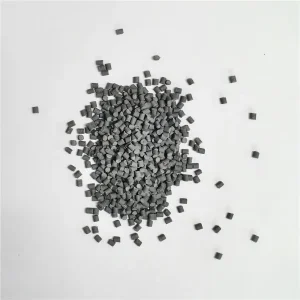
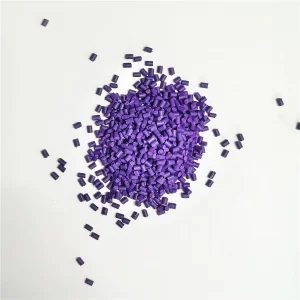
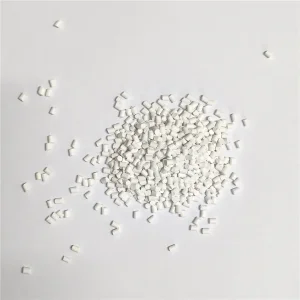
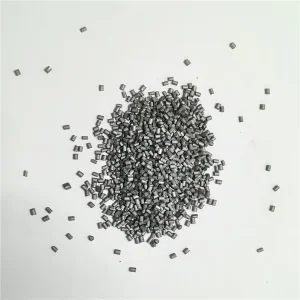
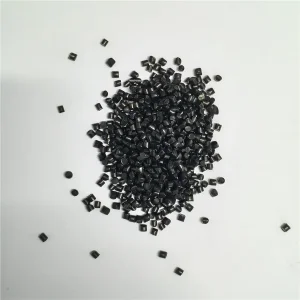
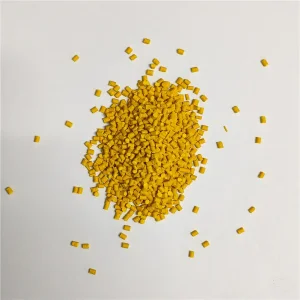
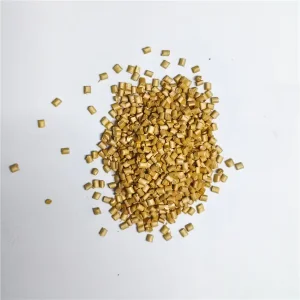
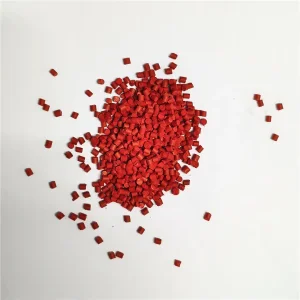
A comprehensive examination of Polyethylene (PE) pigment concentrate formulation chemistry, melt flow rheology, and industrial extrusion parameters.
Polyethylene pigment concentrates (commonly known as PE color masterbatches) serve as specialized solid additives used for coloring raw polymers during plastic conversion processes. The underlying technical success of a pigment concentrate relies on matching the carrier resin's Melt Flow Index (MFI) precisely to the destination virgin resin—be it Low-Density Polyethylene (LDPE), Linear Low-Density Polyethylene (LLDPE), or High-Density Polyethylene (HDPE). Optimal carrier selection ensures minimal thermal degradation during processing while maximizing interfacial adhesion between the organic/inorganic pigment particles and the polymer melt stream.
Achieving superior color strength and opacity without structural defects requires advanced pigment micronization. Modern high-concentration factories utilize co-rotating twin-screw extruders with high L/D ratios (length-to-diameter ratios of 40:1 or 48:1). Shear-intensive kneading elements break down agglomerates of Titanium Dioxide (TiO₂), Carbon Black, or Phthalocyanine complexes into primary particle sizes under 1.5 microns. Proper dispersion eliminates specks, streaks, and pinholes in thin blown films and prevents stress concentration points in injection-molded components.
Why Tier-1 Chinese manufacturers maintain an undisputed competitive edge in polyolefin pigment masterbatch production through technological scale and supply chain integration.
Leading Chinese pigment concentrate suppliers are strategically located within petrochemical clusters in Jiangsu, Zhejiang, and Shandong provinces. Direct pipeline access to ethylene polymerization units and local synthesis of organic pigments (such as azo reds, phthalocyanine blues, and carbon black feedstocks) drastically reduces raw material procurement costs and insulates global buyers from international freight volatility.
Modern Chinese compounding plants have transitioned from legacy batch mixers to fully automated continuous production lines. Utilizing loss-in-weight gravimetric feeders, multi-stage degassing side feeders, and underwater pelletizing systems, factories achieve high throughput while maintaining strict batch-to-batch color density tolerance (Delta E < 0.5 under CIELAB standards).
Export-oriented Chinese factories adhere to stringent international compliance frameworks including RoHS 2.0, REACH SVHC, FDA food contact regulations, and EN71-3 toy safety standards. Internal Quality Control (IQC & OQC) protocols standardly execute Filter Pressure Value (FPV) testing according to DIN EN ISO 13900-5 to guarantee filter mesh longevity for downstream converters.
Navigating the technological shift towards sustainable packaging, regulatory tightness, and smart manufacturing in polymer additives.
Traditional carbon black concentrates absorb Near-Infrared (NIR) radiation used in automated Material Recovery Facility (MRF) optical sorting systems, causing black plastics to end up in landfills. Next-generation PE pigment suppliers have engineered NIR-detectable black masterbatches utilizing specialized organic dyes and complex inorganic color pigments (CICPs). This innovation allows post-consumer PE packaging to be scanned, identified, and sorted efficiently into high-purity recycling streams.
Driven by global plastic pollution legislation (such as the EU Packaging and Packaging Waste Regulation - PPWR), leading factories are replacing virgin fossil-fuel PE carriers with Post-Consumer Recycled (PCR) HDPE/LLDPE or bio-based polyethylene derived from sugarcane ethanol. Developing low-VOC, odorless pigment concentrates with high thermal stability using recycled carriers represents the vanguard of eco-friendly plastic compounding.
Extrusion processors are increasingly demanding hyper-concentrated pigment formulations with Let-Down Ratios (LDR) reduced from traditional 4-5% down to 1-2%. Achieving 60-70% pigment loadings without agglomeration requires micro-wax dispersants, hyperdispersants, and specialized surface treatment of pigments. This trend dramatically lowers logistics freight costs per metric ton of converted plastic.
Global regulatory bodies are completely phasing out Lead Chromate, Cadmium, and Cobalt-based pigments due to severe environmental and health risks. Premium suppliers have pioneered high-performance organic replacement blends that maintain intense color brightness and UV resistance without compromising environmental compliance.
Engineered masterbatch formulations optimized for specific plastic processing methods and rigorous end-use environmental conditions.
Blown films present the most demanding test for pigment dispersion due to extremely thin gauge thicknesses (down to 10 microns). Premium white (TiO₂-loaded), black, and colored PE concentrates for agricultural mulch films, food packaging, shopping bags, and geomembranes incorporate specialized anti-oxidants and Light Stabilizer (HALS) additives to prevent bubble tear-offs and extend outdoor weatherability.
Injection molded products demand zero dimensional warping, uniform surface gloss, and excellent color fastness. PE pigment concentrates tailored for injection molding utilize narrow molecular weight distribution LDPE/HDPE carriers with superior melt flow, ensuring rapid mold filling cycle times without causing sink marks or internal stress cracking in housewares, automotive trims, and storage crates.
For HDPE pressure pipes, telecom conduits, and power cable jacketing, carbon black masterbatches with particle sizes between 15nm and 25nm provide critical protection against Photo-Oxidative Degradation (UV light). High chemical resistance and non-migration properties guarantee service lifespans exceeding 50 years for underground infrastructure.
| Application Type | Target Carrier Resin | Pigment Content (%) | Melt Flow Index (MFI) | Max Heat Resistance | Key Quality Metric |
|---|---|---|---|---|---|
| Ultra-Thin Blown Film | LLDPE / LDPE | 50% - 70% TiO₂ / Color | 15 - 25 g/10min | 260 °C | Filter Pressure Value (FPV) < 1.0 bar/g |
| Heavy-Duty Agricultural Mulch | LDPE / HDPE | 40% - 50% Carbon Black | 8 - 15 g/10min | 280 °C | UV Weatherability (Weather-Ometer > 3000h) |
| Injection Molded Crate/Container | HDPE / PP Co-polymer | 30% - 60% Color/Pigment | 20 - 40 g/10min | 280 °C - 300 °C | Zero Warpage & Dimensional Stability |
| Pipe & Profile Extrusion | HDPE (PE100 Grade) | 40% Carbon Black (P-type) | 2 - 8 g/10min | 260 °C | Carbon Dispersion Rating < Category 2 |
A structured evaluation methodology for procurement directors, polymer engineers, and global supply chain executives sourcing from China.
Require factories to verify color matching against Pantone, RAL, or custom physical plaque references using dual-beam Datacolor spectrophotometers under standard illuminants (D65, A, F11) to eliminate metamerism.
For blown film buyers, mandate DIN EN ISO 13900-5 FPV test certificates. An FPV score below 1.0 bar/gram guarantees clean melt filtration and prevents costly screen pack clogging during high-speed production.
Verify compliance via third-party testing labs (SGS, TUV, Intertek) for RoHS 2.0 (10 restricted substances), REACH SVHC candidate lists, and FDA 21 CFR 177.1520 for food-grade polyolefin applications.
Polymer concentrates must be packed in moisture-barrier aluminum laminate bags or heavy-duty PE valve bags with moisture content held under 0.1% to prevent surface splay during processing.
Procurement Pro-Tip: Always request a 1kg trial sample along with the factory's Technical Data Sheet (TDS) and Material Safety Data Sheet (MSDS). Conduct a let-down ratio test on your own extrusion or injection line to benchmark tinting strength against your incumbent supplier before placing full container orders (FCL).
Addressing the core technical inquiries raised by plastics engineers and procurement specialists when sourcing PE pigment concentrates.