High-Quality Plastic Pigment Concentrate Factories & Manufacturers

Engineering Superior Micro-Dispersion, Thermal Stability, and Custom Rheological Solutions for Global Plastics Processors

Top Industrial Masterbatch Formulations

High-concentration color and filler concentrates optimized for blown film, injection molding, and continuous extrusion lines.
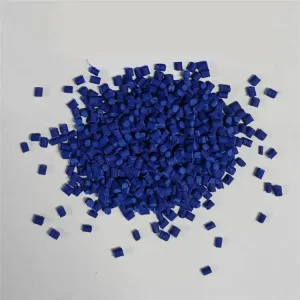
High-Quality High Concentration Blue Masterbatch PE Carrier
High-Quality High Concentration Blue Masterbatch PE Carrier for Plastic Injection Blowing Film Coloring
View Product Details
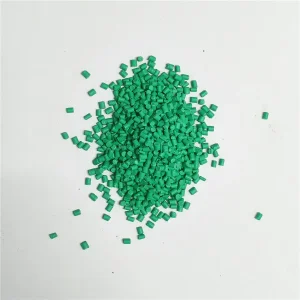
High Concentration PE Green Masterbatch
PE Green Masterbatch Anti-fading Heat Resistant for Injection Blown Film Extrusion
View Product Details
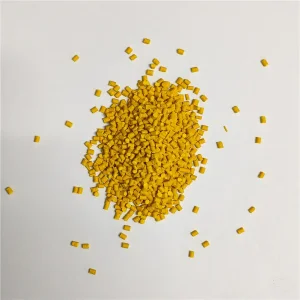
China High Concentration PE Yellow Masterbatch
China High Concentration PE Yellow Masterbatch Non-toxic Anti-migration
View Product Details
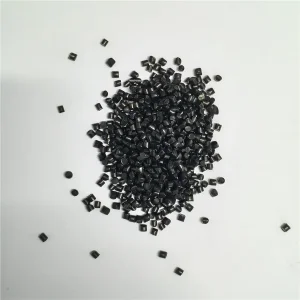
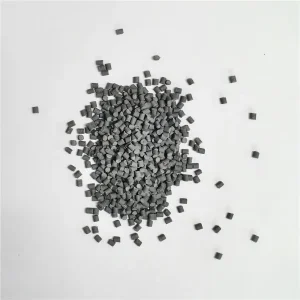
High Concentration PE Black Masterbatch
High Concentration PE Black Masterbatch Eco-friendly 260°C Heat Resistant
View Product Details
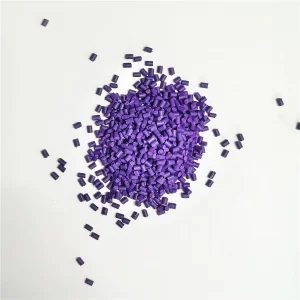
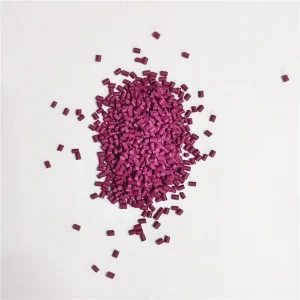
High Concentration PE Purple Masterbatch
PE Purple Masterbatch Anti-fading Stable Color for Blown Film Extrusion
View Product Details
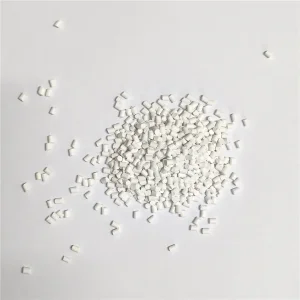
China High Concentration PE White Masterbatch
China High Concentration PE White Masterbatch Non-toxic Weather Resistant
View Product Details
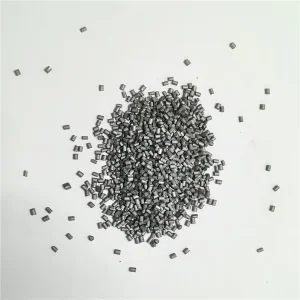
PE Silver Masterbatch
Custom High Concentration PE Silver Masterbatch Anti-fading High Weather Resistance
View Product Details
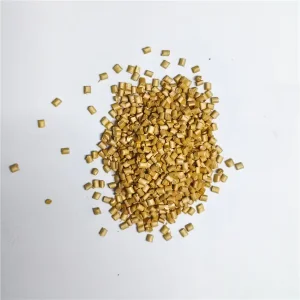
High Concentration PE Gold Masterbatch
PE Gold Masterbatch Anti-fading Heat Resistant for Injection Blown Film
View Product Details

Industry White Paper: Global Market Dynamics & Pigment Engineering

An in-depth analysis of polymer color concentrate manufacturing, market trends, and high-performance carrier science.

1. Executive Industry Overview & Macro Growth Trends

The global market for plastic pigment concentrates (commonly known in downstream manufacturing as color masterbatches and functional additive concentrates) is experiencing a structural evolution. Driven by strict international environmental regulations, elevated standards for food-contact compliance, and the relentless demand for high-speed automated processing, polymer converters no longer view colorants merely as decorative additives. Instead, plastic pigment concentrates are evaluated as precision-engineered chemical delivery systems that dictate product longevity, tensile stability, processing efficiency, and end-of-life recyclability.

According to recent polymer compounding industry reports, the global plastic color masterbatch market is projected to expand at a compound annual growth rate (CAGR) of 5.8% through 2032. Growth is disproportionately concentrated in high-performance carrier resins (such as linear low-density polyethylene [LLDPE], polypropylene [PP], and specialty engineering polymers) that support high pigment loadings while maintaining strict Melt Flow Index (MFI) alignment with target base resins.

Key Procurement Takeaway: Modern procurement directors are migrating away from traditional dry powder pigments and liquid colors toward fully encapsulated pelletized pigment concentrates. Encapsulated pellets eliminate workplace dusting, guarantee batch-to-batch color consistency (ΔE < 0.5), and minimize equipment cleaning downtime during melt phase color transitions.
5.8%
Global Market CAGR
< 0.5
Strict ΔE Color Tolerance
260°C+
Thermal Resistance Rating
100+
Export Destination Markets

2. Technical Chemistry: Micro-Pigment Dispersion & Rheological Engineering

The performance of a plastic pigment concentrate depends fundamentally on the physical chemistry of pigment particle dispersion within the primary polymer matrix. Raw organic pigments (such as Phthalocyanine Blue 15:3, Quinacridone Magenta, or Isoindoline Yellow) and inorganic pigments (such as Rutile Titanium Dioxide TiO₂ and Carbon Black Pigment Black 7) inherently aggregate into coarse clusters ranging from 10 to 100 microns. If processed without adequate shear force and surface-active wetting agents, these aggregates cause severe processing defects, including pin-hole tears in blown films, surface streaking in injection-molded parts, and premature filter mesh clogging in extrusion melt pumps.

To overcome aggregate bonding, premium factories utilize state-of-the-art co-rotating twin-screw extrusion systems equipped with high-shear kneaders and specialized screw profile designs. The extrusion process follows three distinct physical phases:

Phase 1: Pigment Wetting

Dispersing agents with low surface tension coat individual primary pigment particles, displacing adsorbed air and moisture at elevated compound melt temperatures.

Phase 2: Shear Breakdown

Intense mechanical shear inside co-rotating twin screws fractures agglomerates, breaking particles down to sub-micron dimensions (0.1 μm – 0.5 μm) for maximum tinting strength.

Phase 3: Steric Stabilization

Polymeric carrier resins encapsulate individual particles, preventing re-agglomeration during downstream cooling, storage, and customer re-melting.

Global Procurement Demands & Macro Industry Solutions

Solving complex processing challenges for multi-national plastic transformation enterprises.

Strategic Sourcing Imperatives for Enterprise Buyers

International procurement managers overseeing large-scale molding and film extrusion operations evaluate pigment concentrate vendors based on rigorous Total Cost of Ownership (TCO) matrices rather than unit price per kilogram alone. Critical evaluation parameters include:

  • Let-Down Ratio (LDR) Efficiency: Formulations engineered with high pigment loadings (e.g., 50-70% Rutile TiO₂ in White Masterbatch or 40-50% Carbon Black) allow processors to operate at LDRs as low as 1% to 3%, directly reducing freight costs and inventory holding requirements.
  • Rheological Compatibility: Mismatches between masterbatch carrier resins and base polymers induce melt fracture and phase separation. Leading factories formulate specialized carriers matched to high-density polyethylene (HDPE), polypropylene (PP), polystyrene (PS), or ABS.
  • Thermal Stability (DIN EN 12877): Concentrates must withstand melt temperatures reaching 260°C to 300°C without color shift, thermal degradation, or volatile gas generation.

Macro Sector-Specific Industrial Solutions

Pigment concentrates are tailored to meet unique performance parameters across diverse downstream sectors:

  • Agricultural & Construction Films: Pigment concentrates incorporate UV stabilizers (HALS) and anti-oxidants to ensure multi-year weatherability under severe UV exposure without color fading or polymer embrittlement.
  • Food Packaging & Hygiene Products: Formulations adhere strictly to FDA 21 CFR, EU 10/2011, and heavy-metal-free standards, utilizing non-toxic, non-migratory organic pigments.
  • Industrial Pipe & Geomembrane Extrusion: High-purity Carbon Black masterbatches provide superior carbon dispersion ratings (< Category 2), guaranteeing long-term resistance to environmental stress cracking (ESCR).

Manufacturing Authority: Changzhou Jiazhou Plastic Products Co., Ltd.

Sixteen years of relentless innovation, rigid quality assurance, and global export capability.

Founded in 2010, Changzhou Jiazhou Plastic Products Co., Ltd. has established itself as an authoritative manufacturer and global exporter of high-concentration PE color masterbatches, filler masterbatches, and additive concentrates. Situated in Changzhou, Jiangsu Province—at the core of China's advanced polymer processing cluster—the company operates a state-of-the-art 6,000 square meter production facility equipped with high-precision twin-screw extrusion lines, automated color-matching spectrophotometers, and comprehensive quality control laboratories.

Enterprise Infrastructure & Operational Scale

With an experienced workforce of over 50 polymer specialists, chemical engineers, and export service experts, Changzhou Jiazhou maintains a robust monthly production capacity that guarantees rapid fulfillment and dependable lead times. The enterprise operates under strict ISO 9001 quality management guidelines, enforcing multi-stage quality control from raw material inspection (pigment purity, carrier MFI, moisture content) to finished pellet colorimetry and filter pressure testing.

To date, Jiazhou's high-performance plastic pigment concentrates are deployed across more than 100 countries and regions worldwide, serving tier-one manufacturers in plastic pipe manufacturing, daily injection-molded consumer products, agricultural packaging films, and technical extrusion profiles.

Enterprise Technical Highlights

  • Established: 2010 (16+ Years Industry Experience)
  • Facility Footprint: 6,000 m² Modern Compounding Plant
  • Core Product Lines: PE Color Masterbatch, CaCO₃ Filler Masterbatch, Black/White Masterbatch
  • Lead Time Efficiency: Standard 15-Day Global Export Lead Time
  • Export Reach: 100+ Destination Countries Across 5 Continents
  • Customization Capability: Precise Spectrophotometer & Pantone Color Matching
Information Gain & Technical Advantage: Unlike standard compounding facilities that utilize non-differentiated low-cost carriers, Changzhou Jiazhou formulates specific polymer carrier resins tailored precisely to the melt index and processing temperature of the client's end product. This eliminates delamination, enhances surface gloss, and prevents color migration even under harsh environmental exposure.

Localized Support, International Compliance & Regulatory Assurance

Navigating global chemical safety standards and ensuring seamless international logistics.

Environmental & Safety Compliance

Compliance with global environmental mandates is mandatory for modern plastics manufacturing. Plastic pigment concentrates produced by Changzhou Jiazhou comply strictly with International Standards:

  • EU RoHS & REACH Directive: Complete absence of restricted heavy metals (Lead, Cadmium, Hexavalent Chromium, Mercury) and hazardous phthalate plasticizers.
  • Food Contact Safety: Specific product grades formulated to pass European Union Regulation (EU) No 10/2011 and US FDA requirements for direct food contact packaging.
  • Halogen-Free Formulations: Specialty lines designed for electronics housing and cable jacketing where low smoke and zero halogen (LSZH) properties are required.

Quality Control & Lab Testing Standards

Every single batch of masterbatch undergoes rigorous quality verification prior to container loading:

  • Spectrophotometric ΔE Testing: CIELAB color space evaluation ensuring color deviation ΔE is maintained strictly below 0.5 against approved master standards.
  • Melt Flow Index (MFI) Testing: Verification of melt viscosity under standardized ASTM D1238 / ISO 1133 conditions to ensure seamless processing on high-speed equipment.
  • Moisture Analysis: Karl Fischer titration ensuring moisture levels remain below 0.05% to prevent micro-foaming and splay marks in downstream molding.

Global Supply Chain & Logistics Reliability

Serving global accounts requires sophisticated supply chain orchestration. Changzhou Jiazhou provides comprehensive export support:

  • Moisture-Proof Packaging: Standard supply in 25kg heavy-duty polyethylene bags or 1,000kg UV-stabilized bulk jumbo bags with aluminum foil moisture barriers.
  • Fast Dispatch: Guaranteed 15-day factory dispatch for standard stock formulations; streamlined custom color matching sample dispatch within 3-5 business days.
  • Global Logistics Coverage: Direct access to Shanghai and Ningbo deep-water ports, enabling ocean freight efficiency and complete export documentation handling (COA, MSDS, Form E, COO).

Technology Roadmap & Future Outlook (2025–2030)

Pioneering next-generation masterbatch solutions for circular polymer economies and smart manufacturing.

As the plastics industry undergoes a massive transition toward sustainability and circularity, pigment concentrate formulations are evolving to meet new technical challenges. The R&D team at Changzhou Jiazhou is actively pursuing several key technological developments outlined in our 2025–2030 Technology Roadmap:

2025

NIR-Detectable Black Pigments

Development of Near-Infrared (NIR) reflective black concentrates that enable automated optical sorting units at recycling facilities to detect and sort post-consumer black plastics into correct polymer streams.

2026

Bio-Based Carrier Matrices

Expansion of bio-degradable pigment concentrates using PLA, PHA, and bio-PE carriers that maintain 100% industrial compostability standards (EN 13432) without compromising color brilliance.

2028

PCR/PIR Compatibilized Concentrates

Advanced functional masterbatches engineered specifically to compensate for viscosity variations, odors, and thermal degradation inherent in Post-Consumer Recycled (PCR) resin streams.

2030

Smart Functional Masterbatches

Integration of nano-scale thermal barrier additives, anti-microbial silver-ion matrices, and irreversible thermochromic indicators for high-value industrial and medical applications.

Frequently Asked Questions (Industrial FAQ & Troubleshooting)

Authoritative answers to technical procurement and engineering queries regarding plastic pigment concentrates.

Q1: How do I select the correct pigment concentrate carrier resin for my base polymer?
As a rule of thumb, the carrier resin of the pigment concentrate should be chemically identical to or fully compatible with the primary polymer being processed. For instance, PE-based masterbatches (utilizing LLDPE or LDPE carriers) exhibit excellent compatibility with Polyethylene (HDPE, LDPE, LLDPE) and moderate compatibility with Polypropylene (PP). However, processing engineering polymers like ABS, PC, or PET requires specialized compatible carrier matrices to prevent phase separation, loss of impact strength, or surface delamination.
Q2: What causes color streaking in injection-molded components and how is it resolved?
Color streaking typically stems from three root causes: (1) Insufficient dispersion of pigment aggregates within the masterbatch pellet, (2) A significant Melt Flow Index (MFI) mismatch between the masterbatch pellet and the base resin, or (3) Inadequate back-pressure and screw mixing on the injection molding machine. To resolve streaking, select a masterbatch with a higher MFI carrier, increase injection back-pressure slightly, or utilize a masterbatch formulated with advanced dispersants.
Q3: What is the optimal Let-Down Ratio (LDR) for high-concentration masterbatches?
The optimal Let-Down Ratio (LDR) depends on pigment concentration and wall thickness of the final product. For high-concentration color masterbatches (e.g., 40-70% pigment loading), standard LDRs range from 1% to 4% by weight. For thick-walled injection molding, 1% to 2% is typically sufficient, whereas ultra-thin blown films (10-20 microns) may require 3% to 4% LDR to guarantee complete opacity and color uniformity.
Q4: How does pigment selection impact outdoor weatherability and lightfastness?
Lightfastness is rated on the Blue Wool Scale from 1 (poor) to 8 (outstanding), while weatherability is evaluated via Xenon Arc accelerated weathering (ISO 4892-2). Inorganic pigments (such as iron oxides and rutile TiO₂) offer maximum weatherability (Rating 7-8) and thermal resistance, whereas organic pigments offer vibrant chromatic colors but require the inclusion of Hindered Amine Light Stabilizers (HALS) and UV absorbers to prevent photo-oxidative degradation during long-term outdoor exposure.
Q5: Can CaCO₃ Filler Masterbatch be combined with Color Masterbatch in blown film production?
Yes, combining Calcium Carbonate (CaCO₃) filler masterbatch (typically 10-30% LDR) with color masterbatch (1-2% LDR) is a standard cost-reduction practice in blown film processing. CaCO₃ acts as an internal cooling agent, increasing bubble stability, line throughput, and tensile modulus. However, processors must ensure that the filler particle size is sub-micron (nano-treated CaCO₃) to avoid dampening color brilliance or causing surface haze.

Explore Complete Masterbatch Product Catalog

Select specialized color concentrates formulated for high thermal endurance and non-migration properties.

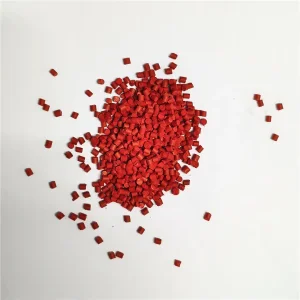
PE Red Masterbatch Bright Color
PE Red Masterbatch Bright Color 260°C Heat Resistant for Blown Film Injection
View Product Details
PE Rose Red Masterbatch
PE Rose Red Masterbatch Anti-fading Heat Resistant for Plastic Coloring
View Product Details
China PE Grey Masterbatch
China High Concentration PE Grey Masterbatch Non-migration Heat Resistant
View Product Details
Blue Masterbatch PE Carrier
High Concentration Blue Masterbatch PE Carrier for Injection & Blown Film
View Product Details
PE Black Masterbatch
Eco-friendly PE Black Masterbatch 260°C Heat Resistant Concentrates
View Product Details
PE White Masterbatch
High Concentration PE White Masterbatch Non-toxic Weather Resistant
View Product Details
PE Green Masterbatch
PE Green Masterbatch Anti-fading Heat Resistant Concentrates
View Product Details
PE Yellow Masterbatch
High Concentration PE Yellow Masterbatch Non-toxic Anti-migration
View Product Details

Versatile Processing & Application Domains

Engineered for seamless integration across all primary polymer transformation machinery.

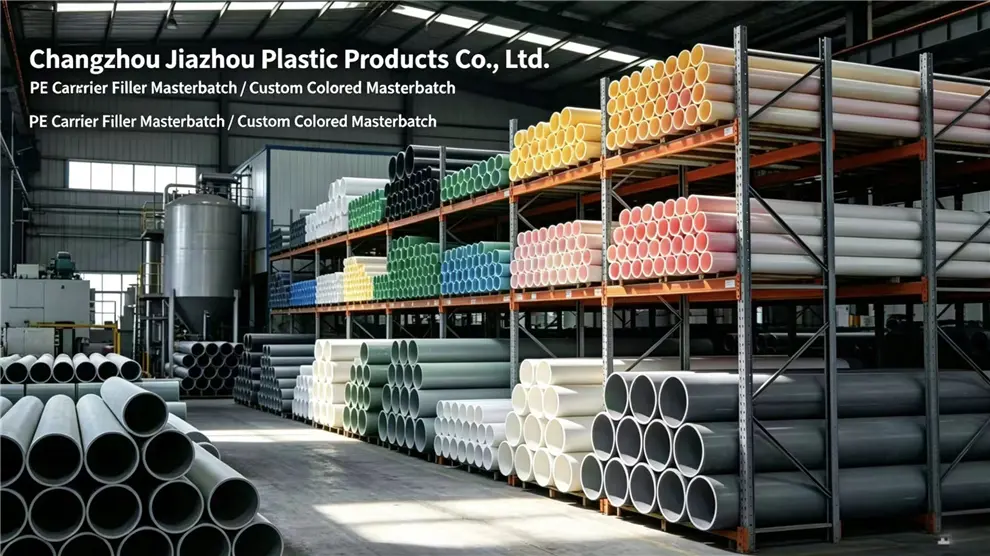
Plastic Pipe & Profile Extrusion

Plastic Pipe & Profile Extrusion

High-dispersion Carbon Black and PE color concentrates engineered for HDPE pressure pipes, corrugated conduit, and industrial profiles requiring superior UV protection.

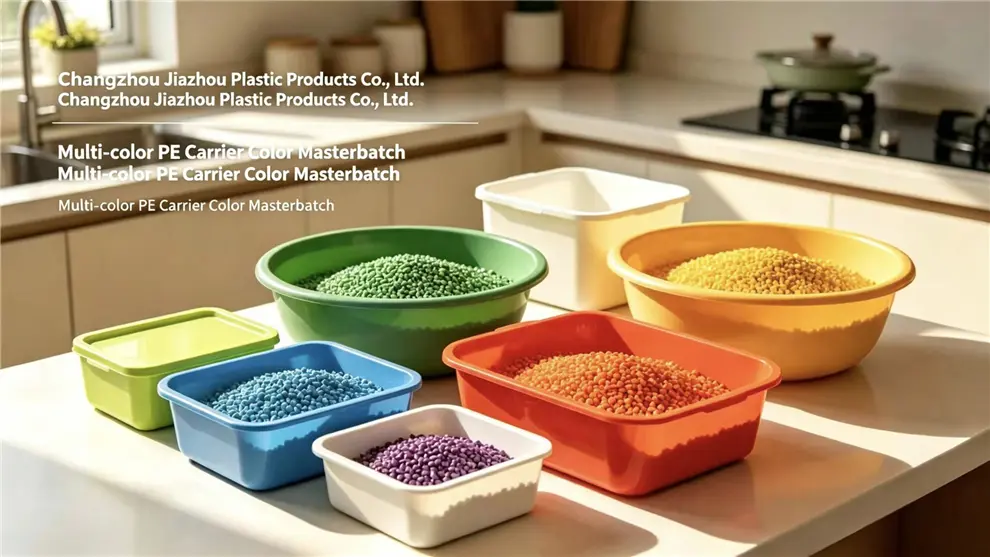
Daily Plastic Injection Molding

Daily Injection Molding

Vibrant color masterbatches providing high gloss, uniform wall coloration, and fast cycle times for household products, crates, automotive interiors, and toys.

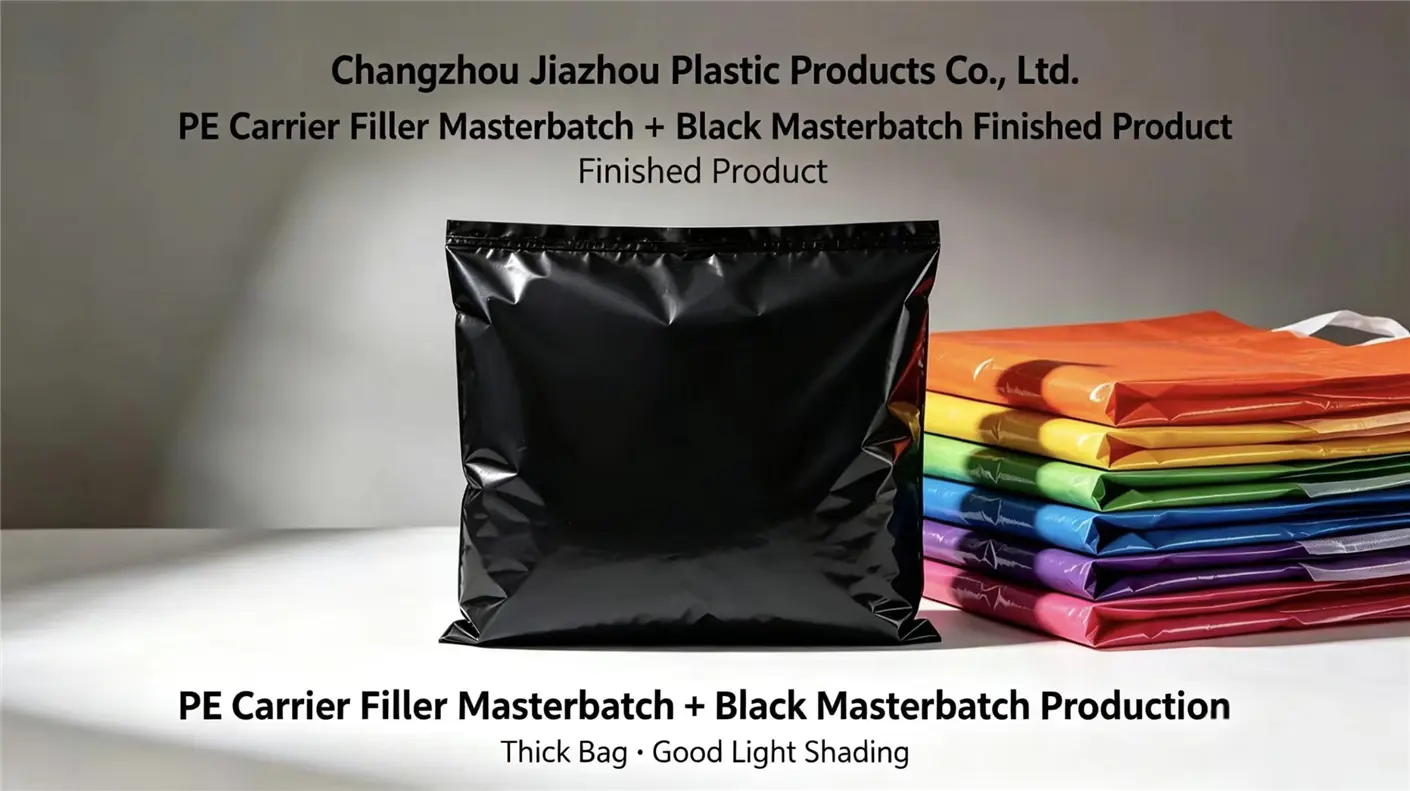
Plastic Film & Courier Bag Production

Plastic Film & Packaging

Micro-dispersed white, black, and custom color formulations tailored for ultra-thin LLDPE blown film, agricultural mulch, stretch film, and heavy-duty shipping sacks.

Request Technical Datasheets & Custom Color Samples

Connect directly with the engineering export division at Changzhou Jiazhou Plastic Products Co., Ltd. for Pantone color matching, let-down ratio optimizations, and global freight quotations.

16 Years of Manufacturing Excellence

ISO-Certified Manufacturer | 6,000m² Plant | 100+ Global Export Destinations

Request Product Catalog & Free Samples