Engineered for extreme thermal stability, non-migration color fastness, and precise dispersion across film blowing and injection molding lines.
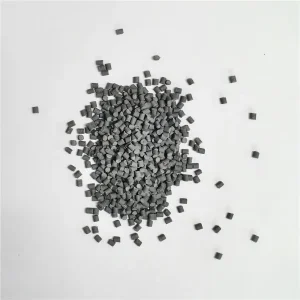
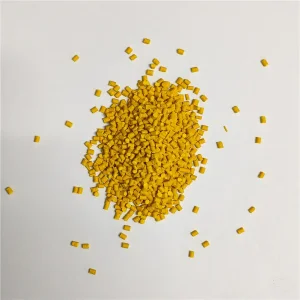
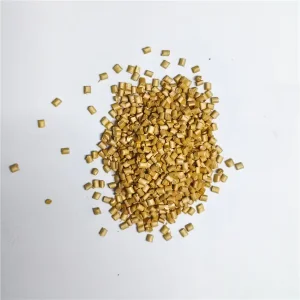
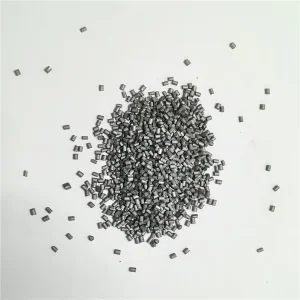
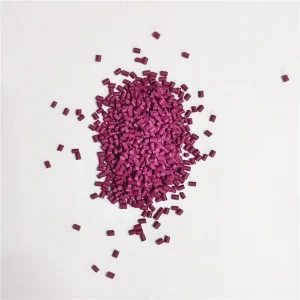
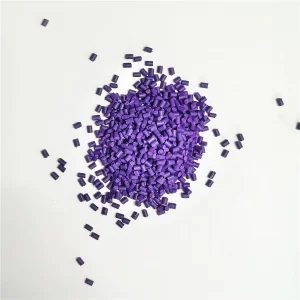
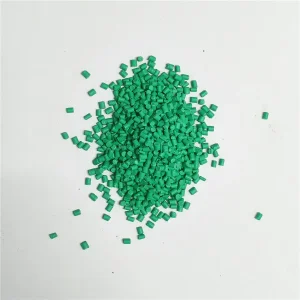
In modern thermoplastic processing, achieving absolute color fidelity, mechanical integrity, and cost efficiency requires more than basic pigment blending. Resin Masterbatch Manufacturers operate at the intersection of polymer physics, chemical dispersion, and rheological engineering. As global manufacturing standards shift toward tighter color tolerances (ΔE < 0.5) and high-speed extrusion lines, selecting the right masterbatch supplier directly dictates production yield and final product performance.
Founded in 2010 in Changzhou's advanced manufacturing cluster, Changzhou Jiazhou Plastic Products Co., Ltd. has established a 16-year engineering benchmark in formulating high-concentration Polyethylene (PE) and Polypropylene (PP) masterbatches. Combining twin-screw co-rotating extrusion technology with strict raw pigment purity audits, Jiazhou delivers tailormade color, filler, and additive masterbatches to over 100 countries across Europe, North America, Southeast Asia, and the Middle East.
Data-driven performance metrics underlining Changzhou Jiazhou's operational efficiency and production volume.
The scientific foundations behind pigment loading, shear dispersion, and thermal resistance in masterbatch manufacturing.
Masterbatch manufacturing relies on encapsulated pigment physics. Raw pigments (whether organic phthalocyanines, inorganic iron oxides, or synthetic carbon blacks) possess high surface energy and natural agglomeration tendencies. Without proper surface treatment and compatibilizers, adding raw pigments directly into a plastic processing extruder leads to uneven streak formation, screw wear, and reduced physical strength in the final product.
Jiazhou utilizes a customized multi-stage twin-screw co-rotating extrusion technical route. The virgin carrier polymer (LDPE, LLDPE, HDPE, or PP) is molten under precise temperature profiles while specialized wetting agents (such as low-molecular-weight polyethylene waxes and coupling agents) lower the surface tension between the pigment particles and the polymer melt. This guarantees uniform dispersion down to sub-micron dimensions.
| Masterbatch Grade | Carrier Resin Base | Active Concentrate Loading | Processing Temp Range | Primary Industrial Application | Key Performance Standard |
|---|---|---|---|---|---|
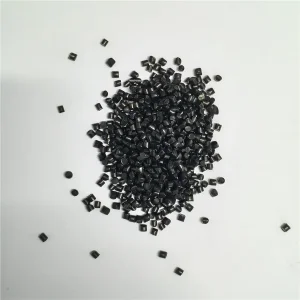
| High-Concentration PE Black | LLDPE / HDPE | 40% - 50% Carbon Black | 160°C - 260°C | Mulch film, agricultural pipes, geomembranes | High UV opacity, <1% MFI alteration |
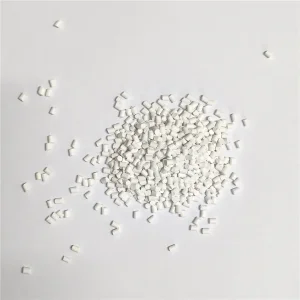
| PE White Super-Opacity | Rutile TiO2 / LDPE | 60% - 75% Titanium Dioxide | 150°C - 280°C | Food flexible barrier packaging, lamination film | Non-yellowing, high whiteness index (>95) |
| CaCO3 Filler Masterbatch | Homo PP / LLDPE | 70% - 80% Ultrafine CaCO3 | 140°C - 240°C | Woven bags, injection crates, sheet extrusion | Flexural modulus boost, shrinkage reduction |
| Specialty Metallic Color | Pure Virgin PE | 15% - 25% Coated Aluminum/Mica | 170°C - 250°C | Cosmetics packaging, automotive interiors | Anti-swirl dispersion, high gloss shine |
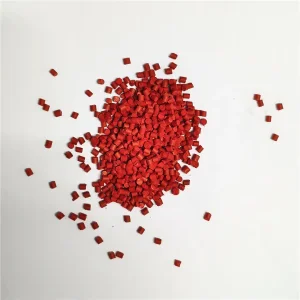
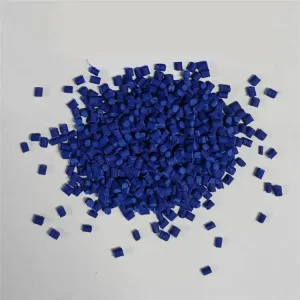
| Non-Migration Color Series | Linear Low PE | 20% - 35% Organic Pigment | 180°C - 260°C | Toys, medical device housings, caps | EN 71-3 compliant, heavy-metal free |
Tailor-engineered masterbatch formulations solving targeted manufacturing challenges across diverse global industries.
In agricultural regions across South America and the Middle East, blown mulch films require extreme UV resistance and non-fading black opacity to withstand intense solar radiation. Jiazhou's high-concentration PE Black Masterbatch utilizes fine particle carbon black combined with HALS (Hindered Amine Light Stabilizers), extending agricultural film lifespans from 6 to 36 months without film brittleness or pinhole tears.
Modern high-speed blown film lines operating above 200 m/min demand filler and color masterbatches with zero moisture content and flawless dispersion. Jiazhou's White and Grey Masterbatch series incorporate hydrophobic surface treatments on Rutile TiO2 and pigments, eliminating die-build-up and preventing bubble instability during multi-layer co-extrusion.
HDPE water supply pipes and municipal conduits require consistent carbon black dispersion (Grade 1 rating according to ISO 18553) to prevent stress cracking under hydrostatic pressure. Jiazhou masterbatches deliver homogeneous incorporation into thick-walled extrusions, ensuring 50-year design life compliance for municipal underground networks.
Pioneering sustainable, smart, and functional masterbatch technologies aligned with global circular economy goals.
Developing specialized non-carbon black formulations that allow automatic optical sorting machines in MRF recycling facilities to detect and sort black rigid plastics.
Formulating masterbatches using 100% compostable carriers (PLA, PBAT, PHA) for organic waste bags and eco-friendly food service packaging.
Engineered functional masterbatches containing reactive chain extenders to restore melt strength and mechanical properties of Post-Consumer Recycled resins.
Integrating smart micro-encapsulated antimicrobial, anti-fogging, and ethylene-scavenging compounds for extended food shelf-life packaging.
How localized supply chains, raw material integration, and port logistics give international buyers an unassailable strategic edge.
Changzhou, situated in China's Yangtze River Delta plastic manufacturing core, offers immediate access to major petrochemical producers (Sinopec, PetroChina) and specialized pigment synthesis plants. This physical proximity drastically reduces raw material procurement lead times and inland freight expenses. By locking in bulk resin feedstocks, Jiazhou absorbs market price volatility, passing substantial cost savings directly to overseas factory buyers.
Unlike Western suppliers requiring 6 to 10 weeks of lead time for custom color matching and batch production, Jiazhou operates a streamlined lean manufacturing workflow. Equipped with high-speed automated feeding systems and dedicated twin-screw extrusion lines, standard production lead time is compressed to just 15 calendar days. Proximity to Shanghai and Ningbo deep-sea ports guarantees flexible vessel scheduling and rapid maritime dispatch.
Ensuring seamless market entry into regulated international markets through stringent testing protocols.
All raw pigments, organic dyes, and carrier resins used in Jiazhou masterbatches undergo rigorous XRF spectroscopic screening. Products are certified free of Heavy Metals (Pb, Cd, Hg, Cr VI), PBBs, PBDEs, and SVHCs (Substances of Very High Concern), fully satisfying EU Directive 2011/65/EU and Regulation (EC) No 1907/2006.
For masterbatches targeted at food container injection molding and stretch blow molded bottles, Jiazhou formulates using FDA-approved non-migrating organic pigments and virgin food-grade PE carriers. Formulations pass overall migration limit (OML) and specific migration limit (SML) testing for aqueous, acidic, and fatty food simulation.
Quality control is enforced via Datacolor spectrophotometers under D65, A, and F11 light sources. Every production batch is cast into test plaques and blown into sample film strips to verify color delta (ΔE < 0.5), melt flow index, filter pressure value (FPV), and moisture content (<0.15%) prior to final release.
Expert solutions to common masterbatch processing, dosage, compatibility, and procurement queries.
For high-concentration PE color masterbatches, standard let-down ratios range between 1% and 4% by weight, depending on the wall thickness of the film and desired opacity. For thin packaging films (<25 microns), a 2% to 3% dosage provides complete hiding power without compromising film sealability or tensile strength.
The carrier resin in the masterbatch must have equal or higher Melt Flow Index (MFI) than the host resin matrix. If an incompatible carrier resin is used (e.g., using a high-density HDPE carrier inside a soft LLDPE film matrix), phase separation occurs, resulting in surface roughness, melt fracture, reduced impact resistance, and visual speckles.
Pigment migration occurs when organic pigments dissolve slightly into the warm plastic matrix and crystallize on the surface, transferring onto adjacent materials. Prevention requires selecting high-molecular-weight, solvent-insoluble pigments (such as condensation azo or quinacridone structures) and employing precise surface treatment coupling agents during twin-screw compound extrusion.
Color masterbatch is formulated primarily to impart vibrant hue and opacity using concentrated pigments. Filler masterbatch incorporates ultrafine calcium carbonate (CaCO3) or talc (70-80% loading) into a polyolefin carrier to reduce raw material cost, increase polymer stiffness, reduce cooling time during injection molding, and improve thermal conductivity.
Masterbatches should be stored in their original sealed moisture-barrier bags in a dry, cool warehouse away from direct sunlight and heat sources (temperature <35°C). Hygroscope-sensitive functional grades should be pre-dried in a hopper dryer at 80°C for 2 hours prior to extrusion if exposed to high ambient humidity.
Explore our full line of non-toxic, heat-resistant color masterbatches formulated for global manufacturing requirements.