Premium colorants and filler compounds engineered with high-loading pigments and optimal melt flow indexing for global B2B buyers.
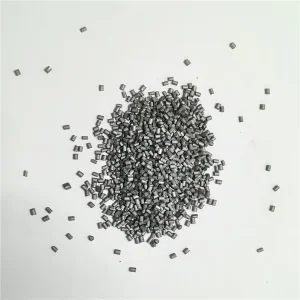
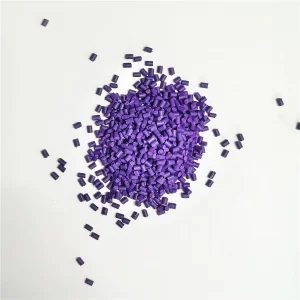
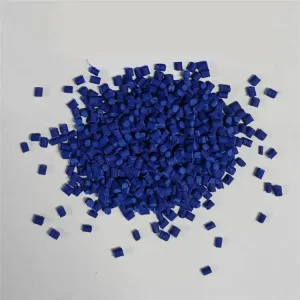
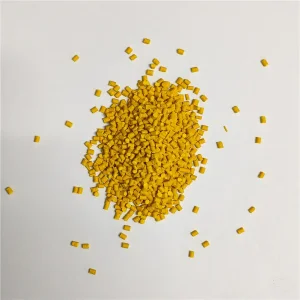
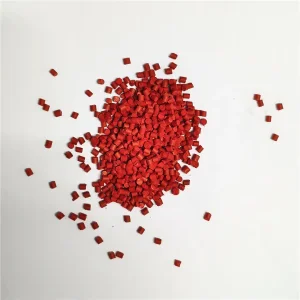
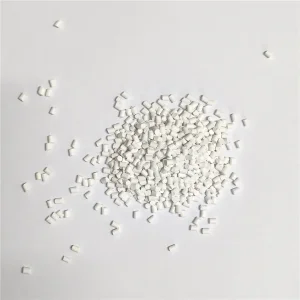
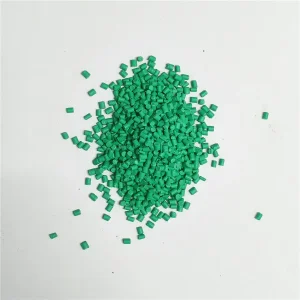
Understanding pigment dispersion, carrier polymer compatibility, and chemical composition in modern thermoplastics compounding.
In the modern thermoplastics processing sector, Sky Blue Polyethylene (PE) Masterbatch represents a highly specialized segment of color concentrates designed to impart precise, bright, and vibrant sky-blue hue profiles into virgin, recycled, or filled polyolefin matrices. Unlike generic blue masterbatches that utilize standard Phthalocyanine Blue (Pigment Blue 15:1 or 15:3) mixtures at uncalibrated ratios, high-performance Sky Blue PE masterbatches integrate a delicately balanced formulation of organic phthalocyanine compounds, inorganic titanium dioxide (TiO₂ Rutile phase), and light-stabilizing additives encapsulated within low-density polyethylene (LDPE) or linear low-density polyethylene (LLDPE) carrier resins.
The strategic selection of a trusted Sky Blue PE Masterbatch Supplier dictates not only the final aesthetic appeal of blown agricultural films, packaging materials, or injection-molded components, but also governs critical processing dynamics. Superior dispersion prevents filter screenpack clogging, eliminates color streaking or pinholes in ultra-thin film blowing, and guarantees high heat stability up to 260°C – 300°C without thermal degradation or color shifting (Delta E < 0.5).
The manufacturing architecture of premium sky-blue masterbatch relies on high-shear twin-screw compounding extruders. The core challenge lies in matching the Melt Flow Index (MFI) of the masterbatch carrier resin with the target base polymer (HDPE, LLDPE, LDPE, or PP). If the carrier MFI is mismatched, processing anomalies such as melt fracture, poor color distribution, and structural weakening of the end product will occur.
| Performance Parameter | Industry Benchmark Standard | Jiazhou Technical Specification | Testing Method / Equipment |
|---|---|---|---|
| Pigment Content (%) | 20% - 40% loading | 30% - 60% High Concentration | Ash Content Analysis (ISO 3451-1) |
| Carrier Base Resin | LDPE / LLDPE Grade | Virgin LLDPE (MFI 20g/10min) | Melt Flow Index Tester (ISO 1133) |
| Heat Resistance (°C) | 220°C - 240°C | 260°C - 300°C Thermal Stability | Injection Molding Thermal Holding Test |
| Light Fastness (Blue Wool Scale) | Grade 5 - 6 | Grade 7 - 8 (Maximum Outdoor Life) | Xenon Arc Weatherometer (ISO 4892-2) |
| Migration Resistance | Level 3 - 4 | Level 5 (Zero Non-Migration) | DIN 54002 Contact Migration Test |
| Filter Pressure Value (FPV) | < 2.5 bar/g | < 0.8 bar/g (Micro-Dispersion) | EN 13900-5 FPV Testing Machine |
Tailored formulations engineered for high-demand industrial, commercial, and infrastructure sectors globally.
High-opacity sky blue PE masterbatches are deployed in blow-molded bottles, personal care containers, and household chemical packaging. Formulations offer exceptional chemical resistance to surfactant stress cracking while maintaining brilliant shelf-appeal.
Engineered with high HALS (Hindered Amine Light Stabilizers) synergistic packages, sky blue agricultural films regulate soil temperature and light spectrum transmittance, preventing degradation under intense ultraviolet irradiation in tropical farming zones.
Utilized in municipal potable water lines, blue-striped cable ductings, and agricultural irrigation pipes. Formulations feature strict zero-heavy-metal compliance and non-leaching characteristics certified for food-contact and safe fluid conveying.
When sourcing Sky Blue PE Masterbatch from global suppliers, polymer engineers must evaluate pigment dispersion using Filter Pressure Value (FPV) testing (EN 13900-5). Inferior masterbatches with coarse pigment agglomerates above 5 microns cause catastrophic bubble breakage in ultra-thin blown films (less than 15 microns) and cause mechanical notch stress in injection-molded components.
Exploring the molecular interaction between organic pigments, inorganic TiO₂, and polyethylene carrier matrices during processing.
Copper Phthalocyanine (Pigment Blue 15:3, beta-modification) provides exceptionally high color strength and chemical inertness. It resists crystallization in polyolefins and withstands acidic and alkaline environments.
Alumina and silica surface-treated Rutile Titanium Dioxide is incorporated into the sky-blue formulation to achieve optimal light scattering, tinting power, UV masking, and high opacity in thin-walled molding.
Micronized polyethylene waxes with low molecular weight act as wetting agents during compounding, reducing interfacial tension between hydrophobic PE resin and hydrophilic pigment surfaces.
Addition of Hindered Amine Light Stabilizers (HALS) and UV absorbers mitigates photo-oxidative degradation, preventing chalking, surface micro-cracking, and color fading in outdoor applications.
How global manufacturers adapt masterbatch dosing and processing parameters across diverse climate zones and machinery setups.
In high-sunlight agricultural sectors across California and the Southern US, LLDPE sky-blue mulch films require 2% to 4% masterbatch dosing. The custom carrier formulation ensures compatibility with high-speed 3-layer co-extrusion blown film lines operating at 400 kg/hr output.
European food packaging converters demand compliance with EU Regulation No 10/2011 and FDA 21 CFR standards. Jiazhou's Sky Blue PE masterbatches pass stringent heavy metal limit checks (EN 71-3) and specific migration limits (SML) for safe food contact.
Operating in tropical ambient environments with humidity levels exceeding 85%, plastics processors in Vietnam, Thailand, and Indonesia benefit from pre-dried, vacuum-sealed PE masterbatch packaging that eliminates moisture-induced surface splay and silver-streaking during injection molding.
Rigorous quality control protocols, international certifications, and analytical testing standards validated for global B2B procurement.
Changzhou Jiazhou Plastic Products Co., Ltd. operates under strict ISO 9001:2015 Quality Management System standards. Every production lot of Sky Blue PE Masterbatch undergoes rigorous computerized color matching via spectrophotometry (CIE L*a*b* color space), ensuring batch-to-batch Delta E color variation remains tightly controlled under 0.5.
Pioneering sustainable circular economy colorants, NIR-reflecting cool pigments, and bio-based PE carriers.
Traditional blue pigments absorb Near-Infrared (NIR) light, preventing automated sorting at recycling plants. Next-gen sky blue formulations integrate NIR-reflecting pigments allowing automatic optical sorting machines to identify and recycle post-consumer PE containers.
Aligning with global carbon-neutral mandates, Jiazhou is developing bio-based LLDPE carriers derived from sugarcane ethanol, reducing the net carbon footprint of color masterbatches by up to 45% compared to fossil-fuel based carriers.
Incorporating Post-Consumer Recycled (PCR) PE resin into new products often causes odor, yellowing, and mechanical property loss. Advanced sky-blue masterbatches include antioxidant and compatibilizer additives that restore melt stability in up to 50% PCR blends.
Detailed technical answers to common queries regarding masterbatch dosing, dispersion, thermal stability, and procurement.
For standard blown film extrusion (15 to 50 microns thickness), the recommended let-down ratio (LDR) ranges between 1% to 3% by weight, depending on the required opacity and color saturation. For thin agricultural mulch films, a 2% to 4% addition rate ensures uniform light masking and UV stability.
The carrier resin must match or exceed the melt flow rate and polymer family of the base resin. Utilizing an LLDPE carrier matrix provides high tensile strength, elongation at break, and excellent compatibility across LDPE, LLDPE, and HDPE resins without risking delamination or pinhole defects.
Yes. Premium formulations utilize heat-stabilized Phthalocyanine Blue and Rutile Titanium Dioxide capable of enduring thermal exposure up to 300°C for dwell times of up to 5 minutes without undergoing thermal discoloration, gas generation, or polymer degradation.
FPV measures the degree of pigment dispersion and particle agglomeration according to EN 13900-5. A low FPV (< 0.8 bar/g) indicates ultra-fine pigment dispersion below 2 microns, preventing screenpack clogging, reducing downtime, and eliminating film blowouts during high-speed extrusion.
Yes. Our R&D color lab uses computer spectrophotometers to develop precise custom sky-blue shades based on Pantone, RAL, or physical target samples provided by customers within 3 to 5 business days, complete with lab trial sample pellets.
Absolutely. Our non-toxic masterbatch series complies fully with RoHS, REACH SVHC, FDA 21 CFR 178.3297, and EN 71-3 standards. They contain no heavy metals, phthalates, or migrating aromatic amines.
High-concentration masterbatches optimized for blown film, sheet extrusion, blow molding, and injection molding applications worldwide.